
Will AI Create More Jobs than it Destroys?
The impact of Artificial Intelligence (AI) and machine learning (ML) on job creation versus destruction is a complex issue, and whether AI will create more jobs than it destroys depends on several factors, including how businesses, governments, and society manage the transition.
Will AI Create More Jobs than it Destroys?
There are optimistic and cautious perspectives on this question.
Here's a breakdown of both sides:
Jobs AI Will Destroy
AI and ML are poised to automate repetitive,
manual, and low-skill tasks, leading to job displacement
in sectors that rely on routine or predictable work.
Some of these roles include:
Manufacturing and Assembly Line Work: Automation and robotics can handle repetitive tasks more efficiently than humans.
Data Entry and Clerical Jobs: AI can process large amounts of data faster and more accurately.
Customer Service: AI-powered chatbots and virtual assistants can answer customer inquiries, reducing the need for call center agents.
Transportation: Autonomous vehicles and drones could reduce the demand for drivers and delivery personnel.
Retail Jobs: Self-checkout systems and AI-driven inventory management may reduce the need for retail workers.
Jobs AI Will Create
While AI will automate some jobs, it is also expected to create
new types of jobs that don't currently exist or aren't yet widespread.
AI will generate demand for higher-skill roles
and new industries, including:
AI and Machine Learning Specialists: Designing, building, and maintaining AI systems will require a skilled workforce of data scientists, AI engineers, and machine learning experts.
Data Analysts: As AI systems generate massive amounts of data, businesses will need professionals to interpret, analyze, and draw insights from this data.
Cybersecurity Experts: With the rise of AI, the need for security experts who can protect AI systems and data from cyber threats will increase.
AI Ethics and Compliance Officers: As AI becomes more pervasive, new roles will emerge to ensure ethical AI use, data privacy, and compliance with regulations.
Creativity and Innovation Roles: AI can handle the technical and analytical tasks, leaving humans to focus on creative work in fields like product design, marketing, and strategic decision-making.
Additionally, AI will foster growth in industries such as healthcare, education, fintech, and entertainment. For instance:
Healthcare: AI will support roles in telemedicine, personalized medicine, and AI-driven diagnostics, but it will also lead to new roles for healthcare data analysts and AI trainers.
Education: While AI may handle administrative tasks or tutoring, teachers and educational content creators will focus more on mentoring and personalized learning.
The Transition Period
The critical question is not just how many jobs AI will create,
but whether the jobs created will match the skill levels of the displaced workers and whether the workforce can transition effectively. The transition will likely result in temporary job losses for lower-skilled workers who are directly affected by automation.
Upskilling and Reskilling: To ensure AI creates more jobs than it destroys, significant investment in upskilling and reskilling the workforce is required. Jobs created by AI often require digital literacy, data analysis, problem-solving, and critical thinking skills, meaning workers will need access to continuous learning opportunities.
Lifelong Learning: Governments, businesses, and educational institutions will need to foster a culture of lifelong learning to help people transition to higher-skilled jobs. Programs that offer accessible online training and vocational education in emerging fields will be crucial.
Net Job Impact: The Optimistic View
Historically, technological advancements have led to the creation of more jobs than they have destroyed. For example, the internet and mobile technology eliminated some traditional jobs but created millions of new roles in IT, digital marketing, app development, and e-commerce.
AI and automation may have a similar effect, spurring innovation and entrepreneurship, leading to new industries and job roles that we can't fully envision yet. The World Economic Forum (WEF), in its "Future of Jobs" report, predicts that by 2025, AI and automation could create 12 million more jobs than they displace, with net gains in areas such as data analytics, AI development, content creation, and care-related jobs.
The Cautious View
While many believe AI will create more jobs, there is concern that job creation may not happen quickly enough to offset the losses, particularly in developing economies or sectors where automation can have an immediate and deep impact. Income inequality may also widen, as high-skill workers benefit from new opportunities while low-skill workers struggle to adapt.
There may be geographic imbalances, with wealthier countries being better positioned to benefit from AI, while lower-income countries may struggle to cope with rapid job automation. Policy interventions will be necessary to protect vulnerable workers, ensuring fair wages, access to retraining, and support for displaced workers.
Key Factors That Will Influence
the Job Balance
Government Policies and Regulations: Governments will play a crucial role in managing the transition by implementing policies that encourage job creation, regulate AI's impact on industries, and promote reskilling initiatives.
Education Systems: How quickly education systems adapt to teaching AI-related skills will determine whether the next generation is prepared for the AI-driven economy.
Business Investments: Companies need to invest in reskilling their workforce and creating opportunities for employees to adapt to new technologies, rather than focusing solely on cost-cutting through automation.
Conclusion:
Will AI Create More Jobs than it Destroys?
The answer largely depends on how well society adapts.
AI has the potential to create more jobs than it destroys,
especially in high-skill and creative roles.
However, realizing this potential will require coordinated efforts between governments, businesses, and educational institutions
to ensure that workers are trained for the new roles AI will create.
In the next 5-10 years, AI will undoubtedly cause disruption and job displacement in some sectors, but it also promises new opportunities for growth, higher productivity, and the creation of entirely new industries, provided the right strategies are in place
Joined Dollar Success Club?
This is a community for people who want to:
• Start an online business
• Build multiple income streams
• Learn marketing and sales
• Turn ideas into profitable systems
Join the community here:
https://www.successclub.co.za/dollar
What You Miss By Not Joining Dollar Success Club...
Free practical action-based workbooks designed to help you apply powerful success principles immediately.
Topics include:
Mindset, Wealth, Discipline, Spirituality, Productivity, Purpose, Relationships, and so much more...
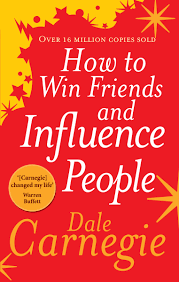
How to Win Friends and Influence People
Learn the timeless people skills that open doors, build influence, strengthen relationships, and help you succeed in business and life without manipulation or force.

Five Steps to Successful Selling
Master the foundations of persuasion, confidence, and ethical selling so you can close more deals, grow your income, and serve customers more effectively.

Acres of Diamonds
Discover how the opportunities you’ve been searching for may already exist right where you are — hidden in your skills, experiences, and environment.
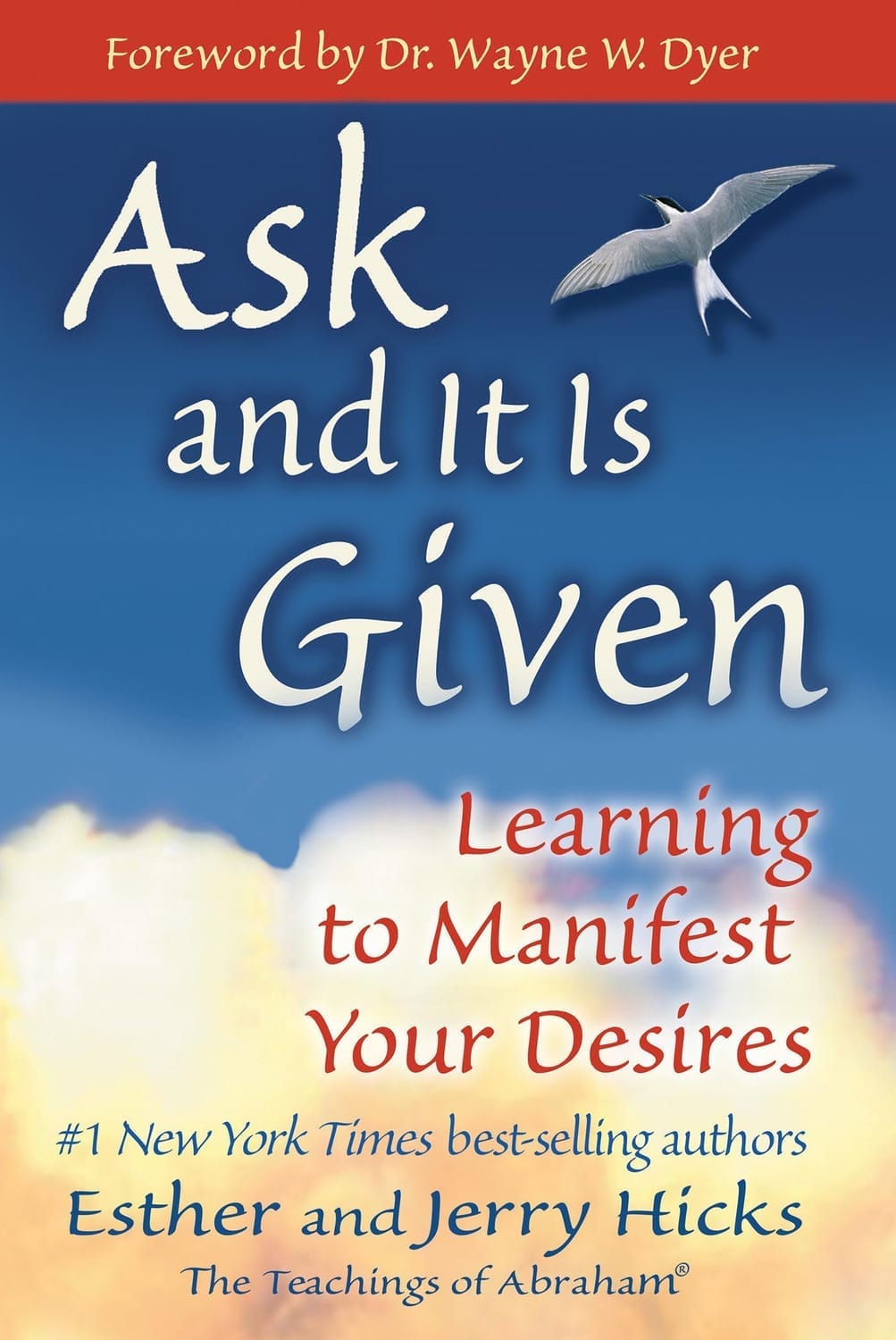
Ask and It Is Given
Learn how your thoughts, emotions, and expectations shape your reality — and how to deliberately attract better outcomes into your life.

Awaken the Giant Within
Take control of your mindset, emotions, finances, and habits so you can unlock the power and potential already inside you.

Book of Proverbs
Timeless wisdom on discipline, money, relationships, leadership, and decision-making — practical success principles that still apply today.
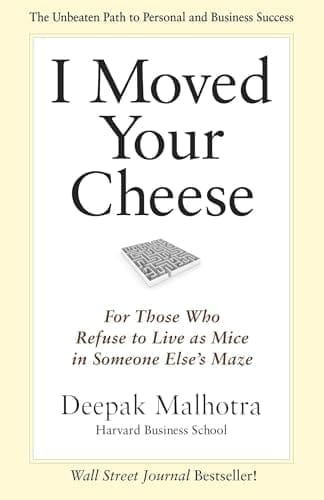
I Moved Your Cheese
A simple but powerful lesson on challenging paradigms, overcoming fear, and rethinking the status quo in an ever-changing world.

Peaks and Valleys
Learn how to navigate life’s highs and lows wisely — and how difficult seasons can become stepping stones to greater success.

Secrets of the Millionaire Mind
Discover the hidden money beliefs shaping your financial life — and how to reprogram your mindset for wealth and abundance.

Switch
Understand why change is difficult — and learn practical strategies to successfully change habits, behaviors, and results.
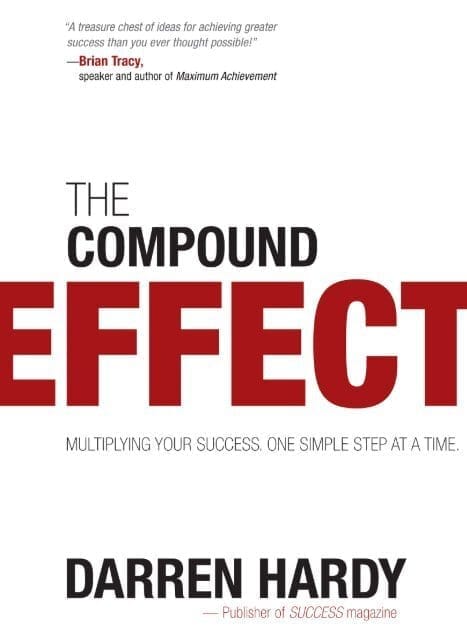
The Compound Effect
Small daily actions may seem insignificant, but over time they create extraordinary results in wealth, health, and success.

The Four Agreements
Four simple but life-changing principles to help you experience greater peace, freedom, confidence, and healthier relationships.
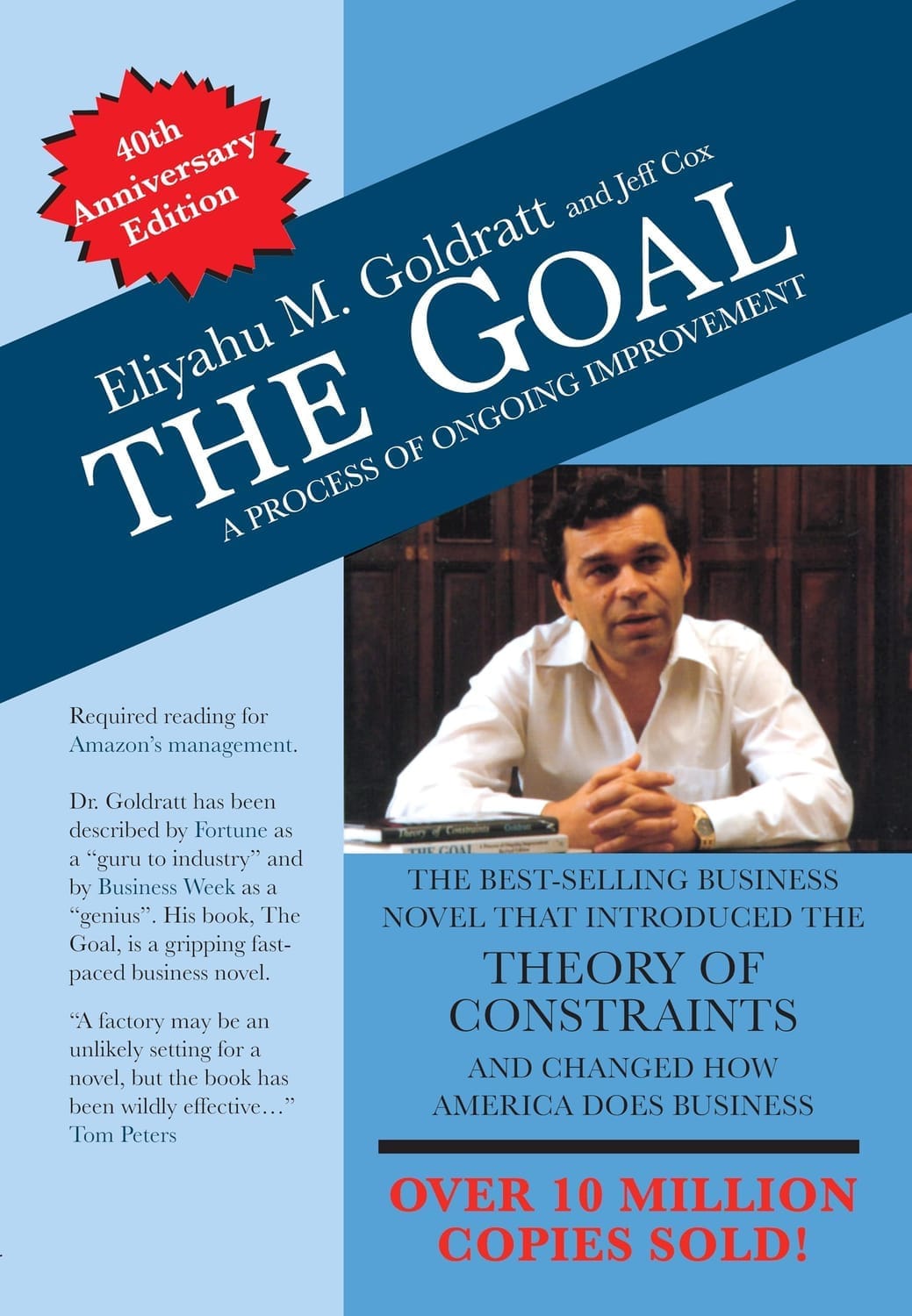
The Goal
A powerful business novel that teaches you how to identify bottlenecks, improve productivity, and focus on what truly drives results.

The Millionaire Booklet
A practical wake-up call about money, ambition, and the mindset required to escape financial struggle and pursue wealth seriously.

The One Thing
Learn how focusing on the most important task can dramatically improve your productivity, results, and quality of life.
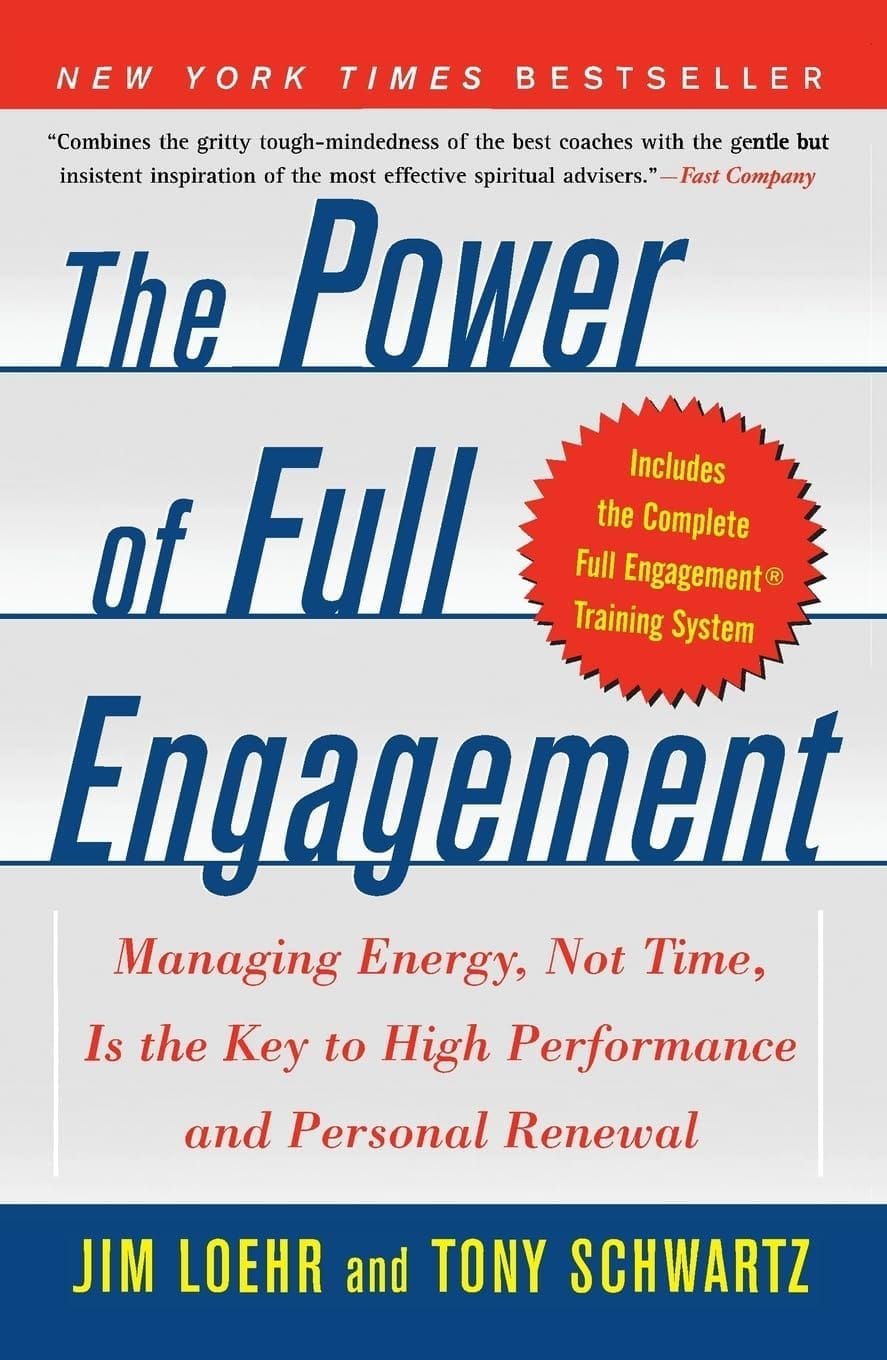
The Power of Full Engagement
Success isn’t just about managing time — it’s about managing your physical, emotional, mental, and spiritual energy effectively.
Richest Man In Babylon
Simple, timeless financial principles about saving, investing, discipline, and building long-term wealth.

The Strangest Secret
You become what you think about most. Learn how your thoughts shape your success, habits, and future.
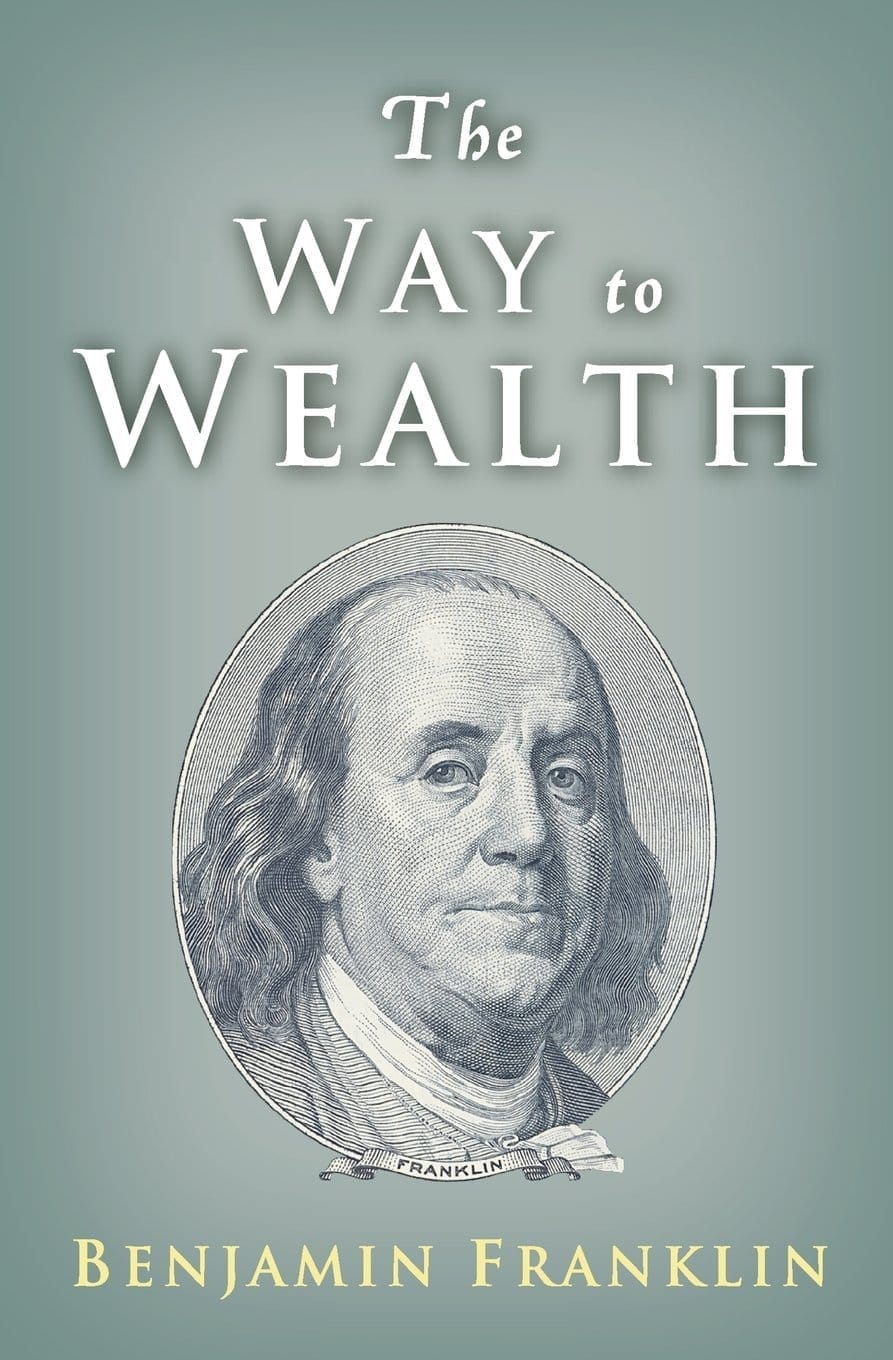
The Way to Wealth
Classic lessons on hard work, discipline, frugality, and wise financial stewardship that remain relevant centuries later.

7 Spiritual Laws of Success
Discover spiritual principles that blend purpose, abundance, alignment, and inner peace with external success.

A Message to Garcia
A timeless lesson on initiative, responsibility, reliability, and becoming the kind of person who gets things done without excuses.
Great by Choice
Learn how exceptional companies succeed even in uncertainty through discipline, preparation, and consistent execution.
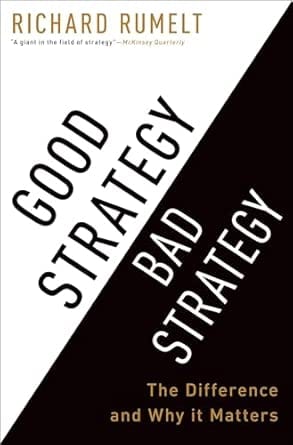
Good Strategy / Bad Strategy
Discover the difference between vague goals and real strategy — and learn how to focus your efforts where they matter most.

Think and Grow Rich
One of the most influential success books ever written — teaching the power of desire, faith, persistence, and focused action.
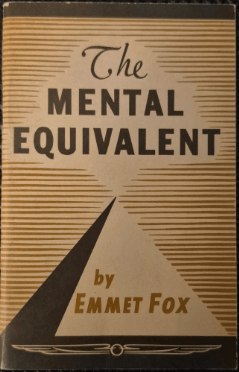
The Mental Equivalent
Learn how to create the mental and emotional conditions necessary to attract the life and outcomes you desire.
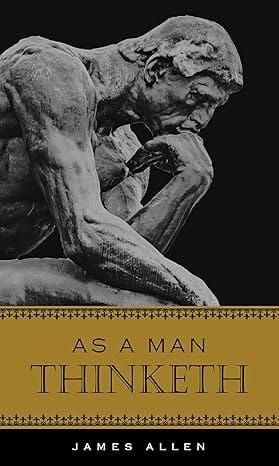
As a Man Thinketh
Your thoughts shape your character, habits, circumstances, and destiny. Master your mind and you transform your life.

The Game of Life
and How to Play It
A practical guide to spiritual laws, affirmations, faith, and aligning your thoughts and words with the life you want to create.

Dollar Success Club
A full system that shows you, step-by-step, how to start a real online business—even if you’re working full-time, even if you’ve never done this before.