
What Exactly Is A Business?
A business is any activity or organization that is structured to provide goods or services to customers with the goal of generating revenue.
It doesn’t have to be a large corporation or even a registered entity
to qualify as a business, but there are certain characteristics and criteria that can help you determine whether what you’re working
on qualifies as a "real" business.
Key Characteristics of a Business
To determine if your project is a "real business," it should meet most (if not all) of these criteria:
1. A Defined Purpose or Value Proposition
A business provides value to customers, whether through a product, a service, or a solution to a problem.
Ask yourself: Does your project solve a problem, fulfill a need, or create value for a specific group of people?
2. Revenue-Generating Potential
Businesses aim to generate revenue, even if they’re not profitable yet.
If your project has a plan or model to bring in money (e.g., selling products, charging for services, earning through partnerships), it qualifies as a business.
3. Target Customers or Market
A business has a clear audience or customer base.
Can you identify who benefits from what you offer and are they willing to pay for it?
4. Structure and Systems
A business typically has a structure—this could be a sole proprietorship, partnership, or registered company. Even a one-person operation can qualify.
Do you have systems or processes to deliver your product or service consistently?
5. Sustainability
A business should aim for sustainability, meaning it can continue to operate over time by generating enough income to cover its expenses.
Is your project scalable or capable of long-term growth?
Why Your Project
May Not Be Seen as a "Business"
Sometimes, others may view your project as not being a real business because it might lack certain elements. Here are common issues and how to address them:
Hobby vs. Business
Hobby: Something you do for personal enjoyment, with no clear intention to generate income.
Business: Even if it’s enjoyable, there’s a goal to provide value and make money.
Solution: Clarify your intention to monetize your project and create a revenue model.
No Clear Revenue Model
If you’re not charging for your product or service or don’t know how you will make money, others may doubt your project’s viability.
Solution: Develop a pricing structure or a clear plan for how your project will generate income.
Lack of Formality
If your project isn’t registered or doesn’t have a professional presence (e.g., a website, business cards, or branding), it might not look like a business to outsiders.
Solution: Formalize your project by registering it and creating a professional identity.
Unclear Target Audience
If you can’t articulate who your customers are or why they would pay for your offering, people may question its business potential.
Solution: Define your target market and research how to reach them effectively.
Steps to Strengthen
Your Project as a "Real Business"
Create a Business Plan
Outline your goals, target market, revenue model, and operational plan.
This helps potential partners see the structure and potential of your project.
Register Your Business
In South Africa, you can register with the CIPC (Companies and Intellectual Property Commission). This adds legitimacy.
Define Your Revenue Model
Specify how your project will make money: sales, subscriptions, services, or other streams.
Develop a Brand
Establish a name, logo, and online presence (e.g., website and social media profiles).
Start Small but Deliver Value
Focus on providing excellent service or products to your first customers. Testimonials and case studies will demonstrate your project's viability.
Track and Report Results
Use metrics like revenue, customer feedback, or growth to show progress and success.
What Makes a Business "Real"?
Ultimately, a real business is defined not just by formalities or perceptions but by its functionality and impact:
It serves a specific purpose or solves a problem.
It generates (or is working toward generating) consistent revenue.
It has systems and processes that can operate independently of the founder.
If your project aligns with these principles—even if it’s in its early stages—it’s a business. Communicate your vision clearly, show your growth plan, and don’t let others’ doubts discourage you. Many successful businesses started as small ideas or side projects that others didn’t take seriously at first!
Joined Dollar Success Club?
This is a community for people who want to:
• Start an online business
• Build multiple income streams
• Learn marketing and sales
• Turn ideas into profitable systems
Join the community here:
https://www.successclub.co.za/dollar
What You Miss By Not Joining Dollar Success Club...
Free practical action-based workbooks designed to help you apply powerful success principles immediately.
Topics include:
Mindset, Wealth, Discipline, Spirituality, Productivity, Purpose, Relationships, and so much more...
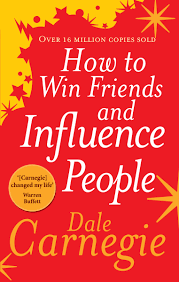
How to Win Friends and Influence People
Learn the timeless people skills that open doors, build influence, strengthen relationships, and help you succeed in business and life without manipulation or force.
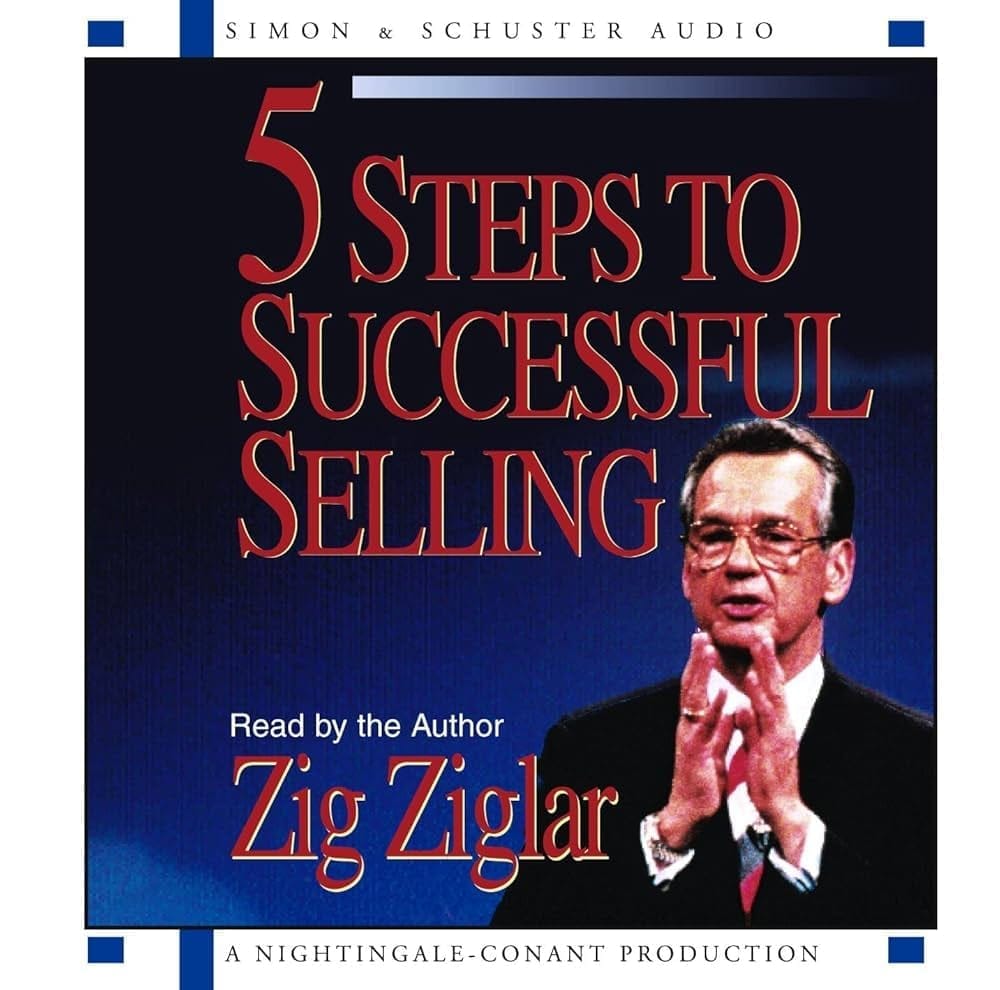
Five Steps to Successful Selling
Master the foundations of persuasion, confidence, and ethical selling so you can close more deals, grow your income, and serve customers more effectively.
Acres of Diamonds
Discover how the opportunities you’ve been searching for may already exist right where you are — hidden in your skills, experiences, and environment.
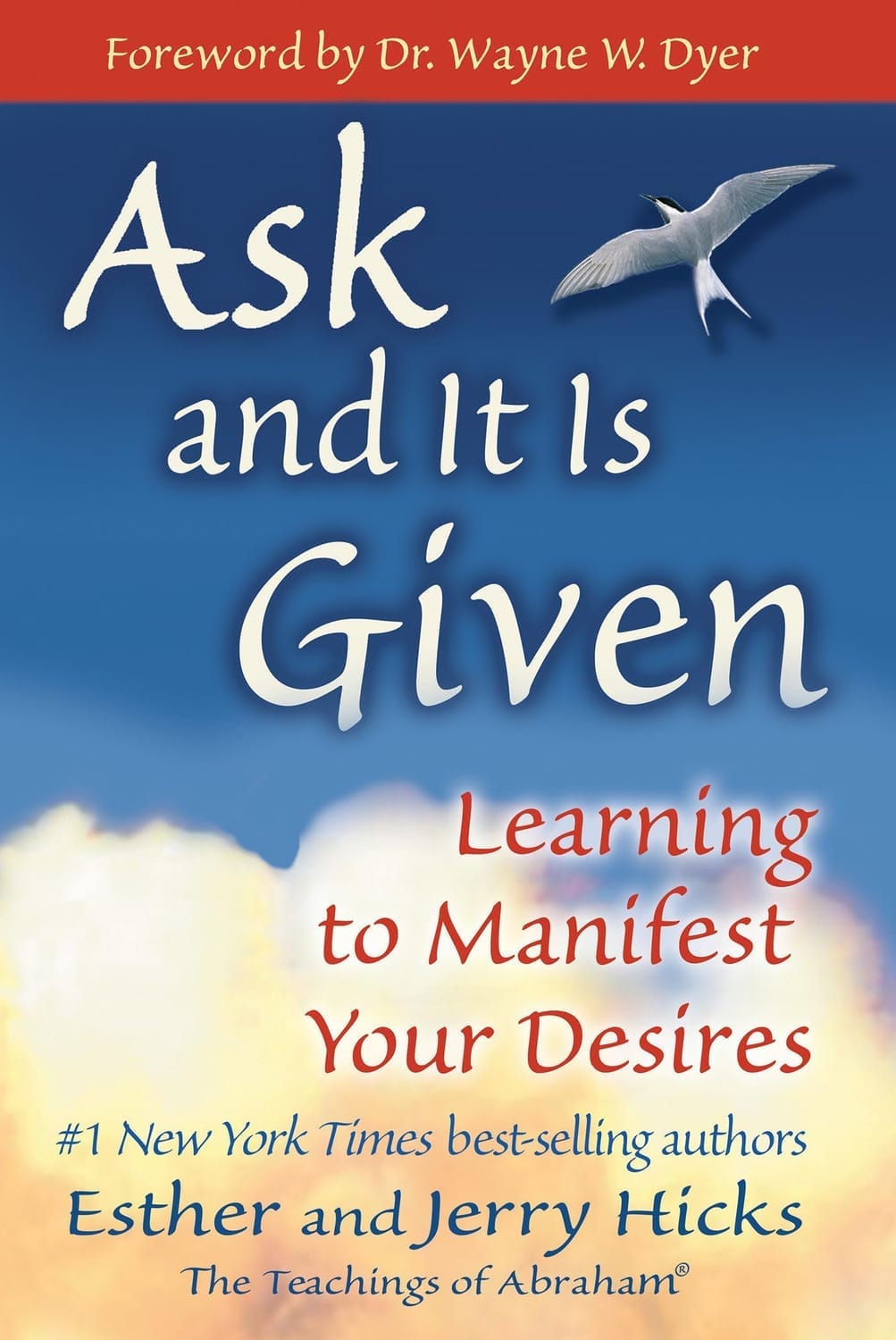
Ask and It Is Given
Learn how your thoughts, emotions, and expectations shape your reality — and how to deliberately attract better outcomes into your life.

Awaken the Giant Within
Take control of your mindset, emotions, finances, and habits so you can unlock the power and potential already inside you.

Book of Proverbs
Timeless wisdom on discipline, money, relationships, leadership, and decision-making — practical success principles that still apply today.

I Moved Your Cheese
A simple but powerful lesson on challenging paradigms, overcoming fear, and rethinking the status quo in an ever-changing world.

Peaks and Valleys
Learn how to navigate life’s highs and lows wisely — and how difficult seasons can become stepping stones to greater success.

Secrets of the Millionaire Mind
Discover the hidden money beliefs shaping your financial life — and how to reprogram your mindset for wealth and abundance.

Switch
Understand why change is difficult — and learn practical strategies to successfully change habits, behaviors, and results.
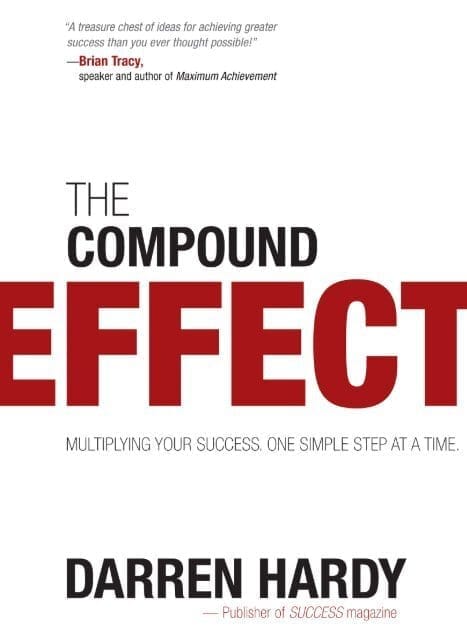
The Compound Effect
Small daily actions may seem insignificant, but over time they create extraordinary results in wealth, health, and success.
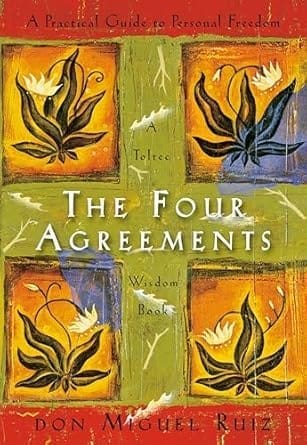
The Four Agreements
Four simple but life-changing principles to help you experience greater peace, freedom, confidence, and healthier relationships.
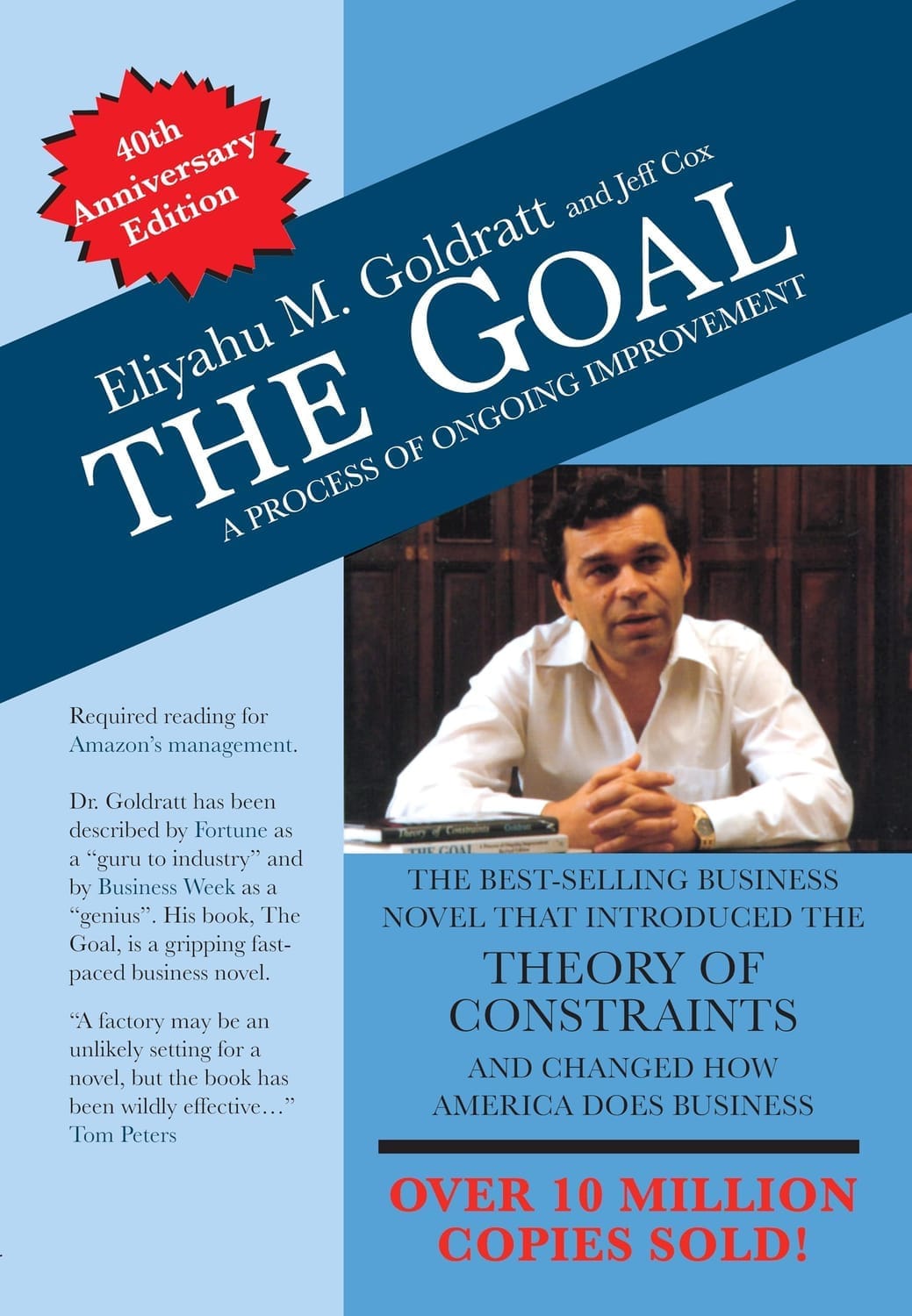
The Goal
A powerful business novel that teaches you how to identify bottlenecks, improve productivity, and focus on what truly drives results.
The Millionaire Booklet
A practical wake-up call about money, ambition, and the mindset required to escape financial struggle and pursue wealth seriously.
The One Thing
Learn how focusing on the most important task can dramatically improve your productivity, results, and quality of life.
The Power of Full Engagement
Success isn’t just about managing time — it’s about managing your physical, emotional, mental, and spiritual energy effectively.
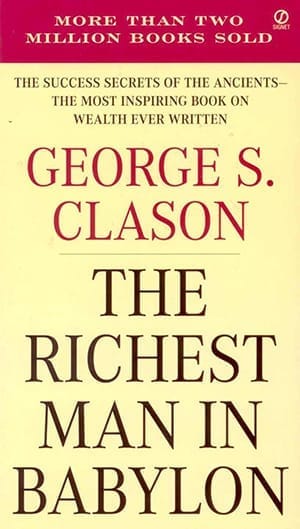
Richest Man In Babylon
Simple, timeless financial principles about saving, investing, discipline, and building long-term wealth.

The Strangest Secret
You become what you think about most. Learn how your thoughts shape your success, habits, and future.
The Way to Wealth
Classic lessons on hard work, discipline, frugality, and wise financial stewardship that remain relevant centuries later.
7 Spiritual Laws of Success
Discover spiritual principles that blend purpose, abundance, alignment, and inner peace with external success.

A Message to Garcia
A timeless lesson on initiative, responsibility, reliability, and becoming the kind of person who gets things done without excuses.
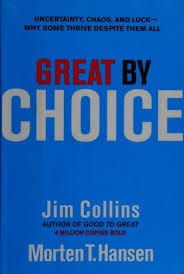
Great by Choice
Learn how exceptional companies succeed even in uncertainty through discipline, preparation, and consistent execution.
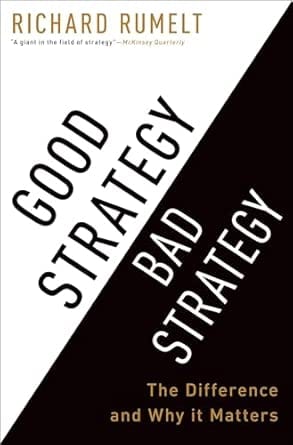
Good Strategy / Bad Strategy
Discover the difference between vague goals and real strategy — and learn how to focus your efforts where they matter most.

Think and Grow Rich
One of the most influential success books ever written — teaching the power of desire, faith, persistence, and focused action.

The Mental Equivalent
Learn how to create the mental and emotional conditions necessary to attract the life and outcomes you desire.

As a Man Thinketh
Your thoughts shape your character, habits, circumstances, and destiny. Master your mind and you transform your life.

The Game of Life
and How to Play It
A practical guide to spiritual laws, affirmations, faith, and aligning your thoughts and words with the life you want to create.

Dollar Success Club
A full system that shows you, step-by-step, how to start a real online business—even if you’re working full-time, even if you’ve never done this before.