
The Magic of Thinking Big - Chapter 02
CURE YOURSELF OF EXCUSITIS,
THE FAILURE DISEASE.
First assignment of the second chapter is to study people.
Study successful people and the habits that help them win.
Emulate these habits, and you have a decent chance
of winning.
Study the failures and determine the habits that make them unsuccessful. Get rid of these habits in your own life.
Focus your attention on the habits that winners practice.
One habit that leads people to failure is the habit of making excuses. Schwartz calls this habit excusitis. He believes it's a disease that infects countless people and prevents them from reaching their full potential.
Successful people make less excuses.
Excusitis gets worse the more it's left untreated.
Don't let it fester. Get rid of it quickly. Don't get too comfortable with it.
You may think you're just saving face, but you're actually killing your dreams.
"Never complain. Never explain.
Get things done."
According to the author, most people blame their health, intelligence, age or luck for their lack of success. And he offers tips on how we can overcome these excuses.
He worries that 3 out of 4 people have emotionally induced illnesses. Their ailments are cased by emotional strain rather than physical illness. Every moment you spend worrying is a moment of possible life that you're stealing from yourself.
Your attitude towards any subject determines the actions you take. And these actions determine the outcome or results. The author gives several examples of people in similar situations but different attitudes, and the differences in results each of them experiences.
How to deal with health excusitis.
A. Don't talk about your illness. What you focus expands. If you spend your life thinking about illness, you will attract more illness. Being a chronic complainer bores people and makes them avoid you.
B. Refuse to worry about your health.
C. Be genuinely grateful that your health is as good as it is.
D. Remind yourself that it's often better to wear out than to rust out.
You've got to have brains to succeed.
Not many people are willing to admit that they lack adequate intelligence, which often lead to silent suffering and people selling themselves short.
It's not about how much intelligence you have,
it's about how you use the tools you have.
Interest and enthusiasm is a critical factor in success,
regardless of subject you're pursuing.
Sticking with a task until it's done
pays off much more than idle intelligence.
The value is thinking, not in memorizing.
Some people say emotional intelligence, connecting with humans is more important than technical knowledge. For more information on this, read Dale Carnegie's How to Win Friends and Influence People. That's why some companies today have two interviews, one for technical knowledge and another one for culture fit. Culture fit is about relationships within the company. Will you mess up the dynamic within the company, or will add positively to it. Attitude has a lot to do with how we relate to other people.
The author argues that the mind should be used to think, not to store facts. He gives examples where Einstein was asked a question to he didn't already know the answer. His response, when asked, was that he had no need to store that information in his brain because he could easily find it in a reference book. In our age we'll just go to Google or Chat GPT or DeepSeek.
The value is thinking, not in memorizing.
The value is in people who can solve problems, who can think up ideas.
An idea man can make money. A fact man can't.
Three Ways to Cure Intelligence Excusitis:
A. Never underestimate your own intelligence.
Discover your superior talents and work towards refining them.
B. Remind yourself several times daily that your attitudes are more important than your intelligence.
C. The ability to think is of much greater value than the ability to memorize facts.
Use your mind for creativity and innovation rather than just to cram facts.
3. It's No Use. I'm Too Old or Too Young.
The author calls this age excusitis. Most people view age as a handicap that prevents them from performing at the required levels, especially in a country where every opportunity is reserved for people under the age of 35. Funny enough, even those under-35s are under-employed, under-educated, and roaming the streets with no money, no joy, and no idea what to do with their lives.
Aah, look at that. I caught myself complaining and thinking negatively. Is that why we're so miserable and almost hopeless as a country? Does looking at the actual dismal perfornce of our systems cause the systems to be dismal? Or, are the systems dismal, and that's why we notice that they're dismal?
Does it mean that if we can all imagine a country with zero unemployment, we can actually have zero unemployment as a country? At what point does this positive thinking stuff get ridiculous? At what point do we have to accept the reality of our situation and accept that in order for something to change we need to act?
Anyway, I digress. Back to the book.
Dr. Schwartz insists that age doesn't matter. If you're capable of doing the job, and have the results to prove it, then you're exactly the right age. Age is not a handicap unless you continue to use it as an excuse to not move forward. The author continues, "What really matters is how well you know your job. If youknow your job and understand people, you're sufficiently mature to handle it."
A. The cure for age excusitis is to think in terms of ability, not in terms of age.
B. Calculate how much productive tone you have left. Most people retire at 65 or 70, some continue to work long after their 70th birthday. For your case, how many more productive years do you have before you get to 70?
C. Invest your future in doing what you really want to do. Don't think, "it's already too late". Think, "I'm going to start now and make the best of it."
4. But My Case is Different; I Attract Bad Luck
The author claims that there is no such thing as luck. There is a cause for everything. Honestly, I don't think that's accurate. True, luck is not the only determinant of a person's success, but it does have a pretty significant contribution. Do you think a boy born in the DRC today has the same level of opportunity as a boy born in the USA or Europe?
Absolutely not. If you're born in the DRC, you'll most likely be carrying an AK47, fighting in a civil war, before your 12th birthday. In the USA or Europe, at that same age, you'll most likely be building apps, eating pizza in an air-conditioned bedroom.
How did the boy in the Congo inflict that upon himself?
Now, if you have the opportunity to determine your own fate, don't waste it by making excuses. Do the best you can.
conquer luck excusitis
A. Accept the law of cause and effect. Prepare, plan, and take the required actions to give yourself the best chance of success. Learn from your mistakes, and do better going forward.
B. Don't be a wishful thinker. Do the work that is most likely to produce the results you want.
Joined Dollar Success Club?
This is a community for people who want to:
• Start an online business
• Build multiple income streams
• Learn marketing and sales
• Turn ideas into profitable systems
Join the community here:
https://www.successclub.co.za/dollar
What You Miss By Not Joining Dollar Success Club...
Free practical action-based workbooks designed to help you apply powerful success principles immediately.
Topics include:
Mindset, Wealth, Discipline, Spirituality, Productivity, Purpose, Relationships, and so much more...
How to Win Friends and Influence People
Learn the timeless people skills that open doors, build influence, strengthen relationships, and help you succeed in business and life without manipulation or force.
Five Steps to Successful Selling
Master the foundations of persuasion, confidence, and ethical selling so you can close more deals, grow your income, and serve customers more effectively.
Acres of Diamonds
Discover how the opportunities you’ve been searching for may already exist right where you are — hidden in your skills, experiences, and environment.
Ask and It Is Given
Learn how your thoughts, emotions, and expectations shape your reality — and how to deliberately attract better outcomes into your life.
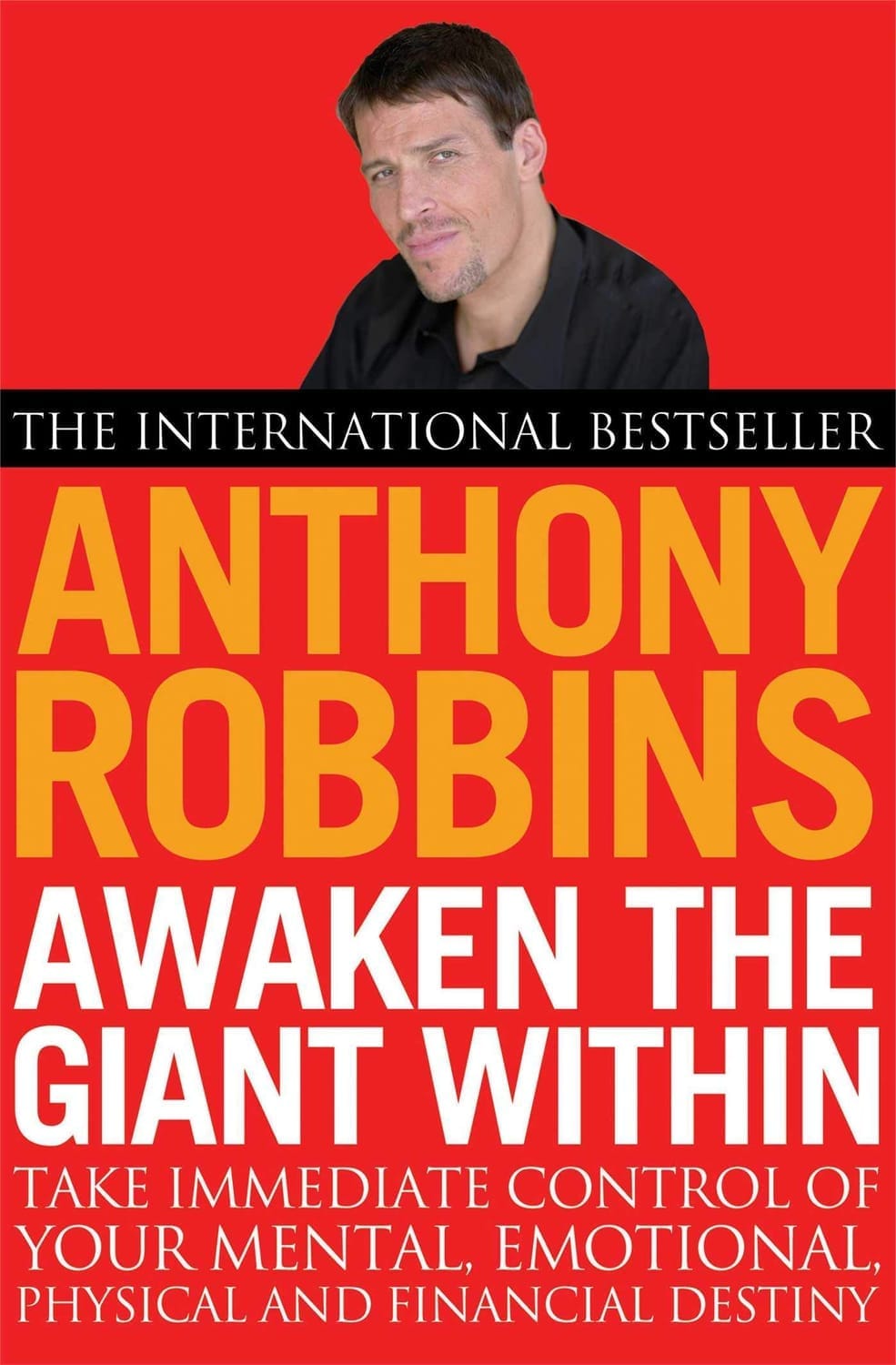
Awaken the Giant Within
Take control of your mindset, emotions, finances, and habits so you can unlock the power and potential already inside you.

Book of Proverbs
Timeless wisdom on discipline, money, relationships, leadership, and decision-making — practical success principles that still apply today.
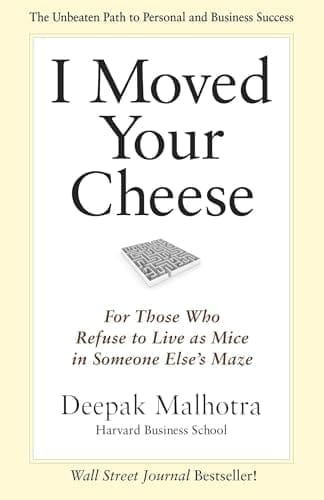
I Moved Your Cheese
A simple but powerful lesson on challenging paradigms, overcoming fear, and rethinking the status quo in an ever-changing world.

Peaks and Valleys
Learn how to navigate life’s highs and lows wisely — and how difficult seasons can become stepping stones to greater success.
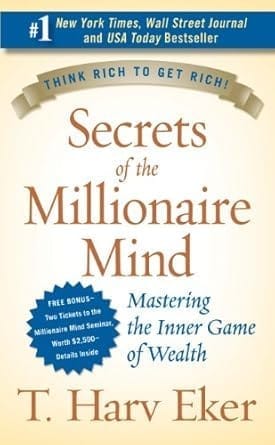
Secrets of the Millionaire Mind
Discover the hidden money beliefs shaping your financial life — and how to reprogram your mindset for wealth and abundance.

Switch
Understand why change is difficult — and learn practical strategies to successfully change habits, behaviors, and results.
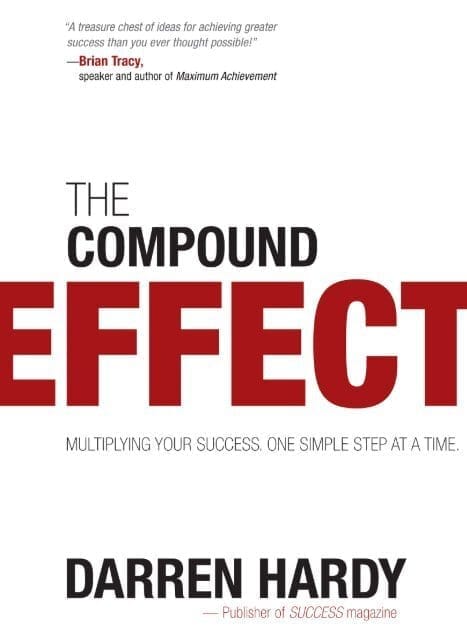
The Compound Effect
Small daily actions may seem insignificant, but over time they create extraordinary results in wealth, health, and success.

The Four Agreements
Four simple but life-changing principles to help you experience greater peace, freedom, confidence, and healthier relationships.
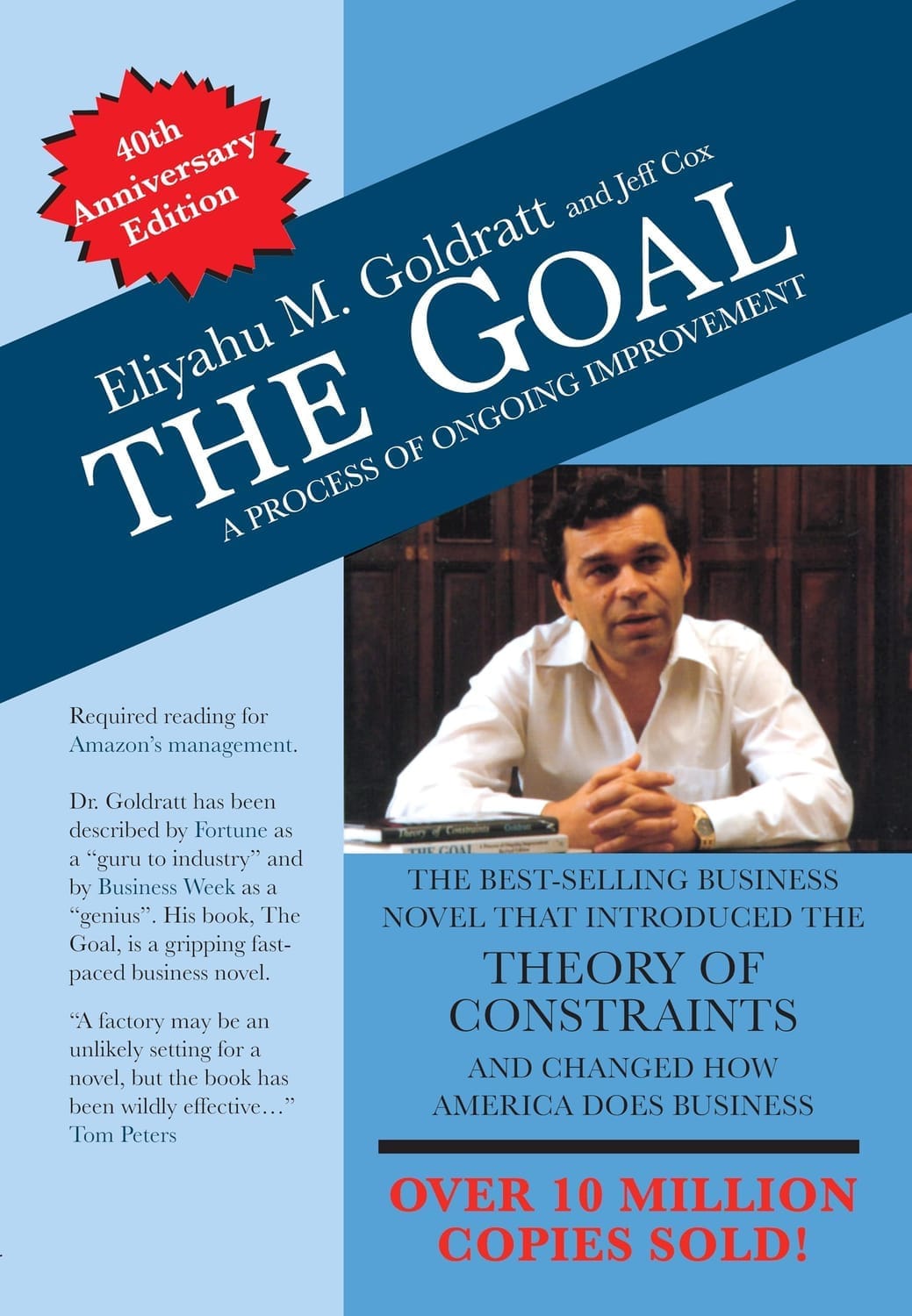
The Goal
A powerful business novel that teaches you how to identify bottlenecks, improve productivity, and focus on what truly drives results.
The Millionaire Booklet
A practical wake-up call about money, ambition, and the mindset required to escape financial struggle and pursue wealth seriously.

The One Thing
Learn how focusing on the most important task can dramatically improve your productivity, results, and quality of life.
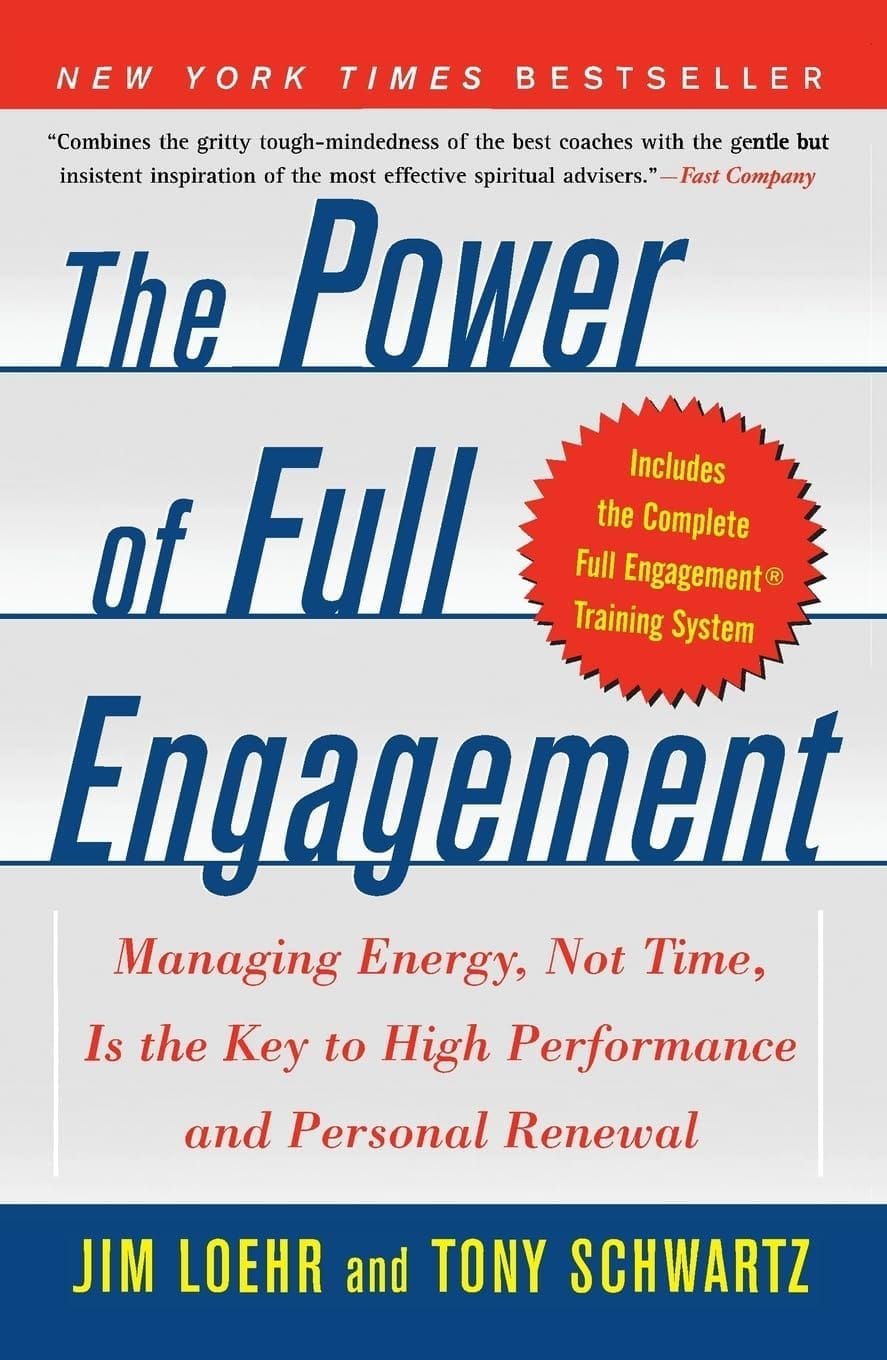
The Power of Full Engagement
Success isn’t just about managing time — it’s about managing your physical, emotional, mental, and spiritual energy effectively.
Richest Man In Babylon
Simple, timeless financial principles about saving, investing, discipline, and building long-term wealth.
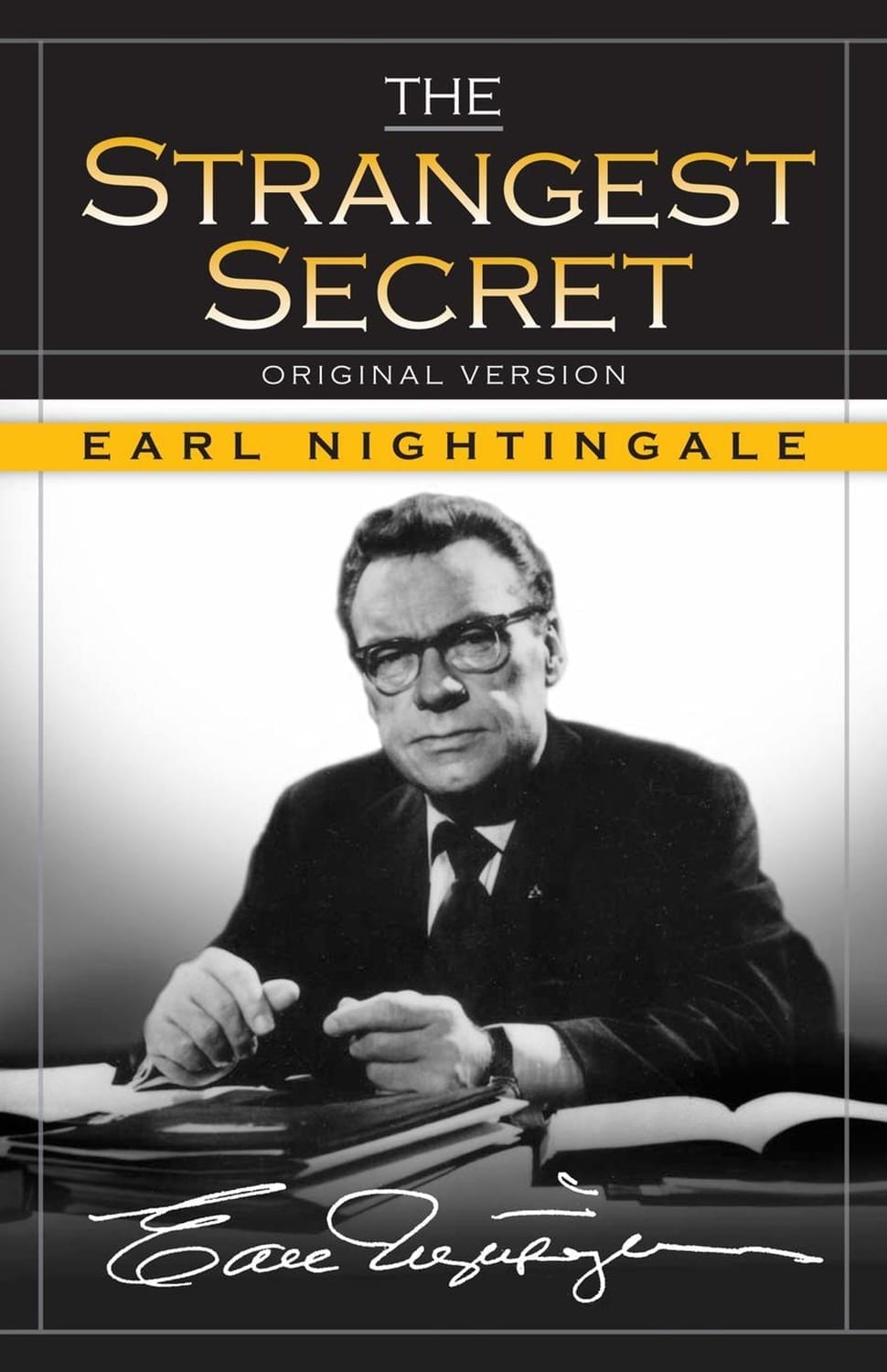
The Strangest Secret
You become what you think about most. Learn how your thoughts shape your success, habits, and future.
The Way to Wealth
Classic lessons on hard work, discipline, frugality, and wise financial stewardship that remain relevant centuries later.
7 Spiritual Laws of Success
Discover spiritual principles that blend purpose, abundance, alignment, and inner peace with external success.

A Message to Garcia
A timeless lesson on initiative, responsibility, reliability, and becoming the kind of person who gets things done without excuses.
Great by Choice
Learn how exceptional companies succeed even in uncertainty through discipline, preparation, and consistent execution.
Good Strategy / Bad Strategy
Discover the difference between vague goals and real strategy — and learn how to focus your efforts where they matter most.
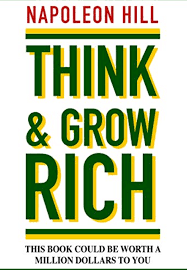
Think and Grow Rich
One of the most influential success books ever written — teaching the power of desire, faith, persistence, and focused action.

The Mental Equivalent
Learn how to create the mental and emotional conditions necessary to attract the life and outcomes you desire.

As a Man Thinketh
Your thoughts shape your character, habits, circumstances, and destiny. Master your mind and you transform your life.

The Game of Life
and How to Play It
A practical guide to spiritual laws, affirmations, faith, and aligning your thoughts and words with the life you want to create.

Dollar Success Club
A full system that shows you, step-by-step, how to start a real online business—even if you’re working full-time, even if you’ve never done this before.