
Starting a Wedding\/Party Planning Business
Starting a wedding and party planning business in South Africa is an exciting and potentially lucrative venture. With the country’s diverse cultures and rich tradition of celebrations, from weddings and milestone birthdays to corporate events and intimate gatherings, the demand for skilled event planners is high. By offering a service that helps people create memorable experiences without the stress, you can build a thriving business in this space.
Here’s a comprehensive guide on how to start and grow a successful wedding and party planning business in South Africa.
Business Concept: How It Works
A wedding and party planning business helps clients organize and execute special events, from weddings and engagement parties to birthday celebrations, corporate functions, and more. As a planner, you’ll work closely with clients to understand their vision, budget, and preferences, coordinating every detail from venue selection to catering, décor, entertainment, and logistics.
Who you're serving:
• Brides and grooms: Couples looking to plan their dream wedding but need help with organizing, sourcing vendors, and coordinating the event.
• Party hosts: Individuals planning birthday parties, anniversaries, baby showers, or other celebrations.
• Corporate clients: Companies planning office parties, team-building events, product launches, or year-end functions.
• Non-profits and community events: Organizations hosting fundraising events, galas, or awareness campaigns.
What you're selling:
• Full-service wedding and event planning
• Partial planning (e.g., décor or vendor sourcing)
• Day-of coordination services
• Event styling and décor setup
• Budget management and vendor negotiation
• Theme conceptualization and execution
• Vendor management (caterers, photographers, venues, entertainers)
• Rentals (if you choose to offer it—tables, chairs, tents, etc.)
Purpose: Why Start This Kind of Business?
There are several compelling reasons to start a wedding and party planning business:
• High demand: Weddings and parties are constant, even during economic downturns, as people continue to celebrate life’s milestones. South Africa, with its rich cultural diversity, offers endless opportunities for event planners.
• Creative fulfillment: If you love organizing, decorating, and bringing ideas to life, this business allows you to express your creativity while helping clients create unforgettable events.
• Low overhead: You can start this business with minimal upfront costs since much of the planning can be done from home or a small office.
• Lucrative income potential: Weddings and large corporate events can command high fees, especially if you’re organizing high-end or luxury events.
How to Determine If There’s a Need for This Product/Service?
Before jumping in, you’ll need to assess the demand in your area:
• Research the local market: Look at how many weddings, parties, and corporate events take place in your region. Major cities like Johannesburg, Cape Town, and Durban are event hubs, but even smaller towns may have a need for planners.
• Talk to potential clients: Reach out to newly engaged couples, families planning parties, and corporate event organizers to gauge interest in planning services.
• Study competitors: Find out how many wedding and event planners operate in your area. Are they targeting high-end clients, budget-conscious individuals, or a niche market? This will help you understand gaps in the market.
Different Variations of a Wedding/Party Planning Business
You can structure your business based on your strengths and market demand:
1. Full-service wedding planner: Offer everything from start to finish—planning, vendor management, décor, and coordination of the big day.
2. Day-of coordinator: Specialize in managing events on the day, ensuring everything runs smoothly without full planning involvement.
3. Party planning: Focus on smaller events like birthday parties, baby showers, and engagement parties.
4. Corporate event planning: Offer services to companies planning year-end functions, product launches, and corporate retreats.
5. Destination wedding planner: Specialize in helping international or out-of-town clients plan destination weddings in South Africa’s scenic locations like the Winelands or the Garden Route.
6. Niche market planning: Focus on specific types of events, like cultural weddings (e.g., traditional Zulu, Indian, or Jewish weddings), themed parties, or eco-friendly/sustainable events.
Best Location to Operate This Business
One of the advantages of a wedding and party planning business is that it can be operated from almost anywhere:
• Home office: You can run this business from home, especially when starting out. Most of the work involves meeting clients at venues, vendor sites, or virtually.
• Co-working space: If you need a professional space to meet clients, a co-working space could offer affordable office space without the full cost of renting a dedicated office.
• Event hotspots: If you’re targeting high-end clients or destination weddings, being based in a popular wedding destination like Cape Town, Stellenbosch, or Durban could be beneficial.
Capital Requirements
The initial investment for a wedding and party planning business can be relatively low:
• Marketing and branding: You’ll need to invest in creating a professional website, business cards, and social media profiles. This could cost R5,000 to R15,000.
• Office supplies and equipment: If working from home, you’ll need a laptop, phone, and internet connection. Basic office equipment can cost around R10,000 to R20,000.
• Planning tools: You may want to invest in planning software to manage client timelines, budgets, and vendor contracts. Subscription tools like Aisle Planner or HoneyBook can cost R500 to R1,000 per month.
• Decor and rentals: If you plan to offer décor rentals, you’ll need to budget for inventory like tablecloths, centerpieces, and chairs. Start small with R10,000 to R50,000 for essential items.
Overall, you can start your business with R15,000 to R50,000 depending on the scale and services offered.
How to Start Part-Time and Grow Into Full-Time
Starting part-time is a smart way to test the market and build experience:
• Offer day-of coordination: Start with small projects like day-of coordination or party planning for friends and family. This helps you gain experience while still working another job.
• Network locally: Attend bridal shows, networking events, and corporate functions to meet potential clients. You can offer discounts to early clients to build your portfolio.
• Grow gradually: As your client base grows and referrals increase, you can take on more events and expand into full-service planning.
How Much Money Can You Expect to Make?
The income potential in this business can vary significantly based on the type of events you plan and your pricing model:
• Wedding planners: Wedding planning fees can range from R10,000 to R50,000 for full-service planning, while high-end or luxury weddings can cost upwards of R100,000 or more.
• Party planners: For smaller events like birthday parties or anniversaries, fees may range from R3,000 to R15,000 depending on the complexity.
• Corporate events: Large corporate functions can command higher fees, with planners charging R20,000 to R100,000+ depending on the scale.
Monthly earnings will depend on how many events you handle. A part-time planner might earn R15,000 to R30,000 per month, while a full-time planner with several clients could earn R50,000 to R100,000 or more.
Equipment, Tools, and Resources for Success
To run a successful wedding and party planning business, you’ll need:
• Planning software: Tools like Trello, Aisle Planner, or Asana to manage tasks, timelines, and vendor contracts.
• Laptop and smartphone: These are essential for communication, managing schedules, and keeping track of client needs.
• Transportation: You’ll need reliable transport to visit venues, meet vendors, and transport décor items if necessary.
• Contracts and legal documents: Standard contracts, invoices, and client agreements are crucial to protect your business and ensure clear terms with clients and vendors.
Employees, Insurance, and Legislative Issues
As your business grows, you may need additional help:
• Assistants: If you’re planning multiple events, hiring assistants or freelancers to help with on-the-day coordination or décor setup can free up your time for other tasks.
• Vendors: Building relationships with trusted vendors (caterers, photographers, florists) is essential for offering seamless service to clients.
Insurance: Consider getting public liability insurance to cover potential accidents or damages during events. This is especially important for large weddings and corporate events.
Legislation: Register your business with the CIPC (Companies and Intellectual Property Commission) and ensure you comply with SARS for tax purposes. You may also need contracts for each event, outlining terms and responsibilities for both you and your clients.
Potential Obstacles to Look Out For
1. Managing client expectations: Some clients may have unrealistic expectations in terms of budget, timelines, or what’s possible for their event. Clear communication and setting realistic expectations from the start is key.
2. Seasonality: Wedding season typically peaks in summer (October to March), which can mean inconsistent income during the rest of the year. Diversify by offering services for other types of events, like corporate functions or birthday parties, to keep revenue steady.
3. Vendor reliability: If a vendor (like a caterer or DJ) cancels last minute, it can disrupt the event. Building strong relationships with reliable vendors helps mitigate this risk.
Future Expansion Opportunities
Once your business is established, there are several ways to expand:
• Destination weddings: South Africa is a popular destination for weddings, particularly in scenic areas like the Cape Winelands. You can attract international clients by offering destination wedding planning services.
• Corporate event planning: Expanding into corporate events can provide year-round income, as companies often plan team-building events, product launches, or year-end functions.
• Décor and rental services: Offering in-house décor and rental services for weddings and parties can increase revenue streams and provide more control over the final look of the event.
• Hire additional planners: As your business grows, you can hire junior planners to manage smaller events, freeing you up to focus on high-end or larger-scale events.
Skills, Training, and Leadership Traits Business Owners Must Possess
To run a successful wedding and party planning business, you’ll need:
• Strong organizational skills: Planning multiple events requires excellent time management, multitasking, and attention to detail.
• Creativity: Clients look to planners to bring fresh ideas and creative concepts to life, whether it’s a themed birthday party or a sophisticated wedding.
• Problem-solving skills: Unexpected challenges—like a vendor canceling or bad weather—can arise, and being able to handle these situations calmly is crucial.
• Communication and people skills: Building relationships with clients, vendors, and staff is key to success in this industry. You’ll need to understand and manage client expectations while negotiating with vendors for the best deals.
How to Price Products and Services
Your pricing model will depend on the type of services you offer:
• Flat fee: Charge a flat fee for your services based on the event’s complexity. For example, full-service wedding planning might cost R30,000 to R100,000, while smaller party planning fees could range from R3,000 to R15,000.
• Percentage-based: Charge a percentage of the overall event budget, typically around 10% to 15%, with higher-end planners sometimes charging more for luxury events.
• Hourly rate: For day-of coordination or smaller services, you can charge an hourly rate of R300 to R800, depending on the event and your expertise.
How to Stand Out from the Competition
To stand out in a competitive market, consider the following strategies:
• Specialize in a niche: Focusing on a specific niche, like luxury weddings, traditional cultural weddings, or eco-friendly events, can help you build a reputation as an expert in that area.
• Offer excellent customer service: Going the extra mile for your clients—by being available, attentive, and proactive—will lead to positive referrals and repeat business.
• Create a strong online presence: Showcase your work through a professional website and active social media profiles. Share behind-the-scenes content, event photos, and client testimonials to build trust with potential clients.
• Network with vendors: Build relationships with caterers, florists, photographers, and venues. Good vendor partnerships can help you get better deals and ensure seamless event execution.
Marketing Avenues to Attract Customers
Effective marketing is key to attracting clients:
• Social media: Use Instagram, Facebook, and Pinterest to showcase your work, post event highlights, and engage with your audience. Instagram is especially popular for showcasing event décor and styling.
• Google Ads and SEO: Invest in search engine optimization (SEO) for your website, and run Google Ads targeting keywords like “wedding planner in South Africa” or “party planning services.”
• Networking: Attend bridal expos, wedding fairs, and corporate networking events to meet potential clients and showcase your services.
• Referrals: Encourage satisfied clients to refer your services to others. Offering a discount for referrals can incentivize this.
Starting a wedding and party planning business in South Africa can be a rewarding and creative venture. With the right mix of organization, creativity, and marketing, you can build a successful business that helps clients create unforgettable events. Whether you start part-time or dive in full-time, the opportunities for growth, expansion, and profit in this industry are substantial.
Joined Dollar Success Club?
This is a community for people who want to:
• Start an online business
• Build multiple income streams
• Learn marketing and sales
• Turn ideas into profitable systems
Join the community here:
https://www.successclub.co.za/dollar
What You Miss By Not Joining Dollar Success Club...
Free practical action-based workbooks designed to help you apply powerful success principles immediately.
Topics include:
Mindset, Wealth, Discipline, Spirituality, Productivity, Purpose, Relationships, and so much more...
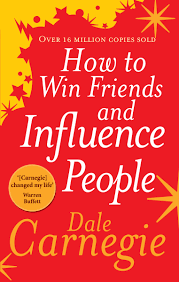
How to Win Friends and Influence People
Learn the timeless people skills that open doors, build influence, strengthen relationships, and help you succeed in business and life without manipulation or force.

Five Steps to Successful Selling
Master the foundations of persuasion, confidence, and ethical selling so you can close more deals, grow your income, and serve customers more effectively.

Acres of Diamonds
Discover how the opportunities you’ve been searching for may already exist right where you are — hidden in your skills, experiences, and environment.
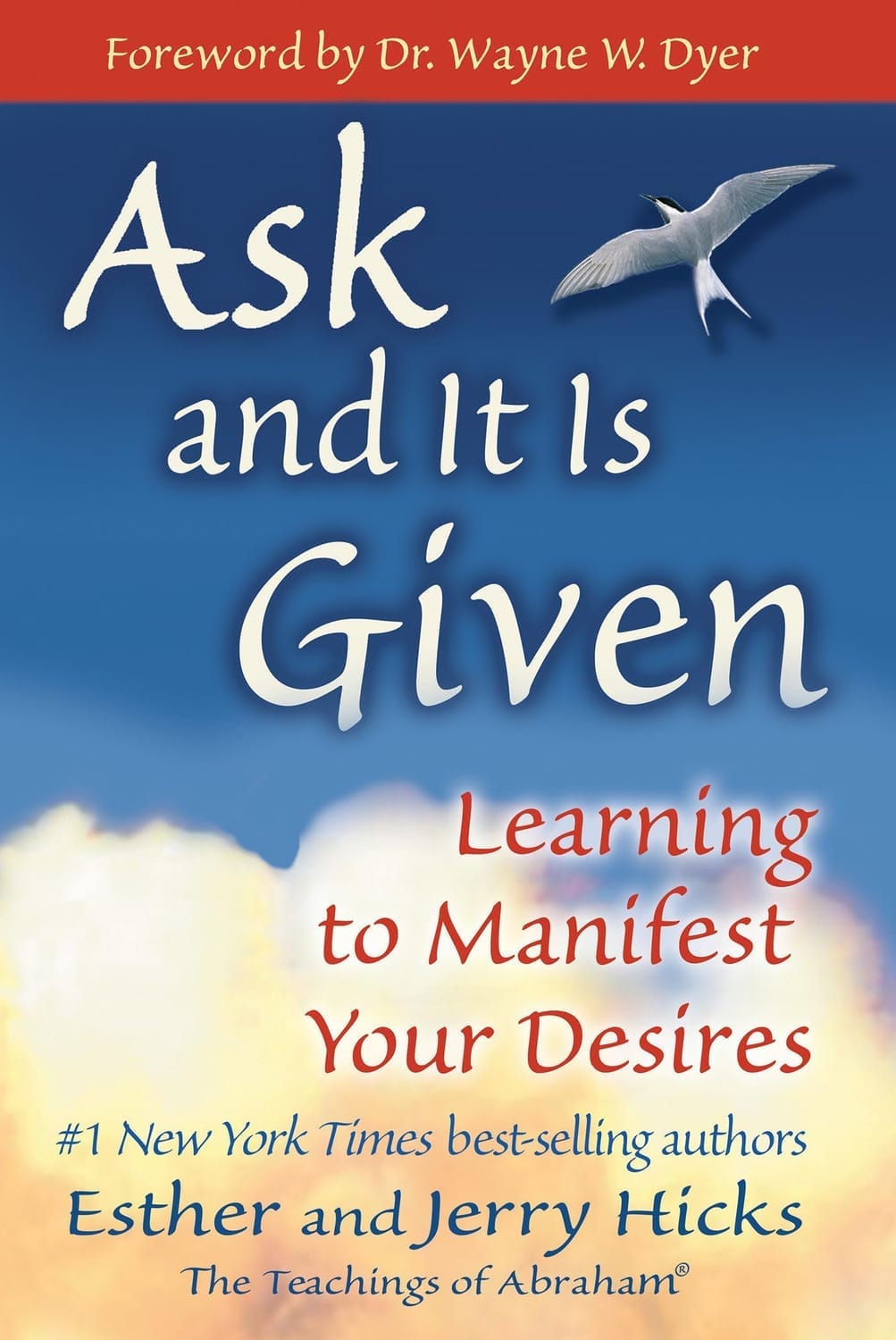
Ask and It Is Given
Learn how your thoughts, emotions, and expectations shape your reality — and how to deliberately attract better outcomes into your life.

Awaken the Giant Within
Take control of your mindset, emotions, finances, and habits so you can unlock the power and potential already inside you.

Book of Proverbs
Timeless wisdom on discipline, money, relationships, leadership, and decision-making — practical success principles that still apply today.

I Moved Your Cheese
A simple but powerful lesson on challenging paradigms, overcoming fear, and rethinking the status quo in an ever-changing world.

Peaks and Valleys
Learn how to navigate life’s highs and lows wisely — and how difficult seasons can become stepping stones to greater success.

Secrets of the Millionaire Mind
Discover the hidden money beliefs shaping your financial life — and how to reprogram your mindset for wealth and abundance.

Switch
Understand why change is difficult — and learn practical strategies to successfully change habits, behaviors, and results.

The Compound Effect
Small daily actions may seem insignificant, but over time they create extraordinary results in wealth, health, and success.

The Four Agreements
Four simple but life-changing principles to help you experience greater peace, freedom, confidence, and healthier relationships.
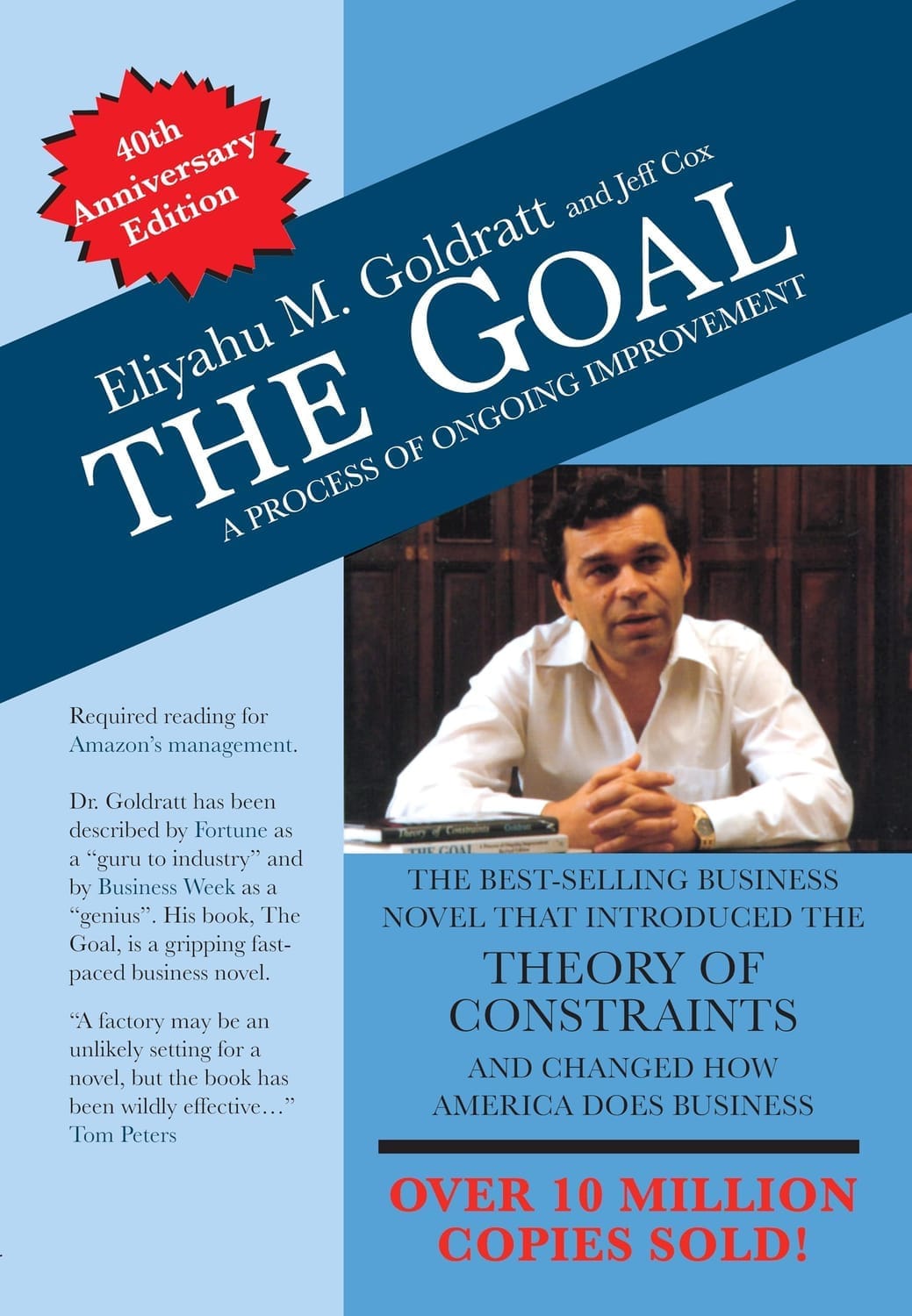
The Goal
A powerful business novel that teaches you how to identify bottlenecks, improve productivity, and focus on what truly drives results.

The Millionaire Booklet
A practical wake-up call about money, ambition, and the mindset required to escape financial struggle and pursue wealth seriously.

The One Thing
Learn how focusing on the most important task can dramatically improve your productivity, results, and quality of life.
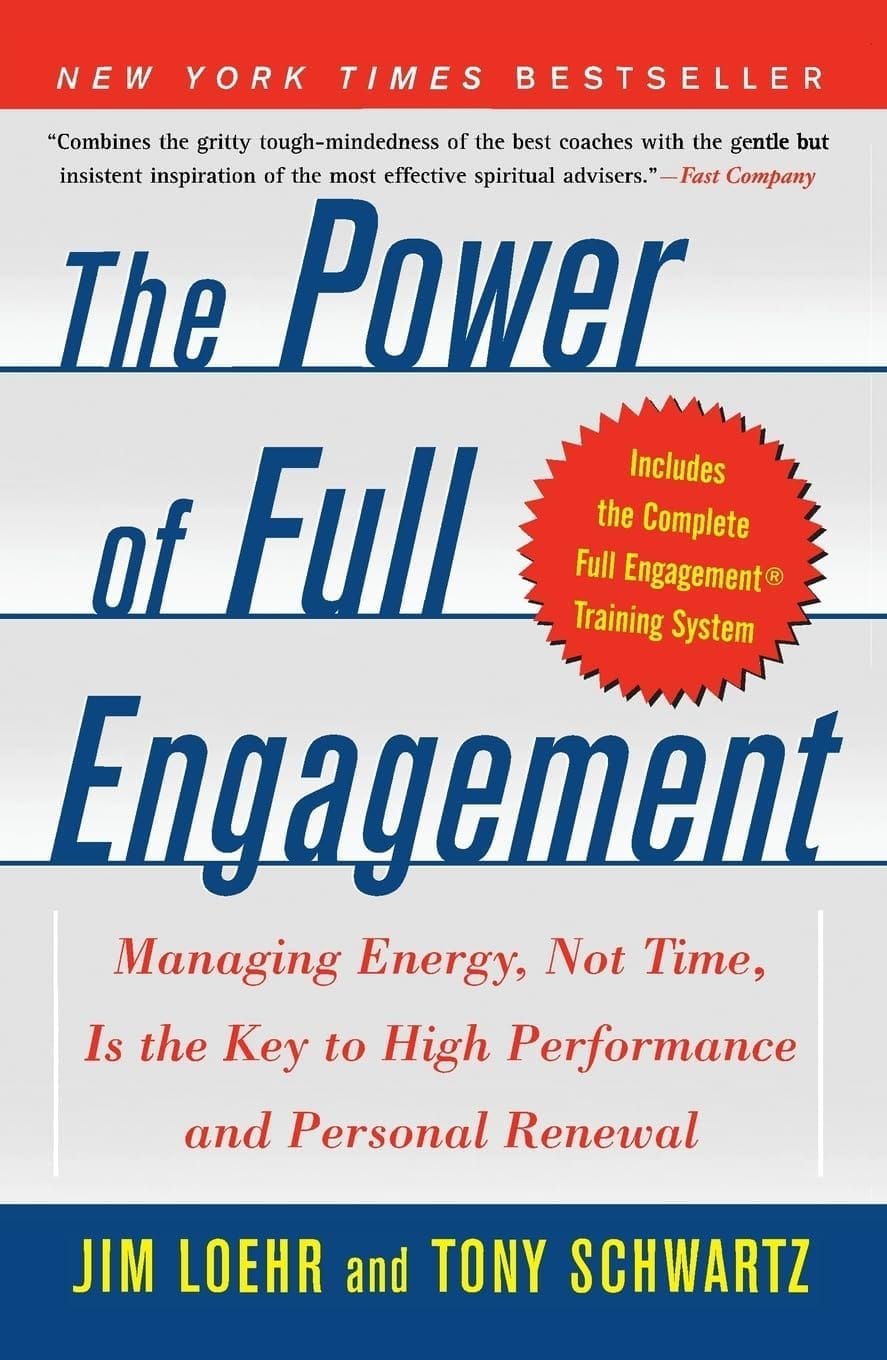
The Power of Full Engagement
Success isn’t just about managing time — it’s about managing your physical, emotional, mental, and spiritual energy effectively.
Richest Man In Babylon
Simple, timeless financial principles about saving, investing, discipline, and building long-term wealth.

The Strangest Secret
You become what you think about most. Learn how your thoughts shape your success, habits, and future.

The Way to Wealth
Classic lessons on hard work, discipline, frugality, and wise financial stewardship that remain relevant centuries later.

7 Spiritual Laws of Success
Discover spiritual principles that blend purpose, abundance, alignment, and inner peace with external success.

A Message to Garcia
A timeless lesson on initiative, responsibility, reliability, and becoming the kind of person who gets things done without excuses.
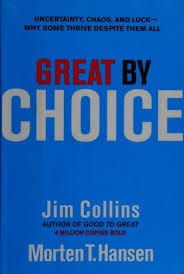
Great by Choice
Learn how exceptional companies succeed even in uncertainty through discipline, preparation, and consistent execution.
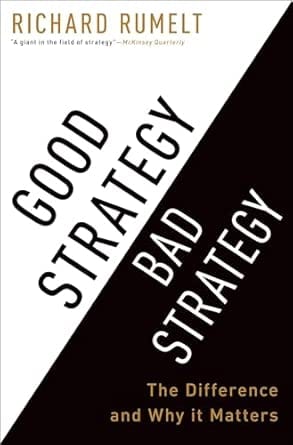
Good Strategy / Bad Strategy
Discover the difference between vague goals and real strategy — and learn how to focus your efforts where they matter most.

Think and Grow Rich
One of the most influential success books ever written — teaching the power of desire, faith, persistence, and focused action.

The Mental Equivalent
Learn how to create the mental and emotional conditions necessary to attract the life and outcomes you desire.

As a Man Thinketh
Your thoughts shape your character, habits, circumstances, and destiny. Master your mind and you transform your life.

The Game of Life
and How to Play It
A practical guide to spiritual laws, affirmations, faith, and aligning your thoughts and words with the life you want to create.

Dollar Success Club
A full system that shows you, step-by-step, how to start a real online business—even if you’re working full-time, even if you’ve never done this before.