
Starting a Website Design and Development Business
Starting a website design and development business in South Africa is a great opportunity, especially as more businesses, organizations, and individuals recognize the importance of having an online presence. With the growing digital landscape, there’s a rising demand for professional websites that are visually appealing, user-friendly, and optimized for performance.
Here’s a step-by-step guide to help you start and grow a successful website design and development business in South Africa.
Business Concept: How It Works
A website design and development business helps clients create websites, ranging from simple informational pages to complex e-commerce platforms. The business serves a wide range of clients, including small businesses, corporate firms, non-profits, and individuals looking for a personal or portfolio website.
Who you're serving:
• Small businesses: Local businesses that need an online presence to attract customers.
• E-commerce stores: Companies looking to sell products or services online.
• Corporates and organizations: Larger firms needing advanced web solutions like content management systems (CMS) or customer portals.
• Individuals: Freelancers, bloggers, or portfolio websites for professionals like photographers, designers, or writers.
What you're selling:
• Custom website design (user interface and user experience design)
• Website development (coding and backend development)
• E-commerce website creation
• Search engine optimization (SEO) services
• Website maintenance and support
• Domain registration and hosting services (if you choose to offer it)
• Custom web applications and content management systems (CMS)
Purpose: Why Start This Kind of Business?
There are several reasons why starting a website design and development business is a smart move:
• Growing digital demand: As more businesses shift online, the demand for professional websites is increasing. Companies need well-designed websites to compete in the digital marketplace.
• Low startup costs: You can start this business with minimal overhead, as most of the work is done online and from home.
• Profit potential: With a good client base, website design can be highly profitable. Websites require continuous updates, maintenance, and new features, leading to recurring income.
• Creative and technical challenge: If you enjoy both creative work and solving technical problems, web design and development offer a perfect blend of these skills.
How to Determine If There’s a Need for This Product/Service?
Before launching your website design business, it’s crucial to assess demand:
• Local business research: Look at small businesses in your area or city. Do they have professional websites? Many local businesses in South Africa are still in need of a good online presence.
• Networking: Engage with local business owners or join business associations. Often, people in your community may not know where to find reliable website design services.
• Online search: Check online platforms like Upwork, Fiverr, or LinkedIn to see what types of web design services are in demand. See what businesses are asking for and what their pain points are when it comes to building websites.
Different Variations of a Website Design and Development Business
There are several ways to structure your website design business:
1. Custom website design: Focus on building fully custom websites tailored to each client’s specific needs.
2. Template-based design: Offer affordable websites built from customizable templates for clients with smaller budgets.
3. E-commerce specialization: Specialize in creating online stores with platforms like Shopify, WooCommerce, or Magento.
4. SEO and marketing-focused websites: Offer services that focus on driving traffic, improving SEO, and increasing conversions, ideal for clients looking to boost their online presence.
5. Full-service digital agency: Offer website design along with additional services like branding, digital marketing, social media management, and graphic design.
Best Location to Operate This Business
The beauty of a website design and development business is that it can be operated from anywhere:
• Home-based office: You can easily run this business from home, reducing overhead costs. All you need is a reliable computer, high-speed internet, and design software.
• Co-working spaces: If you prefer a more collaborative environment, co-working spaces are ideal. Many offer meeting rooms and a professional setup for client meetings.
• Online: Since your business is digital, you can serve clients remotely, meaning you can work with businesses across South Africa or even internationally.
Capital Requirements
Starting a website design business doesn’t require significant capital investment, but there are some essential costs to consider:
• Computer and software: You’ll need a powerful computer (R10,000 to R30,000 depending on your requirements) and design software like Adobe Creative Suite or Figma. Software subscriptions may cost R500 to R1,000 per month.
• Website hosting and domain: You’ll need to create your own professional website to showcase your portfolio. Website hosting costs R100 to R500 per month, and domain registration costs about R100 to R300 per year.
• Marketing: Set aside R1,000 to R5,000 for marketing, including social media ads, SEO, and building a professional portfolio website.
In total, you can start this business with R10,000 to R50,000, depending on your equipment and marketing needs.
How to Start Part-Time and Grow Into Full-Time
Starting part-time is a smart way to build a client base before transitioning to full-time:
• Freelance work: Begin by freelancing on platforms like Upwork, Fiverr, or LinkedIn. This will allow you to get clients and build a portfolio while still working another job.
• Network with local businesses: Reach out to small businesses or friends and family who may need website design services. Offer discounts or free initial consultations to get your first few clients.
• Expand your services: As your client base grows and you develop more experience, you can increase your rates and offer more advanced services like custom web applications or e-commerce development. Once you have a steady income, you can move into full-time work.
How Much Money Can You Expect to Make?
Earnings will depend on your rates, the type of services you offer, and how many clients you take on:
• Hourly rates: Web designers typically charge anywhere from R300 to R1,500 per hour in South Africa, depending on experience and expertise.
• Project rates: Basic websites can cost R5,000 to R20,000, while complex, custom websites (e-commerce or web apps) can go for R30,000 to R150,000 or more.
• Monthly earnings: A part-time web designer can earn R10,000 to R30,000 per month, while a full-time designer with a steady flow of clients could see earnings between R30,000 and R100,000+ per month, depending on the type of projects.
Equipment, Tools, and Resources for Success
To run a successful website design and development business, you’ll need:
• Powerful computer: A laptop or desktop capable of handling design and development work. A good-quality computer is essential for running design software smoothly.
• Design software: Tools like Adobe XD, Figma, or Sketch for creating web layouts, and Photoshop for graphic design. Also, you'll need coding tools like Visual Studio Code for development.
• Project management tools: Tools like Trello, Asana, or Monday.com to manage client projects and deadlines.
• Hosting and domain services: If you offer hosting as part of your service, you’ll need to partner with a reliable hosting provider like Xneelo or Afrihost.
Employees, Insurance, and Legislative Issues
As your business grows, you may need to hire additional staff:
• Designers and developers: If demand increases, you can hire junior designers or developers to help with client projects.
• Freelancers or contractors: Consider outsourcing tasks like content writing, SEO, or specific coding jobs to freelancers to save time and costs.
Insurance: Consider getting business liability insurance to protect against potential client disputes or errors in your work. This can be especially useful if you’re handling large corporate clients.
Legislation: Register your business with the CIPC (Companies and Intellectual Property Commission) and ensure you’re tax-compliant with SARS. If you’re working with client data (such as e-commerce websites), you’ll also need to comply with POPIA (Protection of Personal Information Act).
Potential Obstacles to Look Out For
1. Client expectations: Clients may have unrealistic expectations in terms of budget, timeline, or features. Clear communication is essential to avoid misunderstandings.
2. High competition: Website design is a competitive field. To succeed, you’ll need to differentiate yourself through unique design skills, excellent customer service, or specialized services.
3. Technology changes: Web design and development technologies change quickly, so you’ll need to keep learning and stay up to date with the latest trends, frameworks, and tools.
Future Expansion Opportunities
Once your web design business is established, there are several ways to expand:
• Full-service agency: Expand into other areas like digital marketing, branding, SEO, and content creation to offer a comprehensive service to clients.
• Web app development: Build custom web applications for businesses, allowing you to charge higher fees for more complex projects.
• Offer training or courses: Once you’re established, you could offer web design and development training, either through online courses or workshops.
• International clients: Since web development is a global service, you can easily expand to serve international clients, especially in countries like the US or UK, where rates are higher.
Skills, Training, and Leadership Traits Business Owners Must Possess
To succeed in the website design and development business, you’ll need:
• Design skills: You must understand design principles, including user experience (UX) and user interface (UI) design.
• Technical skills: Know how to code in languages like HTML, CSS, JavaScript, and be familiar with CMS platforms like WordPress or Shopify.
• Project management: Being able to manage multiple client projects, meet deadlines, and deliver quality work on time is essential.
• Communication and sales: Selling your services and maintaining clear communication with clients is key to building long-term relationships and getting repeat business.
How to Price Products and Services
Pricing depends on the complexity of the project and the value you’re providing:
• Hourly rates: Charge based on your experience and the complexity of the work. Beginners may start at R300 to R600 per hour, while experienced designers can charge R800 to R1,500 per hour.
• Project-based pricing: For small businesses or individuals, package pricing can range from R5,000 to R20,000 for a basic website. Custom e-commerce sites can cost anywhere from R30,000 to R100,000+.
• Retainers and maintenance: Offer monthly maintenance packages where clients pay a fixed fee for updates and support. This could range from R1,000 to R5,000 per month, depending on the level of service.
How to Stand Out from the Competition
To stand out in a competitive industry, focus on:
• Niche expertise: Specialize in a specific industry (e.g., e-commerce, real estate, or healthcare websites) to differentiate your services and build a reputation as an expert.
• Offer a complete package: Provide value-added services like SEO, digital marketing, or branding alongside website development.
• Excellent customer service: Many clients look for responsive and reliable designers. Ensuring smooth communication and offering ongoing support will help you build a strong reputation.
• Create a strong portfolio: Showcase your best work on your website. A strong portfolio with case studies and testimonials from happy clients will attract new business.
Marketing Avenues to Attract Customers
Effective marketing is key to growing your business:
• Social media marketing: Use platforms like LinkedIn, Instagram, and Facebook to showcase your work, share design tips, and promote your services.
• Google Ads and SEO: Invest in search engine optimization (SEO) for your website and consider running Google Ads to attract potential clients searching for web designers.
• Networking: Attend local business events, join online business groups, and connect with other professionals who may refer clients to you.
• Email marketing: Build an email list of past clients and send out newsletters with web design tips, special offers, or updates about your services.
Starting a website design and development business in South Africa offers incredible potential as the digital landscape continues to grow. With a combination of creative design, technical expertise, and a strong marketing strategy, you can build a successful business that serves a wide range of clients and grows with time. Whether you start part-time or jump in full-time, the opportunities for expansion and profitability are significant in this ever-evolving industry.
Joined Dollar Success Club?
This is a community for people who want to:
• Start an online business
• Build multiple income streams
• Learn marketing and sales
• Turn ideas into profitable systems
Join the community here:
https://www.successclub.co.za/dollar
What You Miss By Not Joining Dollar Success Club...
Free practical action-based workbooks designed to help you apply powerful success principles immediately.
Topics include:
Mindset, Wealth, Discipline, Spirituality, Productivity, Purpose, Relationships, and so much more...

How to Win Friends and Influence People
Learn the timeless people skills that open doors, build influence, strengthen relationships, and help you succeed in business and life without manipulation or force.

Five Steps to Successful Selling
Master the foundations of persuasion, confidence, and ethical selling so you can close more deals, grow your income, and serve customers more effectively.

Acres of Diamonds
Discover how the opportunities you’ve been searching for may already exist right where you are — hidden in your skills, experiences, and environment.

Ask and It Is Given
Learn how your thoughts, emotions, and expectations shape your reality — and how to deliberately attract better outcomes into your life.

Awaken the Giant Within
Take control of your mindset, emotions, finances, and habits so you can unlock the power and potential already inside you.

Book of Proverbs
Timeless wisdom on discipline, money, relationships, leadership, and decision-making — practical success principles that still apply today.

I Moved Your Cheese
A simple but powerful lesson on challenging paradigms, overcoming fear, and rethinking the status quo in an ever-changing world.

Peaks and Valleys
Learn how to navigate life’s highs and lows wisely — and how difficult seasons can become stepping stones to greater success.

Secrets of the Millionaire Mind
Discover the hidden money beliefs shaping your financial life — and how to reprogram your mindset for wealth and abundance.

Switch
Understand why change is difficult — and learn practical strategies to successfully change habits, behaviors, and results.

The Compound Effect
Small daily actions may seem insignificant, but over time they create extraordinary results in wealth, health, and success.

The Four Agreements
Four simple but life-changing principles to help you experience greater peace, freedom, confidence, and healthier relationships.
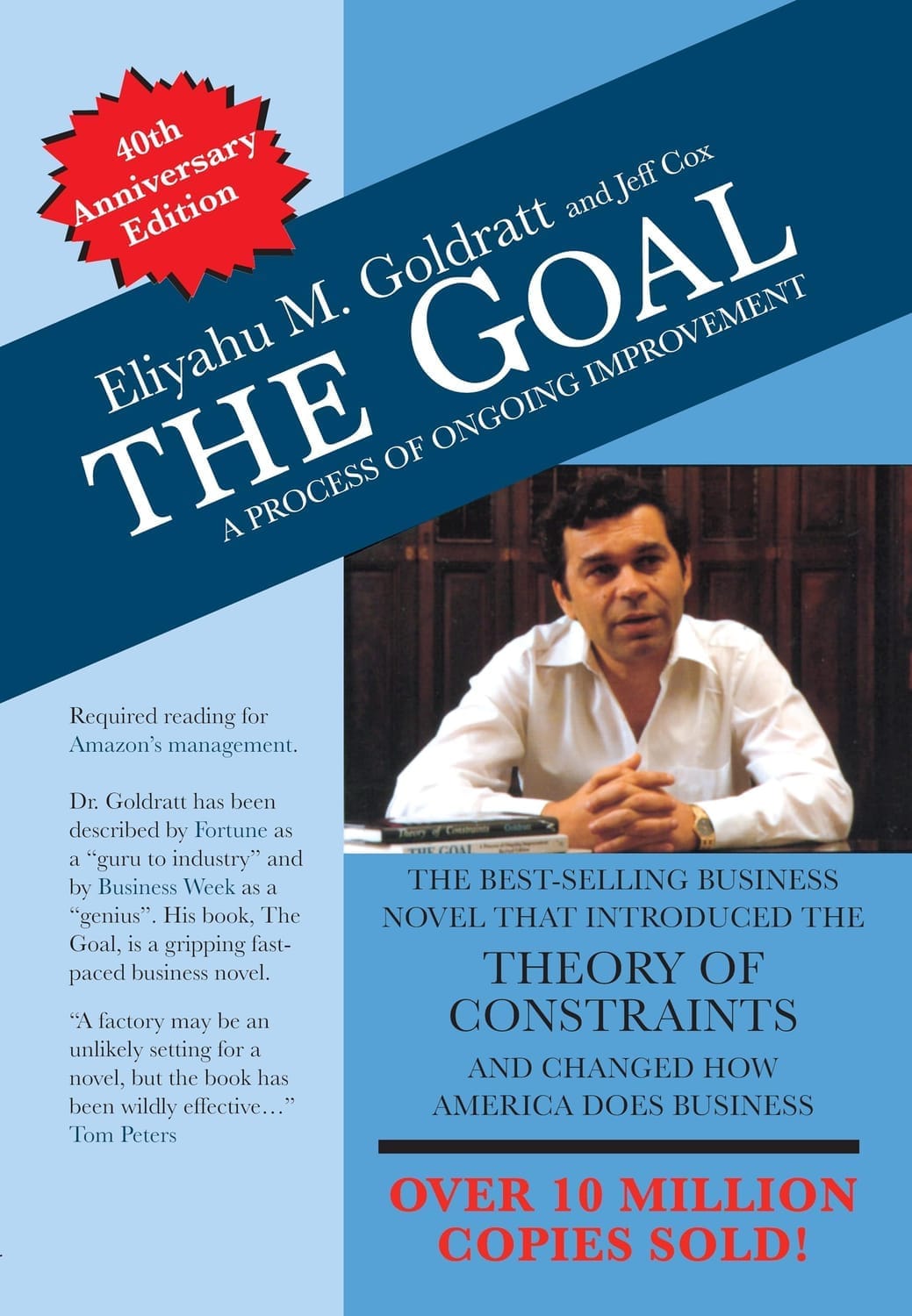
The Goal
A powerful business novel that teaches you how to identify bottlenecks, improve productivity, and focus on what truly drives results.

The Millionaire Booklet
A practical wake-up call about money, ambition, and the mindset required to escape financial struggle and pursue wealth seriously.
The One Thing
Learn how focusing on the most important task can dramatically improve your productivity, results, and quality of life.
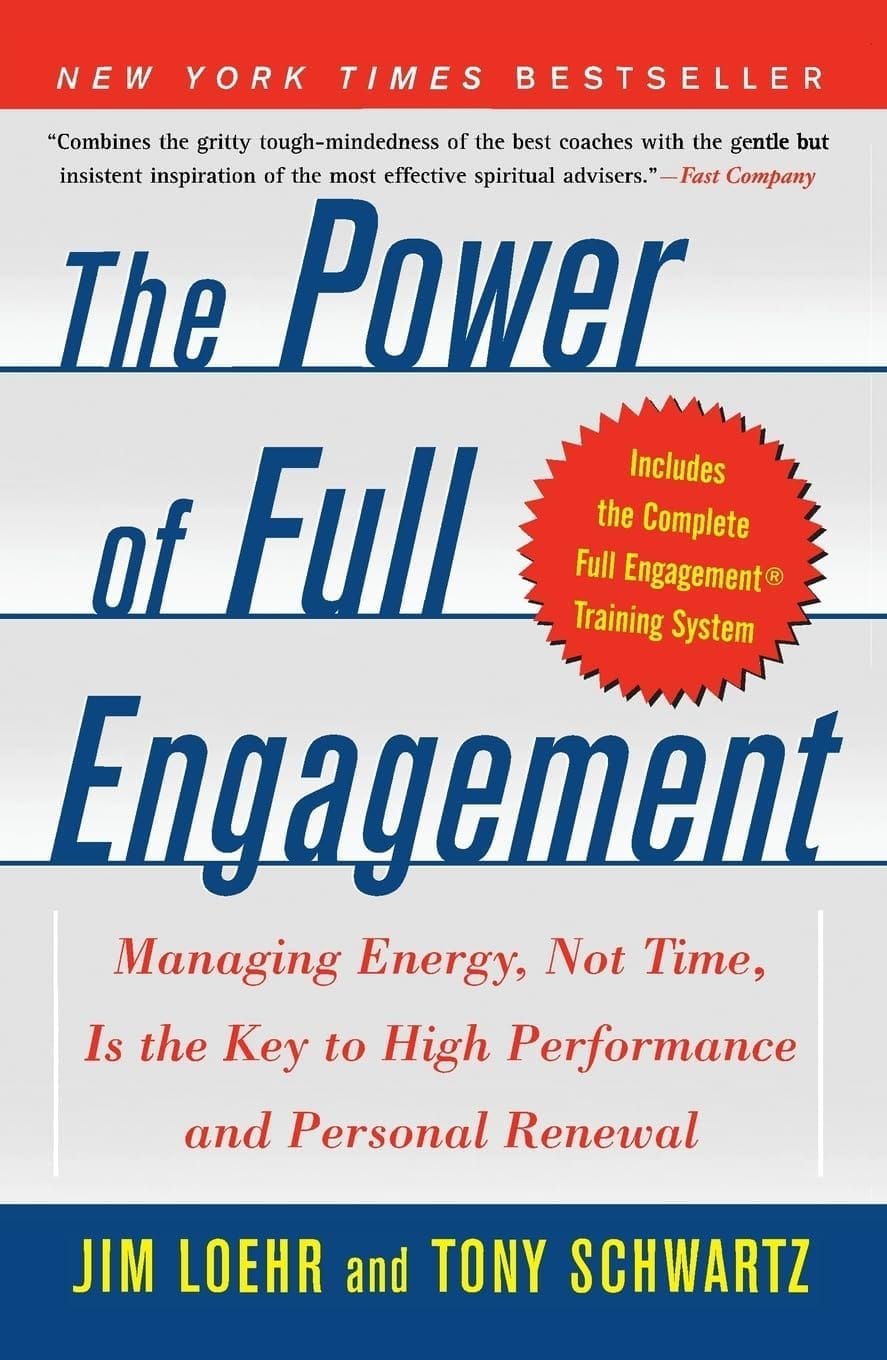
The Power of Full Engagement
Success isn’t just about managing time — it’s about managing your physical, emotional, mental, and spiritual energy effectively.
Richest Man In Babylon
Simple, timeless financial principles about saving, investing, discipline, and building long-term wealth.

The Strangest Secret
You become what you think about most. Learn how your thoughts shape your success, habits, and future.

The Way to Wealth
Classic lessons on hard work, discipline, frugality, and wise financial stewardship that remain relevant centuries later.

7 Spiritual Laws of Success
Discover spiritual principles that blend purpose, abundance, alignment, and inner peace with external success.

A Message to Garcia
A timeless lesson on initiative, responsibility, reliability, and becoming the kind of person who gets things done without excuses.

Great by Choice
Learn how exceptional companies succeed even in uncertainty through discipline, preparation, and consistent execution.

Good Strategy / Bad Strategy
Discover the difference between vague goals and real strategy — and learn how to focus your efforts where they matter most.

Think and Grow Rich
One of the most influential success books ever written — teaching the power of desire, faith, persistence, and focused action.

The Mental Equivalent
Learn how to create the mental and emotional conditions necessary to attract the life and outcomes you desire.

As a Man Thinketh
Your thoughts shape your character, habits, circumstances, and destiny. Master your mind and you transform your life.

The Game of Life
and How to Play It
A practical guide to spiritual laws, affirmations, faith, and aligning your thoughts and words with the life you want to create.
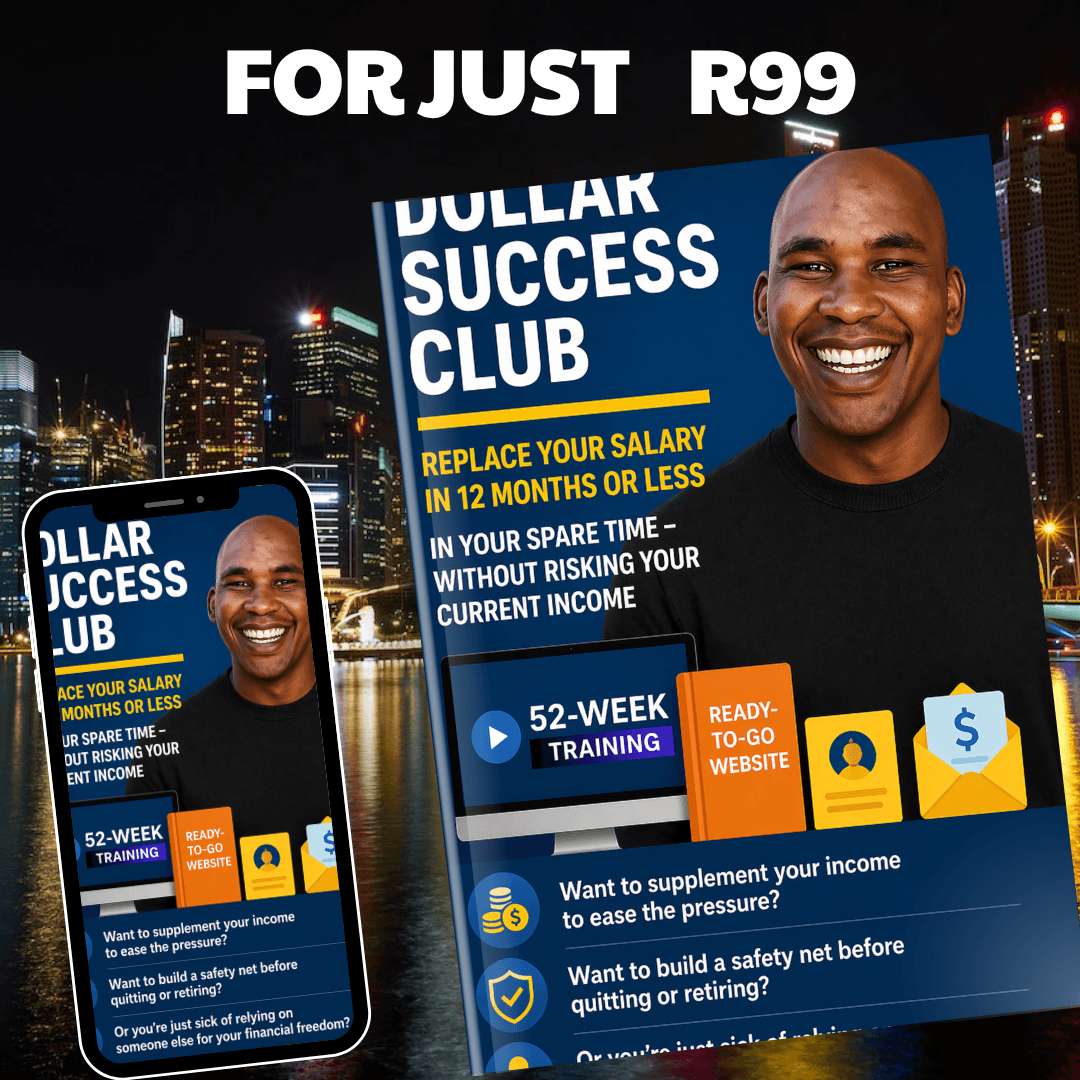
Dollar Success Club
A full system that shows you, step-by-step, how to start a real online business—even if you’re working full-time, even if you’ve never done this before.