
Starting a Video Arcade Business
Starting a video arcade business in South Africa can be an exciting and profitable venture, especially as gaming culture grows in popularity. From classic arcade games to modern virtual reality (VR) experiences, arcades are a space where people can enjoy interactive entertainment in a social setting. With the right planning, location, and mix of games, you can create a hub for gamers of all ages.
Here’s a detailed guide on how to start a video arcade business in South Africa.
Business Concept: How It Works
A video arcade business offers customers the opportunity to play a variety of games, from traditional arcade machines to modern VR setups. Customers either pay per game or by the hour for access to your arcade. Your target market includes children, teenagers, and adults who love gaming, as well as families looking for fun group activities.
Who you're serving:
• Gamers of all ages: People who enjoy video games, ranging from kids to adults.
• Families: Parents and children looking for a fun, interactive outing.
• Corporate clients: Companies hosting team-building events or looking for unique spaces to entertain employees.
• Tourists: Visitors seeking indoor entertainment, especially in popular tourist areas.
What you're selling:
• Access to arcade games (classic and modern)
• VR gaming experiences
• Group packages for parties or corporate events
• Snacks, beverages, and merchandise (optional)
Purpose: Why Start This Kind of Business?
There are several reasons why starting a video arcade business is a great opportunity in South Africa:
• Rising gaming culture: Gaming has become mainstream, and people are looking for spaces to enjoy video games outside of home. Arcades offer a fun, social environment for gamers.
• Affordable entertainment: In a country where entertainment options like movies and theme parks can be expensive, arcades offer an affordable alternative.
• Nostalgia: Many adults enjoy revisiting the classic arcade games they grew up with, making arcades appealing to multiple generations.
• Group activities: Arcades can host birthday parties, team-building events, and family gatherings, providing a fun and engaging space for social interaction.
How to Determine If There’s a Need for This Product/Service?
Before opening a video arcade, it’s important to gauge demand:
• Research local gaming culture: Visit popular gaming venues, LAN centers, and local gaming communities. How popular are video games in your area? What types of games are in demand?
• Survey potential customers: Talk to gamers, parents, and businesses in your community to see if they’d be interested in visiting an arcade. What games or experiences would they want?
• Look for gaps in the market: Identify areas where there are few entertainment options, particularly arcades. This can help you find locations with untapped demand.
Different Variations of a Video Arcade Business
There are different models for a video arcade business, depending on your budget and target audience:
1. Classic arcade: Focus on traditional coin-operated games like pinball, Pac-Man, and Street Fighter. These appeal to nostalgia-driven gamers and older customers.
2. Modern gaming center: Offer a mix of modern gaming consoles, PC setups, and VR experiences. This can attract a younger crowd and gaming enthusiasts.
3. Hybrid arcade: Combine both classic arcade machines with modern VR and gaming setups, catering to a wide audience.
4. Family entertainment center: Along with arcade games, offer attractions like mini-golf, laser tag, or a small play area for younger kids.
5. E-sports and LAN center: Set up gaming PCs and consoles for e-sports tournaments, casual play, and group gaming events.
Best Location to Operate This Business
The location of your arcade is critical for success:
• Shopping malls: Malls have high foot traffic and are popular with families, teenagers, and tourists. Being in a mall can attract casual gamers and shoppers looking for entertainment.
• Tourist areas: If you’re in a city with a lot of tourists, setting up in a busy tourist district can draw in visitors looking for indoor activities.
• Near schools or universities: Proximity to schools and universities can attract students, especially if you offer affordable pricing and popular games.
• Standalone location: If you can’t afford a prime retail location, consider a standalone arcade in an accessible area with parking.
Capital Requirements
Starting a video arcade can require a significant upfront investment, depending on the scale of your business and the type of games you plan to offer:
• Arcade machines: Traditional arcade machines cost R15,000 to R50,000 each, depending on whether they are new or second-hand. Modern VR setups or gaming consoles can cost more.
• VR equipment: A basic VR gaming setup can range from R20,000 to R60,000 per station, depending on the quality of the equipment.
• Venue rental: Renting a space in a mall or high-traffic area could cost R15,000 to R50,000 per month, depending on the location and size.
• Interior setup: You’ll need to budget for interior design, seating, and gaming stations, which could cost R20,000 to R50,000.
• Marketing: Allocate R5,000 to R10,000 for marketing your arcade, including social media ads, flyers, and a website.
In total, you could need anywhere from R100,000 to R500,000 to start a small to mid-sized arcade, depending on the scope of your business.
How to Start Part-Time and Grow Into Full-Time
Starting part-time allows you to test the market and manage risk:
• Host pop-up arcades: Rent small spaces at local malls, fairs, or events and set up a temporary arcade with a few machines. This lets you test demand without a long-term commitment.
• Offer mobile VR experiences: Start by offering VR gaming experiences at events, parties, or corporate functions. This allows you to build a customer base and generate income before opening a permanent location.
• Expand gradually: Once you’ve built a loyal customer base and generated steady revenue, you can invest in more machines and eventually open a full-time arcade.
How Much Money Can You Expect to Make?
The earnings potential of a video arcade business will depend on factors like location, customer volume, and pricing:
• Daily earnings: If you charge R5 to R15 per game or R100 to R200 per hour for VR experiences, you could earn R2,000 to R10,000 per day, depending on foot traffic and customer interest.
• Monthly earnings: A small arcade in a busy area could generate R50,000 to R150,000 per month, while a larger arcade with multiple attractions could see monthly earnings of R200,000 to R500,000.
Equipment, Tools, and Resources for Success
To run a successful video arcade, you’ll need:
• Arcade machines and consoles: A mix of classic and modern games, including VR stations if you’re offering a high-tech experience.
• Payment system: A coin-operated system for traditional arcade games or a point-of-sale (POS) system for hourly payments and game cards.
• Maintenance tools: Basic tools for repairing and maintaining arcade machines and gaming equipment.
• Security and surveillance: Install CCTV cameras to monitor the arcade and prevent theft or damage to expensive equipment.
Employees, Insurance, and Legislative Issues
As your business grows, you’ll need to hire staff and handle legal matters:
• Arcade attendants: Hire attendants to manage the floor, assist customers, and troubleshoot any issues with machines.
• Event staff: If you host parties or corporate events, you may need part-time staff to help organize and run these events.
Insurance: You’ll need business insurance to cover your equipment and premises, as well as public liability insurance in case customers are injured while on your property.
Legislation: Register your business with the CIPC (Companies and Intellectual Property Commission) and comply with SARS tax regulations. If you serve snacks or beverages, you may need additional health and safety permits.
Potential Obstacles to Look Out For
1. High maintenance costs: Arcade machines can break down frequently, especially older models. Regular maintenance is crucial to keeping them operational and reducing downtime.
2. Fluctuating foot traffic: The success of your arcade can depend on location and the time of year. For example, malls might be busier during school holidays, but quieter during exam periods.
3. Competition: Depending on your location, you may be competing with online gaming, home consoles, or other forms of entertainment like cinemas or bowling alleys.
4. Game licensing: Some arcade games may require you to pay for licensing or rental fees, which can add to your costs.
Future Expansion Opportunities
Once your arcade is established, there are several ways to grow your business:
• Host tournaments and events: Organize gaming tournaments or e-sports competitions to draw in large crowds. Offering prizes can also boost participation.
• Expand into other entertainment options: Add attractions like laser tag, mini-golf, or escape rooms to create a full-fledged entertainment center.
• Open more locations: If your first arcade is successful, consider opening additional locations in other malls or tourist areas.
• Franchise your business: If your arcade model proves profitable, you could franchise it to other entrepreneurs looking to start similar businesses.
Skills, Training, and Leadership Traits Business Owners Must Possess
To run a successful video arcade business, you’ll need:
• Technical skills: Understanding how to repair and maintain arcade machines and gaming equipment is crucial to keeping your arcade running smoothly.
• Customer service: Building relationships with your customers and ensuring they have a great experience will keep them coming back. Staff must also be well-trained in assisting players.
• Marketing and sales: Promoting your arcade and running special events or promotions can drive foot traffic and build brand awareness.
• Business management: Managing expenses, tracking inventory, and ensuring your arcade remains profitable are essential skills for long-term success.
How to Price Products and Services
Pricing will depend on the type of games and experiences you offer:
• Per-game pricing: Traditional arcade games can be priced at R5 to R15 per game, depending on the type and popularity of the game.
• Hourly rates: For VR gaming or console-based setups, charge customers R100 to R200 per hour, depending on the experience.
• Event packages: Offer group or party packages that include game time, snacks, and exclusive use of the arcade for R500 to R2,000 depending on the size of the group.
How to Stand Out from the Competition
To differentiate your arcade from others, consider these strategies:
• Unique games and experiences: Offer rare or hard-to-find arcade machines, or focus on a specific niche, such as retro gaming or VR.
• Engage with the gaming community: Host tournaments, gaming nights, or themed events to attract regular visitors and build a community around your arcade.
• Excellent customer service: Create a welcoming, fun environment where staff are friendly and knowledgeable. Great service leads to repeat business.
• Promote nostalgia: Use the appeal of retro games to attract older customers looking to relive their youth, while also introducing new generations to classic arcade games.
Marketing Avenues to Attract Customers
Effective marketing is key to growing your customer base:
• Social media: Use Instagram, Facebook, and TikTok to showcase your arcade, post about new games or events, and engage with your audience.
• Google Ads and SEO: Invest in search engine optimization (SEO) for your website, and run Google Ads targeting keywords like “video arcade in [city]” to attract local traffic.
• Flyers and posters: Distribute flyers in malls, schools, and community centers to raise awareness of your arcade.
• Partnerships: Collaborate with local schools, businesses, or event organizers to host team-building days, school trips, or corporate events.
Starting a video arcade business in South Africa presents a fun and profitable opportunity to tap into the growing gaming culture. With a well-planned location, the right mix of games, and a focus on creating an enjoyable experience, you can build a successful arcade that attracts both casual gamers and serious enthusiasts. Whether you’re starting small or aiming to create a full-scale entertainment center, the potential for growth and profitability in this industry is strong.
Joined Dollar Success Club?
This is a community for people who want to:
• Start an online business
• Build multiple income streams
• Learn marketing and sales
• Turn ideas into profitable systems
Join the community here:
https://www.successclub.co.za/dollar
What You Miss By Not Joining Dollar Success Club...
Free practical action-based workbooks designed to help you apply powerful success principles immediately.
Topics include:
Mindset, Wealth, Discipline, Spirituality, Productivity, Purpose, Relationships, and so much more...

How to Win Friends and Influence People
Learn the timeless people skills that open doors, build influence, strengthen relationships, and help you succeed in business and life without manipulation or force.

Five Steps to Successful Selling
Master the foundations of persuasion, confidence, and ethical selling so you can close more deals, grow your income, and serve customers more effectively.

Acres of Diamonds
Discover how the opportunities you’ve been searching for may already exist right where you are — hidden in your skills, experiences, and environment.

Ask and It Is Given
Learn how your thoughts, emotions, and expectations shape your reality — and how to deliberately attract better outcomes into your life.

Awaken the Giant Within
Take control of your mindset, emotions, finances, and habits so you can unlock the power and potential already inside you.

Book of Proverbs
Timeless wisdom on discipline, money, relationships, leadership, and decision-making — practical success principles that still apply today.

I Moved Your Cheese
A simple but powerful lesson on challenging paradigms, overcoming fear, and rethinking the status quo in an ever-changing world.

Peaks and Valleys
Learn how to navigate life’s highs and lows wisely — and how difficult seasons can become stepping stones to greater success.

Secrets of the Millionaire Mind
Discover the hidden money beliefs shaping your financial life — and how to reprogram your mindset for wealth and abundance.

Switch
Understand why change is difficult — and learn practical strategies to successfully change habits, behaviors, and results.

The Compound Effect
Small daily actions may seem insignificant, but over time they create extraordinary results in wealth, health, and success.

The Four Agreements
Four simple but life-changing principles to help you experience greater peace, freedom, confidence, and healthier relationships.
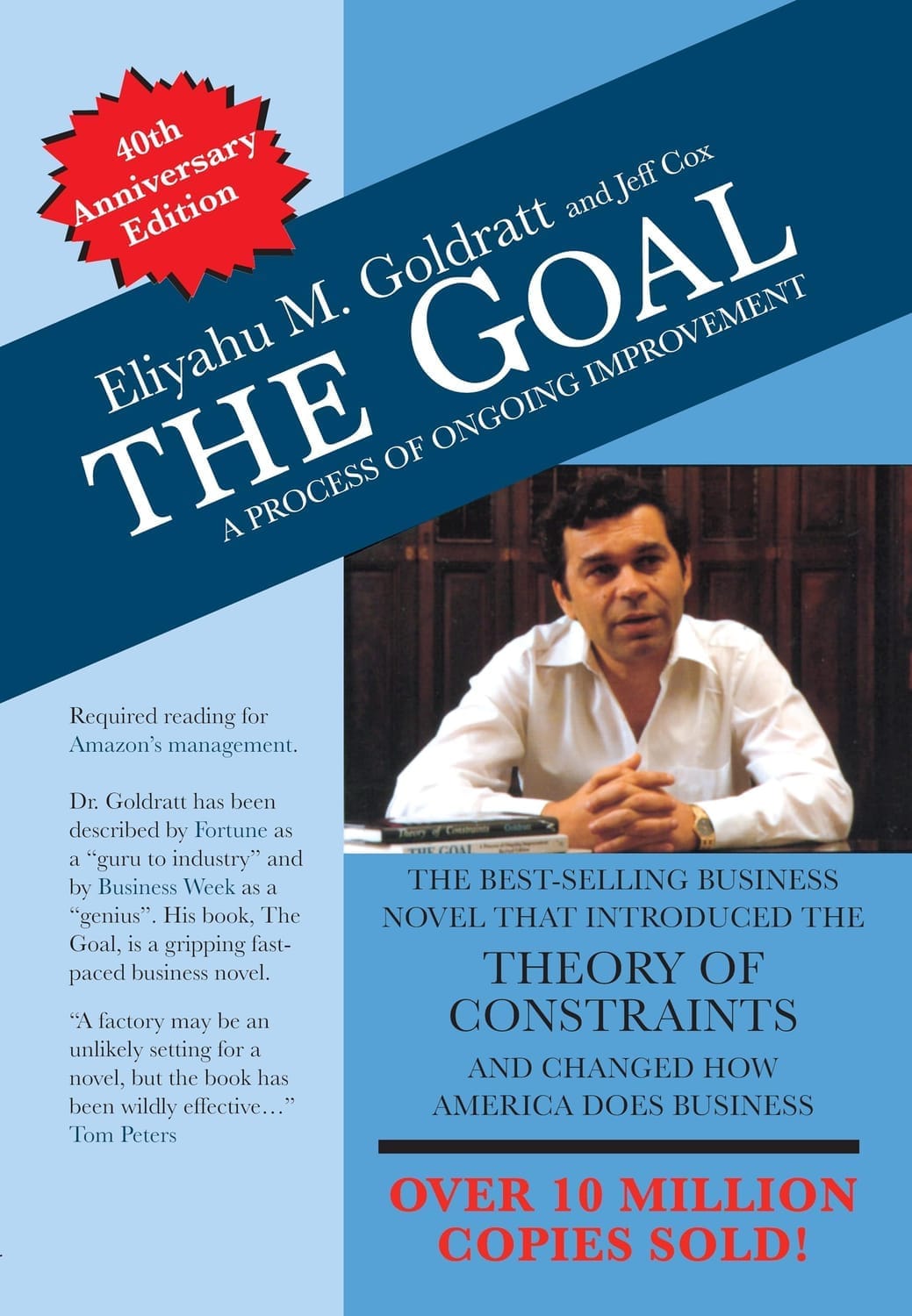
The Goal
A powerful business novel that teaches you how to identify bottlenecks, improve productivity, and focus on what truly drives results.

The Millionaire Booklet
A practical wake-up call about money, ambition, and the mindset required to escape financial struggle and pursue wealth seriously.
The One Thing
Learn how focusing on the most important task can dramatically improve your productivity, results, and quality of life.
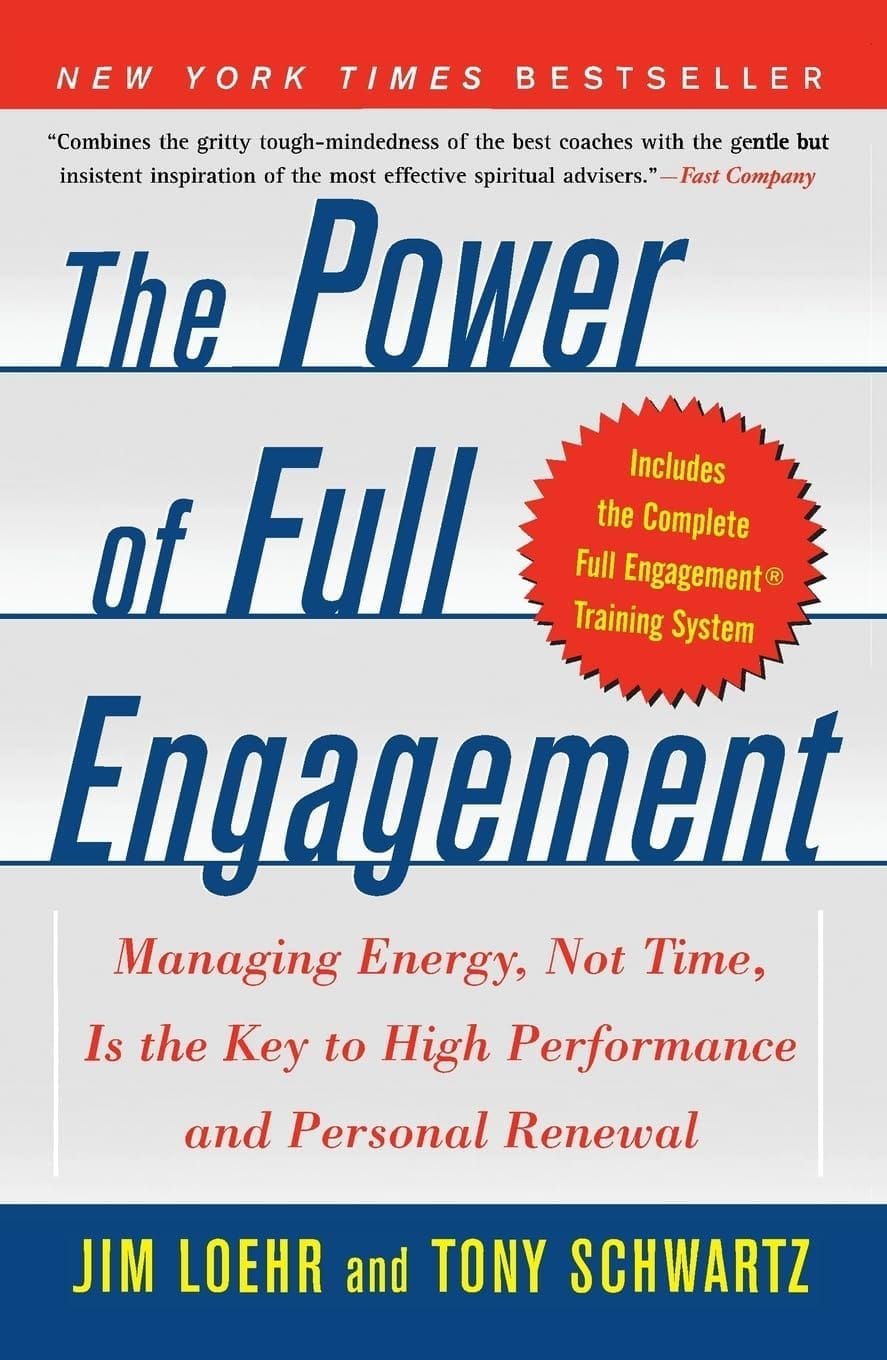
The Power of Full Engagement
Success isn’t just about managing time — it’s about managing your physical, emotional, mental, and spiritual energy effectively.
Richest Man In Babylon
Simple, timeless financial principles about saving, investing, discipline, and building long-term wealth.

The Strangest Secret
You become what you think about most. Learn how your thoughts shape your success, habits, and future.

The Way to Wealth
Classic lessons on hard work, discipline, frugality, and wise financial stewardship that remain relevant centuries later.

7 Spiritual Laws of Success
Discover spiritual principles that blend purpose, abundance, alignment, and inner peace with external success.

A Message to Garcia
A timeless lesson on initiative, responsibility, reliability, and becoming the kind of person who gets things done without excuses.

Great by Choice
Learn how exceptional companies succeed even in uncertainty through discipline, preparation, and consistent execution.
Good Strategy / Bad Strategy
Discover the difference between vague goals and real strategy — and learn how to focus your efforts where they matter most.

Think and Grow Rich
One of the most influential success books ever written — teaching the power of desire, faith, persistence, and focused action.

The Mental Equivalent
Learn how to create the mental and emotional conditions necessary to attract the life and outcomes you desire.

As a Man Thinketh
Your thoughts shape your character, habits, circumstances, and destiny. Master your mind and you transform your life.

The Game of Life
and How to Play It
A practical guide to spiritual laws, affirmations, faith, and aligning your thoughts and words with the life you want to create.

Dollar Success Club
A full system that shows you, step-by-step, how to start a real online business—even if you’re working full-time, even if you’ve never done this before.