
Starting a Toy Kiosk Business
Opening a toy kiosk in South Africa can be a fun and profitable venture, especially if you enjoy working with children and families. Toy kiosks offer a wide range of products, from educational toys to trendy gadgets, and are typically located in busy shopping malls, markets, or high-traffic areas. If you're thinking of tapping into the growing demand for toys, here's a detailed guide on how to start a toy kiosk business.
Business Concept: How It Works
A toy kiosk operates as a small, easily accessible retail space where customers can purchase toys and related products. It’s typically set up in busy malls, outdoor markets, or tourist areas where foot traffic is high, making it a convenient option for parents, gift shoppers, and children.
Who you're serving:
• Children: Kids who are naturally drawn to toys, whether for entertainment or learning purposes.
• Parents: Parents looking for educational or entertaining toys for their children.
• Gift shoppers: People looking for presents for birthdays, holidays, or special occasions.
• Tourists: Families traveling with kids, who often seek out toys and souvenirs.
What you're selling:
• Educational toys (puzzles, building blocks, STEM kits)
• Action figures, dolls, and collectible items
• Remote-controlled cars, drones, and electronic toys
• Plush toys and stuffed animals
• Seasonal or trendy toys (e.g., fidget spinners, slime)
• Games, puzzles, and arts & crafts kits
Purpose: Why Start This Kind of Business?
There are several compelling reasons to start a toy kiosk business:
• High demand: Toys are a staple for children, and parents are always on the lookout for new, exciting, or educational products for their kids.
• Low entry costs: Compared to opening a full retail store, kiosks require less space and lower startup costs, making them a more accessible business opportunity.
• Seasonal sales: Toys tend to sell especially well during holiday seasons, birthday months, and school breaks, creating opportunities for high sales during peak periods.
• Flexibility: Operating a kiosk allows you to test the market, move locations if needed, and grow into a larger business over time.
How to Determine If There’s a Need for This Product/Service
Before you start, it’s important to determine whether there’s demand for your toy kiosk:
• Market research: Visit shopping malls, markets, and stores in your area to see what kinds of toys are popular and what customers are buying. Observe the foot traffic at existing toy stores or kiosks.
• Survey local parents: Speak to parents and ask what kinds of toys they typically buy for their children and where they prefer to shop.
• Check online trends: Look at the latest toy trends on social media or e-commerce platforms like Takealot and Loot to see what’s in demand.
Different Variations of a Toy Kiosk Business
There are several ways to structure your toy kiosk business, depending on your target market and interests:
1. Educational toy kiosk: Focus on selling toys that promote learning, such as puzzles, building blocks, and STEM (Science, Technology, Engineering, Mathematics) kits.
2. Seasonal toy kiosk: Stock toys that are relevant to holidays and special occasions, such as Christmas-themed toys, back-to-school items, or birthday gifts.
3. Specialty toys: Cater to specific interests like action figures, collectible items, or pop culture-themed toys for kids who are passionate about movies, comics, or TV shows.
4. Eco-friendly toy kiosk: Offer sustainable, wooden, or eco-friendly toys for environmentally conscious parents and kids.
5. Interactive toy kiosk: Sell electronic or interactive toys, such as remote-controlled cars, drones, and gaming gadgets that appeal to tech-savvy children.
Best Location to Operate This Business
Location is key to the success of a toy kiosk, as you want to attract high foot traffic, especially from families with children:
• Shopping malls: Malls are ideal due to the heavy foot traffic, especially during weekends and holidays. Look for kiosks near popular family destinations like cinemas, food courts, or children’s clothing stores.
• Tourist areas: Set up in tourist-heavy locations such as coastal towns, amusement parks, or near famous landmarks where families with kids are likely to shop for souvenirs.
• Markets and events: Consider placing your kiosk at weekend markets, festivals, or special events like school fairs or Christmas markets, which often attract large crowds.
Capital Requirements
Starting a toy kiosk doesn’t require a large upfront investment, but you will need capital for inventory, kiosk setup, and marketing:
• Kiosk rental: Rent for a small kiosk space in a shopping mall can range from R5,000 to R20,000 per month, depending on location and mall size.
• Stock inventory: You’ll need to invest in an initial stock of toys, which could range from R10,000 to R30,000, depending on the variety and quantity of toys you plan to sell.
• Display and setup: A well-organized display is crucial for attracting customers. Budget R5,000 to R10,000 for shelves, signage, and decorative items that make your kiosk visually appealing.
• Marketing materials: Flyers, posters, and social media ads will help promote your kiosk. Set aside R2,000 to R5,000 for initial marketing efforts.
In total, starting costs could range from R20,000 to R50,000 depending on the scale of your operation.
How to Start Part-Time and Grow Into Full-Time
If you want to start small and test the market, you can begin by operating part-time:
• Start at weekend markets: Open your toy kiosk at weekend markets or local events where you can assess demand and get a feel for the type of toys that sell well.
• Seasonal operation: Consider operating your kiosk seasonally during busy shopping periods, such as during the December holidays or Easter, when toy sales are highest.
• Expand to full-time: Once you’ve built a loyal customer base and have a good understanding of the market, you can transition to operating full-time in a more permanent location, like a shopping mall.
How Much Money Can You Expect to Make?
Your income will depend on your location, the products you sell, and how well you market your toy kiosk:
• Average sale price: Toys typically range from R50 to R500, depending on the type and brand. Specialty items or larger toys may go for higher prices.
• Daily sales: In high-traffic areas, you could sell 20 to 50 toys per day, especially on weekends or during holiday seasons.
• Monthly earnings: A successful kiosk could generate R15,000 to R50,000 in sales per month, depending on the season and location.
On average, a well-run toy kiosk can generate R100,000 to R300,000 annually, with much of the revenue concentrated around peak seasons.
Equipment, Tools, and Resources for Success
To run a successful toy kiosk, you’ll need the following equipment and tools:
• Kiosk display: Shelves, racks, and bins to display toys attractively and accessibly.
• Point of Sale (POS) system: A cash register or mobile POS system to handle transactions, track inventory, and provide receipts.
• Packaging: Bags, gift wrap, and packaging materials, especially if you’re catering to customers buying toys as gifts.
• Marketing materials: Banners, signage, and promotional flyers to advertise your products and attract foot traffic.
• Inventory management tools: Keep track of stock levels and sales using basic software like Square or Shopify, or even spreadsheets if you’re just starting out.
Employees, Insurance, and Legislative Issues
As your toy kiosk grows, you may need extra hands:
• Sales assistants: If your kiosk is busy, you’ll need staff to help manage customers, stock shelves, and handle sales during peak times.
• Part-time help: During holiday seasons or school breaks, hire part-time workers to help manage the increased traffic.
Insurance: Consider getting public liability insurance to cover accidents or injuries that might occur at your kiosk. Product liability insurance is also a good idea in case any toys you sell cause harm.
Legislation: Make sure your business is registered with the CIPC (Companies and Intellectual Property Commission), and comply with SARS tax regulations. Ensure that your toys meet safety standards and regulations, especially for young children.
Potential Obstacles to Look Out For
1. Seasonal fluctuations: Toy sales can be highly seasonal, with most of your revenue concentrated around holidays like Christmas, Easter, or back-to-school shopping.
2. Competition: Depending on your location, you may face competition from larger retailers or nearby toy stores. Offering unique or trending toys can help you stand out.
3. Stock management: Managing your inventory effectively is key to avoiding overstocking or running out of popular items during peak shopping periods.
4. High rental costs: Renting space in prime locations can be expensive. Make sure you negotiate rental agreements and find the best possible location for your budget.
Future Expansion Opportunities
Once your toy kiosk is established, you can explore several ways to grow your business:
• Multiple locations: Open kiosks in other malls or markets to expand your reach and customer base.
• Online store: Launch an e-commerce store where you sell toys online, giving you access to a wider market across South Africa.
• Franchise opportunities: If your kiosk business is successful, you could franchise the concept, allowing others to open toy kiosks under your brand.
• Exclusive partnerships: Partner with toy manufacturers to sell exclusive or branded toys that aren’t available in larger chain stores, giving your business a unique selling point.
Skills, Training, and Leadership Traits Business Owners Must Possess
To succeed in the toy kiosk business, you’ll need the following skills:
• Sales and customer service: Being able to engage with customers, especially children and parents, is key to making sales and creating a positive shopping experience.
• Product knowledge: Knowing which toys are trending, their benefits, and how they work will help you assist customers and recommend products.
• Inventory management: Keeping track of stock levels, knowing when to reorder, and managing seasonal demand will ensure that you don’t run out of popular items.
• Marketing and promotion: Understanding how to market your kiosk through social media, local events, and signage will help you attract more customers.
How to Price Products and Services
Pricing depends on the type of toys you sell, your location, and the purchasing power of your customers:
• Cost-plus pricing: Mark up your toys by 50% to 100% depending on your costs, ensuring you cover expenses like rent and staff wages while still offering competitive prices.
• Seasonal pricing: You can offer discounts or special deals during holiday seasons to attract more shoppers and clear out old stock.
• Bundle deals: Offer bundle pricing, where customers can buy multiple toys at a discount, encouraging larger purchases.
Make sure your prices are competitive with other toy stores in the area, but also factor in the convenience of your location when setting prices.
How to Stand Out from the Competition
In a competitive market, you’ll need to differentiate your toy kiosk:
• Unique product selection: Stock toys that are hard to find in bigger retail stores or focus on specific categories like eco-friendly toys, educational items, or collectible figures.
• Interactive displays: Let children try out toys or set up demonstration areas where they can interact with products, making your kiosk more engaging.
• Excellent customer service: Offer personalized recommendations, gift-wrapping services, and friendly, helpful customer interactions to build loyalty and encourage repeat business.
• Trendy and seasonal toys: Stay up to date with the latest toy trends and ensure your kiosk always has popular items in stock during peak seasons.
Marketing Avenues to Attract Customers
Marketing is crucial to getting customers to visit your toy kiosk:
• Social media: Use platforms like Facebook, Instagram, and TikTok to showcase new arrivals, special deals, and behind-the-scenes content of your kiosk.
• Flyers and posters: Distribute flyers in nearby stores or schools, and use posters around the mall to direct foot traffic to your kiosk.
• Collaborate with schools: Partner with local schools for events like book fairs, toy drives, or fundraisers, where you can offer discounts or sponsor prizes.
• In-store promotions: Offer promotions such as “Buy One, Get One Free” deals, discounts on certain toys, or giveaways during busy shopping periods to encourage sales.
Starting a toy kiosk business in South Africa can be both profitable and enjoyable if done correctly. By choosing the right location, stocking trendy and in-demand toys, and offering excellent customer service, you can build a successful business that brings joy to children and convenience to parents. With some creativity and strategic planning, your toy kiosk could become a go-to destination for families in your area.
Joined Dollar Success Club?
This is a community for people who want to:
• Start an online business
• Build multiple income streams
• Learn marketing and sales
• Turn ideas into profitable systems
Join the community here:
https://www.successclub.co.za/dollar
What You Miss By Not Joining Dollar Success Club...
Free practical action-based workbooks designed to help you apply powerful success principles immediately.
Topics include:
Mindset, Wealth, Discipline, Spirituality, Productivity, Purpose, Relationships, and so much more...

How to Win Friends and Influence People
Learn the timeless people skills that open doors, build influence, strengthen relationships, and help you succeed in business and life without manipulation or force.

Five Steps to Successful Selling
Master the foundations of persuasion, confidence, and ethical selling so you can close more deals, grow your income, and serve customers more effectively.

Acres of Diamonds
Discover how the opportunities you’ve been searching for may already exist right where you are — hidden in your skills, experiences, and environment.

Ask and It Is Given
Learn how your thoughts, emotions, and expectations shape your reality — and how to deliberately attract better outcomes into your life.

Awaken the Giant Within
Take control of your mindset, emotions, finances, and habits so you can unlock the power and potential already inside you.

Book of Proverbs
Timeless wisdom on discipline, money, relationships, leadership, and decision-making — practical success principles that still apply today.

I Moved Your Cheese
A simple but powerful lesson on challenging paradigms, overcoming fear, and rethinking the status quo in an ever-changing world.

Peaks and Valleys
Learn how to navigate life’s highs and lows wisely — and how difficult seasons can become stepping stones to greater success.

Secrets of the Millionaire Mind
Discover the hidden money beliefs shaping your financial life — and how to reprogram your mindset for wealth and abundance.

Switch
Understand why change is difficult — and learn practical strategies to successfully change habits, behaviors, and results.

The Compound Effect
Small daily actions may seem insignificant, but over time they create extraordinary results in wealth, health, and success.

The Four Agreements
Four simple but life-changing principles to help you experience greater peace, freedom, confidence, and healthier relationships.
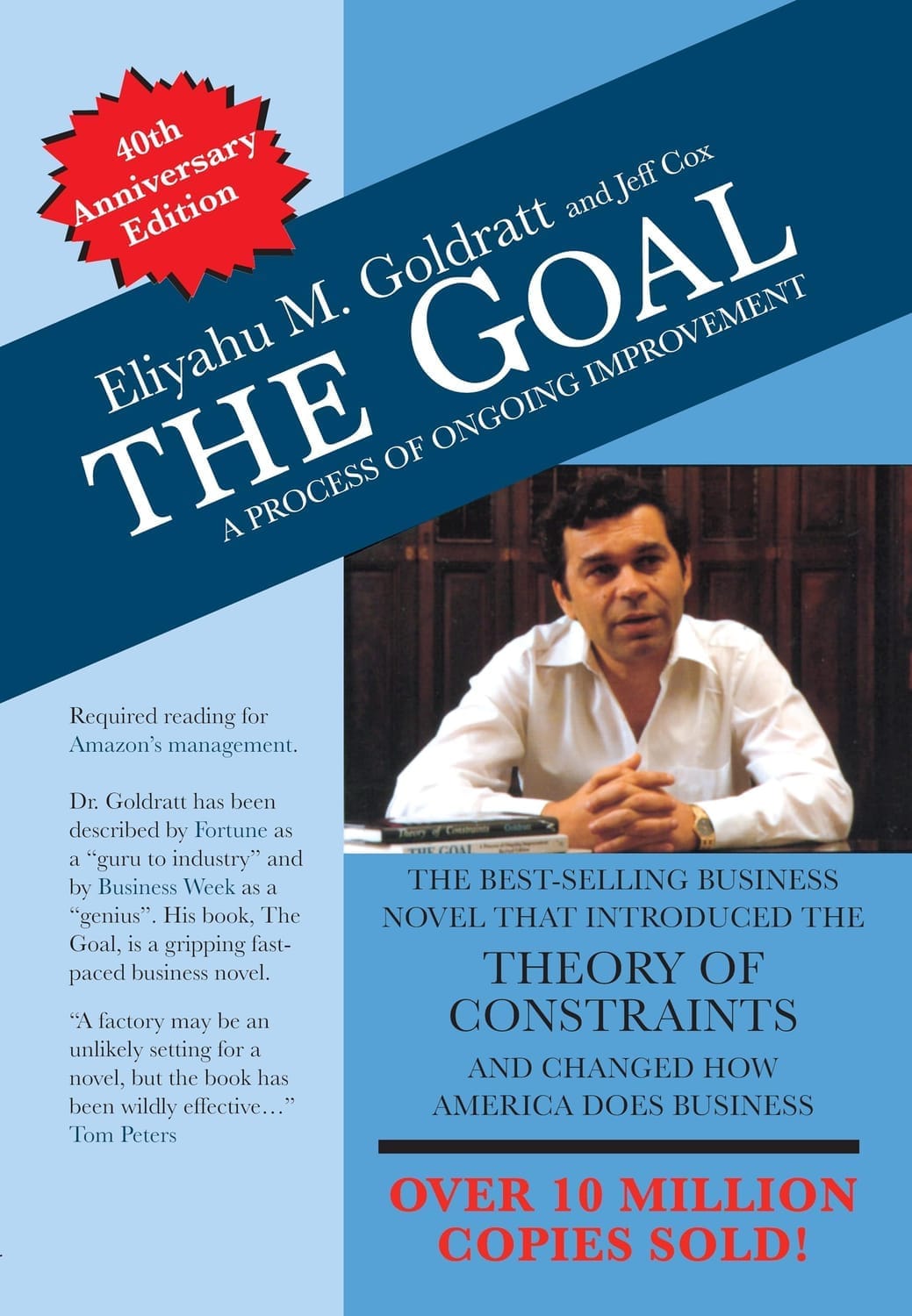
The Goal
A powerful business novel that teaches you how to identify bottlenecks, improve productivity, and focus on what truly drives results.

The Millionaire Booklet
A practical wake-up call about money, ambition, and the mindset required to escape financial struggle and pursue wealth seriously.
The One Thing
Learn how focusing on the most important task can dramatically improve your productivity, results, and quality of life.
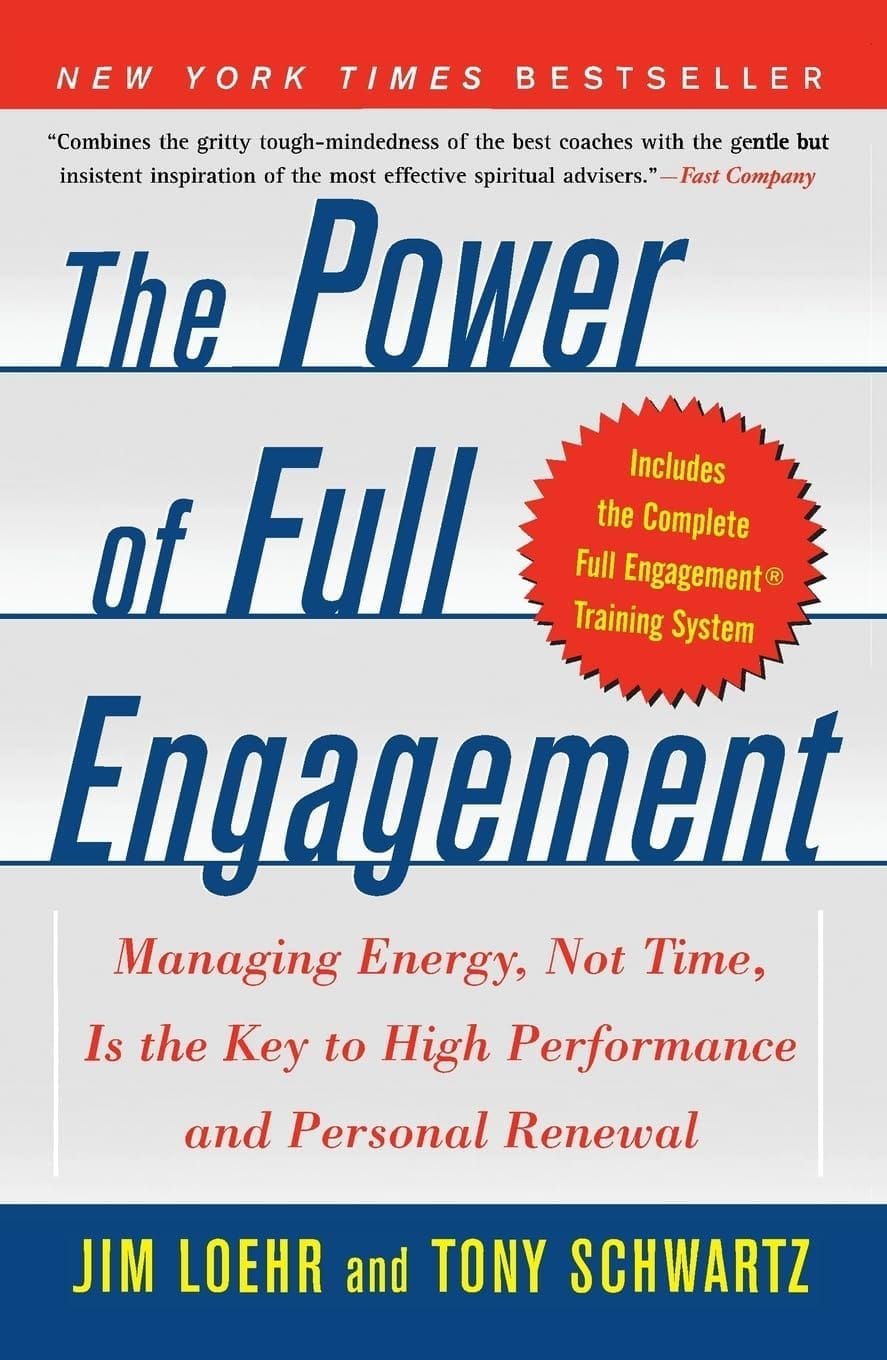
The Power of Full Engagement
Success isn’t just about managing time — it’s about managing your physical, emotional, mental, and spiritual energy effectively.
Richest Man In Babylon
Simple, timeless financial principles about saving, investing, discipline, and building long-term wealth.

The Strangest Secret
You become what you think about most. Learn how your thoughts shape your success, habits, and future.

The Way to Wealth
Classic lessons on hard work, discipline, frugality, and wise financial stewardship that remain relevant centuries later.

7 Spiritual Laws of Success
Discover spiritual principles that blend purpose, abundance, alignment, and inner peace with external success.

A Message to Garcia
A timeless lesson on initiative, responsibility, reliability, and becoming the kind of person who gets things done without excuses.

Great by Choice
Learn how exceptional companies succeed even in uncertainty through discipline, preparation, and consistent execution.
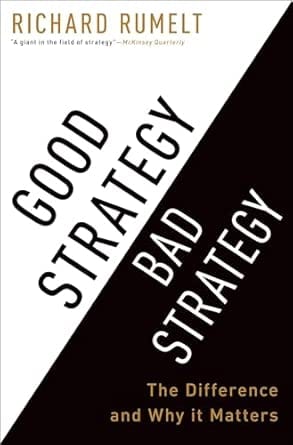
Good Strategy / Bad Strategy
Discover the difference between vague goals and real strategy — and learn how to focus your efforts where they matter most.

Think and Grow Rich
One of the most influential success books ever written — teaching the power of desire, faith, persistence, and focused action.

The Mental Equivalent
Learn how to create the mental and emotional conditions necessary to attract the life and outcomes you desire.

As a Man Thinketh
Your thoughts shape your character, habits, circumstances, and destiny. Master your mind and you transform your life.

The Game of Life
and How to Play It
A practical guide to spiritual laws, affirmations, faith, and aligning your thoughts and words with the life you want to create.

Dollar Success Club
A full system that shows you, step-by-step, how to start a real online business—even if you’re working full-time, even if you’ve never done this before.