
Starting a Tax Preparation Business
Starting a tax preparation business in South Africa can be a highly profitable venture, especially given the complexities of the South African tax system and the growing demand for financial services. Individuals and businesses often need help navigating tax laws, filing returns, and ensuring compliance with SARS (South African Revenue Service). If you have a background in accounting, finance, or tax law, this could be an ideal business for you.
Here’s a detailed guide on how to start a tax preparation business in South Africa.
Business Concept: How It Works
A tax preparation business helps individuals and businesses prepare and file their tax returns. This involves gathering financial information, ensuring compliance with tax regulations, and finding ways to reduce tax liabilities where possible. You’ll serve as an expert, making sure clients are not overpaying taxes or missing out on deductions and rebates.
Who you're serving:
• Individuals: People who need help filing their personal income tax returns, especially those with complex financial situations.
• Small businesses: Entrepreneurs and small business owners who need assistance with VAT returns, income tax, and payroll taxes.
• Freelancers and contractors: Professionals who work independently and need help managing their tax obligations.
• Corporates: Larger businesses that need more comprehensive tax planning and preparation services.
What you're selling:
• Tax return preparation and filing services
• Tax planning and advisory services
• VAT and payroll tax compliance
• SARS audits and dispute resolution
• Corporate tax strategy and compliance
Purpose: Why Start This Kind of Business?
There are several compelling reasons to start a tax preparation business:
• High demand: Tax laws in South Africa can be complicated, and many individuals and small businesses struggle to keep up with filing deadlines and regulations. Your expertise can save them time and money.
• Recurring income: Taxes are a yearly requirement, providing you with a steady stream of repeat clients. Businesses also need regular VAT filings, which can create recurring revenue.
• Flexible working hours: This business offers flexibility, especially if you start part-time. During tax season, demand increases, but you can balance workloads outside peak periods.
• Scalable business model: You can start small with minimal overhead and grow into a full-scale operation by offering additional services like bookkeeping or financial consulting.
How to Determine If There’s a Need for This Product/Service
To assess demand for tax preparation services in your area:
• Research local tax trends: Look at the number of registered taxpayers and small businesses in your area. South Africa’s expanding entrepreneurial scene means more people need tax help.
• Talk to small business owners: Many small businesses struggle with tax compliance, so reach out to local entrepreneurs and find out if they currently outsource tax services or need assistance.
• Check SARS deadlines: Every year, SARS sets tax deadlines for individuals and businesses. Many people leave tax returns to the last minute and need professional help to avoid penalties, creating high demand during tax season.
Different Variations of a Tax Preparation Business
You can structure your tax preparation business in different ways depending on your expertise:
1. Personal tax preparation: Focus on individuals and families, helping them with income tax returns and finding deductions.
2. Business tax preparation: Serve small businesses and SMEs with VAT, corporate tax, and payroll tax compliance.
3. Freelancer and contractor services: Specialize in serving freelancers and contractors who need help managing their taxes, often because they receive irregular income or work for multiple clients.
4. Corporate tax strategy: Offer more in-depth services to corporations, including tax planning, audits, and compliance strategies.
5. Tax consultancy: Offer advisory services on tax planning, helping clients reduce their tax liability through legal means.
Best Location to Operate This Business
The great thing about a tax preparation business is that it can be highly flexible when it comes to location:
• Home-based: Many tax preparers work from home, especially if they’re serving individual clients or small businesses. With virtual tools and cloud-based software, this is a cost-effective option.
• Office space: If you plan to serve larger clients or need to create a professional environment, you might want to rent a small office space. Being near business districts or accounting firms can help build credibility.
• Mobile or virtual services: Offer services online or by visiting clients at their premises. This model works well if you want to target busy professionals or small business owners who may not have time to come to your office.
Capital Requirements
Starting a tax preparation business doesn’t require a huge investment, but you’ll need to budget for essential tools and setup:
• Software: Invest in tax preparation and accounting software like Sage, Xero, or QuickBooks, which can range from R1,000 to R5,000 per year, depending on the package.
• Office setup: If you’re working from home, you’ll need a computer, printer, and reliable internet. Budget R10,000 to R15,000 for basic equipment if you don’t already have it.
• Marketing: You’ll need to advertise your services to attract clients. Set aside R2,000 to R5,000 for flyers, social media ads, and local networking.
• SARS registration: You’ll need to register with SARS as a tax practitioner. This requires passing the Tax Practitioner Competency Assessment and joining a recognized professional body like SAIT (South African Institute of Tax Professionals), which could cost R3,000 to R10,000 annually.
In total, you can start a tax preparation business with as little as R10,000 to R30,000, depending on your equipment and software needs.
How to Start Part-Time and Grow Into Full-Time
Starting part-time allows you to build your business without taking too much risk:
• Start during tax season: Offer tax preparation services during the busy tax season when demand is highest. This allows you to test the market and build a client base while working another job.
• Work evenings and weekends: Many clients, especially individuals and small business owners, need flexibility in scheduling. Offering evening or weekend appointments can help you grow your business part-time.
• Expand to full-time: As your client base grows and demand increases, you can gradually transition into a full-time tax preparation business. This is especially feasible if you start adding year-round services like bookkeeping, VAT submissions, and business advisory.
How Much Money Can You Expect to Make?
Your income will depend on the services you offer and the number of clients you serve:
• Individual tax returns: You can charge between R500 to R2,000 per tax return, depending on the complexity.
• Business tax services: Small business tax returns can bring in R2,000 to R5,000 per client, while more complex corporate tax services may earn you R10,000 or more per client.
• Additional services: Offering VAT returns, payroll management, or financial consulting can generate additional income. For example, VAT services could bring in R1,000 to R3,000 per client per month.
On average, a part-time tax preparer could earn R10,000 to R30,000 per month during tax season, while a full-time business could generate R300,000 to R1 million annually, depending on the client base and services offered.
Equipment, Tools, and Resources for Success
To run a successful tax preparation business, you’ll need the following:
• Tax preparation software: Tools like Sage or Xero help manage clients’ financial data and file tax returns efficiently.
• Computer and internet: A fast, reliable computer and internet connection are essential for handling client data and filing returns online with SARS.
• Cloud-based storage: Use tools like Google Drive or Dropbox to store sensitive client documents securely.
• Client management tools: Use customer relationship management (CRM) software to track clients, send invoices, and manage appointments.
Employees, Insurance, and Legislative Issues
As your business grows, you may need help managing clients:
• Administrative assistants: If you have a lot of clients, an admin assistant can help schedule appointments, process paperwork, and handle customer inquiries.
• Junior tax professionals: If demand grows, you can hire or contract additional tax preparers to serve more clients.
Insurance: It’s essential to have professional indemnity insurance to protect yourself from potential lawsuits or claims related to your services.
Legislation: Register as a tax practitioner with SARS and ensure you’re compliant with South Africa’s Tax Administration Act. You’ll also need to be a member of a recognized professional body, such as SAIT or SAIPA (South African Institute of Professional Accountants), to ensure credibility and compliance.
Potential Obstacles to Look Out For
1. Seasonality: Tax preparation is often seasonal, with the bulk of work occurring around filing deadlines. You’ll need to plan for slow periods or diversify your services (e.g., bookkeeping or VAT returns) to ensure steady income.
2. Regulatory changes: Tax laws and SARS regulations change frequently. You’ll need to stay updated on new rules and policies to serve your clients effectively.
3. Client trust: Building trust is critical, as clients are entrusting you with sensitive financial information. Be transparent, professional, and ensure confidentiality.
4. High competition: Tax preparation is a competitive field, especially in urban areas. Differentiating your services and building a niche (e.g., focusing on small businesses or freelancers) can help you stand out.
Future Expansion Opportunities
As your tax preparation business grows, there are several ways to expand:
• Offer bookkeeping services: Many small businesses also need bookkeeping services to track income, expenses, and manage cash flow.
• Business advisory services: Expand into consulting, helping businesses with financial planning, tax strategy, and compliance.
• Franchising: If your business is successful, you could open additional branches or franchise your model to other areas.
• Corporate tax services: As your reputation grows, you can begin offering corporate tax strategy and compliance services to larger businesses.
Skills, Training, and Leadership
Traits Business Owners Must Possess
To run a successful tax preparation business, you’ll need the following skills:
• Tax law knowledge: You must have a thorough understanding of South African tax laws, including income tax, VAT, and payroll taxes.
• Detail-oriented: Tax preparation requires accuracy and attention to detail to ensure compliance and avoid costly mistakes for your clients.
• Analytical skills: You’ll need to analyze financial data to help clients maximize deductions and reduce their tax liabilities legally.
• Customer service: Building strong relationships with clients is key to ensuring repeat business. Good communication and customer service skills are essential.
• Leadership: As you grow your business and hire employees or contractors, leadership skills will help you manage your team effectively.
How to Price Products and Services
Pricing in the tax preparation industry typically depends on the complexity of the tax return and the services you offer:
• Flat fee: Many tax preparers charge a flat fee for individual tax returns, typically between R500 and R2,000, depending on the complexity of the return.
• Hourly rate: For more complex business services, consider charging an hourly rate between R500 and R1,500 per hour.
• Package pricing: You can offer package deals for ongoing services, such as VAT filings or payroll tax compliance, with monthly rates starting from R1,000 to R5,000 depending on the client’s needs.
Offering pricing tiers based on service complexity can help attract a broader range of clients.
How to Stand Out from the Competition
To thrive in a competitive market, you’ll need to differentiate your tax preparation business:
• Specialization: Focus on a specific niche, such as freelancers, small businesses, or corporate tax services. Specializing in a particular area can make you the go-to expert.
• Personalized service: Offer tailored, one-on-one services to clients, ensuring they feel valued and supported through the tax process.
• Fast turnaround: Many clients seek quick solutions during tax season. Offer expedited services for clients who need their returns filed quickly.
• Educational content: Create blog posts, videos, or workshops educating clients on tax-saving strategies and compliance tips. This positions you as a thought leader and builds trust with potential clients.
Marketing Avenues to Attract Customers
Effective marketing is key to building your client base. Here are some strategies to consider:
• Networking: Attend local business events, trade shows, and community workshops to meet potential clients and build relationships.
• Referrals: Offer discounts or incentives to existing clients who refer friends or colleagues to your services.
• Social media: Use platforms like LinkedIn, Facebook, and Instagram to promote your services, share tax tips, and build a professional brand.
• Google Ads and SEO: Optimize your website for search engines so potential clients can find you when they search for tax preparation services in your area. Running Google Ads can drive targeted traffic to your website.
• Email marketing: Build an email list of past clients and prospects, sending out regular newsletters with tax tips, deadlines, and offers for early filing.
Starting a tax preparation business in South Africa is a great opportunity to serve individuals and businesses while leveraging your financial expertise. With the right strategy, ongoing education, and strong customer service, you can build a profitable and sustainable business that helps clients navigate the complexities of the South African tax system.
Joined Dollar Success Club?
This is a community for people who want to:
• Start an online business
• Build multiple income streams
• Learn marketing and sales
• Turn ideas into profitable systems
Join the community here:
https://www.successclub.co.za/dollar
What You Miss By Not Joining Dollar Success Club...
Free practical action-based workbooks designed to help you apply powerful success principles immediately.
Topics include:
Mindset, Wealth, Discipline, Spirituality, Productivity, Purpose, Relationships, and so much more...

How to Win Friends and Influence People
Learn the timeless people skills that open doors, build influence, strengthen relationships, and help you succeed in business and life without manipulation or force.

Five Steps to Successful Selling
Master the foundations of persuasion, confidence, and ethical selling so you can close more deals, grow your income, and serve customers more effectively.

Acres of Diamonds
Discover how the opportunities you’ve been searching for may already exist right where you are — hidden in your skills, experiences, and environment.

Ask and It Is Given
Learn how your thoughts, emotions, and expectations shape your reality — and how to deliberately attract better outcomes into your life.

Awaken the Giant Within
Take control of your mindset, emotions, finances, and habits so you can unlock the power and potential already inside you.

Book of Proverbs
Timeless wisdom on discipline, money, relationships, leadership, and decision-making — practical success principles that still apply today.

I Moved Your Cheese
A simple but powerful lesson on challenging paradigms, overcoming fear, and rethinking the status quo in an ever-changing world.

Peaks and Valleys
Learn how to navigate life’s highs and lows wisely — and how difficult seasons can become stepping stones to greater success.

Secrets of the Millionaire Mind
Discover the hidden money beliefs shaping your financial life — and how to reprogram your mindset for wealth and abundance.

Switch
Understand why change is difficult — and learn practical strategies to successfully change habits, behaviors, and results.

The Compound Effect
Small daily actions may seem insignificant, but over time they create extraordinary results in wealth, health, and success.

The Four Agreements
Four simple but life-changing principles to help you experience greater peace, freedom, confidence, and healthier relationships.
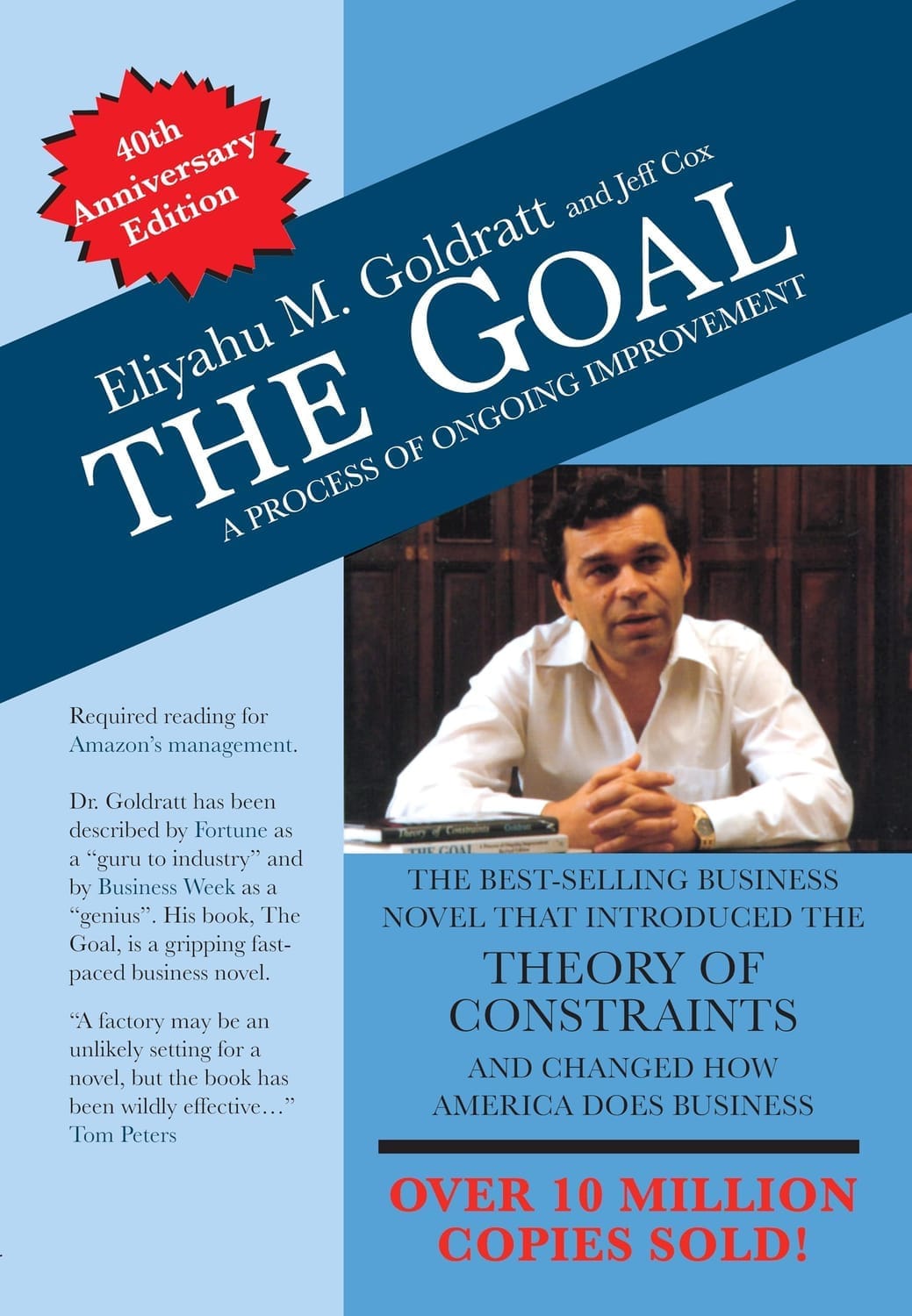
The Goal
A powerful business novel that teaches you how to identify bottlenecks, improve productivity, and focus on what truly drives results.

The Millionaire Booklet
A practical wake-up call about money, ambition, and the mindset required to escape financial struggle and pursue wealth seriously.

The One Thing
Learn how focusing on the most important task can dramatically improve your productivity, results, and quality of life.
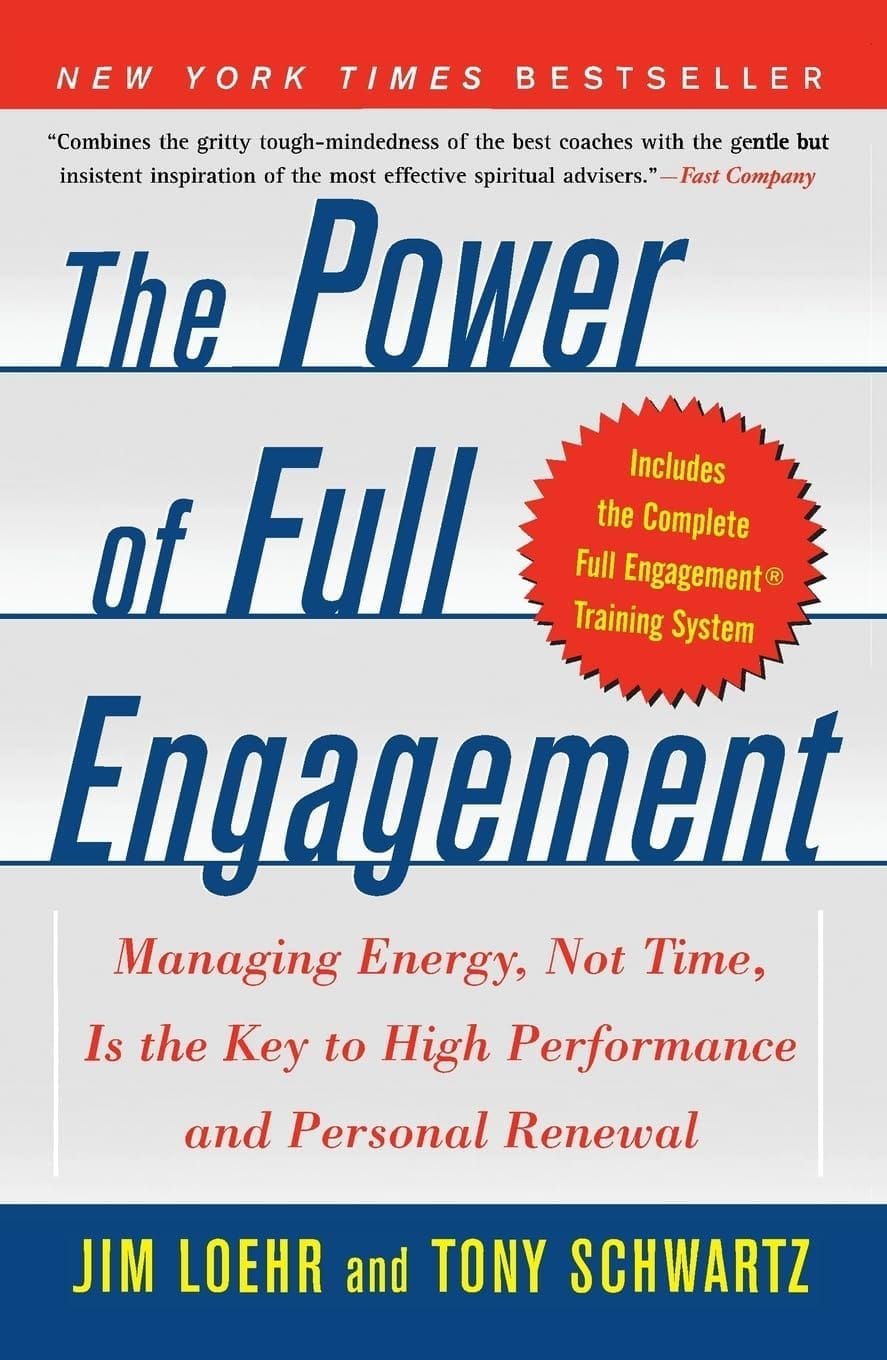
The Power of Full Engagement
Success isn’t just about managing time — it’s about managing your physical, emotional, mental, and spiritual energy effectively.
Richest Man In Babylon
Simple, timeless financial principles about saving, investing, discipline, and building long-term wealth.

The Strangest Secret
You become what you think about most. Learn how your thoughts shape your success, habits, and future.

The Way to Wealth
Classic lessons on hard work, discipline, frugality, and wise financial stewardship that remain relevant centuries later.

7 Spiritual Laws of Success
Discover spiritual principles that blend purpose, abundance, alignment, and inner peace with external success.

A Message to Garcia
A timeless lesson on initiative, responsibility, reliability, and becoming the kind of person who gets things done without excuses.
Great by Choice
Learn how exceptional companies succeed even in uncertainty through discipline, preparation, and consistent execution.
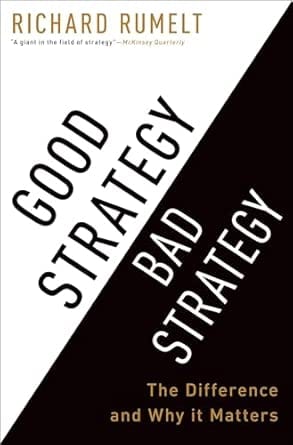
Good Strategy / Bad Strategy
Discover the difference between vague goals and real strategy — and learn how to focus your efforts where they matter most.

Think and Grow Rich
One of the most influential success books ever written — teaching the power of desire, faith, persistence, and focused action.

The Mental Equivalent
Learn how to create the mental and emotional conditions necessary to attract the life and outcomes you desire.

As a Man Thinketh
Your thoughts shape your character, habits, circumstances, and destiny. Master your mind and you transform your life.

The Game of Life
and How to Play It
A practical guide to spiritual laws, affirmations, faith, and aligning your thoughts and words with the life you want to create.

Dollar Success Club
A full system that shows you, step-by-step, how to start a real online business—even if you’re working full-time, even if you’ve never done this before.