
Starting a Tailoring and Sewing Business
Tailoring and sewing are timeless skills that continue to be in high demand, whether for custom clothing, alterations, or creating unique designs. Starting a tailoring business in South Africa can be a great way to turn your sewing skills into a profitable venture. South Africans often need tailoring services for traditional wear, fashion events, and everyday clothing alterations, making this a viable business.
Here’s a step-by-step guide to starting a tailoring and sewing business from a South African perspective.
Business Concept: How It Works
A tailoring business involves sewing, repairing, and altering clothes based on customer needs. You might make custom garments, adjust store-bought clothing, or even create bespoke designs for special occasions. Tailoring businesses typically serve individuals, though you could also offer services to fashion brands, schools, and companies needing uniforms.
Who you're serving:
• Individuals: People needing clothing alterations, custom tailoring for special occasions, or repairs.
• Fashion-conscious clients: Customers seeking unique, made-to-measure outfits, including traditional South African attire like Shweshwe dresses.
• Businesses: Schools, small fashion brands, or corporations that require uniforms or custom apparel.
What you're selling:
• Clothing alterations (e.g., hemming pants, adjusting waistlines)
• Custom-made garments (e.g., suits, dresses, traditional attire)
• Repairs (e.g., patching holes, replacing zippers)
• Bespoke design services for special events like weddings or graduations
Purpose: Why Start This Kind of Business?
There are several good reasons to start a tailoring business:
• Growing demand for custom clothing: As South Africans become more fashion-conscious, they look for personalized outfits, whether for weddings, traditional events, or everyday wear.
• Essential service: Clothing alterations and repairs are always needed, making it a stable business that provides an essential service.
• Creativity: Tailoring allows you to express your creativity through unique designs while helping clients feel confident in their custom-made or perfectly fitted clothing.
• Sustainability: By offering repairs and alterations, you're promoting sustainable fashion practices by extending the lifespan of clothes.
How to Determine If There’s a Need for This Product/Service
Before launching your business, assess the market to ensure there is demand:
• Market research: Visit local fashion boutiques, malls, and fabric stores to understand the demand for tailoring services. Pay attention to trends and popular clothing styles.
• Talk to potential customers: Ask people in your community if they struggle to find well-fitting clothes or need alterations. Many South Africans, especially in urban areas, look for tailored solutions for traditional and formal wear.
• Check local competition: Identify other tailoring businesses in your area. Are they busy? Do they offer services you can improve upon or specialize in?
Different Variations of a Tailoring Business
There are several variations of a tailoring business depending on your expertise and the market:
1. Custom tailoring: Creating made-to-measure garments, including suits, dresses, and traditional South African clothing (e.g., Xhosa, Zulu, or Tswana attire).
2. Alterations: Offering services like hemming, resizing, and fixing zippers for everyday clothes.
3. Fashion design and bespoke services: Designing unique outfits for clients attending special events like weddings, graduations, or fashion shows.
4. Uniform tailoring: Supplying and tailoring uniforms for schools, hotels, corporate offices, or medical facilities.
5. Bridal and event wear: Specializing in creating custom wedding gowns, bridesmaid dresses, or event attire.
6. Upcycling: Repurposing old garments into new, stylish outfits, aligning with the trend of sustainable fashion.
Best Location to Operate This Business
Choosing the right location for your tailoring business is key to attracting customers:
• Home-based business: Many tailors operate from home, especially when starting. You can dedicate a room or space in your house to work and meet clients.
• Retail shop or studio: If you have a budget for rent, setting up a shop or studio in a busy area with foot traffic (near shopping malls or markets) can bring in more walk-in customers.
• Mobile services: Offer a mobile tailoring service where you visit clients’ homes to take measurements and deliver finished garments. This is particularly appealing in areas where people are too busy to travel.
Capital Requirements
Starting a tailoring business requires some initial investment for equipment and setup, though the costs are relatively low compared to other businesses:
• Sewing machines: Budget for high-quality machines, including a standard sewing machine, an overlocker for professional seams, and possibly an industrial machine for heavy fabrics. Expect to spend R5,000 to R15,000.
• Fabric and materials: Stock up on fabrics, threads, zippers, buttons, and other essentials. Initial inventory can cost around R2,000 to R10,000, depending on the range of materials you want to offer.
• Workspace setup: If you’re working from home, you’ll need a dedicated space with tables, racks, storage, and good lighting. This might cost R3,000 to R10,000.
• Marketing: Budget R2,000 to R5,000 for business cards, social media ads, and local flyers to promote your services.
In total, starting costs could range from R10,000 to R40,000, depending on the scale of your operation.
How to Start Part-Time and Grow Into Full-Time
Starting part-time allows you to build your business while maintaining another job:
• Start small: Offer your services to friends, family, and local clients on weekends or evenings. You can take on smaller projects like alterations or basic tailoring.
• Grow through referrals: As you build a client base, word-of-mouth referrals will help you gain more customers. Gradually expand to full-time when demand is consistent.
• Expand your services: Once your business grows, you can offer more services, like creating custom designs, bridal wear, or adding a mobile tailoring service for convenience.
How Much Money Can You Expect to Make?
Earnings from a tailoring business will depend on the services you offer, your location, and your client base:
• Alterations: Simple alterations (hemming, resizing) can bring in R50 to R300 per job, depending on complexity.
• Custom-made clothing: For made-to-measure outfits, you can charge between R500 to R2,500, depending on the fabric and design.
• Event wear: Creating custom wedding gowns or high-end event attire can earn you R5,000 to R15,000 or more per outfit.
On average, a home-based tailor working part-time could earn R5,000 to R15,000 per month, while a full-time tailor offering custom clothing and alterations can make R15,000 to R50,000 monthly.
Equipment, Tools, and Resources for Success
To run a successful tailoring business, you’ll need the following:
• Sewing machines: A high-quality machine is essential, along with an overlocker and an industrial machine for more complex projects.
• Cutting tables: You’ll need a large, sturdy table for cutting fabric.
• Measuring tools: Accurate measurements are key, so invest in measuring tapes, rulers, and patterns.
• Mannequins: Adjustable dress forms for fitting clothes and displaying your work.
• Fabric and trims: A variety of fabrics, zippers, buttons, threads, and other haberdashery to complete your projects.
• Software: If you plan to design custom patterns or clothing, pattern-making software like CLO3D or TukaCAD can be helpful.
Employees, Insurance, and Legislative Issues
As your business grows, you might need extra help:
• Apprentices or assistants: You can hire apprentices to help with basic sewing, cutting, or finishing tasks.
• Tailors or seamstresses: If demand grows, hire experienced tailors or seamstresses to assist with production.
Insurance: Consider taking out business insurance to cover theft, damage to your equipment, or client disputes. Public liability insurance is also recommended if clients visit your premises.
Legislation: Register your business with the CIPC (Companies and Intellectual Property Commission) and ensure you comply with SARS (South African Revenue Service) tax requirements.
Potential Obstacles to Look Out For
1. Inconsistent demand: Tailoring can be seasonal, with more demand during wedding seasons or events. It’s important to plan for slow periods.
2. High competition: There may be many tailors in your area, so you’ll need to find a way to differentiate your services and build a loyal customer base.
3. Pricing challenges: Finding the right price point can be difficult. You’ll need to ensure your rates are competitive while still covering your costs and time.
4. Client expectations: Managing client expectations can be challenging, especially for custom designs. Clear communication and setting realistic deadlines are essential.
Future Expansion Opportunities
As your tailoring business grows, you can explore several expansion opportunities:
• Offer design services: Expand into fashion design, creating your own clothing line or collaborating with local fashion brands.
• Host sewing workshops: Share your expertise by teaching others to sew or tailor. Workshops can be an additional revenue stream.
• Online store: Set up an online store to sell custom-made clothing, accessories, or even sewing kits to a wider audience.
• Franchise or open multiple locations: If your tailoring business becomes successful, you could open additional shops in different locations or franchise your brand.
Skills, Training, and Leadership Traits Business Owners Must Possess
To succeed in tailoring, you’ll need the following skills and traits:
• Sewing and pattern-making: Mastery of sewing techniques, garment construction, and pattern-making is essential for high-quality tailoring.
• Customer service: You’ll need strong communication skills to understand client needs, handle complaints, and provide excellent service.
• Creativity: Tailoring is an art, and being able to design unique garments or solve fitting issues creatively is crucial.
• Leadership: As your business grows, leadership skills will help you manage employees and scale your operation efficiently.
How to Price Products and Services
Pricing for tailoring services will depend on the complexity of the job, your expertise, and local market rates:
• Alterations: Charge R50 to R300 for simple alterations like hemming, resizing, or zipper replacements.
• Custom clothing: For made-to-measure garments, price between R500 to R2,500, depending on the complexity and fabric cost.
• Special event wear: Charge higher rates for formal wear, bridal gowns, or traditional attire, starting from R5,000 and upwards.
Offering pricing packages, such as discounts for bulk orders or loyalty programs for regular customers, can also help attract and retain clients.
How to Stand Out from the Competition
To thrive in the tailoring business, you need to differentiate your services:
• Niche specialization: Focus on a specific market, such as bridal wear, traditional South African garments, or luxury tailoring.
• Exceptional customer service: Offer personalized fittings, quick turnaround times, and go the extra mile to ensure customer satisfaction.
• Sustainability focus: Appeal to eco-conscious customers by promoting repairs, alterations, and upcycling services.
• Offer mobile services: A mobile tailoring service where you visit clients at their homes for fittings and delivery could set you apart from competitors.
Marketing Avenues to Attract Customers
Effective marketing is essential to building your client base. Consider these avenues:
• Social media: Use Instagram and Facebook to showcase your work, post customer testimonials, and engage with your audience. Share behind-the-scenes videos of your sewing process.
• Flyers and local advertising: Distribute flyers in your local area, especially near fabric stores, markets, or shopping centers.
• Partnerships: Collaborate with local fashion designers, bridal shops, or event planners to offer your tailoring services as part of their package.
• Word of mouth: Happy customers are your best marketers. Encourage satisfied clients to refer their friends and family by offering discounts for referrals.
Starting a tailoring and sewing business in South Africa can be a highly rewarding venture, combining creativity with the opportunity to serve your community. With the right skills, equipment, and marketing strategies, you can build a successful business that meets the growing demand for custom clothing and alterations. Whether you begin part-time or dive in full-time, tailoring offers flexibility, profitability, and long-term growth potential.
Joined Dollar Success Club?
This is a community for people who want to:
• Start an online business
• Build multiple income streams
• Learn marketing and sales
• Turn ideas into profitable systems
Join the community here:
https://www.successclub.co.za/dollar
What You Miss By Not Joining Dollar Success Club...
Free practical action-based workbooks designed to help you apply powerful success principles immediately.
Topics include:
Mindset, Wealth, Discipline, Spirituality, Productivity, Purpose, Relationships, and so much more...

How to Win Friends and Influence People
Learn the timeless people skills that open doors, build influence, strengthen relationships, and help you succeed in business and life without manipulation or force.
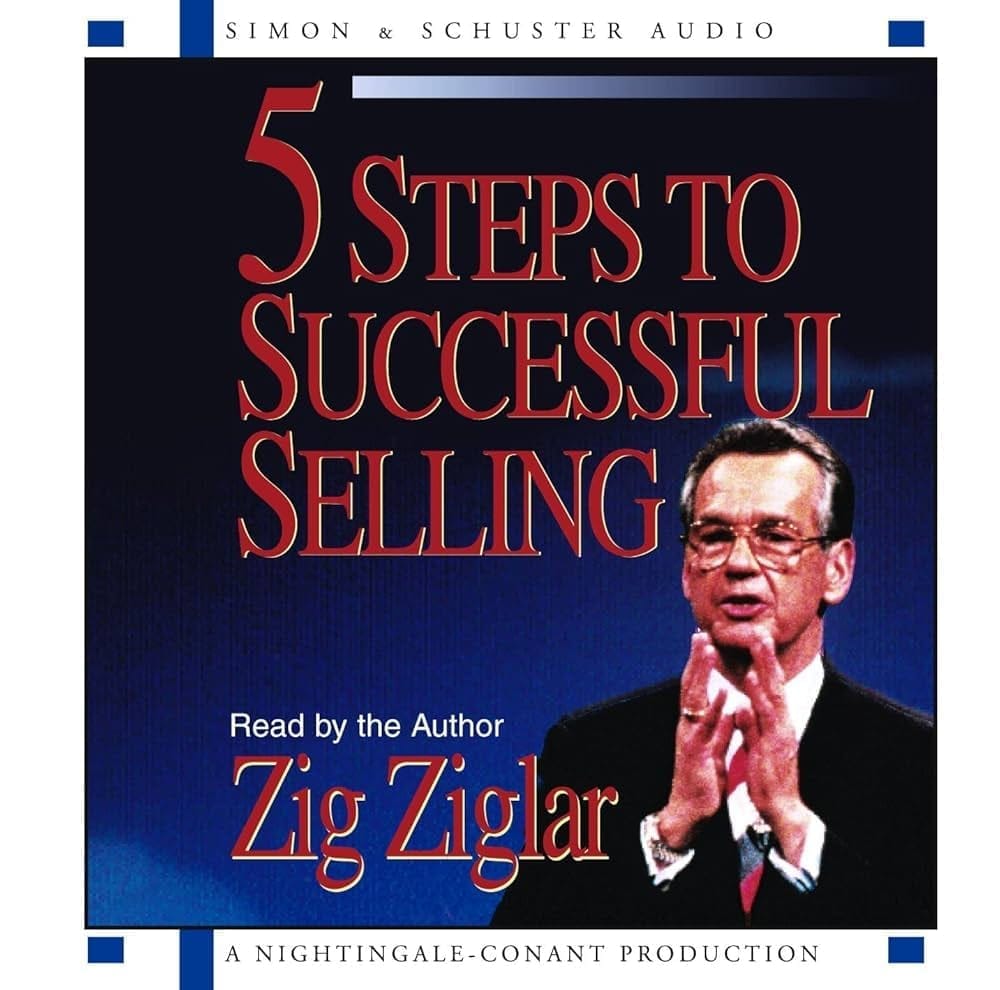
Five Steps to Successful Selling
Master the foundations of persuasion, confidence, and ethical selling so you can close more deals, grow your income, and serve customers more effectively.

Acres of Diamonds
Discover how the opportunities you’ve been searching for may already exist right where you are — hidden in your skills, experiences, and environment.

Ask and It Is Given
Learn how your thoughts, emotions, and expectations shape your reality — and how to deliberately attract better outcomes into your life.

Awaken the Giant Within
Take control of your mindset, emotions, finances, and habits so you can unlock the power and potential already inside you.

Book of Proverbs
Timeless wisdom on discipline, money, relationships, leadership, and decision-making — practical success principles that still apply today.

I Moved Your Cheese
A simple but powerful lesson on challenging paradigms, overcoming fear, and rethinking the status quo in an ever-changing world.

Peaks and Valleys
Learn how to navigate life’s highs and lows wisely — and how difficult seasons can become stepping stones to greater success.

Secrets of the Millionaire Mind
Discover the hidden money beliefs shaping your financial life — and how to reprogram your mindset for wealth and abundance.

Switch
Understand why change is difficult — and learn practical strategies to successfully change habits, behaviors, and results.

The Compound Effect
Small daily actions may seem insignificant, but over time they create extraordinary results in wealth, health, and success.

The Four Agreements
Four simple but life-changing principles to help you experience greater peace, freedom, confidence, and healthier relationships.
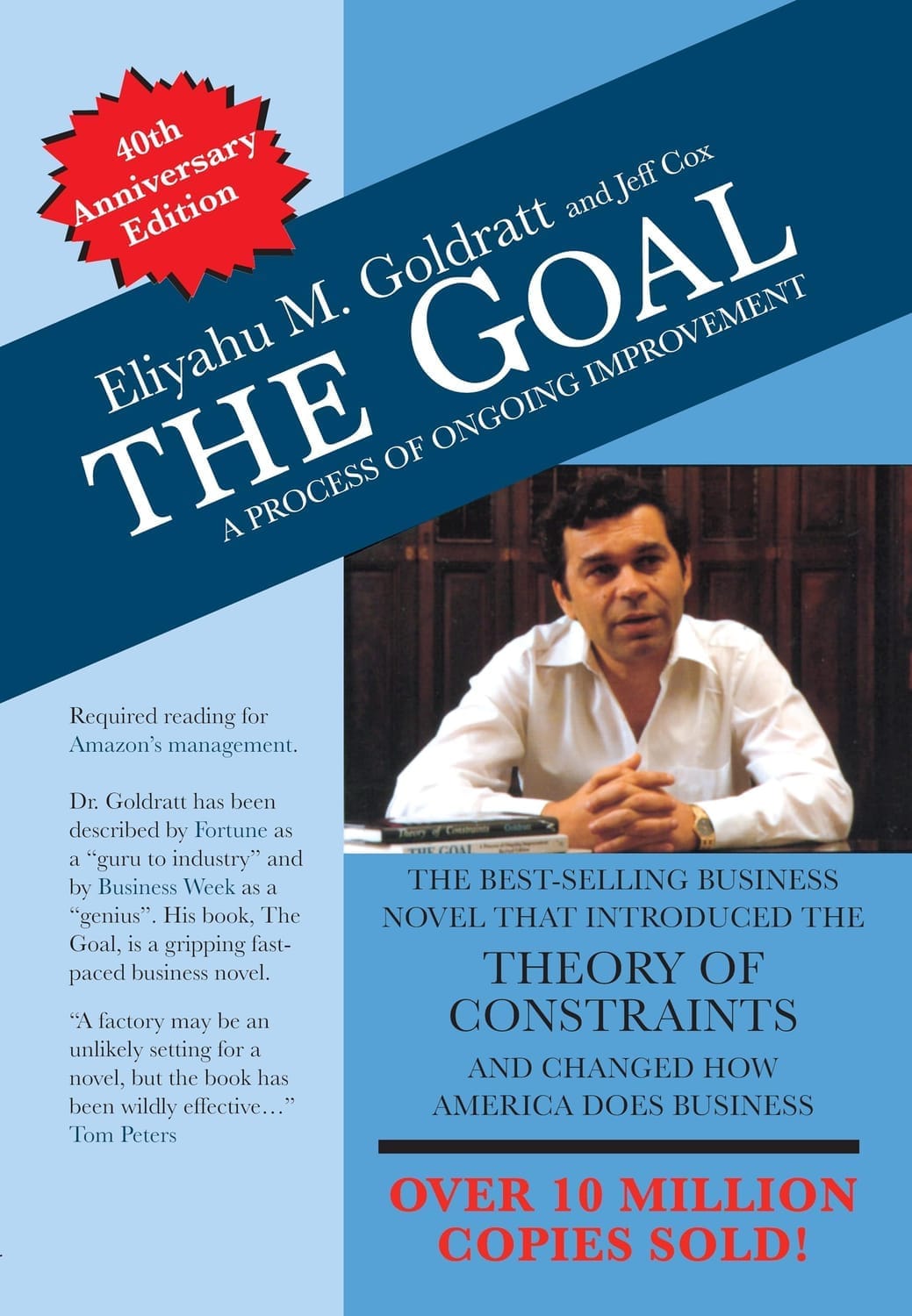
The Goal
A powerful business novel that teaches you how to identify bottlenecks, improve productivity, and focus on what truly drives results.

The Millionaire Booklet
A practical wake-up call about money, ambition, and the mindset required to escape financial struggle and pursue wealth seriously.
The One Thing
Learn how focusing on the most important task can dramatically improve your productivity, results, and quality of life.
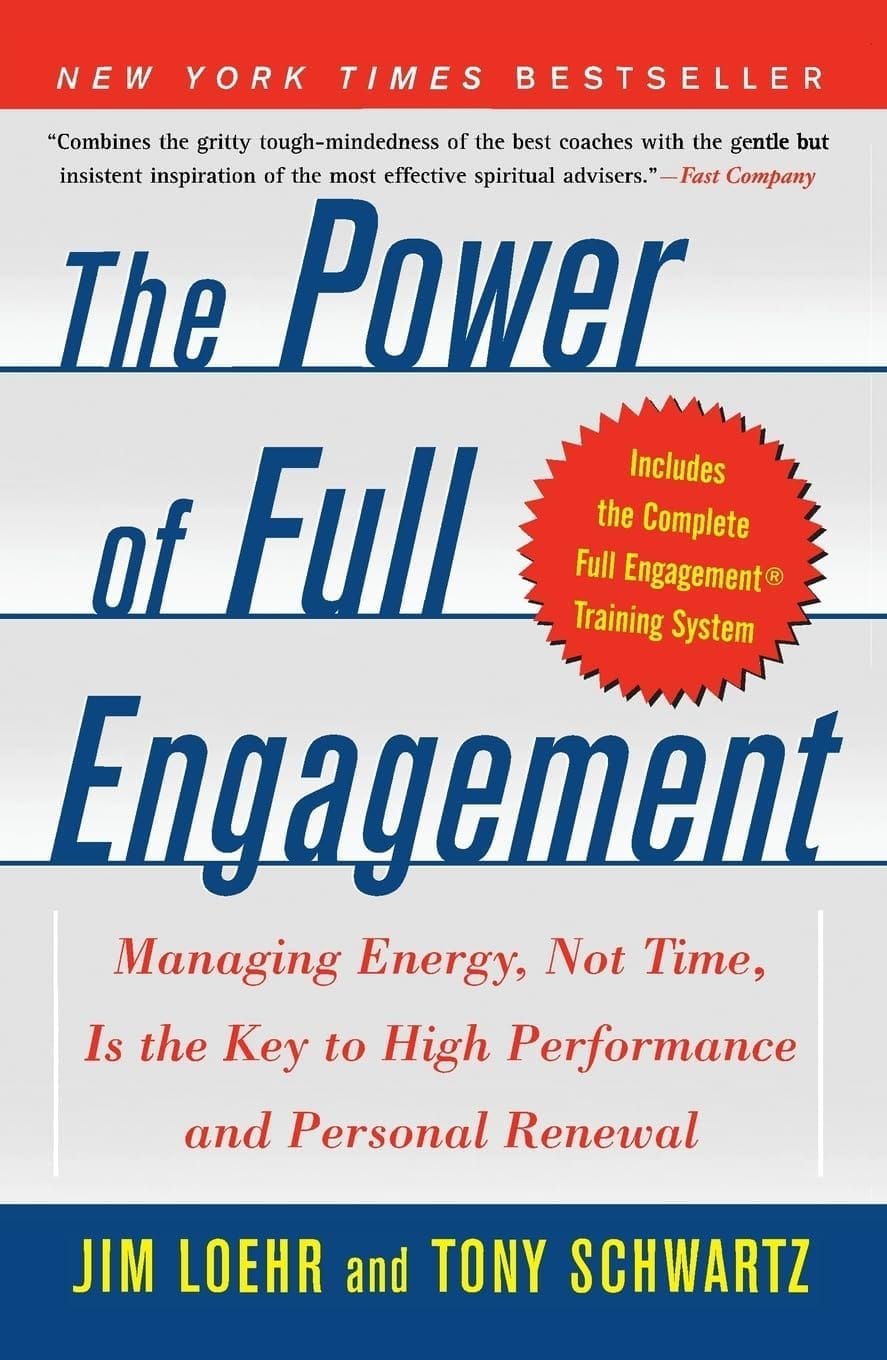
The Power of Full Engagement
Success isn’t just about managing time — it’s about managing your physical, emotional, mental, and spiritual energy effectively.
Richest Man In Babylon
Simple, timeless financial principles about saving, investing, discipline, and building long-term wealth.

The Strangest Secret
You become what you think about most. Learn how your thoughts shape your success, habits, and future.

The Way to Wealth
Classic lessons on hard work, discipline, frugality, and wise financial stewardship that remain relevant centuries later.

7 Spiritual Laws of Success
Discover spiritual principles that blend purpose, abundance, alignment, and inner peace with external success.

A Message to Garcia
A timeless lesson on initiative, responsibility, reliability, and becoming the kind of person who gets things done without excuses.

Great by Choice
Learn how exceptional companies succeed even in uncertainty through discipline, preparation, and consistent execution.
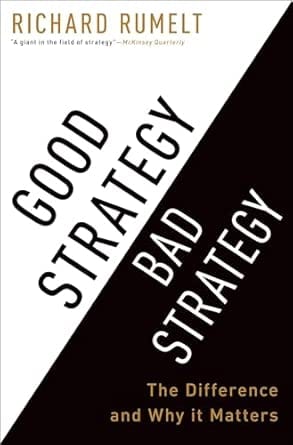
Good Strategy / Bad Strategy
Discover the difference between vague goals and real strategy — and learn how to focus your efforts where they matter most.

Think and Grow Rich
One of the most influential success books ever written — teaching the power of desire, faith, persistence, and focused action.

The Mental Equivalent
Learn how to create the mental and emotional conditions necessary to attract the life and outcomes you desire.

As a Man Thinketh
Your thoughts shape your character, habits, circumstances, and destiny. Master your mind and you transform your life.

The Game of Life
and How to Play It
A practical guide to spiritual laws, affirmations, faith, and aligning your thoughts and words with the life you want to create.

Dollar Success Club
A full system that shows you, step-by-step, how to start a real online business—even if you’re working full-time, even if you’ve never done this before.