
Starting a T-Shirt Business
Launching a T-shirt business is an exciting and creative opportunity, especially in South Africa, where fashion meets cultural expression. From personalized designs to local art-inspired prints, T-shirts are popular across all age groups and make for great casual wear. Whether you're selling online or through a physical store, the flexibility and scalability of a T-shirt business make it an attractive option for entrepreneurs. Here’s a step-by-step guide on how to start your own T-shirt business in South Africa.
Business Concept: How It Works
A T-shirt business involves designing, printing, and selling custom T-shirts. You could cater to individuals, groups, or organizations looking for personalized designs. The business can be operated online, from a physical store, or through pop-up events and markets.
Who you're serving:
• Casual consumers: People looking for stylish, trendy, or unique T-shirts.
• Corporate clients: Businesses needing branded T-shirts for staff uniforms or promotional events.
• Tourists: Visitors who want T-shirts with local designs that capture the spirit of South Africa.
• Special events: Schools, sports teams, weddings, or fundraisers needing customized T-shirts for specific occasions.
What you're selling:
• Custom-designed T-shirts (with your own designs or based on customer requests)
• Branded T-shirts for corporate events or organizations
• Limited edition or themed collections (e.g., local art, social causes)
• South African-inspired designs for tourists or expats
• Eco-friendly or sustainable fabric T-shirts
Purpose: Why Start This Kind of Business?
There are several reasons why starting a T-shirt business is a smart choice:
• Low startup costs: You don’t need a large investment to begin. You can start small with a few designs and grow as demand increases.
• Creative freedom: T-shirt design allows you to express your creativity and create products that resonate with specific audiences.
• Broad market appeal: T-shirts are universal clothing items that appeal to all demographics, from young people to corporate clients.
• Scalability: You can start part-time, perhaps selling online, and grow into a full-time operation as demand increases.
• Profit potential: With good design and marketing, T-shirts can have high-profit margins, especially if you add value with unique or personalized options.
How to Determine If There’s a Need for This Product/Service
Before jumping in, it’s important to ensure there’s demand for your T-shirt business:
• Research local fashion trends: Visit local markets, malls, and online stores to see what types of T-shirts are popular in South Africa. Look for trends in color, style, and graphics.
• Survey potential customers: Talk to people in your community or conduct online surveys to understand what they would want in a T-shirt (design, quality, price).
• Analyze competition: Study other T-shirt businesses, both online and in your area. What kinds of designs or services do they offer? Is there a gap in the market for specific types of designs or products?
Different Variations of a T-Shirt Business
There are several different models for a T-shirt business, depending on your audience and the product:
1. Online T-shirt store: Design and sell your T-shirts through your own website or platforms like Takealot, Etsy, or Instagram.
2. Print-on-demand: Partner with a print-on-demand company like Printful or TeeSpring, which prints and ships your designs as orders come in. This minimizes upfront investment.
3. Custom printing service: Offer personalized T-shirts for events, corporate branding, or organizations. You could create one-off designs based on customer requests.
4. Eco-friendly T-shirts: Focus on sustainability by offering T-shirts made from organic cotton or recycled materials, which appeals to environmentally conscious consumers.
5. Streetwear brand: Create a niche clothing line that reflects local culture, music, or art, attracting young people who follow fashion trends.
Best Location to Operate This Business
The beauty of a T-shirt business is its flexibility. Here are some location options:
• Online: Many T-shirt businesses start online, using social media or e-commerce platforms. This allows you to reach customers all over South Africa and even internationally.
• Physical retail store: If you want to create a more direct connection with customers, opening a small shop or kiosk in a busy mall or market can help.
• Pop-up markets: You can sell your T-shirts at weekend markets, craft fairs, or events, testing designs and gaining exposure.
• Mobile service: If you offer custom T-shirt printing, you could offer on-site printing services for events, parties, or corporate functions.
Capital Requirements
Starting a T-shirt business can be done on a modest budget, but here are some key startup costs to consider:
• Equipment: If you plan to print your own T-shirts, you’ll need a heat press, screen printing equipment, or a direct-to-garment (DTG) printer. These can range from R5,000 to R50,000, depending on the type of printing.
• Inventory: You’ll need blank T-shirts to print on, which can cost R20 to R100 per shirt, depending on the quality and brand. You can start with a small batch of 50 to 100 shirts, which will cost between R2,000 to R10,000.
• Design software: You’ll need design tools like Adobe Illustrator or free alternatives like Canva. A professional software license might cost R500 to R2,000 per month.
• Marketing: Set aside R1,000 to R5,000 for social media advertising, branding materials, and website hosting.
In total, you can start small with R10,000 to R30,000, depending on whether you print in-house or outsource.
How to Start Part-Time and Grow Into Full-Time
One of the advantages of the T-shirt business is that it can be run part-time and gradually scaled up:
• Start part-time: Begin by selling T-shirts online or at local markets during weekends while keeping your full-time job. This allows you to test your designs and learn about customer preferences.
• Build an online presence: Focus on building your brand on social media platforms like Instagram and Facebook, posting regularly about new designs and sales. Online orders can be fulfilled as needed, giving you flexibility.
• Expand to full-time: Once you have a steady flow of orders and regular customers, you can invest in more equipment, expand your designs, and transition to full-time.
How Much Money Can You Expect to Make?
Earnings in a T-shirt business depend on your pricing, sales volume, and production costs:
• Pricing: A custom-designed T-shirt in South Africa typically sells for R150 to R400, depending on the quality, design, and market demand.
• Profit margins: If you’re sourcing T-shirts for R50 to R100 each and selling them for R250, you could make a profit of R150 to R200 per shirt.
• Monthly earnings: A part-time T-shirt business could bring in R5,000 to R20,000 per month, while a full-time business with good marketing could generate R30,000 to R100,000+ monthly, depending on your sales and pricing.
Equipment, Tools, and Resources for Success
To run a successful T-shirt business, you’ll need the following equipment and tools:
• Printing equipment: A heat press, screen printing setup, or direct-to-garment (DTG) printer, depending on how you plan to produce your T-shirts.
• Design software: Tools like Adobe Illustrator or CorelDRAW for creating T-shirt graphics.
• E-commerce platform: If you’re selling online, you’ll need a website or platform like Shopify, Wix, or Takealot to manage orders and payments.
• Packaging supplies: You’ll need packaging materials like boxes or bags for shipping or handing out T-shirts.
• Marketing tools: Social media platforms like Instagram, Facebook, and TikTok for promoting your designs and engaging with customers.
Employees, Insurance, and Legislative Issues
You can start solo, but as your business grows, you may need additional help:
• Sales assistants: If you operate a physical store or kiosk, hiring part-time staff to handle customers and sales could be necessary.
• Designers: If you’re not a designer, you may want to work with freelance graphic designers to create unique and professional T-shirt designs.
Insurance: Consider getting business liability insurance to cover potential issues like product defects or customer injuries (e.g., in a retail setting).
Legislation: Make sure to register your business with the CIPC (Companies and Intellectual Property Commission) and comply with SARS tax regulations. If you’re printing trademarked designs, ensure you have legal permission to use them to avoid copyright infringement.
Potential Obstacles to Look Out For
1. Stock management: Over-ordering stock or underestimating demand can lead to cash flow problems. It’s important to manage your inventory carefully, especially if you’re just starting.
2. Quality control: If you’re outsourcing printing, ensure that the quality of the print and fabric meets your standards. Poor-quality T-shirts will lead to negative reviews and lost customers.
3. Competition: The T-shirt market is competitive, especially online. Standing out with unique designs or focusing on a niche market will help you differentiate your brand.
4. Design trends: T-shirt designs can quickly go out of fashion. Stay on top of trends but also create timeless designs to ensure consistent sales.
Future Expansion Opportunities
Once your T-shirt business is established, there are many ways to expand:
• Offer more products: Expand your offerings to include hoodies, caps, tote bags, or even custom-designed jackets.
• Wholesale and B2B: Supply custom-designed T-shirts to other businesses or organizations for promotional events or uniforms.
• Franchise the business: If your brand becomes popular, consider opening more locations or franchising the concept.
• Collaborate with artists: Partner with local artists or influencers to create limited edition designs, which can increase visibility and attract new customers.
Skills, Training, and Leadership Traits Business Owners Must Possess
To succeed in the T-shirt business, you’ll need:
• Creativity: Being able to create or collaborate on unique and attractive designs is essential.
• Sales and marketing: Strong marketing skills will help you reach more customers, especially online. You’ll need to be familiar with social media advertising and e-commerce.
• Customer service: Handling customer requests, inquiries, and complaints promptly and professionally is key to building a loyal customer base.
• Financial management: Managing cash flow, tracking expenses, and reinvesting profits are important to ensure the long-term success of your business.
How to Price Products and Services
Pricing T-shirts is a balance between cost and perceived value:
• Cost-plus pricing: Add up your costs (production, materials, shipping, etc.) and apply a markup, typically 50% to 150%, depending on the market.
• Value-based pricing: If your T-shirts have unique designs or use high-quality materials, you can charge a premium price. For example, eco-friendly or limited-edition T-shirts can sell for R300 to R500 or more.
• Discounts and bundles: Offer discounts for bulk purchases or bundle deals (e.g., buy two, get one free) to encourage larger sales.
How to Stand Out from the Competition
To thrive in a competitive market, you need to differentiate your business:
• Unique designs: Focus on creating designs that resonate with a specific niche or community, such as cultural themes, local pride, or social causes.
• Quality over quantity: Use high-quality T-shirts and printing techniques to create durable, comfortable products that customers will want to wear again and again.
• Sustainability: If you target eco-conscious consumers, using sustainable materials like organic cotton or recycled fabrics can set you apart.
• Branding and storytelling: Build a brand with a clear story and identity. Share your design process, collaborate with artists, or connect your T-shirts to a meaningful cause to engage customers.
Marketing Avenues to Attract Customers
Here are some marketing strategies to help grow your T-shirt business:
• Social media: Use Instagram, Facebook, and TikTok to post images of your T-shirts, run promotions, and engage with your audience.
• Influencer partnerships: Partner with local influencers or micro-influencers to promote your brand and reach new customers.
• Google Ads and SEO: Invest in search engine optimization (SEO) and run Google Ads campaigns to drive traffic to your website or online store.
• Pop-up events and markets: Attend local craft markets, pop-up shops, or festivals where you can sell directly to customers and gain exposure.
• Email marketing: Build an email list of past customers and potential buyers, and send newsletters with updates, discounts, and new designs.
Starting a T-shirt business in South Africa offers endless creative possibilities and the potential for great success. Whether you begin part-time or go all in, the key is to focus on quality designs, strategic marketing, and building a loyal customer base. By leveraging online platforms and engaging with your target audience, you can grow your T-shirt brand and make your mark in the fashion world.
Joined Dollar Success Club?
This is a community for people who want to:
• Start an online business
• Build multiple income streams
• Learn marketing and sales
• Turn ideas into profitable systems
Join the community here:
https://www.successclub.co.za/dollar
What You Miss By Not Joining Dollar Success Club...
Free practical action-based workbooks designed to help you apply powerful success principles immediately.
Topics include:
Mindset, Wealth, Discipline, Spirituality, Productivity, Purpose, Relationships, and so much more...
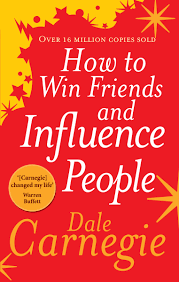
How to Win Friends and Influence People
Learn the timeless people skills that open doors, build influence, strengthen relationships, and help you succeed in business and life without manipulation or force.

Five Steps to Successful Selling
Master the foundations of persuasion, confidence, and ethical selling so you can close more deals, grow your income, and serve customers more effectively.

Acres of Diamonds
Discover how the opportunities you’ve been searching for may already exist right where you are — hidden in your skills, experiences, and environment.

Ask and It Is Given
Learn how your thoughts, emotions, and expectations shape your reality — and how to deliberately attract better outcomes into your life.

Awaken the Giant Within
Take control of your mindset, emotions, finances, and habits so you can unlock the power and potential already inside you.

Book of Proverbs
Timeless wisdom on discipline, money, relationships, leadership, and decision-making — practical success principles that still apply today.

I Moved Your Cheese
A simple but powerful lesson on challenging paradigms, overcoming fear, and rethinking the status quo in an ever-changing world.

Peaks and Valleys
Learn how to navigate life’s highs and lows wisely — and how difficult seasons can become stepping stones to greater success.

Secrets of the Millionaire Mind
Discover the hidden money beliefs shaping your financial life — and how to reprogram your mindset for wealth and abundance.

Switch
Understand why change is difficult — and learn practical strategies to successfully change habits, behaviors, and results.
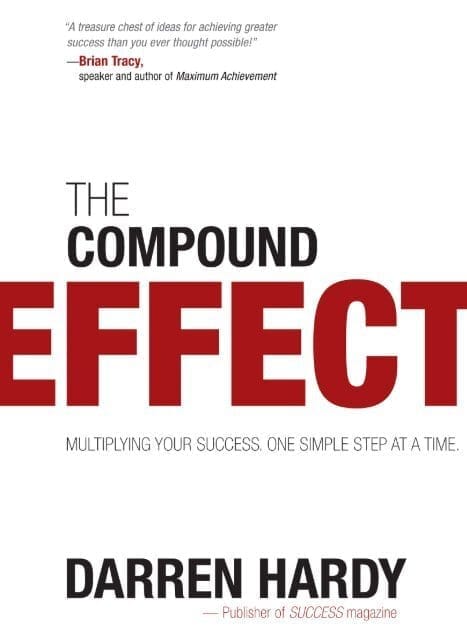
The Compound Effect
Small daily actions may seem insignificant, but over time they create extraordinary results in wealth, health, and success.

The Four Agreements
Four simple but life-changing principles to help you experience greater peace, freedom, confidence, and healthier relationships.
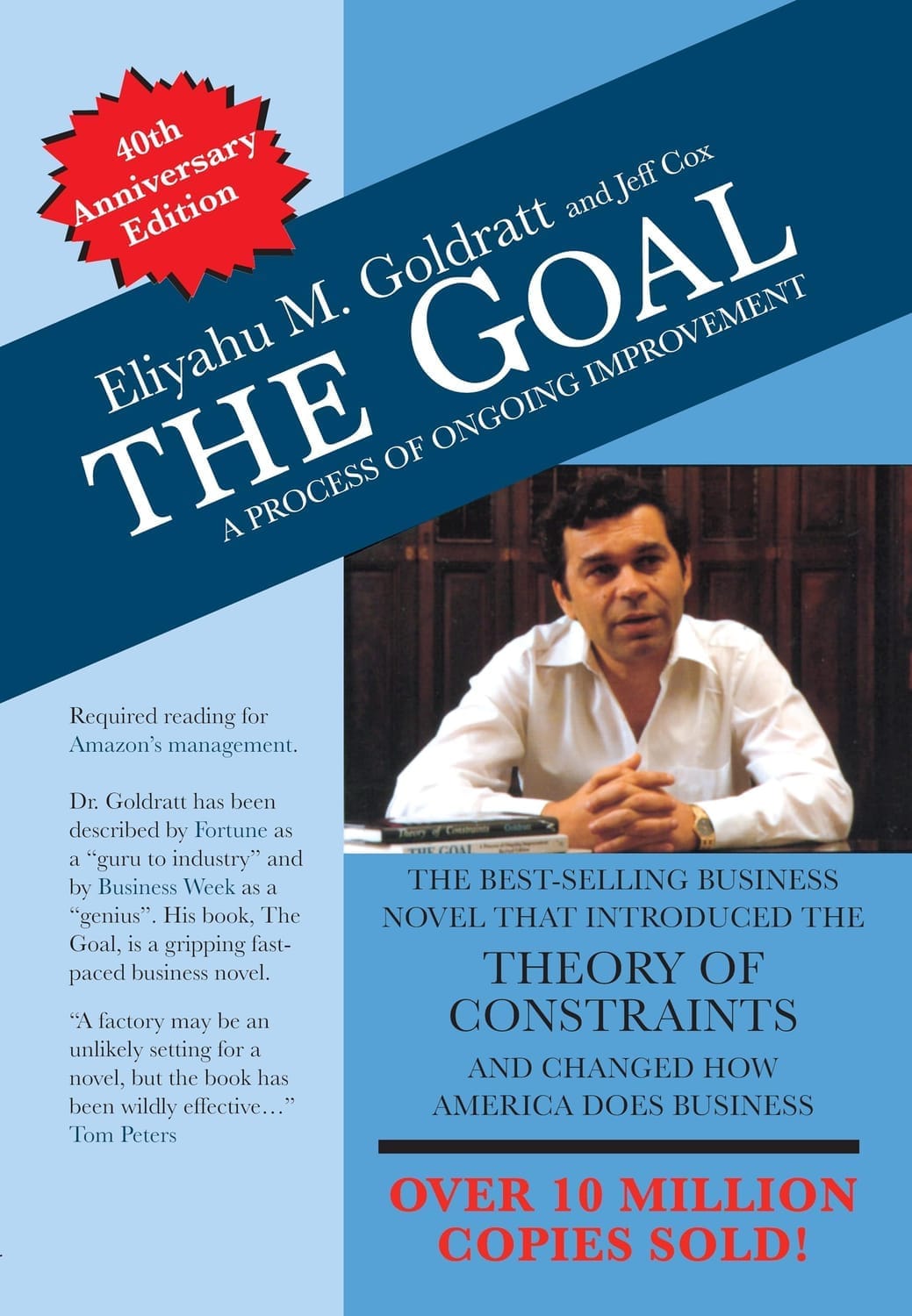
The Goal
A powerful business novel that teaches you how to identify bottlenecks, improve productivity, and focus on what truly drives results.

The Millionaire Booklet
A practical wake-up call about money, ambition, and the mindset required to escape financial struggle and pursue wealth seriously.
The One Thing
Learn how focusing on the most important task can dramatically improve your productivity, results, and quality of life.
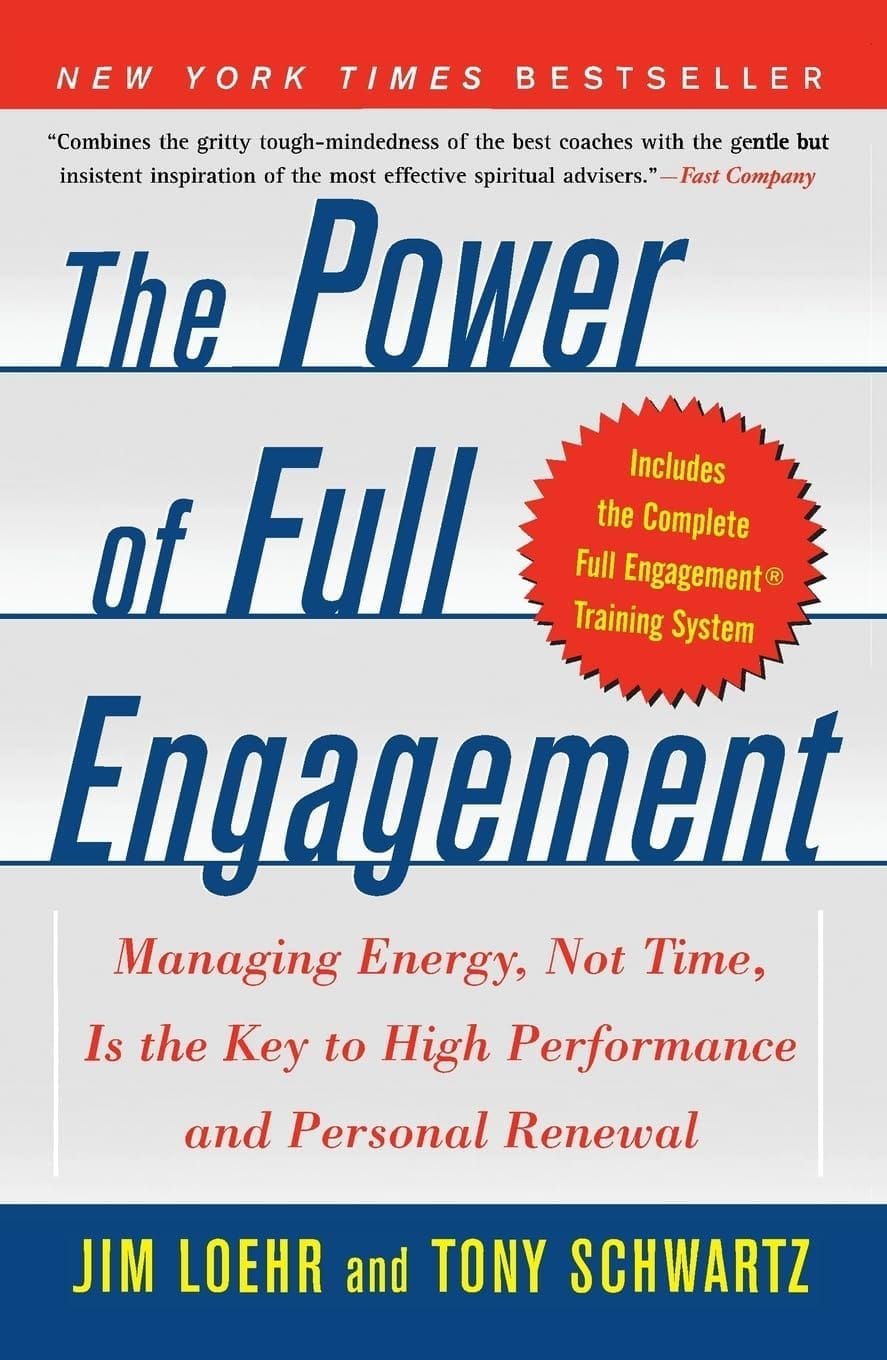
The Power of Full Engagement
Success isn’t just about managing time — it’s about managing your physical, emotional, mental, and spiritual energy effectively.
Richest Man In Babylon
Simple, timeless financial principles about saving, investing, discipline, and building long-term wealth.

The Strangest Secret
You become what you think about most. Learn how your thoughts shape your success, habits, and future.

The Way to Wealth
Classic lessons on hard work, discipline, frugality, and wise financial stewardship that remain relevant centuries later.

7 Spiritual Laws of Success
Discover spiritual principles that blend purpose, abundance, alignment, and inner peace with external success.

A Message to Garcia
A timeless lesson on initiative, responsibility, reliability, and becoming the kind of person who gets things done without excuses.
Great by Choice
Learn how exceptional companies succeed even in uncertainty through discipline, preparation, and consistent execution.
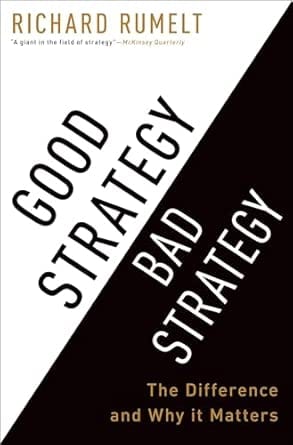
Good Strategy / Bad Strategy
Discover the difference between vague goals and real strategy — and learn how to focus your efforts where they matter most.

Think and Grow Rich
One of the most influential success books ever written — teaching the power of desire, faith, persistence, and focused action.

The Mental Equivalent
Learn how to create the mental and emotional conditions necessary to attract the life and outcomes you desire.

As a Man Thinketh
Your thoughts shape your character, habits, circumstances, and destiny. Master your mind and you transform your life.

The Game of Life
and How to Play It
A practical guide to spiritual laws, affirmations, faith, and aligning your thoughts and words with the life you want to create.

Dollar Success Club
A full system that shows you, step-by-step, how to start a real online business—even if you’re working full-time, even if you’ve never done this before.