Starting a Sports Equipment & Merch Business
Starting a sports equipment and merchandise business in South Africa can be an exciting and profitable venture. With a country passionate about sports like rugby, soccer, cricket, and running, there’s a high demand for quality gear, apparel, and merchandise. Whether you’re targeting local sports teams, individual athletes, or general fitness enthusiasts, this business offers a chance to combine your love for sports with entrepreneurship.
Here’s a step-by-step guide on how to start and grow a successful sports equipment and merch business in South Africa.
Business Concept: How It Works
A sports equipment and merch business involves selling products that cater to athletes, fitness enthusiasts, and sports fans. This can include everything from sports gear (like balls, nets, rackets, and apparel) to team merchandise (like jerseys, hats, and scarves). Your business can operate through a physical store, online, or both.
Who you're serving:
• Athletes: Professional and amateur athletes looking for high-quality sports gear.
• Schools and sports clubs: Teams and schools that need equipment and uniforms.
• Fitness enthusiasts: People buying gym equipment, fitness apparel, or accessories.
• Sports fans: Supporters of local and international teams who buy team merchandise, such as jerseys, scarves, or hats.
What you're selling:
• Sports equipment (soccer balls, cricket bats, tennis rackets, fitness gear, etc.)
• Team merchandise (official jerseys, caps, scarves, etc.)
• Fitness apparel and accessories (shoes, gym clothing, yoga mats, water bottles)
• Branded merchandise for local teams (customized jerseys and gear)
Purpose: Why Start This Kind of Business?
There are several reasons why starting a sports equipment and merch business makes sense:
• Growing sports culture: South Africans are passionate about sports, with millions of people involved in soccer, rugby, cricket, and fitness activities like running and cycling.
• High demand for quality gear: Schools, sports clubs, and individual athletes are always in need of equipment and apparel to perform at their best.
• Community connection: A sports equipment store can serve as a hub for local teams and sports enthusiasts, creating a sense of community and promoting healthy lifestyles.
• Merchandising opportunities: With the popularity of local and international teams, there’s a steady demand for sports merchandise, such as team jerseys and fan gear, which can be a profitable niche.
How to Determine If There’s a Need for This Product/Service
Before starting your sports equipment and merch business, it’s important to assess demand:
• Research local sports clubs and schools: Visit local sports clubs, gyms, and schools to understand what equipment they use and whether they struggle to find affordable, quality gear.
• Talk to athletes and fans: Engage with local sports teams and fitness enthusiasts to find out what equipment or merchandise they would like to see available.
• Online market research: Check online marketplaces like Takealot, Gumtree, and Facebook Marketplace to see what sports equipment and merchandise are being bought and sold. Look at pricing and customer reviews to gauge demand.
Different Variations of a Sports Equipment & Merch Business
There are several ways to structure your sports equipment and merch business, depending on your market and product focus:
1. General sports store: Offer a wide variety of sports equipment for different sports, such as soccer, rugby, cricket, tennis, and running, as well as fitness gear.
2. Specialty store: Focus on one sport (e.g., soccer or cricket) and offer a specialized selection of gear, apparel, and merchandise related to that sport.
3. Merchandising store: Focus on selling official team merchandise, like jerseys, scarves, and hats from local and international teams.
4. Online store: Operate an online-only store that sells sports equipment and merchandise, offering delivery across South Africa.
5. Custom gear store: Offer customized sports gear and apparel for local teams, schools, or corporate sports events. This could include printed jerseys, branded water bottles, and team uniforms.
Best Location to Operate This Business
Choosing the right location for your sports equipment business is key:
• Busy commercial areas: A physical store in a mall or shopping center can attract walk-in customers, especially near gyms, schools, or sporting venues.
• Near sports clubs or schools: If your business focuses on selling to local sports teams, setting up near schools, universities, or sports clubs can help you build a customer base.
• Online store: An e-commerce website allows you to reach customers across South Africa without the overhead of a physical store. This is especially useful if you're selling popular merchandise or have a strong social media presence.
Capital Requirements
The capital required to start a sports equipment and merch business can vary depending on whether you’re starting online or opening a physical store:
• Initial stock: Expect to spend anywhere from R30,000 to R100,000 on initial inventory, depending on the variety of sports equipment and merchandise you plan to offer.
• Store setup: If you’re opening a physical store, you’ll need to invest in shelving, displays, and décor. Budget R20,000 to R50,000 for this, depending on the size and location.
• E-commerce setup: If you’re starting an online store, you’ll need a website with e-commerce functionality. Building a professional website could cost R5,000 to R15,000, depending on the platform and features.
• Marketing and branding: Allocate R5,000 to R10,000 for marketing efforts, such as social media ads, business cards, and flyers to promote your store.
In total, you could start a small online store with R20,000 to R50,000, while a physical store would require R50,000 to R150,000, depending on your location and inventory.
How to Start Part-Time and Grow Into Full-Time
If you’re not ready to commit to a full-time business, starting part-time is a great way to test the market:
• Start online: Begin by selling sports gear and merchandise on platforms like Takealot, Bidorbuy, or Facebook Marketplace. This allows you to build a customer base without needing a physical store.
• Attend sports events: Set up a stall at local sports events or markets to sell your products. This will help you network with local teams and build a community presence.
• Expand inventory: Once you’ve built up regular customers and cash flow, you can gradually expand your product line or open a physical store.
How Much Money Can You Expect to Make?
Your earnings will depend on your pricing, sales volume, and the types of products you sell:
• Profit margins: Sports equipment can have margins of 30% to 50%, while branded merchandise like jerseys can have higher margins of 50% to 70%, especially if they’re official team gear.
• Monthly sales: A part-time online store could generate R5,000 to R20,000 per month, while a full-time store in a busy area could see monthly earnings of R30,000 to R100,000 or more, depending on demand.
Equipment, Tools, and Resources for Success
To run a successful sports equipment and merch business, you’ll need:
• Inventory management software: Tools like Shopify or Square can help track stock levels, process orders, and manage your online store.
• POS system: A point-of-sale system like Yoco or iKhokha will help you process payments in-store.
• Displays and shelving: Invest in good-quality shelving and display racks to showcase your sports gear and merchandise, making it easier for customers to browse.
• Website and social media: A well-designed website with e-commerce functionality is essential for online sales. Social media platforms like Instagram and Facebook can help you market your products and engage with customers.
Employees, Insurance, and Legislative Issues
As your business grows, you may need to hire additional staff:
• Sales assistants: If you operate a physical store, you’ll need salespeople to assist customers, handle inventory, and manage the cash register.
• Online support: If you’re running an online store, a part-time employee to manage customer inquiries, process orders, and handle shipping could be helpful.
Insurance: You’ll need business insurance to protect your store and inventory against theft, damage, or accidents. If you’re selling high-value sports gear, product liability insurance may also be required.
Legislation: Register your business with the CIPC (Companies and Intellectual Property Commission) and ensure you comply with SARS tax regulations. If you’re selling imported goods or official team merchandise, ensure you have the necessary licensing agreements in place.
Potential Obstacles to Look Out For
1. Stock management: Keeping a balanced inventory can be challenging. You’ll need to ensure you don’t overstock low-demand items or understock high-demand gear.
2. Seasonality: Certain sports are seasonal, which could lead to fluctuations in sales. For example, cricket gear might sell more in summer, while soccer gear is popular year-round.
3. Competition: You’ll be competing with established sports stores, both online and offline. Offering niche products, excellent service, and competitive pricing will help you stand out.
4. Counterfeit merchandise: If you’re selling team merchandise, be aware of counterfeit products and ensure you’re sourcing from legitimate suppliers.
Future Expansion Opportunities
As your sports equipment and merch business grows, there are several ways to expand:
• Offer more products: Add new sports categories (like hiking, swimming, or cycling) or expand into fitness accessories like resistance bands, yoga mats, or supplements.
• Partner with local teams: Sponsor local sports teams or clubs, offering them discounted or custom-branded equipment and merchandise. This can increase your visibility and build loyalty.
• Franchise your business: If your brand becomes popular, you could consider opening additional locations or franchising your concept to other entrepreneurs.
• E-commerce growth: Invest in online marketing to grow your e-commerce business, offering nationwide delivery and expanding your customer base beyond your local area.
Skills, Training, and Leadership Traits Business Owners Must Possess
To run a successful sports equipment and merch business, you’ll need:
• Product knowledge: Understanding the different types of sports gear and merchandise will help you recommend the best products to your customers.
• Customer service: Building a loyal customer base means offering friendly, helpful, and responsive service, both in-store and online.
• Inventory management: Knowing how to manage stock levels, reorder popular items, and avoid overstocking will keep your business profitable.
• Marketing and sales: You’ll need to promote your business effectively through social media, email marketing, and local partnerships to attract and retain customers.
How to Price Products and Services
Pricing will depend on your costs, market demand, and the type of products you’re selling:
• Cost-plus pricing: Calculate your costs (including purchasing, shipping, and handling) and add a markup of 30% to 50% for sports equipment and 50% to 70% for branded merchandise.
• Competitive pricing: Research competitors in your area and online to ensure your prices are in line with market rates, while still allowing for a healthy profit margin.
• Discounts and promotions: Offer promotions like “Buy one, get one free” or discounts for bulk orders to encourage more sales.
How to Stand Out from the Competition
In a competitive market, it’s important to differentiate your sports equipment and merch business:
• Niche focus: Specialize in a specific sport or fitness category (e.g., soccer, running, or gym equipment) to attract a dedicated customer base.
• Custom merchandise: Offer personalized or custom-printed gear for local teams, schools, or corporate events.
• Community involvement: Sponsor local sports events or clubs, or host workshops and fitness sessions to build a sense of community around your store.
• Excellent customer service: Go the extra mile by offering product recommendations, flexible return policies, and loyalty programs to keep customers coming back.
Marketing Avenues to Attract Customers
Effective marketing will help build a steady flow of customers:
• Social media marketing: Use platforms like Instagram, Facebook, and YouTube to showcase your products, share sports-related content, and engage with your audience.
• Google Ads: Run targeted ads based on popular search terms like “sports equipment in South Africa” or “buy team jerseys online” to attract customers actively searching for your products.
• Sponsorships and partnerships: Sponsor local sports events, teams, or athletes, and offer branded gear to increase visibility in your community.
• Email marketing: Build an email list of customers and send regular newsletters with promotions, new products, and sports-related content to keep them engaged.
Starting a sports equipment and merch business in South Africa is an exciting opportunity to serve the country’s sports-loving community. Whether you’re catering to athletes, teams, or fans, the key to success lies in offering high-quality products, building strong relationships with customers, and effectively marketing your brand. With the right approach, you can grow this business into a thriving venture that serves your passion for sports and entrepreneurship.
Joined Dollar Success Club?
This is a community for people who want to:
• Start an online business
• Build multiple income streams
• Learn marketing and sales
• Turn ideas into profitable systems
Join the community here:
https://www.successclub.co.za/dollar
What You Miss By Not Joining Dollar Success Club...
Free practical action-based workbooks designed to help you apply powerful success principles immediately.
Topics include:
Mindset, Wealth, Discipline, Spirituality, Productivity, Purpose, Relationships, and so much more...
How to Win Friends and Influence People
Learn the timeless people skills that open doors, build influence, strengthen relationships, and help you succeed in business and life without manipulation or force.
Five Steps to Successful Selling
Master the foundations of persuasion, confidence, and ethical selling so you can close more deals, grow your income, and serve customers more effectively.

Acres of Diamonds
Discover how the opportunities you’ve been searching for may already exist right where you are — hidden in your skills, experiences, and environment.

Ask and It Is Given
Learn how your thoughts, emotions, and expectations shape your reality — and how to deliberately attract better outcomes into your life.

Awaken the Giant Within
Take control of your mindset, emotions, finances, and habits so you can unlock the power and potential already inside you.

Book of Proverbs
Timeless wisdom on discipline, money, relationships, leadership, and decision-making — practical success principles that still apply today.

I Moved Your Cheese
A simple but powerful lesson on challenging paradigms, overcoming fear, and rethinking the status quo in an ever-changing world.

Peaks and Valleys
Learn how to navigate life’s highs and lows wisely — and how difficult seasons can become stepping stones to greater success.

Secrets of the Millionaire Mind
Discover the hidden money beliefs shaping your financial life — and how to reprogram your mindset for wealth and abundance.

Switch
Understand why change is difficult — and learn practical strategies to successfully change habits, behaviors, and results.
The Compound Effect
Small daily actions may seem insignificant, but over time they create extraordinary results in wealth, health, and success.

The Four Agreements
Four simple but life-changing principles to help you experience greater peace, freedom, confidence, and healthier relationships.
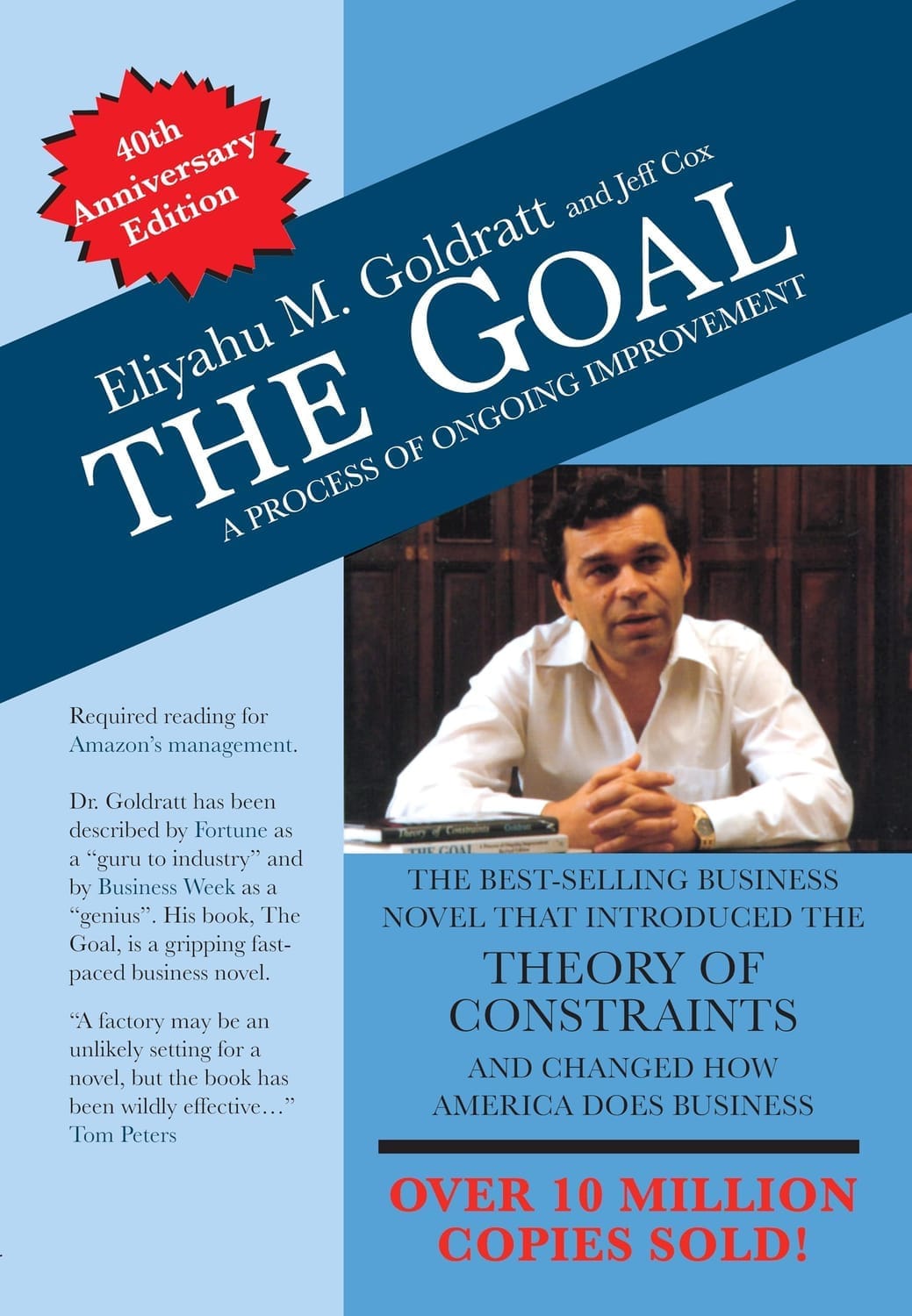
The Goal
A powerful business novel that teaches you how to identify bottlenecks, improve productivity, and focus on what truly drives results.
The Millionaire Booklet
A practical wake-up call about money, ambition, and the mindset required to escape financial struggle and pursue wealth seriously.
The One Thing
Learn how focusing on the most important task can dramatically improve your productivity, results, and quality of life.
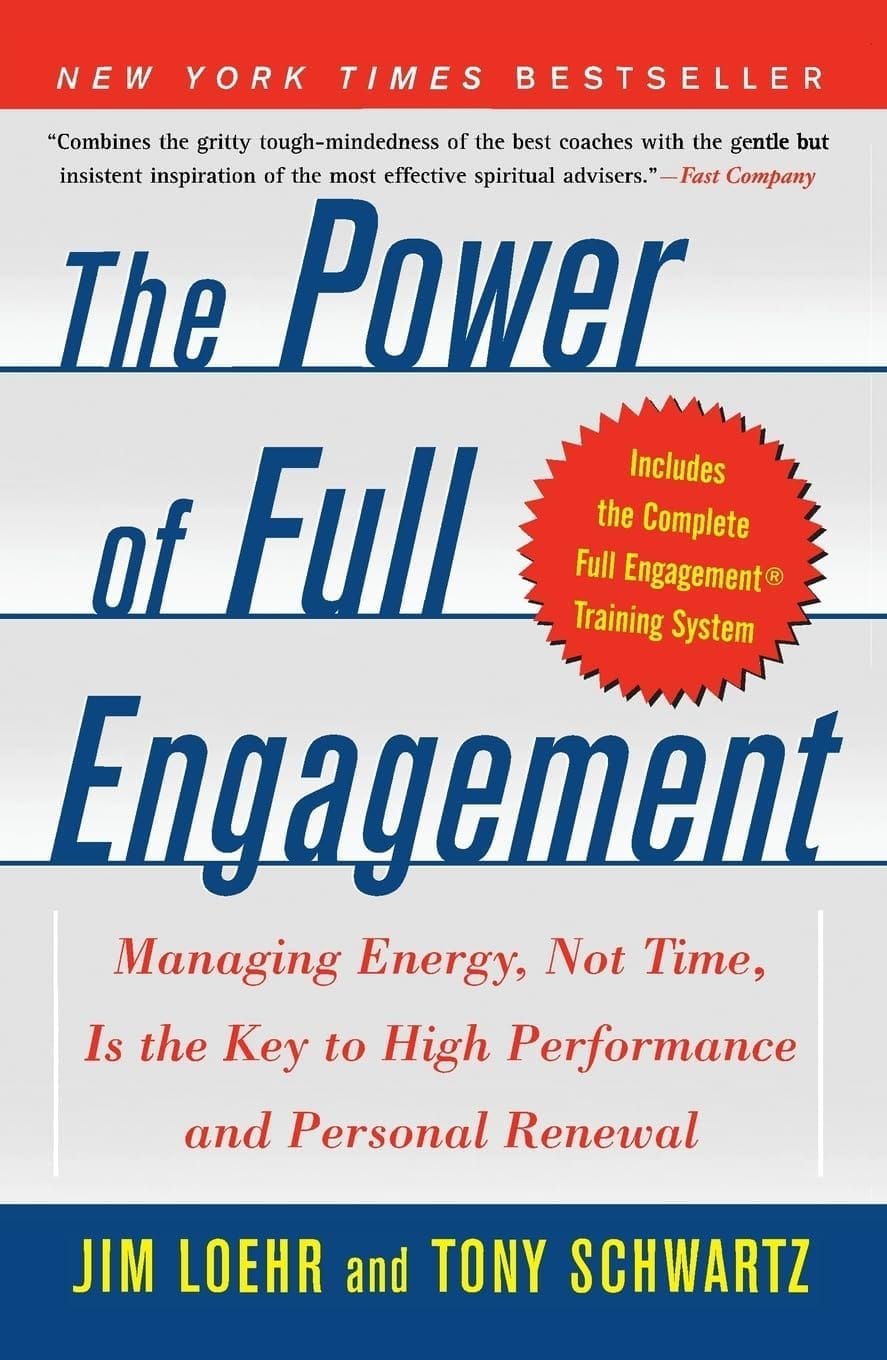
The Power of Full Engagement
Success isn’t just about managing time — it’s about managing your physical, emotional, mental, and spiritual energy effectively.
Richest Man In Babylon
Simple, timeless financial principles about saving, investing, discipline, and building long-term wealth.

The Strangest Secret
You become what you think about most. Learn how your thoughts shape your success, habits, and future.

The Way to Wealth
Classic lessons on hard work, discipline, frugality, and wise financial stewardship that remain relevant centuries later.

7 Spiritual Laws of Success
Discover spiritual principles that blend purpose, abundance, alignment, and inner peace with external success.

A Message to Garcia
A timeless lesson on initiative, responsibility, reliability, and becoming the kind of person who gets things done without excuses.
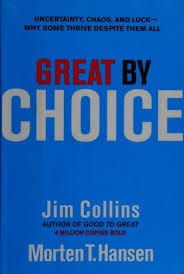
Great by Choice
Learn how exceptional companies succeed even in uncertainty through discipline, preparation, and consistent execution.
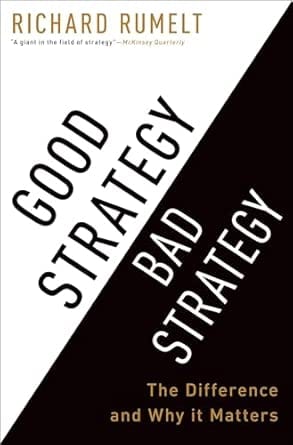
Good Strategy / Bad Strategy
Discover the difference between vague goals and real strategy — and learn how to focus your efforts where they matter most.

Think and Grow Rich
One of the most influential success books ever written — teaching the power of desire, faith, persistence, and focused action.

The Mental Equivalent
Learn how to create the mental and emotional conditions necessary to attract the life and outcomes you desire.

As a Man Thinketh
Your thoughts shape your character, habits, circumstances, and destiny. Master your mind and you transform your life.

The Game of Life
and How to Play It
A practical guide to spiritual laws, affirmations, faith, and aligning your thoughts and words with the life you want to create.

Dollar Success Club
A full system that shows you, step-by-step, how to start a real online business—even if you’re working full-time, even if you’ve never done this before.