
Starting a Welding and Metalworks Business
Starting a welding and metalworks business in South Africa can be a profitable venture, as welding is essential for a wide range of industries, from construction and manufacturing to home improvement and artistic metalwork. By offering welding and custom metalwork services, you can tap into a growing market that requires everything from simple repairs to large-scale industrial projects.
Here’s a comprehensive guide to help you start and grow a successful welding and metalworks business in South Africa.
Business Concept: How It Works
A welding and metalworks business involves providing welding services for a variety of clients. This can include custom metal fabrication, repair jobs, construction work, and even artistic metal creations like gates, railings, and sculptures. Welding uses high heat to fuse metals together, and your job as a welder is to create strong, durable joints for structures or products.
Who you're serving:
• Construction companies: Building contractors often need welders for structural steel work, gates, fences, and scaffolding.
• Manufacturers: Companies in manufacturing require welding for machinery, metal parts, and equipment repair.
• Homeowners: Individuals looking for gates, security bars, carports, and custom metal pieces for their homes.
• Artists and designers: People looking for custom metal art, furniture, or sculptures.
• Automotive repair shops: Providing welding for vehicle repair, such as exhausts or bodywork.
What you're selling:
• Custom welding and fabrication services (gates, fences, carports, etc.)
• Structural welding for construction projects
• Repairs and maintenance (machinery, metal parts)
• Decorative metalwork and sculptures
• Metal furniture and artistic installations
Purpose: Why Start This Kind of Business?
There are several reasons why starting a welding and metalworks business is a good idea:
• High demand: Welding services are essential across many sectors, including construction, manufacturing, and home improvement. South Africa’s growing infrastructure needs mean that welding services will continue to be in demand.
• Profitable: Welding projects, especially custom fabrication or large-scale construction, can be highly profitable.
• Flexibility: You can offer a wide range of services, from small repair jobs to large fabrication projects, allowing you to tailor your offerings to the market.
• Skilled trade: Welding is a specialized skill, which means less competition compared to some other businesses. With proper training, you can establish a reputation as an expert in your field.
How to Determine If There’s a Need for This Product/Service
Before starting your business, it’s important to assess the market demand:
• Research local industries: Look at the construction, manufacturing, and automotive industries in your area. These sectors often have high demand for welding services.
• Talk to potential clients: Engage with local construction firms, auto shops, or homeowners to understand their welding needs. What services are in high demand? Is there a shortage of reliable welders?
• Study competitors: See how many welding businesses are operating in your region. Are they focusing on certain niches like construction or home repairs? Understanding what others offer can help you identify gaps in the market.
Different Variations of a Welding Business
There are different ways to structure your welding business based on your expertise and market demand:
1. Construction welding: Specialize in welding for construction projects, including structural steel fabrication, gates, and railings.
2. Custom metalwork: Focus on creating bespoke items like furniture, metal gates, carports, and decorative pieces for homes and businesses.
3. Automotive welding: Offer welding services for vehicle repair and modification, such as fixing exhaust systems, car frames, or custom parts.
4. Industrial welding: Serve large manufacturing or industrial clients that need heavy-duty welding services for machinery, equipment, or parts.
5. Mobile welding services: Offer on-site welding services, especially for clients who need immediate repairs or welding work on location.
Best Location to Operate This Business
Choosing the right location for your welding business is essential for success:
• Industrial areas: If your target market includes construction companies and manufacturers, setting up a workshop in an industrial zone close to your clients can be ideal.
• Residential areas: If you’re focusing on homeowners (e.g., gates, carports, security bars), being located in or near residential areas can attract more local business.
• Mobile welding: A mobile welding business allows you to travel to clients’ locations, reducing the need for a dedicated workshop and offering flexibility.
• Online presence: Even if you have a physical workshop, an online presence is essential to reach customers, showcase your portfolio, and promote your services.
Capital Requirements
Starting a welding business requires an initial investment in equipment and space:
• Welding machines: You’ll need different types of welding machines (MIG, TIG, arc welding) depending on the services you offer. Expect to spend R10,000 to R30,000 for a basic setup.
• Protective gear: Welding requires safety equipment like helmets, gloves, and aprons. Budget R5,000 to R10,000 for this.
• Workshop space: If you’re renting a workshop, expect to pay R5,000 to R20,000 per month, depending on the size and location.
• Raw materials: You’ll need metal sheets, rods, and other raw materials for fabrication work. Starting inventory can cost R5,000 to R20,000 depending on the scale of your operations.
• Transportation: A vehicle (like a van or truck) is essential for transporting materials or offering mobile welding services. This can cost anywhere from R50,000 to R150,000, depending on whether you buy new or second-hand.
In total, you can expect to start a small welding business with R50,000 to R150,000 depending on your equipment and setup needs.
How to Start Part-Time and Grow Into Full-Time
Starting part-time allows you to test the market and build a client base before fully committing:
• Offer mobile services: Begin by offering on-site welding services for small jobs while working from home or a shared workshop space. This reduces overhead costs and allows you to gradually grow your business.
• Take on freelance projects: Reach out to construction companies, manufacturers, or auto shops to take on smaller, freelance welding projects.
• Expand over time: As your reputation grows and you secure more clients, you can invest in a larger workshop, hire staff, and transition to full-time.
How Much Money Can You Expect to Make?
Your earnings will depend on the type of services you offer and the size of the projects:
• Hourly rates: Welders in South Africa typically charge between R250 to R600 per hour, depending on the complexity of the job and their experience.
• Project-based pricing: For larger custom projects (like gates or carports), you can charge between R10,000 to R50,000 depending on the size and materials involved.
• Monthly earnings: A part-time welder could earn between R10,000 to R30,000 per month, while a full-time business with a steady flow of projects could see earnings between R50,000 and R150,000 or more per month.
Equipment, Tools, and Resources for Success
To run a successful welding business, you’ll need the following equipment and tools:
• Welding machines: MIG, TIG, and arc welding machines for different types of metalwork.
• Cutting and grinding tools: Tools like angle grinders, plasma cutters, and cutting torches for shaping and cutting metal.
• Protective gear: High-quality welding helmets, gloves, safety glasses, and aprons to ensure safety during work.
• Workbenches and clamps: Sturdy workbenches and clamps for securing materials during welding.
• Transportation: A van or truck for mobile welding services and transporting materials.
Employees, Insurance, and Legislative Issues
As your business grows, you may need additional help:
• Welders and assistants: If demand increases, hiring additional welders or apprentices can help you take on more projects.
• Office staff: As your business expands, you may need administrative help to manage customer inquiries, quotes, and bookings.
Insurance: Welding involves risk, so you’ll need business insurance to cover liability, accidents, and damages. Consider public liability insurance to protect against injury or damage during projects.
Legislation: Register your business with the CIPC (Companies and Intellectual Property Commission) and ensure you comply with SARS tax regulations. You may also need to adhere to local health and safety regulations, especially for construction or on-site welding work.
Potential Obstacles to Look Out For
1. Safety risks: Welding is dangerous, with risks of burns, electrical shocks, and eye damage. Ensuring proper safety protocols and training for staff is essential.
2. Economic fluctuations: The demand for welding services can be affected by the economy, especially in industries like construction. Diversifying your services can help protect against downturns.
3. Equipment maintenance: Welding equipment requires regular maintenance. Downtime caused by faulty equipment can lead to project delays and lost income.
Future Expansion Opportunities
Once your welding business is established, there are several ways to expand:
• Offer additional services: Add metal cutting, custom fabrication, or powder coating to your list of services.
• Focus on high-end projects: Shift towards more custom, high-end metalwork, such as artistic sculptures, designer gates, or bespoke furniture.
• Train and certify apprentices: Offer welding training or apprenticeships to the next generation of welders, creating an additional revenue stream while growing your business.
• Expand into related fields: Consider expanding into related industries, such as metal recycling, sheet metal work, or industrial construction.
Skills, Training, and Leadership Traits Business Owners Must Possess
To run a successful welding and metalworks business, you’ll need:
• Welding skills: You should be proficient in various types of welding (MIG, TIG, arc welding) and understand how to work with different metals.
• Problem-solving abilities: Every project is different, and you’ll need to find solutions to technical challenges, design issues, or client requirements.
• Attention to detail: Quality craftsmanship is crucial in welding. Ensuring precise, clean welds and accurate fabrication is key to building a reputation for quality work.
• Business and management skills: As your business grows, you’ll need to manage employees, budgets, and customer expectations while keeping projects on time and within budget.
How to Price Products and Services
Pricing your welding services will depend on the type of work and the complexity of the project:
• Hourly rates: Charge an hourly rate of R250 to R600 based on your experience, the complexity of the job, and the market in your area.
• Project-based pricing: For custom fabrication work, factor in the cost of materials, labor, and overhead before adding a markup for profit. For example, a custom gate might cost R10,000 to R50,000 depending on size and design.
• Competitive pricing: Research your local competitors and ensure your prices are competitive while still allowing for a healthy profit margin.
How to Stand Out from the Competition
In a competitive market, you’ll need to differentiate your welding business:
• Specialize in a niche: Focus on a specific type of welding, such as artistic metalwork, industrial welding, or automotive welding, to build a reputation as an expert in that field.
• Deliver high-quality craftsmanship: Word-of-mouth is powerful in the welding industry. Consistently deliver high-quality work to build a loyal customer base.
• Offer excellent customer service: Be responsive, reliable, and professional. Clients appreciate a business that communicates clearly and meets deadlines.
• Showcase your work: Use social media platforms like Instagram, Facebook, and LinkedIn to share photos of completed projects and client testimonials, helping you build trust and attract new customers.
Marketing Avenues to Attract Customers
To attract customers, you’ll need to market your welding services effectively:
• Social media: Use platforms like Instagram, Facebook, and YouTube to showcase your work, share welding tips, and post behind-the-scenes content. Visuals of custom metalwork or industrial projects can attract attention.
• Website and SEO: Build a professional website that highlights your services, portfolio, and contact information. Use search engine optimization (SEO) to rank higher on Google for terms like "welding services in South Africa" or "custom metal fabrication."
• Local advertising: Advertise in local newspapers, industry magazines, or on community boards. Consider placing ads in directories for construction and manufacturing businesses.
• Networking: Join local business associations or industry groups to network with potential clients, such as construction companies, real estate developers, or manufacturing firms.
Starting a welding and metalworks business in South Africa offers plenty of opportunities for growth and profitability, especially if you have the right skills and market your services effectively. Whether you focus on custom metal fabrication, mobile welding, or large industrial projects, there is strong demand for quality welding work in various industries. By building a reputation for high-quality craftsmanship and excellent customer service, you can establish a thriving business in this dynamic sector.
Joined Dollar Success Club?
This is a community for people who want to:
• Start an online business
• Build multiple income streams
• Learn marketing and sales
• Turn ideas into profitable systems
Join the community here:
https://www.successclub.co.za/dollar
What You Miss By Not Joining Dollar Success Club...
Free practical action-based workbooks designed to help you apply powerful success principles immediately.
Topics include:
Mindset, Wealth, Discipline, Spirituality, Productivity, Purpose, Relationships, and so much more...

How to Win Friends and Influence People
Learn the timeless people skills that open doors, build influence, strengthen relationships, and help you succeed in business and life without manipulation or force.

Five Steps to Successful Selling
Master the foundations of persuasion, confidence, and ethical selling so you can close more deals, grow your income, and serve customers more effectively.

Acres of Diamonds
Discover how the opportunities you’ve been searching for may already exist right where you are — hidden in your skills, experiences, and environment.

Ask and It Is Given
Learn how your thoughts, emotions, and expectations shape your reality — and how to deliberately attract better outcomes into your life.

Awaken the Giant Within
Take control of your mindset, emotions, finances, and habits so you can unlock the power and potential already inside you.

Book of Proverbs
Timeless wisdom on discipline, money, relationships, leadership, and decision-making — practical success principles that still apply today.

I Moved Your Cheese
A simple but powerful lesson on challenging paradigms, overcoming fear, and rethinking the status quo in an ever-changing world.

Peaks and Valleys
Learn how to navigate life’s highs and lows wisely — and how difficult seasons can become stepping stones to greater success.

Secrets of the Millionaire Mind
Discover the hidden money beliefs shaping your financial life — and how to reprogram your mindset for wealth and abundance.

Switch
Understand why change is difficult — and learn practical strategies to successfully change habits, behaviors, and results.

The Compound Effect
Small daily actions may seem insignificant, but over time they create extraordinary results in wealth, health, and success.

The Four Agreements
Four simple but life-changing principles to help you experience greater peace, freedom, confidence, and healthier relationships.
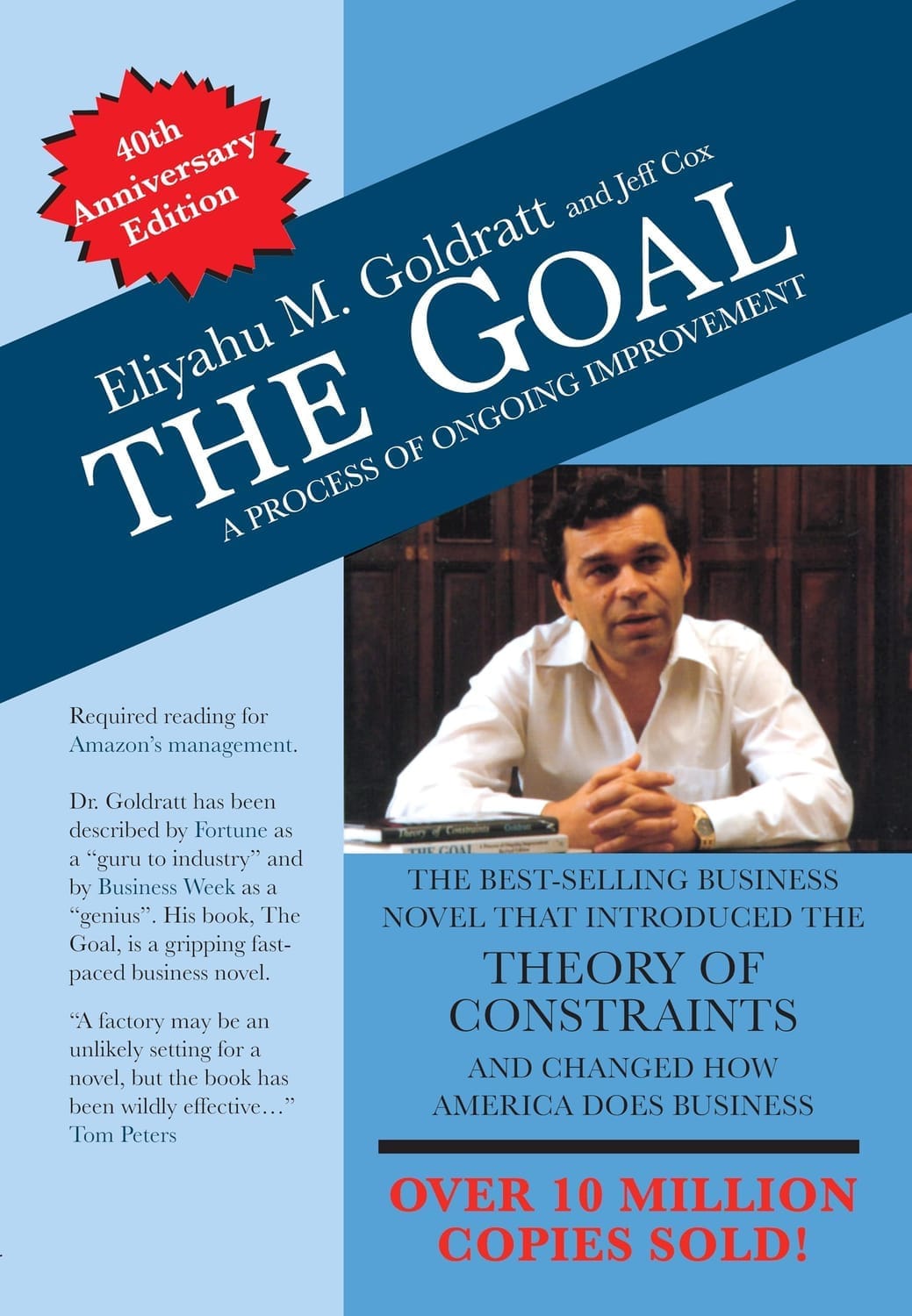
The Goal
A powerful business novel that teaches you how to identify bottlenecks, improve productivity, and focus on what truly drives results.

The Millionaire Booklet
A practical wake-up call about money, ambition, and the mindset required to escape financial struggle and pursue wealth seriously.
The One Thing
Learn how focusing on the most important task can dramatically improve your productivity, results, and quality of life.
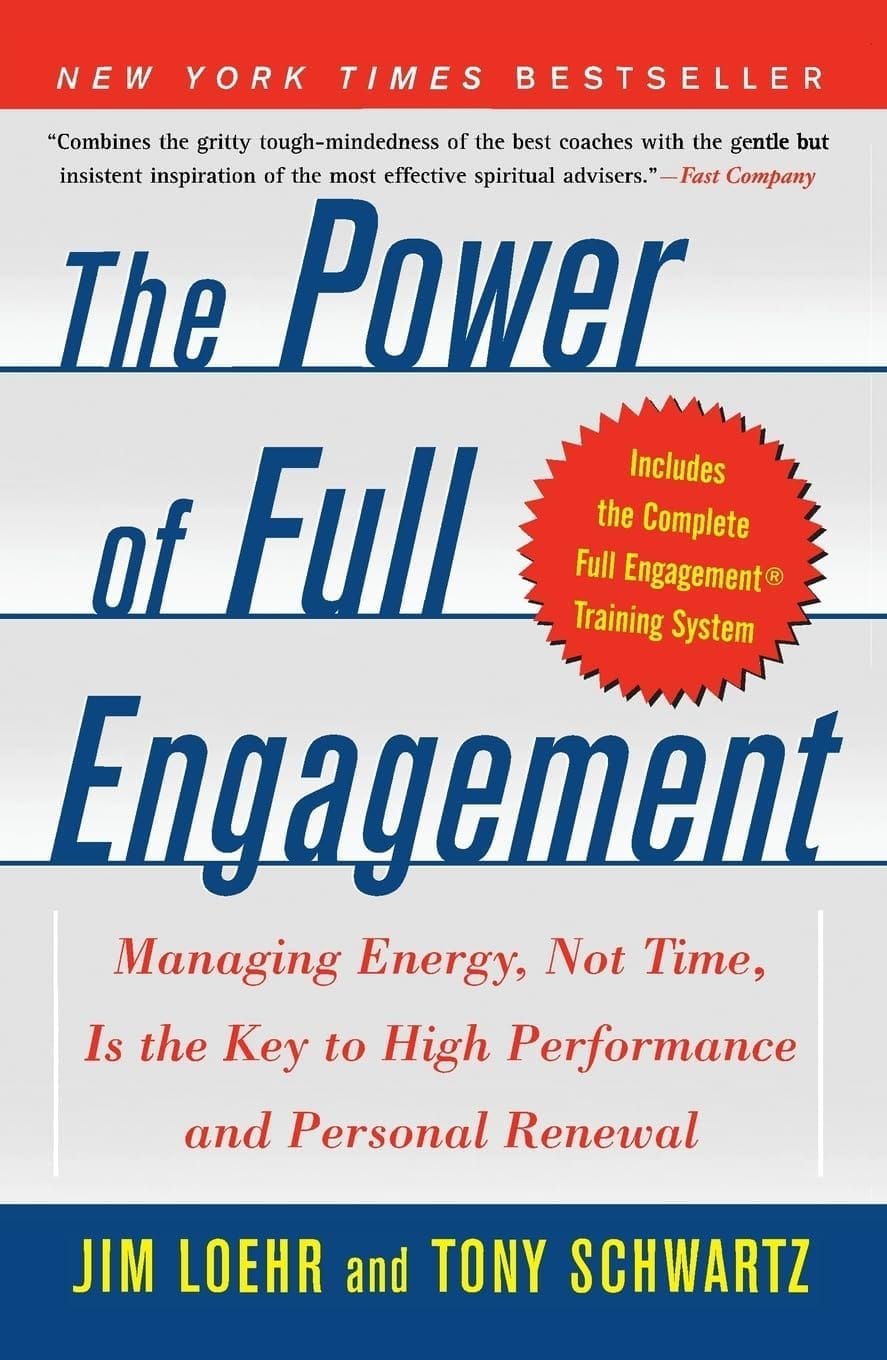
The Power of Full Engagement
Success isn’t just about managing time — it’s about managing your physical, emotional, mental, and spiritual energy effectively.
Richest Man In Babylon
Simple, timeless financial principles about saving, investing, discipline, and building long-term wealth.

The Strangest Secret
You become what you think about most. Learn how your thoughts shape your success, habits, and future.

The Way to Wealth
Classic lessons on hard work, discipline, frugality, and wise financial stewardship that remain relevant centuries later.

7 Spiritual Laws of Success
Discover spiritual principles that blend purpose, abundance, alignment, and inner peace with external success.

A Message to Garcia
A timeless lesson on initiative, responsibility, reliability, and becoming the kind of person who gets things done without excuses.
Great by Choice
Learn how exceptional companies succeed even in uncertainty through discipline, preparation, and consistent execution.
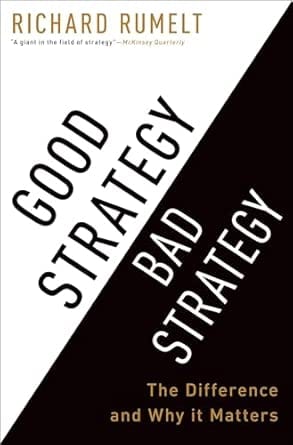
Good Strategy / Bad Strategy
Discover the difference between vague goals and real strategy — and learn how to focus your efforts where they matter most.

Think and Grow Rich
One of the most influential success books ever written — teaching the power of desire, faith, persistence, and focused action.

The Mental Equivalent
Learn how to create the mental and emotional conditions necessary to attract the life and outcomes you desire.

As a Man Thinketh
Your thoughts shape your character, habits, circumstances, and destiny. Master your mind and you transform your life.

The Game of Life
and How to Play It
A practical guide to spiritual laws, affirmations, faith, and aligning your thoughts and words with the life you want to create.

Dollar Success Club
A full system that shows you, step-by-step, how to start a real online business—even if you’re working full-time, even if you’ve never done this before.