
Starting a Conference\/Seminar Venue Business
Hosting conferences, seminars, and events is a thriving industry in South Africa. From corporate meetings and training sessions to weddings and community gatherings, event spaces are always in demand. If you’re considering starting a conference/seminar venue business, this guide will walk you through everything you need to know.
Business Concept: How It Works,
Who You’re Serving, and What You’re Selling
A conference/seminar venue provides a dedicated space for hosting events such as business meetings, corporate training, workshops, seminars, and social gatherings. Your venue can range from a small meeting room for intimate groups to a large hall for conferences and corporate functions.
Who You’re Serving:
Corporate Clients: Businesses needing space for conferences, presentations, and team-building sessions.
Event Planners: Professionals who organize weddings, parties, and networking events.
Training Providers: Educators and facilitators who run workshops, training sessions, or motivational seminars.
Community Organizations: Non-profits, churches, and clubs often require affordable meeting spaces.
Entrepreneurs and Creators: Digital nomads, content creators, and small business owners looking for spaces for presentations or product launches.
What You’re Selling:
Venue Space Rental: Charging for hourly, half-day, or full-day use of your space.
Add-On Services: Offering extras like catering, audio-visual equipment, and event coordination.
Meeting Room Packages: Providing flexible packages for recurring bookings, especially for corporate clients.
Purpose - Why Start This Kind of Business?
Starting a conference/seminar venue offers several benefits:
✅ Steady Demand: With South Africa’s strong business environment and active social scene, conference and event spaces are consistently in demand.
✅ Diverse Income Streams: Beyond room rentals, you can earn from catering, equipment hire, décor services, and more.
✅ Scalable Business Model: Start small with a single room and expand into a larger venue or multiple locations as your business grows.
✅ Community Impact: Hosting networking events, workshops, or charity fundraisers allows you to connect with and contribute to your local community.
How to Determine
if There’s a Need for This Kind of Business
Market Research:
Identify local businesses, schools, non-profits, and government departments that may need a conference venue.
Explore competitor venues and assess their pricing, services, and customer base.
Speak to event planners, training facilitators, and corporate HR departments to understand their venue needs.
Survey the Community:
Ask local businesses what challenges they face when booking conference spaces.
Identify gaps in your area — for example, affordable venues for startups or luxurious spaces for corporate clients.
Test the Market:
Consider offering your home, office space, or a rented hall for small workshops or networking events to test demand before committing to a full venue setup.
Different Variations of the Business
There are several ways to specialize within the conference/seminar venue market:
Business-Focused Venues: Tailor your space for corporate meetings, workshops, and training sessions.
Creative Spaces: Designed for content creators, photographers, or artists who need a flexible environment.
Event Halls and Banquet Venues: Ideal for weddings, award ceremonies, and special events.
Co-Working Spaces with Event Facilities: Combine office spaces with rentable conference rooms for flexible revenue.
Hybrid Venues: Offer both in-person and virtual conferencing solutions with live streaming and tech support.
Best Location to Operate This Business
Choosing the right location is critical. Consider these options:
✅ Near Business Districts: To attract corporate clients.
✅ Close to Educational Institutions: Universities and training centers often require seminar spaces.
✅ Tourist Hotspots: Great for destination conferences, retreats, or events.
✅ Accessible Suburbs or Industrial Areas: These areas may offer lower rental costs while still attracting business clients.
✅ Proximity to Hotels and Restaurants: This adds convenience for out-of-town guests.
Capital Requirements
Your initial investment will depend on the size and style of your venue.
Startup Costs Estimate:
✅ Venue Lease/Property Purchase: R10,000 – R50,000/month (depending on size and location).
✅ Furniture and Decor: R20,000 – R100,000 (tables, chairs, stage setup, etc.).
✅ Audio-Visual Equipment: R10,000 – R50,000 (projectors, screens, microphones, etc.).
✅ Catering Equipment (if applicable): R10,000 – R30,000.
✅ Marketing and Branding: R5,000 – R15,000 for logos, signage, and digital promotion.
Estimated Total: R100,000 – R300,000
How to Start Part-Time and Grow into Full-Time
Starting small and scaling up is a smart strategy:
Start by Renting a Space: Instead of leasing a permanent venue, rent an event hall or function room when needed.
Offer Flexible Packages: Begin by targeting smaller meetings or workshops that require less equipment and setup.
Partner with Caterers and Service Providers: Outsourcing catering, décor, and equipment rental reduces upfront costs.
Use Your Home or Garage Space: If suitable, start by hosting small seminars at home to minimize costs.
Once your client base grows, you can invest in a dedicated venue.
How Much Money Can I Expect to Make?
Revenue depends on your pricing model, capacity, and service offerings.
Average Rates in South Africa:
Small Meeting Room (10–20 people): R500 – R1,500 per session.
Medium Conference Room (20–50 people): R1,500 – R3,000 per day.
Large Seminar Hall (100+ people): R5,000 – R15,000 per day.
Potential Monthly Earnings:
If you host:
✅ 5 small meetings at R1,000 each = R5,000
✅ 3 medium events at R2,500 each = R7,500
✅ 2 large conferences at R10,000 each = R20,000
Total Monthly Revenue = R32,500 (before expenses)
Equipment, Tools, and Resources for Success
✅ Audio-Visual Equipment: Projectors, microphones, speakers, and video conferencing tools.
✅ Comfortable Seating and Tables: Ensure your setup is flexible to accommodate different event types.
✅ Signage and Branding Materials: To make your venue look professional.
✅ Wi-Fi and Connectivity: Fast and reliable internet is non-negotiable.
✅ Booking Software: Tools like Eventbrite or Bookings.com for managing reservations.
Employees, Insurance, and Legal Considerations
✅ Employees: Start with minimal staff—perhaps just a part-time assistant or cleaner—until bookings increase.
✅ Insurance: Get business liability insurance to cover accidents, damages, or theft.
✅ Compliance: Ensure your venue meets health and safety regulations, including fire safety and wheelchair access.
Potential Obstacles to Look Out For
🚨 Unpredictable Demand: Events can be seasonal, so diversify your offerings.
🚨 High Overheads: Venues require constant maintenance, so budget carefully.
🚨 Competition: Differentiate your venue by offering unique services, better customer experience, or specialized spaces.
Future Expansion Opportunities
✅ Add on-site catering for additional revenue.
✅ Invest in soundproof rooms or podcast studios to attract digital creators.
✅ Offer wedding packages to expand your market.
✅ Provide virtual conferencing solutions for hybrid events.
Skills, Training, and Leadership Traits for Success
✅ Strong Communication Skills: Essential for working with event planners and corporate clients.
✅ Organizational Skills: Managing bookings, setups, and event schedules is crucial.
✅ Marketing Knowledge: Understanding how to promote your venue effectively.
✅ Adaptability: The events industry can be unpredictable—be prepared to pivot.
Pricing Your Services
Consider a tiered pricing structure:
✅ Basic Package: Venue rental only.
✅ Standard Package: Includes basic equipment and Wi-Fi.
✅ Premium Package: Includes catering, sound equipment, and event coordination.
Offer discounts for early bookings, repeat customers, or non-profits.
Marketing Avenues to Attract Customers
✅ Create a professional website showcasing your venue.
✅ List your venue on platforms like PeachPayments, Eventbrite, or Quicket.
✅ Use Google My Business to increase visibility.
✅ Build partnerships with event planners, corporates, and educators.
✅ Offer promotions for first-time bookings or package deals.
Conclusion
Starting a conference/seminar venue in South Africa is a fantastic opportunity for entrepreneurs seeking steady income and growth potential. By offering flexible solutions, creating a welcoming space, and marketing strategically, you can build a thriving business that supports corporate clients, educators, and event planners alike.
With careful planning and a focus on customer experience, your venue could become the go-to space in your area. Now’s the time to take action and turn your business vision into reality!
Joined Dollar Success Club?
This is a community for people who want to:
• Start an online business
• Build multiple income streams
• Learn marketing and sales
• Turn ideas into profitable systems
Join the community here:
https://www.successclub.co.za/dollar
What You Miss By Not Joining Dollar Success Club...
Free practical action-based workbooks designed to help you apply powerful success principles immediately.
Topics include:
Mindset, Wealth, Discipline, Spirituality, Productivity, Purpose, Relationships, and so much more...
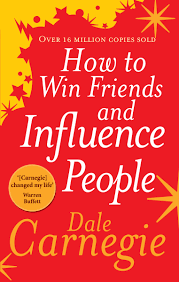
How to Win Friends and Influence People
Learn the timeless people skills that open doors, build influence, strengthen relationships, and help you succeed in business and life without manipulation or force.
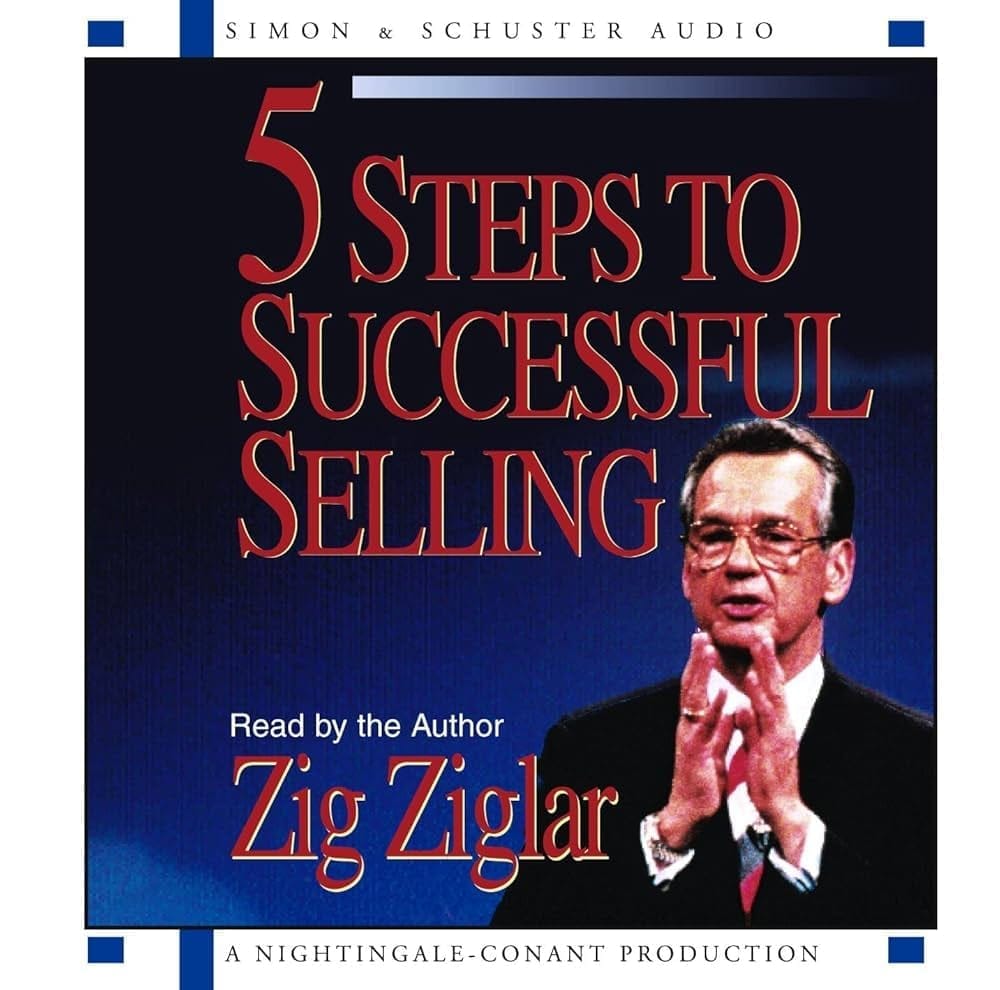
Five Steps to Successful Selling
Master the foundations of persuasion, confidence, and ethical selling so you can close more deals, grow your income, and serve customers more effectively.

Acres of Diamonds
Discover how the opportunities you’ve been searching for may already exist right where you are — hidden in your skills, experiences, and environment.

Ask and It Is Given
Learn how your thoughts, emotions, and expectations shape your reality — and how to deliberately attract better outcomes into your life.

Awaken the Giant Within
Take control of your mindset, emotions, finances, and habits so you can unlock the power and potential already inside you.

Book of Proverbs
Timeless wisdom on discipline, money, relationships, leadership, and decision-making — practical success principles that still apply today.

I Moved Your Cheese
A simple but powerful lesson on challenging paradigms, overcoming fear, and rethinking the status quo in an ever-changing world.

Peaks and Valleys
Learn how to navigate life’s highs and lows wisely — and how difficult seasons can become stepping stones to greater success.

Secrets of the Millionaire Mind
Discover the hidden money beliefs shaping your financial life — and how to reprogram your mindset for wealth and abundance.

Switch
Understand why change is difficult — and learn practical strategies to successfully change habits, behaviors, and results.

The Compound Effect
Small daily actions may seem insignificant, but over time they create extraordinary results in wealth, health, and success.

The Four Agreements
Four simple but life-changing principles to help you experience greater peace, freedom, confidence, and healthier relationships.
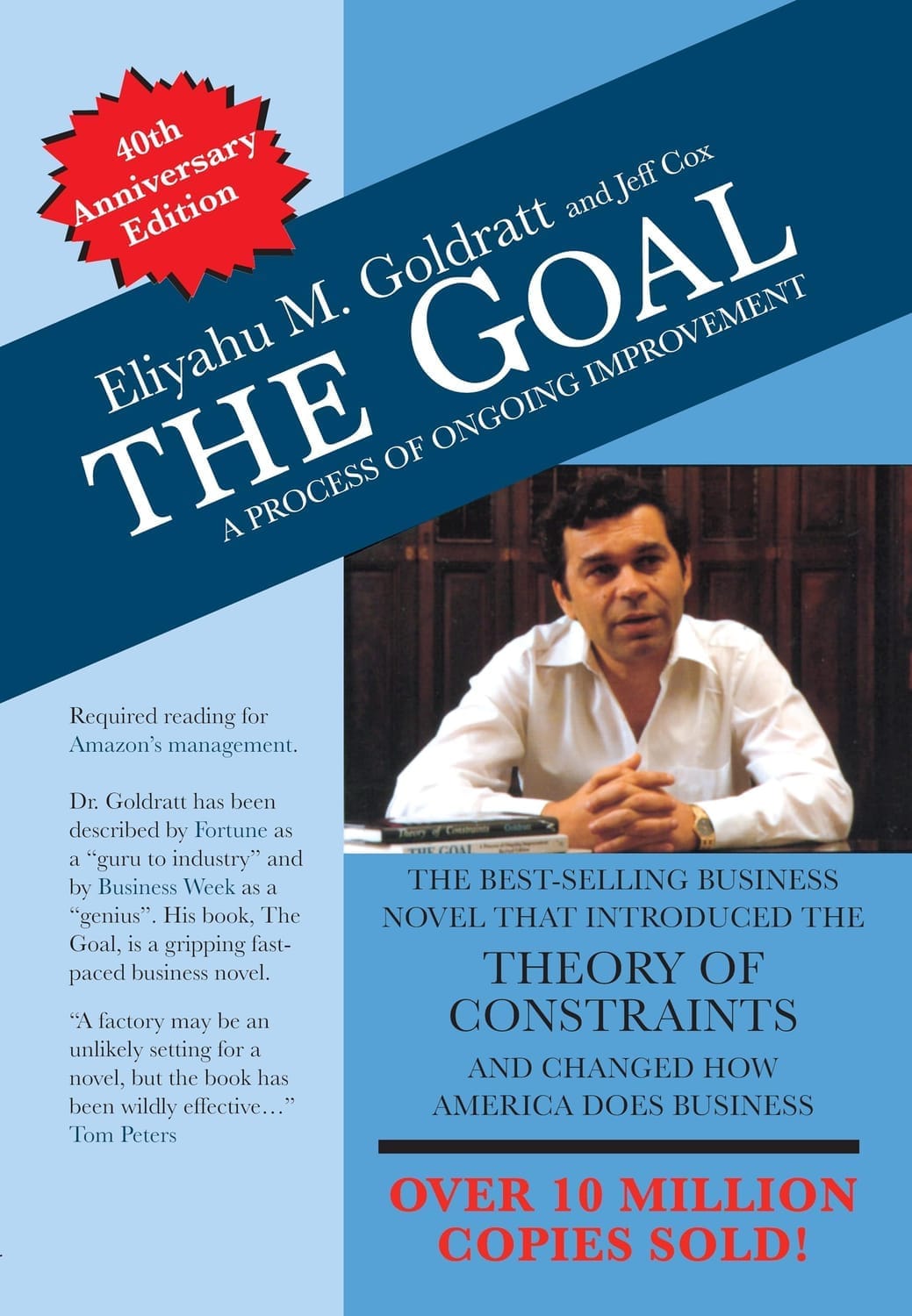
The Goal
A powerful business novel that teaches you how to identify bottlenecks, improve productivity, and focus on what truly drives results.

The Millionaire Booklet
A practical wake-up call about money, ambition, and the mindset required to escape financial struggle and pursue wealth seriously.
The One Thing
Learn how focusing on the most important task can dramatically improve your productivity, results, and quality of life.
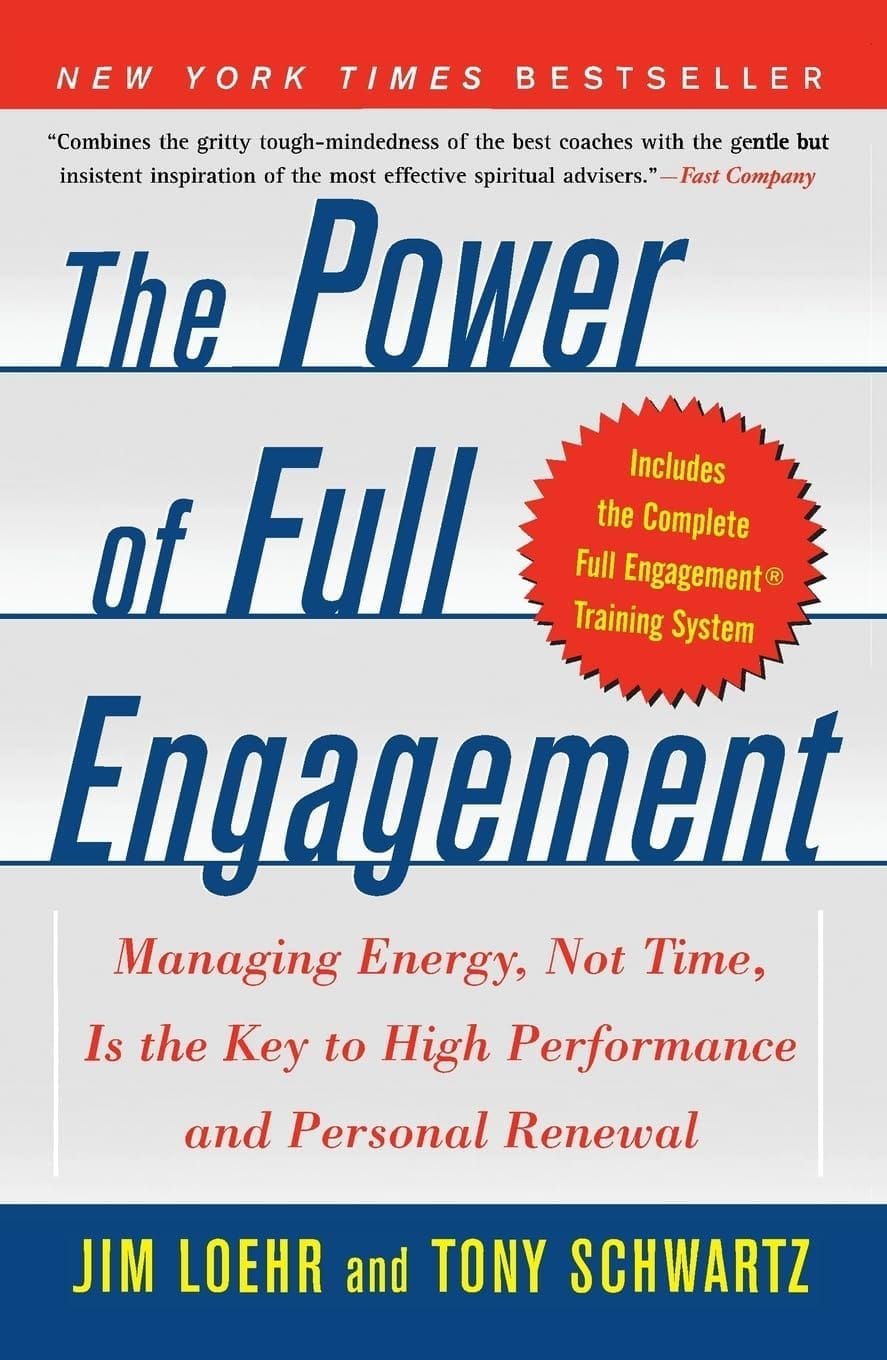
The Power of Full Engagement
Success isn’t just about managing time — it’s about managing your physical, emotional, mental, and spiritual energy effectively.
Richest Man In Babylon
Simple, timeless financial principles about saving, investing, discipline, and building long-term wealth.

The Strangest Secret
You become what you think about most. Learn how your thoughts shape your success, habits, and future.

The Way to Wealth
Classic lessons on hard work, discipline, frugality, and wise financial stewardship that remain relevant centuries later.

7 Spiritual Laws of Success
Discover spiritual principles that blend purpose, abundance, alignment, and inner peace with external success.

A Message to Garcia
A timeless lesson on initiative, responsibility, reliability, and becoming the kind of person who gets things done without excuses.
Great by Choice
Learn how exceptional companies succeed even in uncertainty through discipline, preparation, and consistent execution.
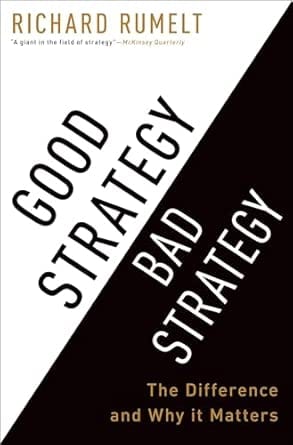
Good Strategy / Bad Strategy
Discover the difference between vague goals and real strategy — and learn how to focus your efforts where they matter most.

Think and Grow Rich
One of the most influential success books ever written — teaching the power of desire, faith, persistence, and focused action.

The Mental Equivalent
Learn how to create the mental and emotional conditions necessary to attract the life and outcomes you desire.

As a Man Thinketh
Your thoughts shape your character, habits, circumstances, and destiny. Master your mind and you transform your life.

The Game of Life
and How to Play It
A practical guide to spiritual laws, affirmations, faith, and aligning your thoughts and words with the life you want to create.

Dollar Success Club
A full system that shows you, step-by-step, how to start a real online business—even if you’re working full-time, even if you’ve never done this before.