
Rich Dad Poor Dad By Robert Kiyosaki
This week we’ll be chatting about Rich Dad Poor Dad by Robert Kiyosaki.
This book is a classic in financial education. There’s hardly an instance where Rich Dad Poor Dad is not mentioned in discussions regarding personal finance.
I’ve read the book several times myself, and each time I read it,
I get a new insight – a new spark about what I can do
to pull myself out of the rat race.
Here are the three most critical lessons that stood out
for me as I read Rich Dad Poor Dad:
The Rich Don’t Work for Money:
Robert Kiyosaki believes that the poor and the middle class are in the rat race because they think acquiring more money is the solution to their problems. So they work harder and longer trying to increase their income. The challenge with this approach, for most people, is that as their income increases, so do their expenses and liabilities.
The pressure from the increased liabilities forces them to work even longer and even harder so they can pay off their bills. This pattern of getting up, going to work, paying bills, getting up, going to work and paying bills is what Robert Kiyosaki calls the rat race. This rat race is the playground of the poor and middle class.
The rich play a totally different game.
They don’t work for money; they have money work for them.
The fundamental difference between these three types of people is that “the rich buy assets, the poor only have expenses, and the middle class buy liabilities they think are assets.” Kiyosaki says that “Assets put money in your pocket, liabilities take money out of your pocket. If you want to be rich, simply spend your life buying assets.”
Rich Dad Poor Dad’s first rule of wealth creation is this, “Know the difference between an asset and a liability, and buy assets. Assets put money in your pocket, and with this money you can buy even more income-producing assets.
The primary reason the rich don’t work for money is because they want their money to work for them through the acquisition of income-generating assets. You too can start on your way to wealth by keeping your expenses low, reducing your liabilities, and diligently building a solid base of assets.
Mind Your Own Business:
“Who are you working for? Who are you making rich?”
These are critical questions. Consider your career right now, who benefits the most from your hard labour?
Rich Dad Poor Dad warns us that “Too many people forget to mind their own business. They spend their lives minding someone else’s business and making that person rich. To become financially secure, a person needs to mind their own business.”
The main reason people don’t mind their own business is because of fear. “It is fear that keeps people working at a job. The fear of not paying bills, the fear of losing the illusion of financial security,” admonishes Kiyosaki. He goes on to say, “Winners are not afraid of losing, but losers are. Failure is part of the process of success. People who avoid failure also avoid success.”
Kiyosaki says that you must use your business corporation to buy assets for you. He says, “A corporation protects the rich, certain expenses can be paid with pre-tax money.” This will give you a bigger pool of funds with which to buy assets quicker.
Here are some assets Robert Kiyosaki suggests you start buying:
Stocks / shares
Bonds
Mutual funds
Income-generating real estate.
Work To Learn – Don’t Work for Money:
“Don’t work for money?” That’s an interesting paradox,
wouldn’t you say, considering the whole premise of this book
is to help people become richer?
The reason Kiyosaki advises you to not focus on the money is simple, “Money without financial intelligence is money soon gone. If you want to be rich, you need to be financially literate,” he says.
Kiyosaki laments that what is missing from education
is not how to make money, but how to spend it –
what to do after you make it.
It’s not how much money you make that makes you rich,
it’s how much money you keep. If you don’t grasp this insight,
you will soon fall back into the trap of the rat race.
Rich Dad, Poor Dad gives us four technical skills
that make up financial intelligence:
Financial literacy: which is the ability to read and understand the numbers;
The market: which are forces of supply and demand;
Investment strategies: which is making your money make money for you; and
The Law: which is the awareness of accounting, corporate and business rules, and regulations.
“The better you are at understanding accounting
and cash management, the better you will be at analyzing
investments and eventually starting and building your own company.”
In Closing:
Robert Kiyosaki warns that having great talent is not enough to make you rich. You must have a vision. He advises that you seek work for what you will learn instead of what you will earn. He says you must learn to be a good leader, if you fail at leadership, you will get shot in the back, and subsequently lose everything. He also claims that the most important skill to learn in business is selling. His argument being that on the cover of his books it says “best-selling author – not best-writing author.” Selling is the key to your success.
And finally, learn to manage the flow of cash, learn to manage people, but most importantly, learn to manage yourself.
Kiyosaki echoes the sentiment of giving back.
Give back and you will receive more in return.
Throughout the book Robert keeps asking,
“Why bother to develop financial intelligence?”
but he never gives the answer,
he insists that only you can answer that for yourself.
Now I ask you…
Why bother to develop YOUR financial intelligence?
How do you think an increase in financial aptitude will benefit your life?
Share your responses with us below.
Joined Dollar Success Club?
This is a community for people who want to:
• Start an online business
• Build multiple income streams
• Learn marketing and sales
• Turn ideas into profitable systems
Join the community here:
https://www.successclub.co.za/dollar
What You Miss By Not Joining Dollar Success Club...
Free practical action-based workbooks designed to help you apply powerful success principles immediately.
Topics include:
Mindset, Wealth, Discipline, Spirituality, Productivity, Purpose, Relationships, and so much more...
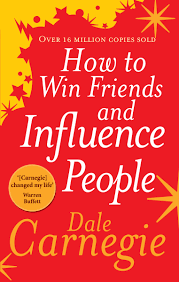
How to Win Friends and Influence People
Learn the timeless people skills that open doors, build influence, strengthen relationships, and help you succeed in business and life without manipulation or force.
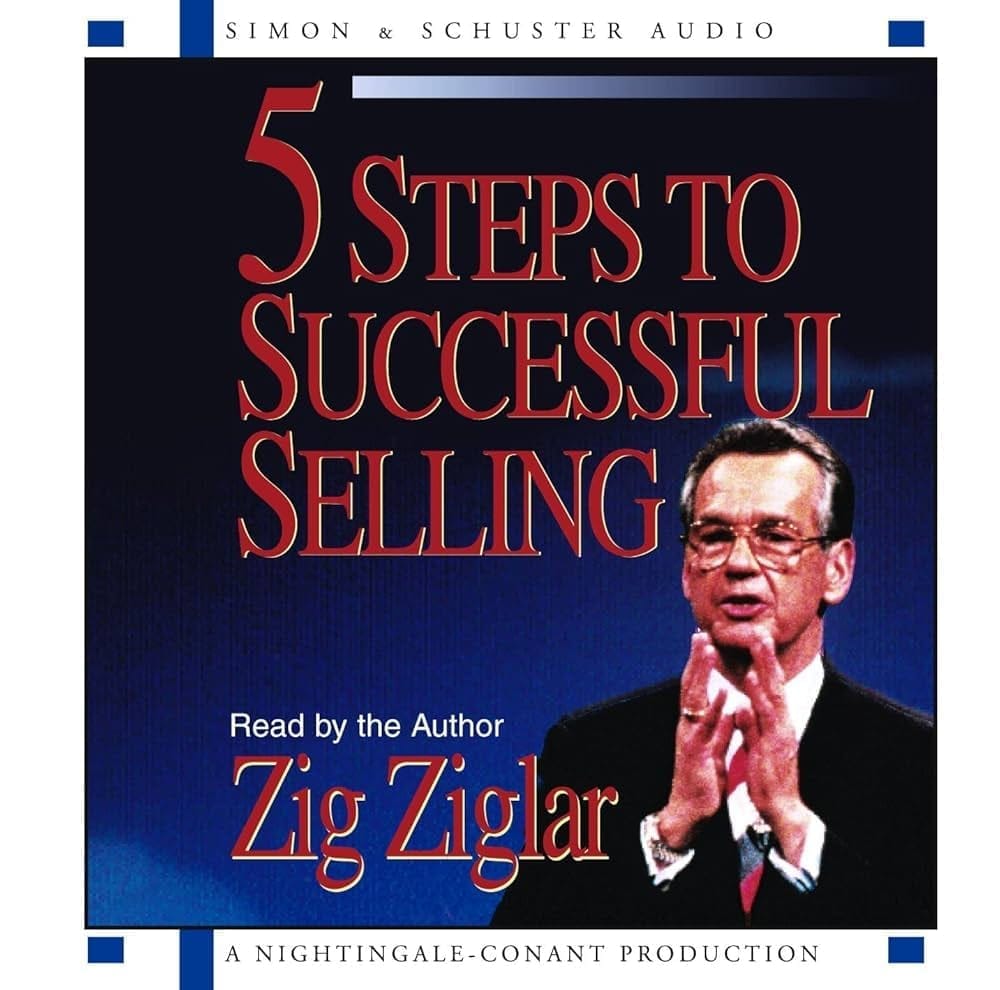
Five Steps to Successful Selling
Master the foundations of persuasion, confidence, and ethical selling so you can close more deals, grow your income, and serve customers more effectively.
Acres of Diamonds
Discover how the opportunities you’ve been searching for may already exist right where you are — hidden in your skills, experiences, and environment.
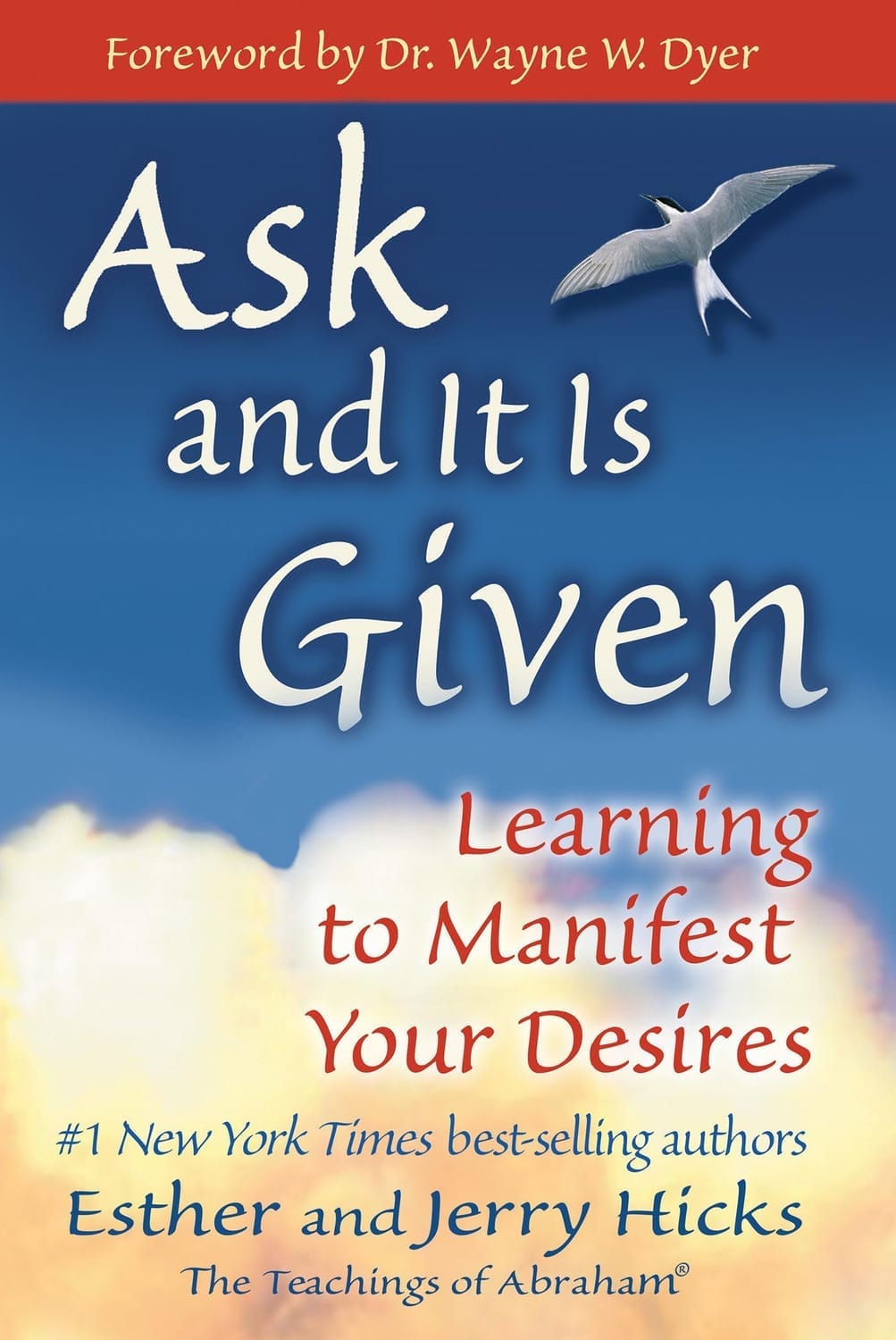
Ask and It Is Given
Learn how your thoughts, emotions, and expectations shape your reality — and how to deliberately attract better outcomes into your life.
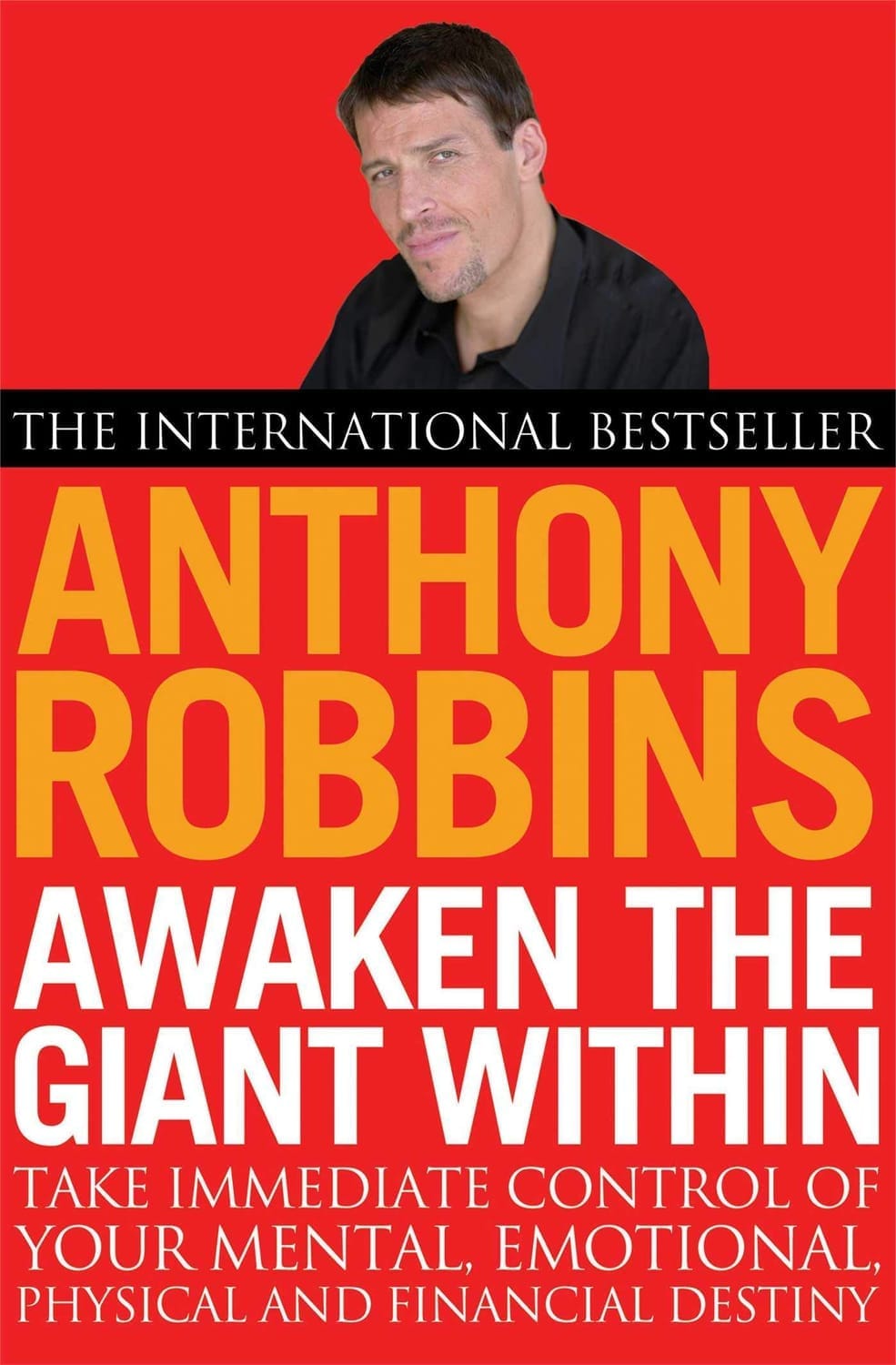
Awaken the Giant Within
Take control of your mindset, emotions, finances, and habits so you can unlock the power and potential already inside you.

Book of Proverbs
Timeless wisdom on discipline, money, relationships, leadership, and decision-making — practical success principles that still apply today.
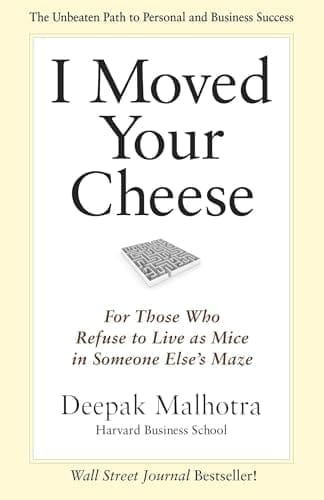
I Moved Your Cheese
A simple but powerful lesson on challenging paradigms, overcoming fear, and rethinking the status quo in an ever-changing world.

Peaks and Valleys
Learn how to navigate life’s highs and lows wisely — and how difficult seasons can become stepping stones to greater success.
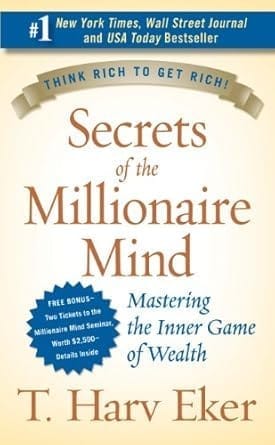
Secrets of the Millionaire Mind
Discover the hidden money beliefs shaping your financial life — and how to reprogram your mindset for wealth and abundance.
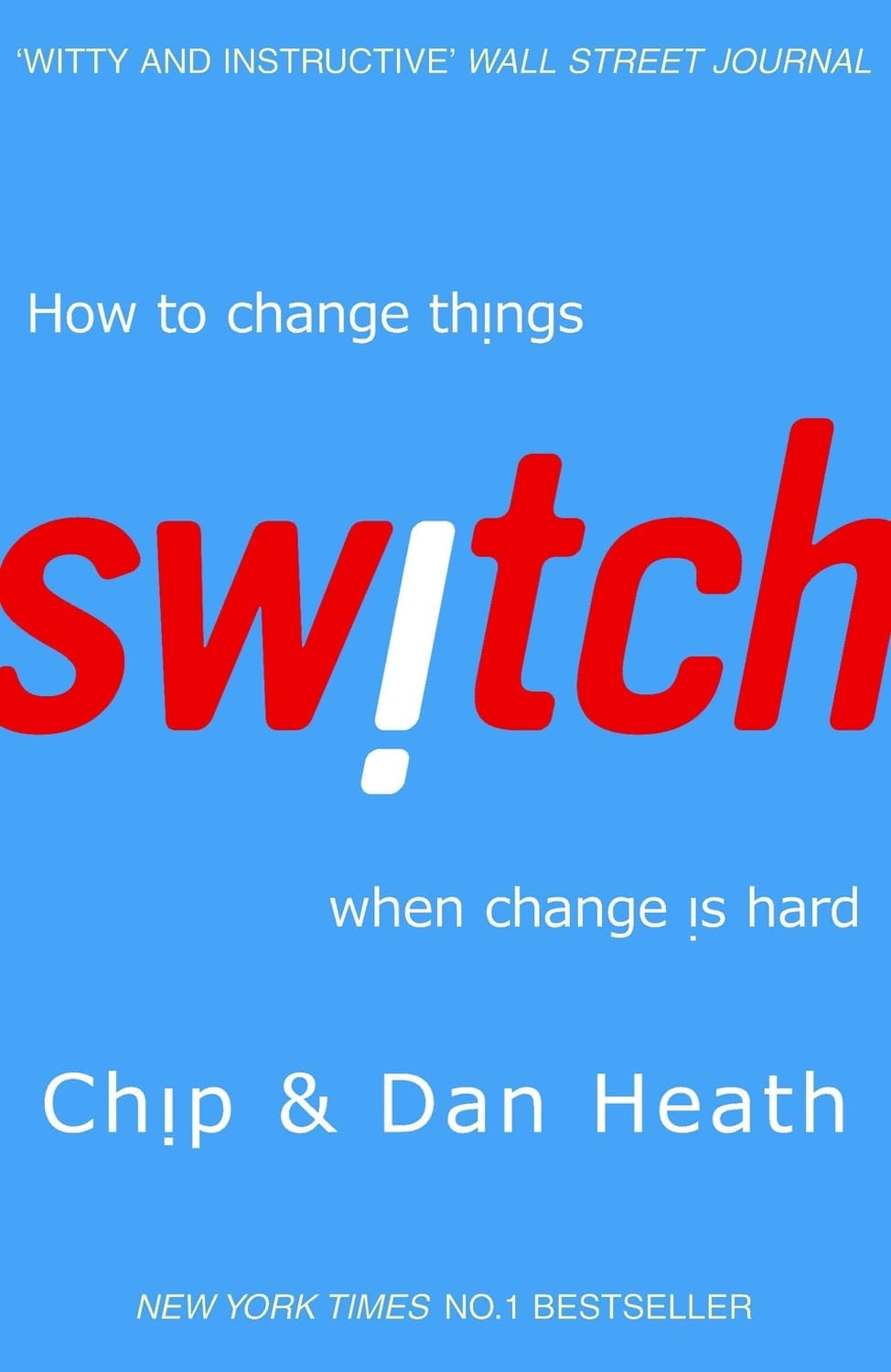
Switch
Understand why change is difficult — and learn practical strategies to successfully change habits, behaviors, and results.
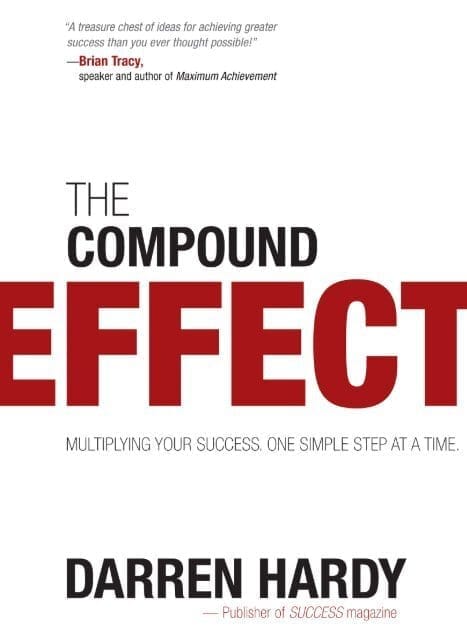
The Compound Effect
Small daily actions may seem insignificant, but over time they create extraordinary results in wealth, health, and success.
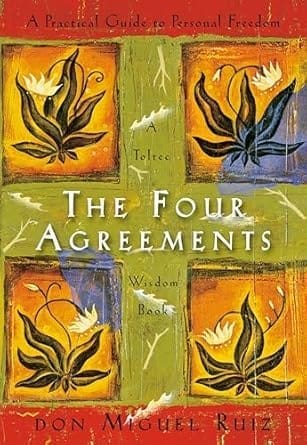
The Four Agreements
Four simple but life-changing principles to help you experience greater peace, freedom, confidence, and healthier relationships.
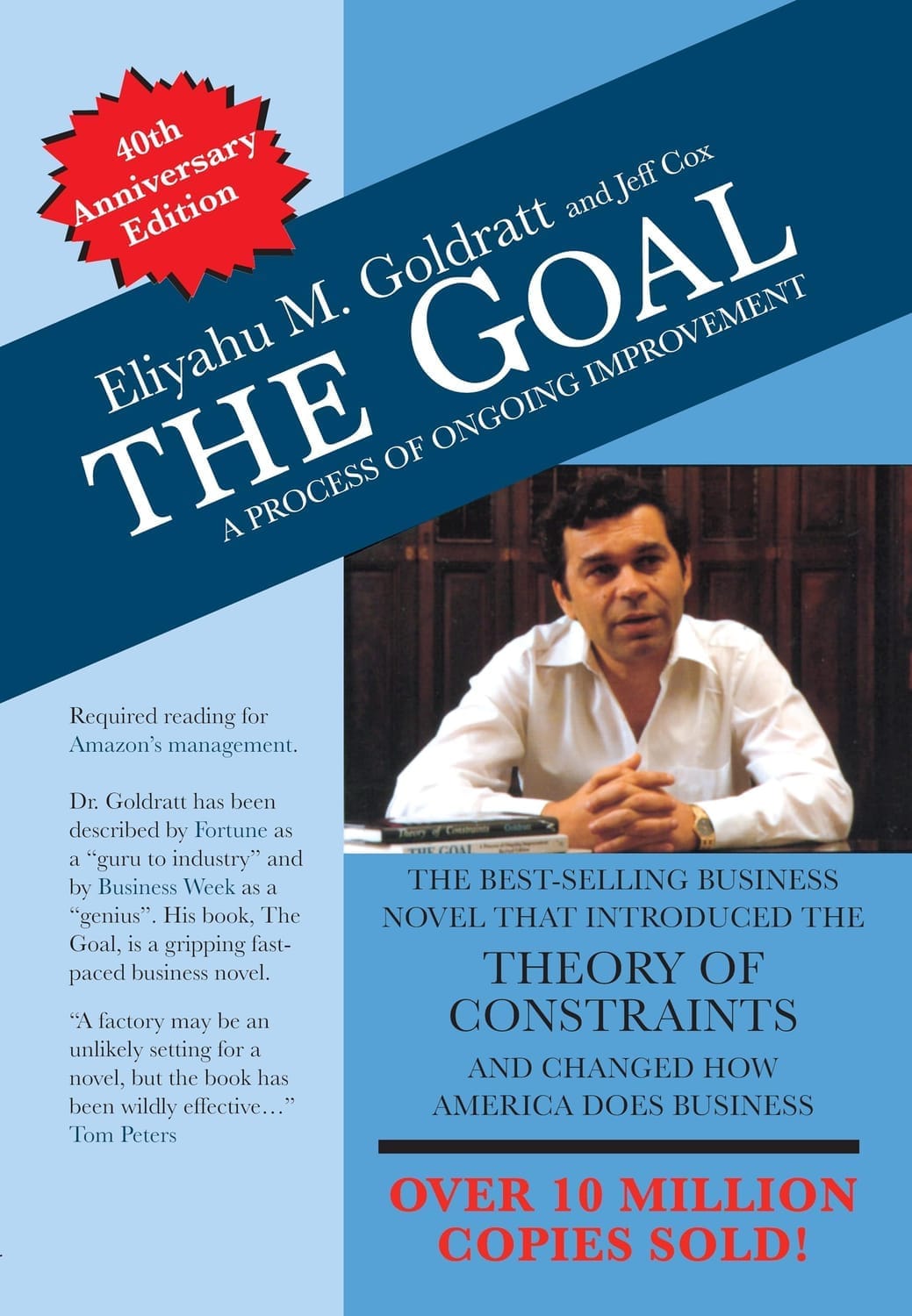
The Goal
A powerful business novel that teaches you how to identify bottlenecks, improve productivity, and focus on what truly drives results.
The Millionaire Booklet
A practical wake-up call about money, ambition, and the mindset required to escape financial struggle and pursue wealth seriously.
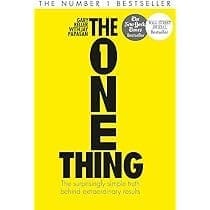
The One Thing
Learn how focusing on the most important task can dramatically improve your productivity, results, and quality of life.
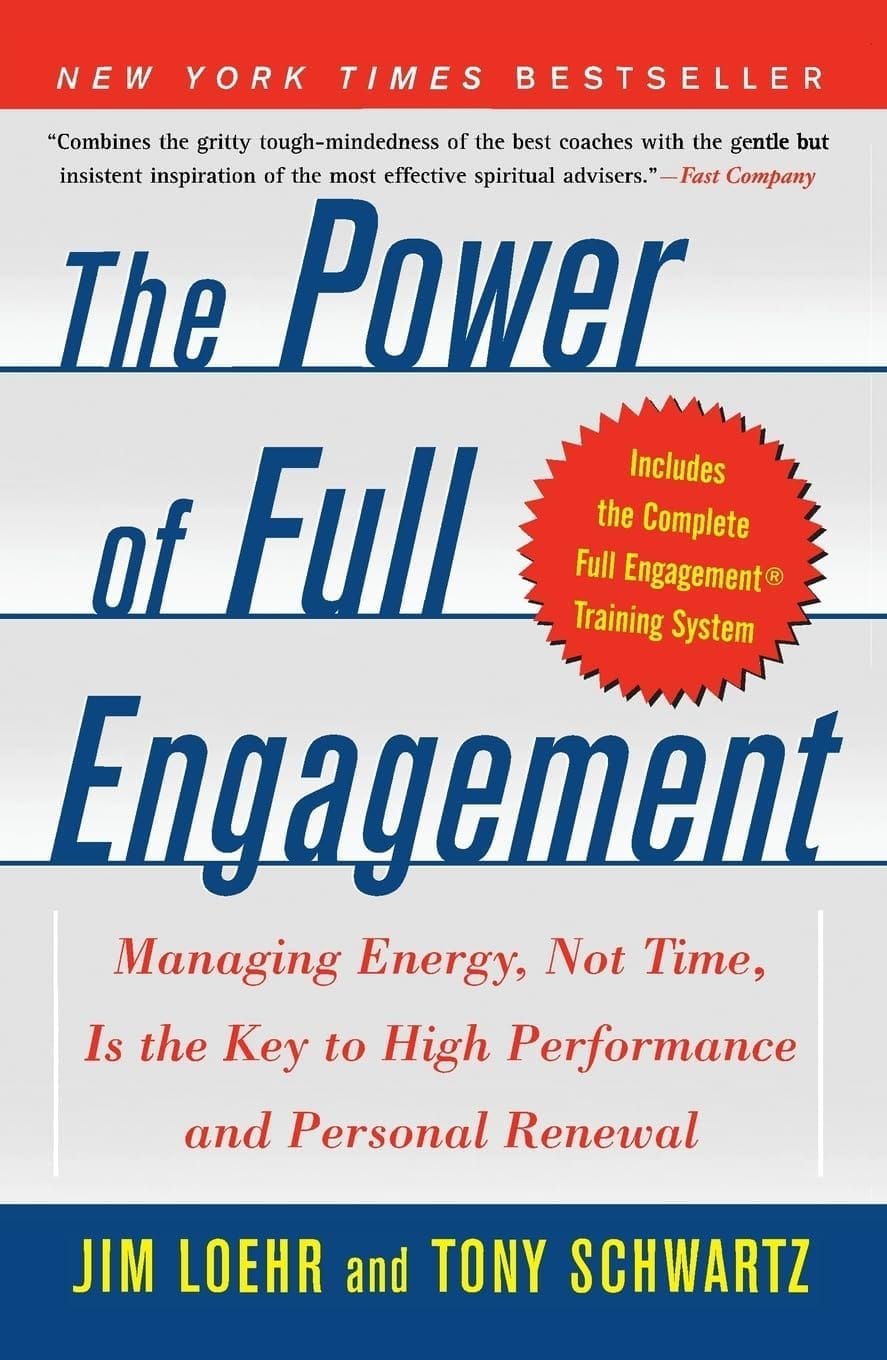
The Power of Full Engagement
Success isn’t just about managing time — it’s about managing your physical, emotional, mental, and spiritual energy effectively.
Richest Man In Babylon
Simple, timeless financial principles about saving, investing, discipline, and building long-term wealth.
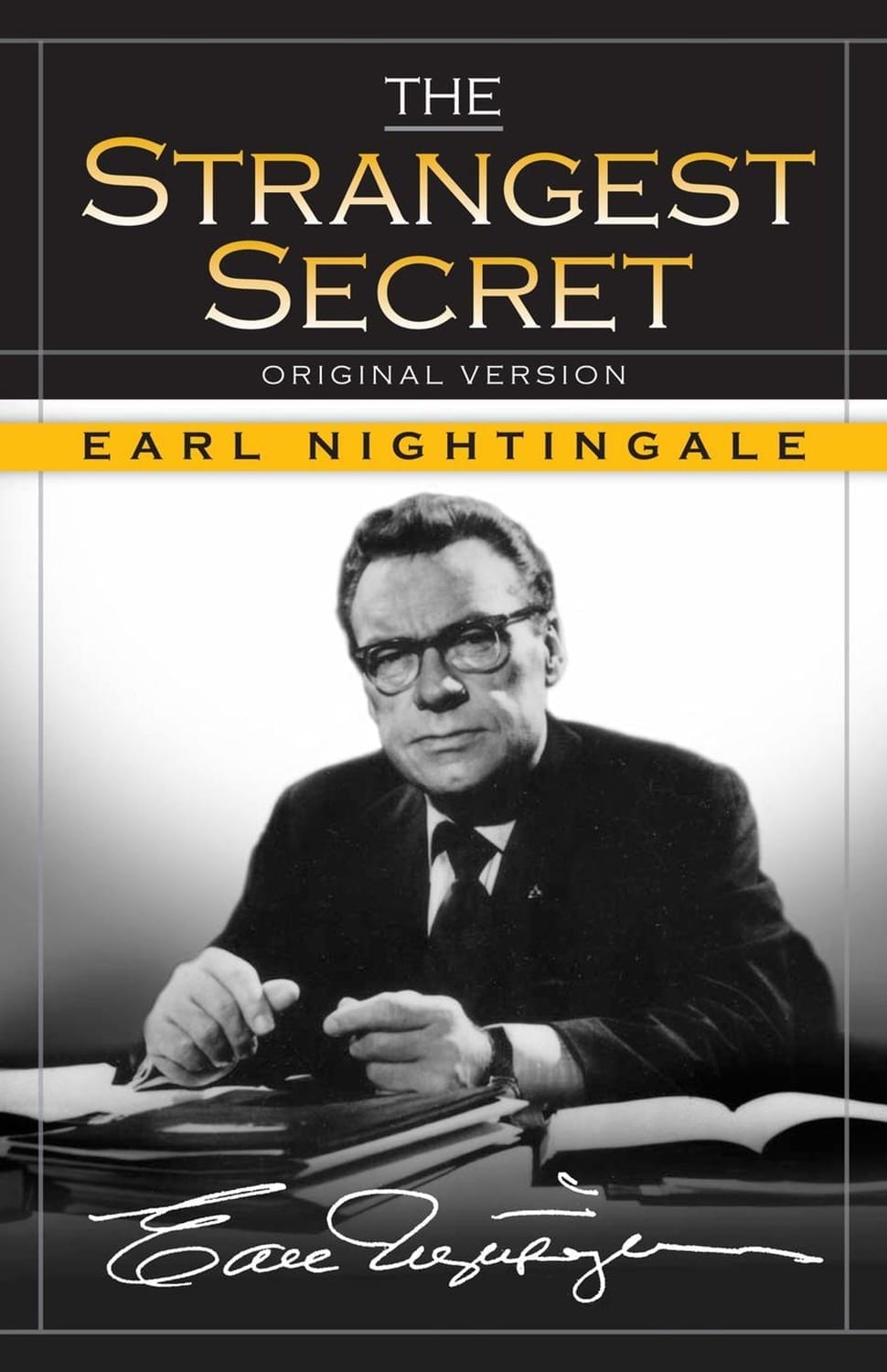
The Strangest Secret
You become what you think about most. Learn how your thoughts shape your success, habits, and future.
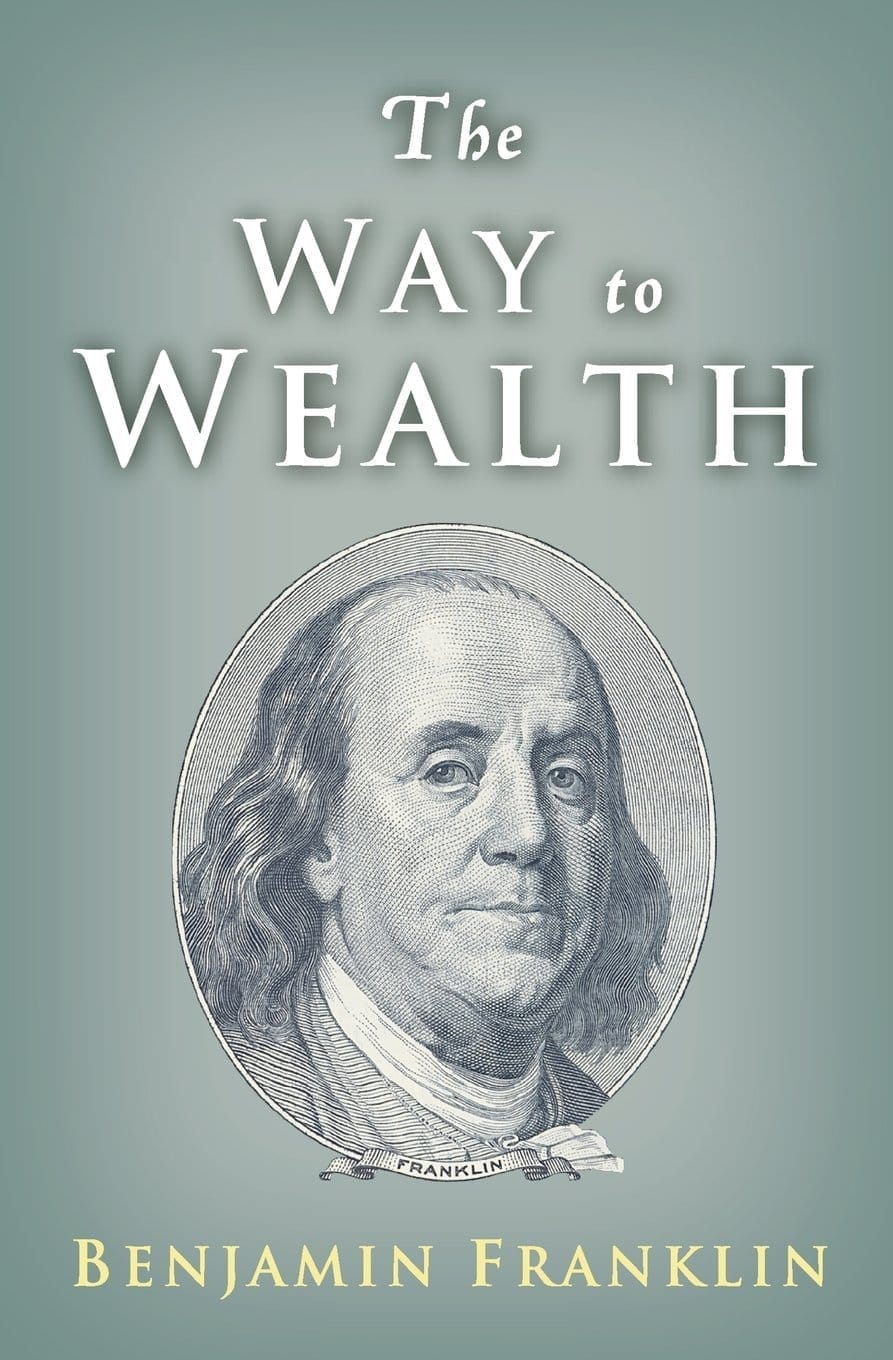
The Way to Wealth
Classic lessons on hard work, discipline, frugality, and wise financial stewardship that remain relevant centuries later.
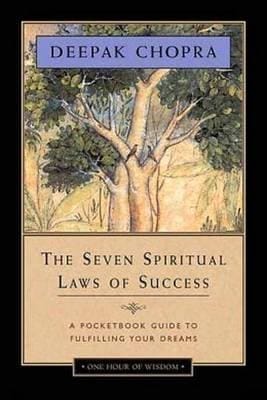
7 Spiritual Laws of Success
Discover spiritual principles that blend purpose, abundance, alignment, and inner peace with external success.
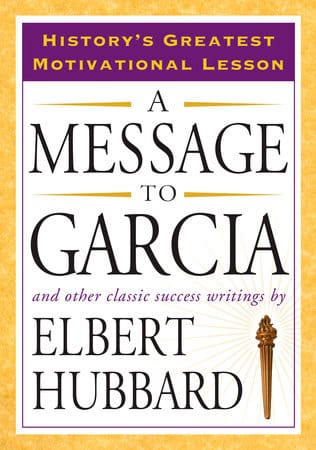
A Message to Garcia
A timeless lesson on initiative, responsibility, reliability, and becoming the kind of person who gets things done without excuses.
Great by Choice
Learn how exceptional companies succeed even in uncertainty through discipline, preparation, and consistent execution.
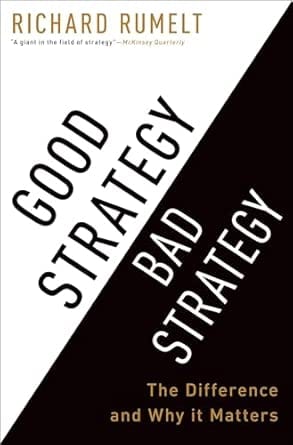
Good Strategy / Bad Strategy
Discover the difference between vague goals and real strategy — and learn how to focus your efforts where they matter most.
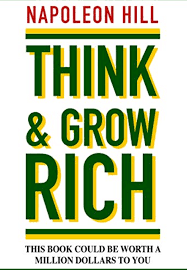
Think and Grow Rich
One of the most influential success books ever written — teaching the power of desire, faith, persistence, and focused action.

The Mental Equivalent
Learn how to create the mental and emotional conditions necessary to attract the life and outcomes you desire.

As a Man Thinketh
Your thoughts shape your character, habits, circumstances, and destiny. Master your mind and you transform your life.

The Game of Life
and How to Play It
A practical guide to spiritual laws, affirmations, faith, and aligning your thoughts and words with the life you want to create.
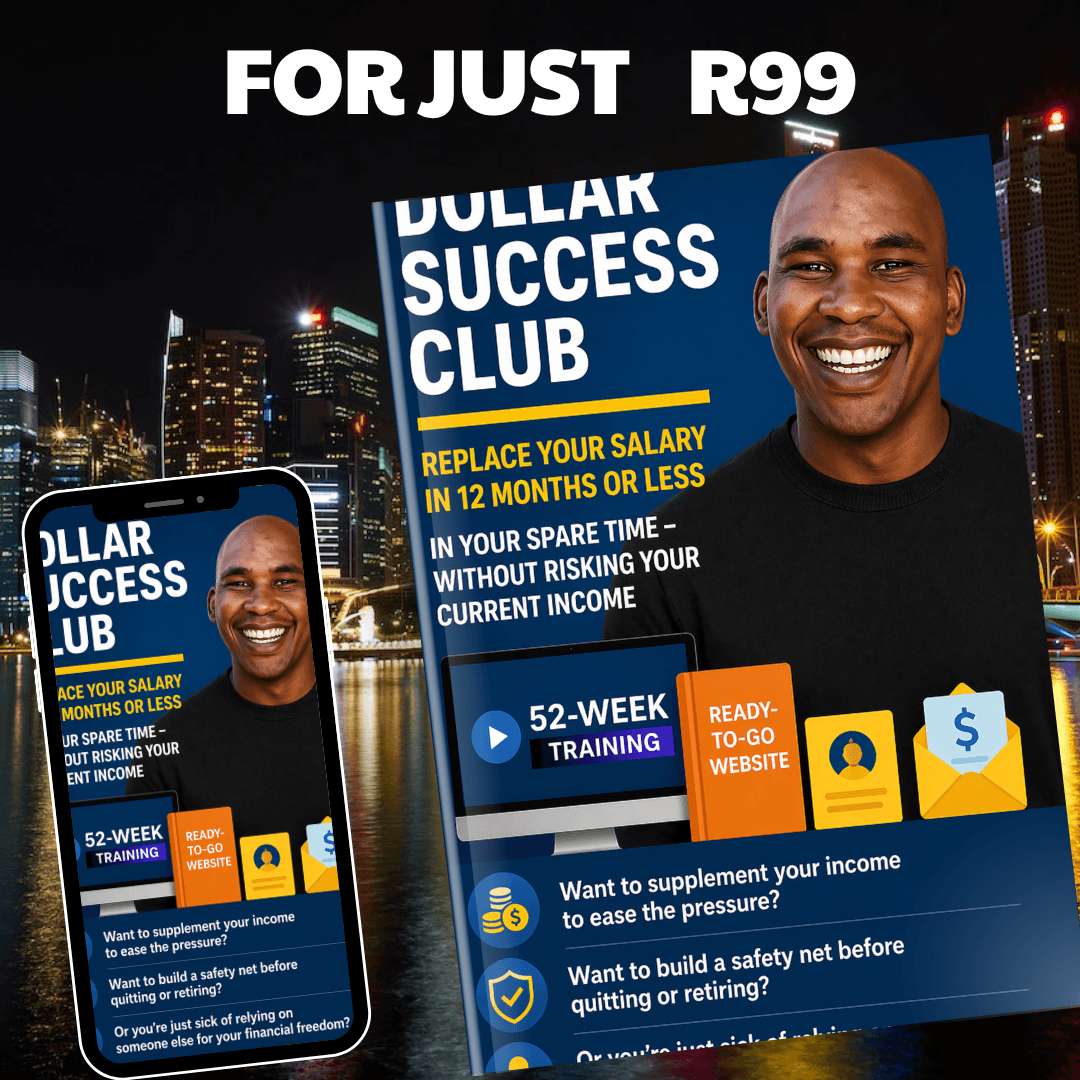
Dollar Success Club
A full system that shows you, step-by-step, how to start a real online business—even if you’re working full-time, even if you’ve never done this before.