
Putting The One Minute Manager To Work By Kenneth Blanchard & Robert Lorber
What you’ll learn in
Putting the One Minute Manager to Work:
How to put the one minute management principles to work where it really counts – in performance;
How to ensure that your company produces effective results consistently;
How to manage employee behavior, desirable or undesirable, for best results both for the individual as well as the organization;
How to retain credibility and eliminate confusion in the workplace;
The 5 steps of training new employees into becoming top-performers;
The formula to integrate One Minute Management into a program for performance improvement within your organization; and
Loads more powerful management principles
Putting the One Minute Manager to Work could be seen as volume 2 of the One Minute Manager. In the first volume, we discovered the founding principles of One Minute Management:
One Minute Goals;
One Minute Praising; and
One Minute Reprimands
You may be familiar with the popular saying,
“Knowledge is NOT power. Only APPLIED knowledge is power.”
Headline
Think of volume 1 (The One Minute Manager) as the background of the philosophy – the theory of One Minute Management. Going on the above quote, background knowledge does not get you results – only determined and congruent action does.
The format of Putting the One Minute Manager to Work is the same as that of The One Minute Manager. The fable is still about a man seeking knowledge. In this case, however, we have an experienced manager who is very familiar with the usual standards of management. He’s recently heard about One Minute Management and is a bit skeptical about its effectiveness. He sets out to discover how and why this principle works, and most importantly, how to make it work for him.
You, like the veteran manager, will learn that One Minute Management is a habit, not just another quick-fix fad. It requires discipline for one to convert from their old way of thinking and embrace a new set of beliefs and practices. Likewise, you need to be ready to let go of familiar but unproductive habits if you want to benefit from this philosophy. You must be prepared to stretch your comfort zone.
Putting the One Minute Manager to Work will teach you how to turn these secrets into skills. You will learn when to praise, when to reprimand and when to do one minute goal-setting.
You will be introduced to the ABCs (Activators, Behaviours and Consequences) of employee performance. If you’ve read The Power of Habit, you would have learned that every habit has a cue, a routine and a reward. This principle is the same - we learn how to use these ABCs as a tool to achieve great results with your team and organization.
The key to success with this philosophy, as we’ve learnt previously, is that you want an employee to think about their behavior, not about the way you treated them. To do that effectively, both you and the team member need to clarify what the right behavior looks like, in specific, measurable terms. The authors share a simple formula to do this, which includes pinpointing key performance areas, recording results and coaching, among other simple and practical steps to help people improve performance.
In Conclusion:
Putting The One Minute Manager To Work
One Minute Management is an excellent concept that can be very powerful when put to work. It is simple and direct. It involves commitment from both sides, and therefore has the ability to strengthen the employee/manager relationship. It is not biased and is for the benefit of the entire organization, not just a few elite individuals. Everyone is clear on the goal and thus knows exactly what is expected of them, and consequently, what to expect in return.
The authors provide mechanisms and formulas to give feedback, monitor performance, and suggest and implement improvements to the system. All that is required from you is to keep your commitment to your commitment.
Are you committed to leading an energized and high-performing team? Then get yourself a copy of Putting the One Minute Manager to Work.
Memorable Quotes from
Putting the One Minute Manager to Work:
“Performance is determined mainly by consequences.”
“You want your staff to be thinking about what they did wrong, not about the way you treated them.”
“Don’t keep nagging the person for the same mistake.”
“Stop saying things are ‘good’ or ‘bad’… Identify specifically what is happening.”
“You want employees to learn, and you assume that employees want to improve.”
“Give up trying! Either do it or don’t do it.”
“People who produce good results feel good about themselves. And people who feel good about themselves produce good results.”
Joined Dollar Success Club?
This is a community for people who want to:
• Start an online business
• Build multiple income streams
• Learn marketing and sales
• Turn ideas into profitable systems
Join the community here:
https://www.successclub.co.za/dollar
What You Miss By Not Joining Dollar Success Club...
Free practical action-based workbooks designed to help you apply powerful success principles immediately.
Topics include:
Mindset, Wealth, Discipline, Spirituality, Productivity, Purpose, Relationships, and so much more...
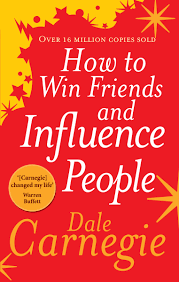
How to Win Friends and Influence People
Learn the timeless people skills that open doors, build influence, strengthen relationships, and help you succeed in business and life without manipulation or force.
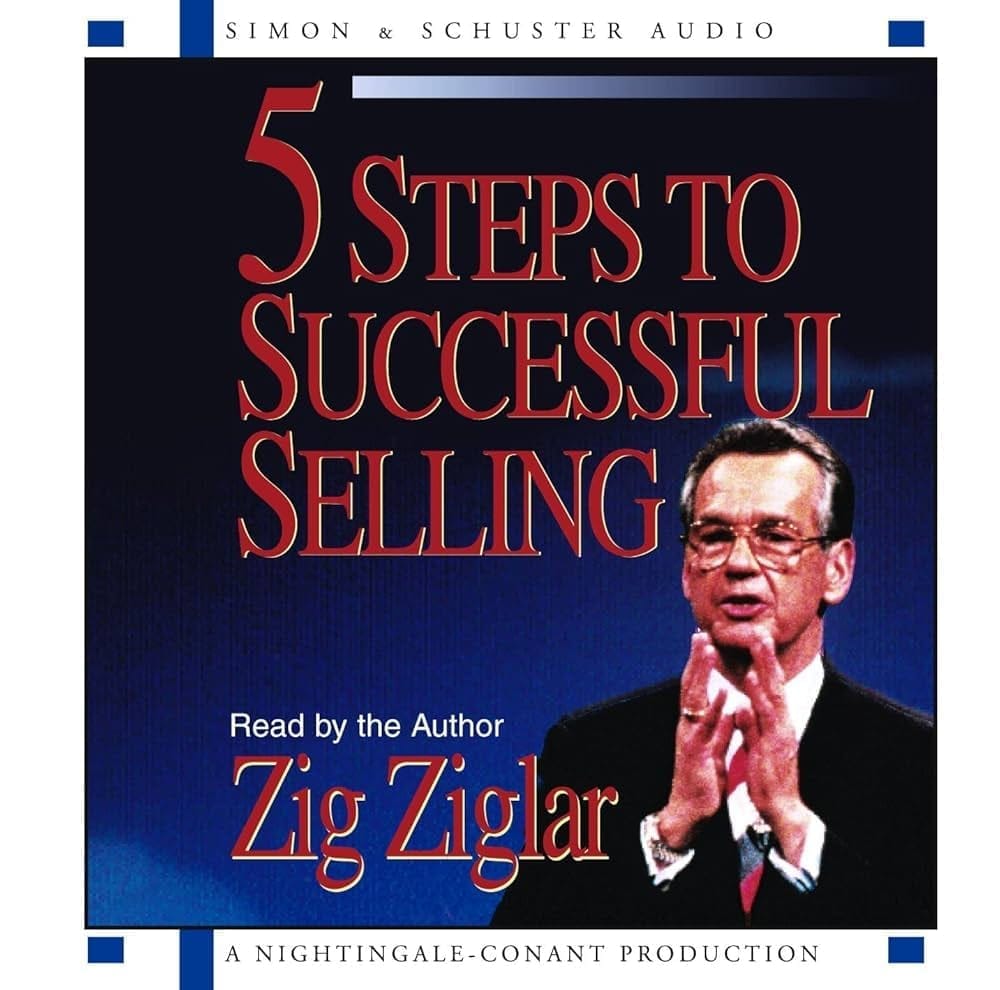
Five Steps to Successful Selling
Master the foundations of persuasion, confidence, and ethical selling so you can close more deals, grow your income, and serve customers more effectively.
Acres of Diamonds
Discover how the opportunities you’ve been searching for may already exist right where you are — hidden in your skills, experiences, and environment.
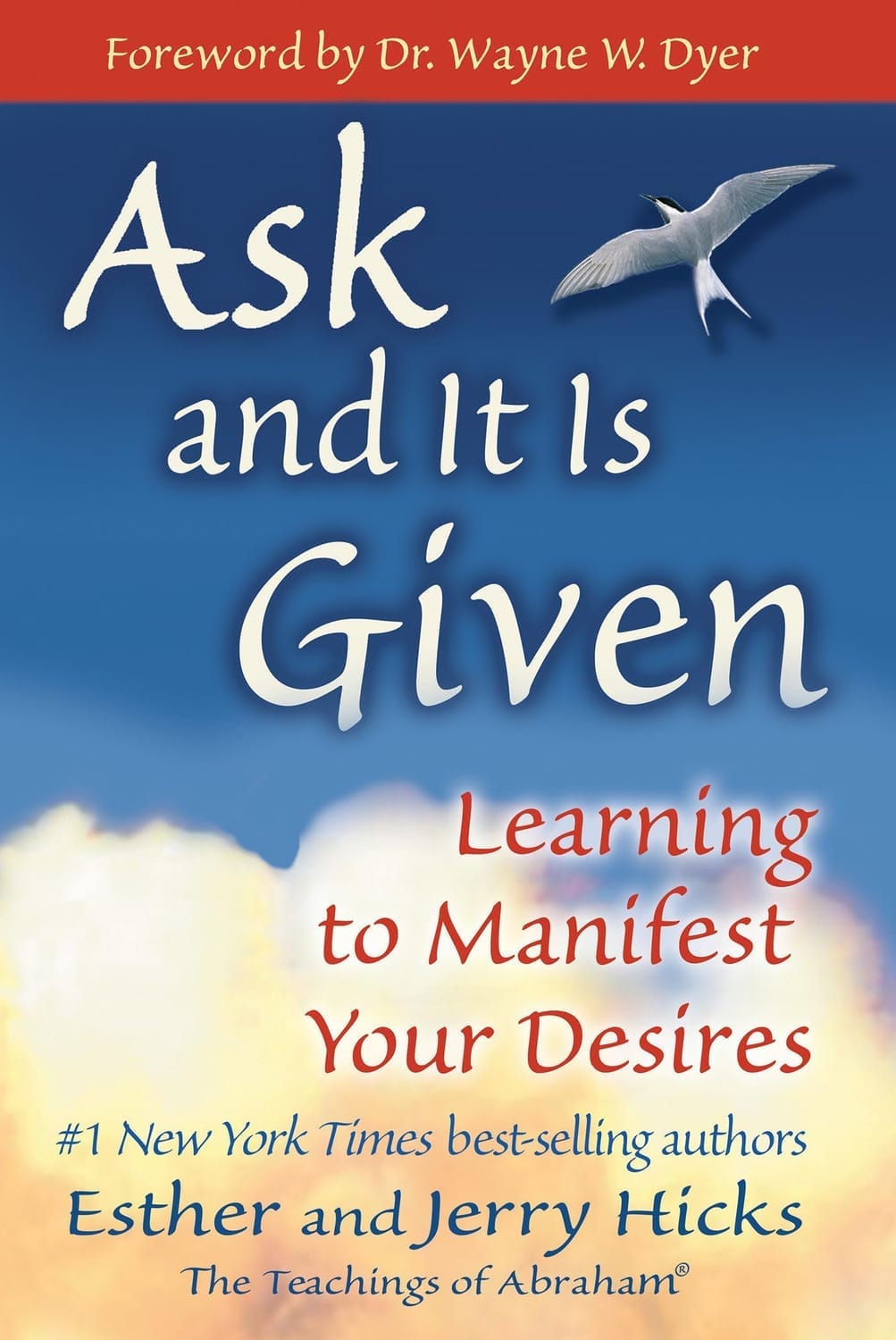
Ask and It Is Given
Learn how your thoughts, emotions, and expectations shape your reality — and how to deliberately attract better outcomes into your life.
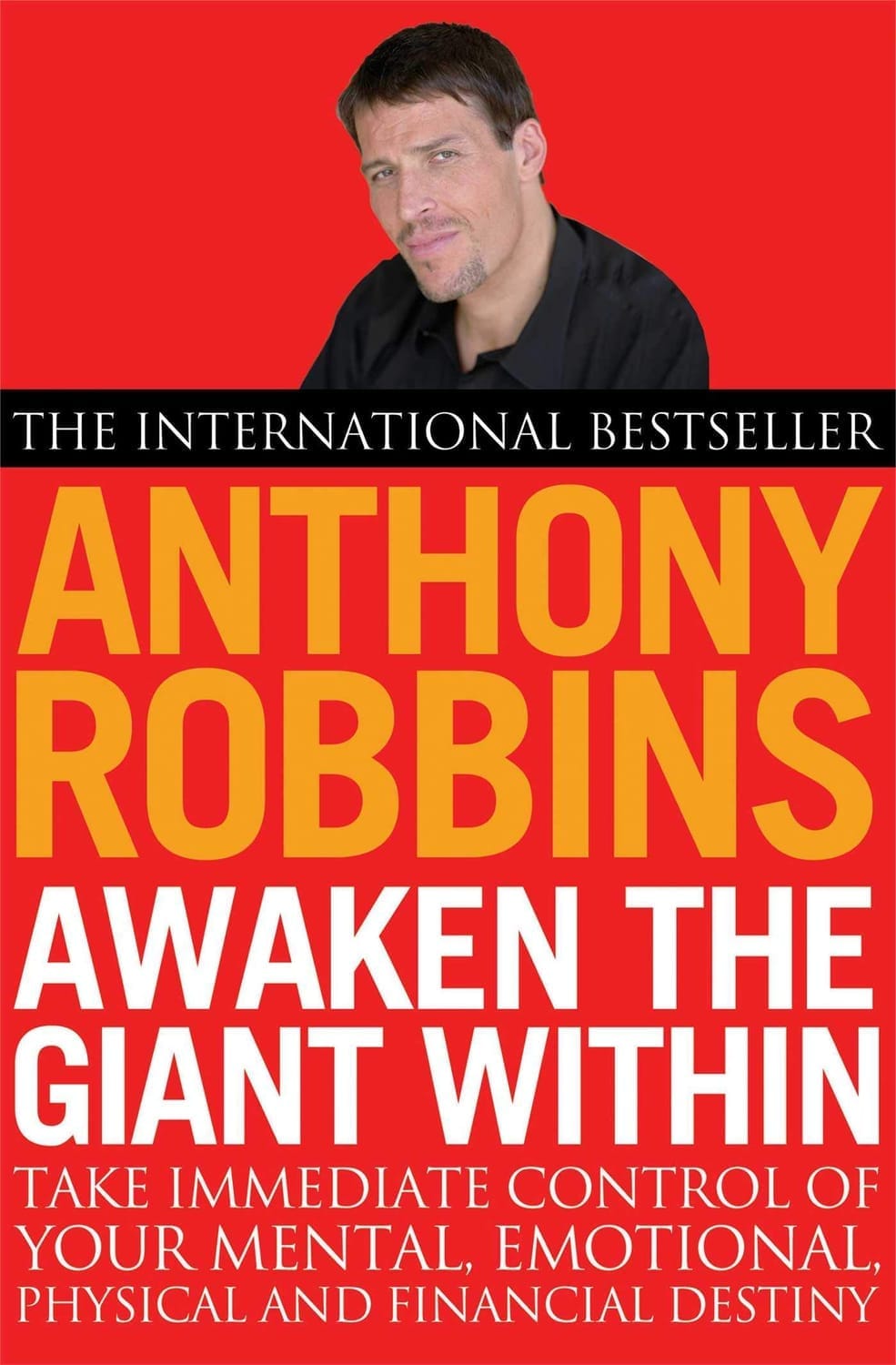
Awaken the Giant Within
Take control of your mindset, emotions, finances, and habits so you can unlock the power and potential already inside you.

Book of Proverbs
Timeless wisdom on discipline, money, relationships, leadership, and decision-making — practical success principles that still apply today.
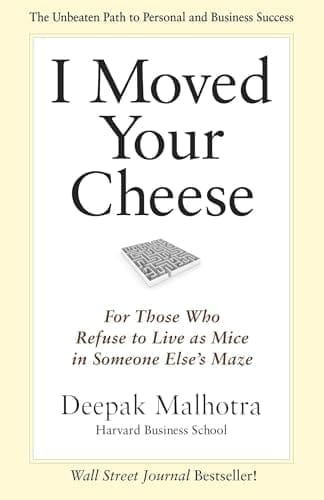
I Moved Your Cheese
A simple but powerful lesson on challenging paradigms, overcoming fear, and rethinking the status quo in an ever-changing world.

Peaks and Valleys
Learn how to navigate life’s highs and lows wisely — and how difficult seasons can become stepping stones to greater success.
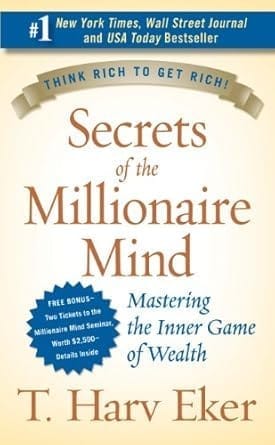
Secrets of the Millionaire Mind
Discover the hidden money beliefs shaping your financial life — and how to reprogram your mindset for wealth and abundance.
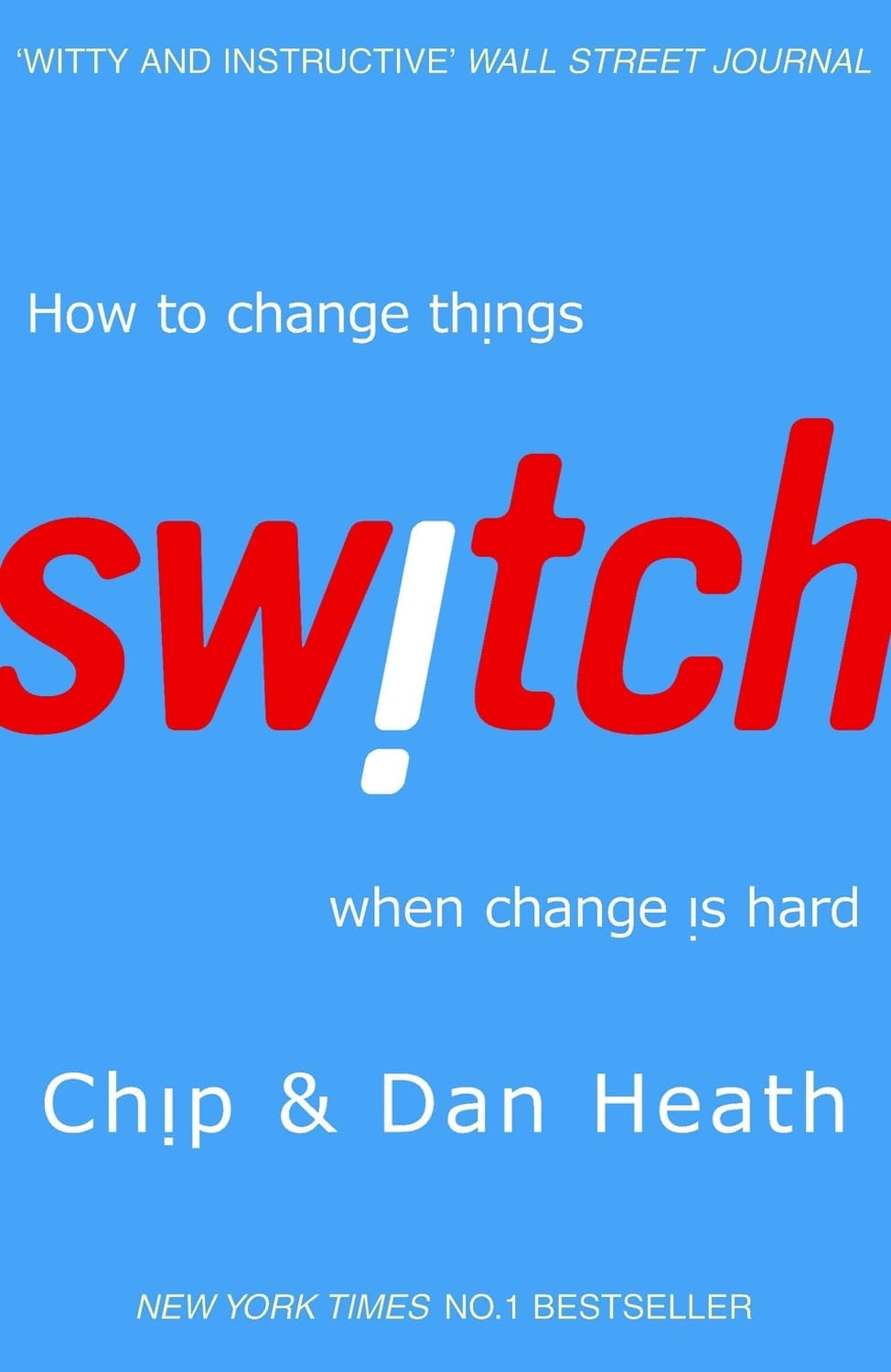
Switch
Understand why change is difficult — and learn practical strategies to successfully change habits, behaviors, and results.
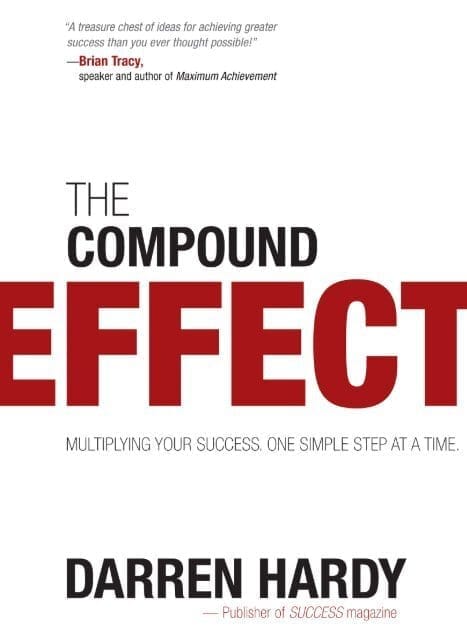
The Compound Effect
Small daily actions may seem insignificant, but over time they create extraordinary results in wealth, health, and success.
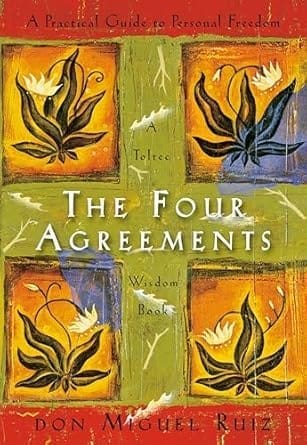
The Four Agreements
Four simple but life-changing principles to help you experience greater peace, freedom, confidence, and healthier relationships.
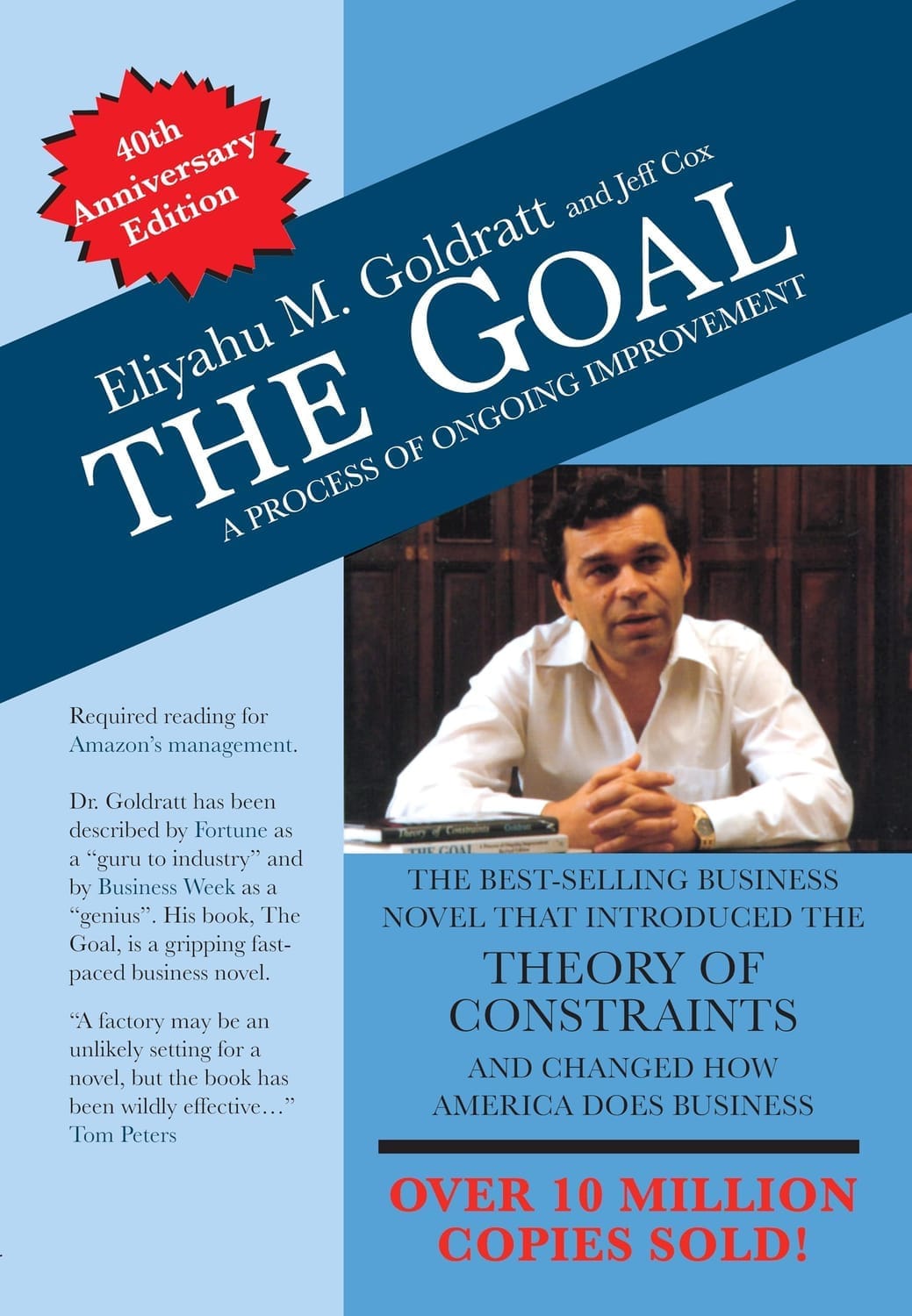
The Goal
A powerful business novel that teaches you how to identify bottlenecks, improve productivity, and focus on what truly drives results.
The Millionaire Booklet
A practical wake-up call about money, ambition, and the mindset required to escape financial struggle and pursue wealth seriously.
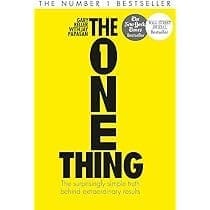
The One Thing
Learn how focusing on the most important task can dramatically improve your productivity, results, and quality of life.
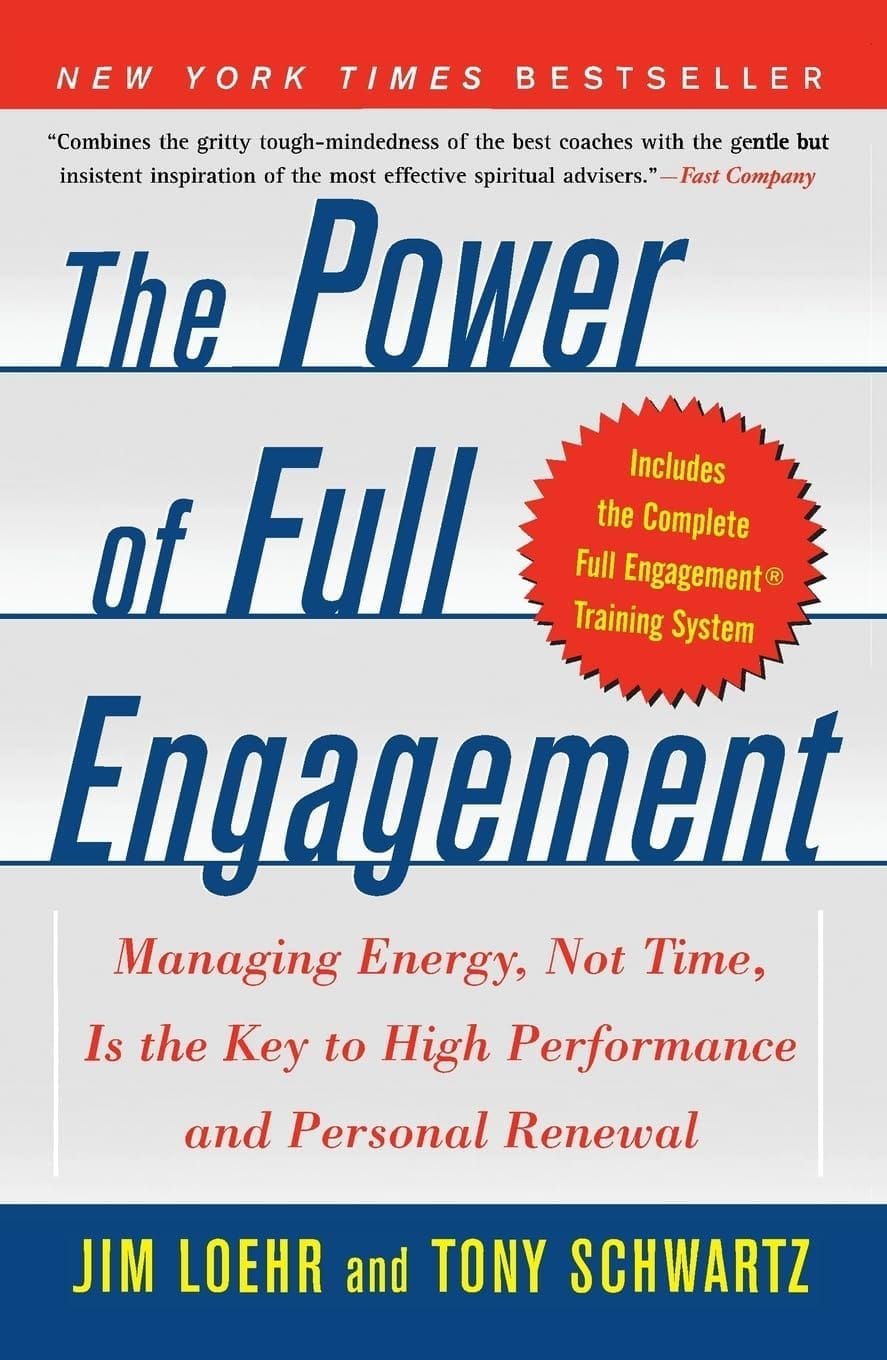
The Power of Full Engagement
Success isn’t just about managing time — it’s about managing your physical, emotional, mental, and spiritual energy effectively.
Richest Man In Babylon
Simple, timeless financial principles about saving, investing, discipline, and building long-term wealth.
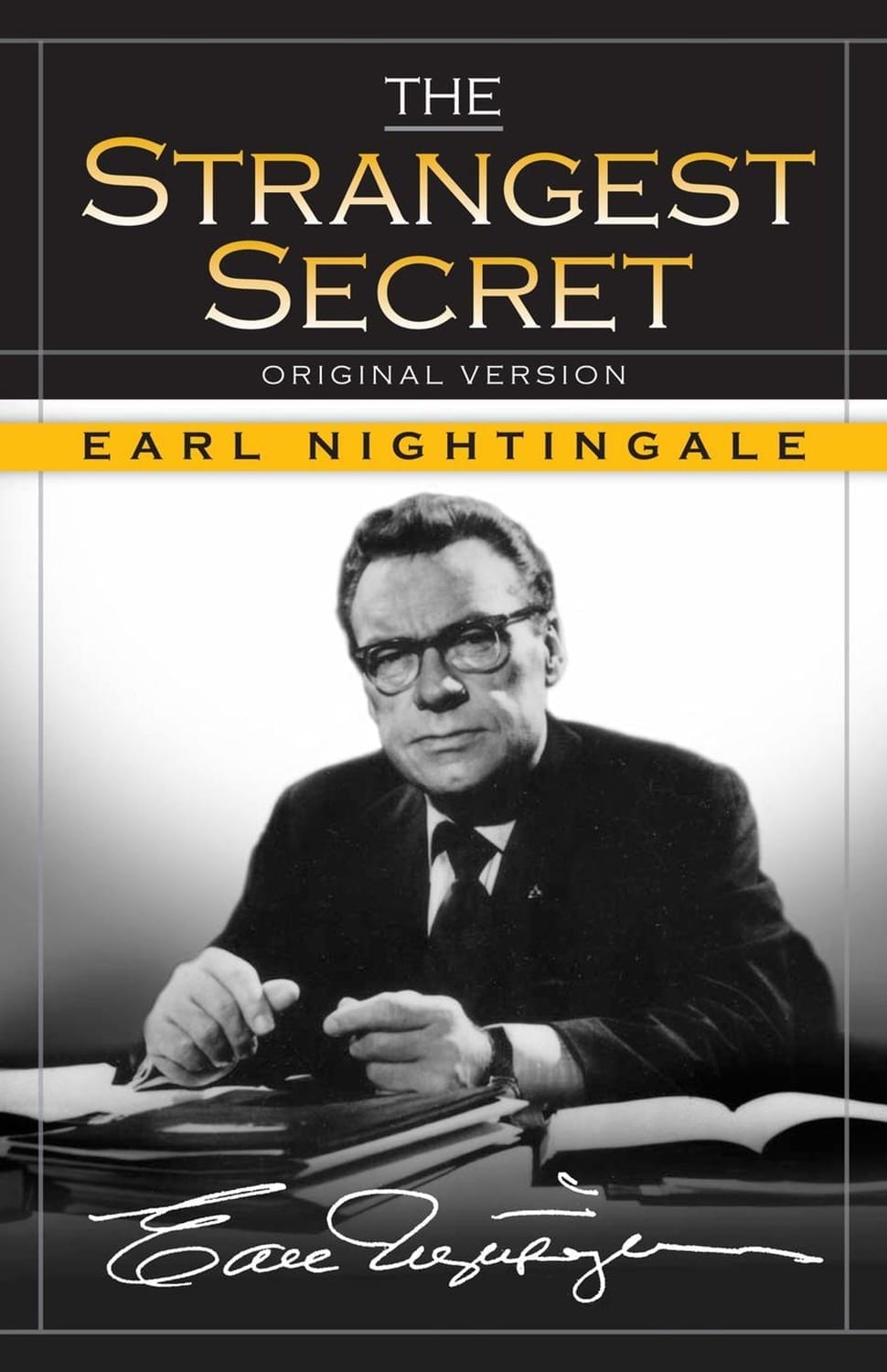
The Strangest Secret
You become what you think about most. Learn how your thoughts shape your success, habits, and future.
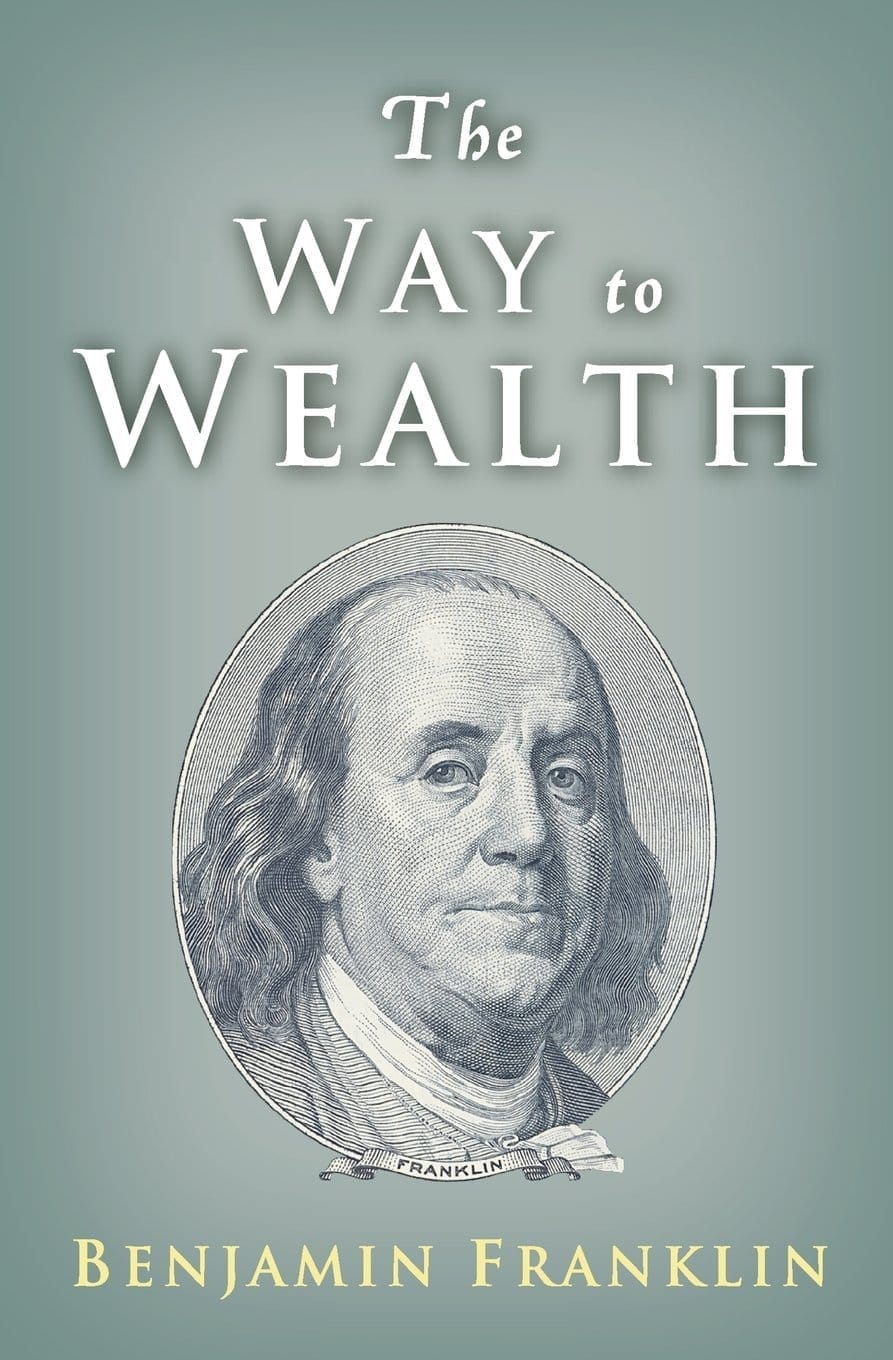
The Way to Wealth
Classic lessons on hard work, discipline, frugality, and wise financial stewardship that remain relevant centuries later.
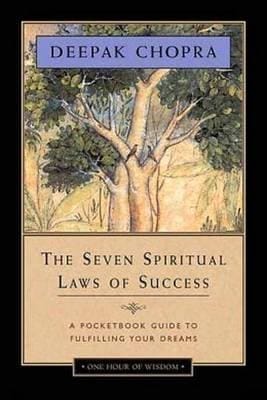
7 Spiritual Laws of Success
Discover spiritual principles that blend purpose, abundance, alignment, and inner peace with external success.
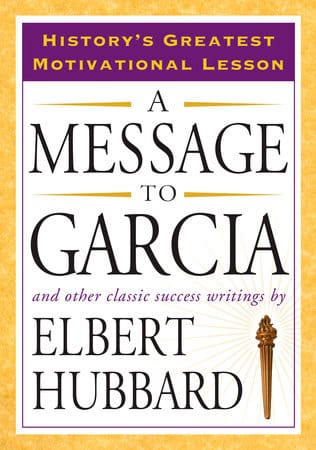
A Message to Garcia
A timeless lesson on initiative, responsibility, reliability, and becoming the kind of person who gets things done without excuses.
Great by Choice
Learn how exceptional companies succeed even in uncertainty through discipline, preparation, and consistent execution.
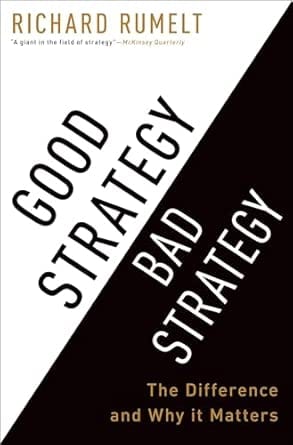
Good Strategy / Bad Strategy
Discover the difference between vague goals and real strategy — and learn how to focus your efforts where they matter most.
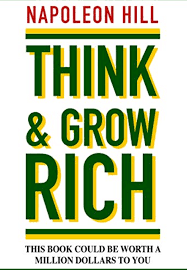
Think and Grow Rich
One of the most influential success books ever written — teaching the power of desire, faith, persistence, and focused action.

The Mental Equivalent
Learn how to create the mental and emotional conditions necessary to attract the life and outcomes you desire.

As a Man Thinketh
Your thoughts shape your character, habits, circumstances, and destiny. Master your mind and you transform your life.

The Game of Life
and How to Play It
A practical guide to spiritual laws, affirmations, faith, and aligning your thoughts and words with the life you want to create.

Dollar Success Club
A full system that shows you, step-by-step, how to start a real online business—even if you’re working full-time, even if you’ve never done this before.