The Power of Full Engagement by Jim Loehr & Tony Schwartz
It’s a great read, I tell you. The Power of Full Engagement is based on the premise that the key to high performance and satisfaction in all aspects of life is not managing time, but managing energy.
Much like the same way Anthony Robbins talks about managing your state if you want to perform optimally, the authors, Jim Loehr and Tony Schwartz, say that everything we do requires energy. They believe that all our thoughts, emotions and behaviours have an energy consequence, for better or worse.
The effective management of energy requires both exertion (expanding energy beyond ordinary limits) and recovery. Stress, they say, is not as much an enemy as we’ve been led to believe. Stress is the key to growth, provided that it is followed by a period adequate recovery. “That which does not kill us,” as Frederic Nietzsche wrote, “only makes us stronger.”
The authors define energy as, “The capacity to do work.” And they ae adamant that, following a period of activity, the body must be allowed a period of rest to replenish its fundamental sources of energy.
Full Engagement, they claim, requires a balance between the expenditure of energy (which is stress) and the renewal of energy (which is recovery). They say, “Too much energy expenditure without sufficient recovery eventually leads to burnout and breakdown (if you overuse it, you will lose it). Too much recovery without sufficient stress leads to atrophy and weakness (you either use it or lose it).
Workaholism is bad for you. Laziness is also bad for you. To build your capacity to perform you must systematically expose yourself to more stress – followed by adequate recovery.
Be careful though, because if you push too hard too quickly, you risk injury. But if you don’t push at all, you risk lethargy. Your exposure to pressure must be gradual and incremental.
The food you eat also affects your energy output.
Jim Loehr and Tony Schwartz suggest that you eat
at regular intervals (every two to three hours).
More importantly, watch what you eat.
You must eat just enough to sustain your energy
for the next two to three hours.
Don’t stuff your stomach like a pig. Eat foods that are low on the glycaemic index. These foods help to release a steady source of energy to your body. Examples of low glycaemic index foods include whole grains, proteins and certain vitamins.
Drinking enough water is also important to managing your energy, so too is sleeping sufficiently. Sleeping is an important source of recovery in all dimensions: physical, mental, emotional and spiritual.
In Good to Great, Jim Collins writes about the Stockdale Paradox being a critical component of building a great company. In The Power of Full Engagement, Jim Loehr and Tony Schwartz refer to this concept as “Realistic Optimism.”
Realistic Optimism is the ability to see the world as it is, but always working positively towards your desired outcome. It is the ability to fully assess situations for their potential benefits or threats, and thus avoid situations that are likely to result in a destructive (negative) outcome. Negativity drains energy, and this lack of energy leads to poor performance.
Inspiration and purpose result in positive energy, and consequently, increased capacity to perform. Connecting to your deepest values and a purpose beyond your own self-interests may lead to you doing your best work. You are most likely to perform at optimum levels when you are engaged in an activity that you choose voluntarily, and feel most passionate about, and from which you derive the most pleasure. When you dread your work, or you work in a toxic, non-supportive environment, you are less likely to perform at your best.
The Power of Full Engagement offers a few exercises you can do to discover your purpose, values and virtues in life. The authors of The Power of Full Engagement also give a few examples of how they’ve helped their many high-end clients overcome certain challenges in their own careers and lives. They also share a list of resources that can help you to be fully engaged at work and at home. They have an incredible chapter that guides you to take action in the right direction. This chapter helps you understand the key building blocks of your current disempowering habits. They also offer suggestions and guidelines about how you can begin to take charge of your own habits and rituals in order to get to the point you want to get to in life.
Joined Dollar Success Club?
This is a community for people who want to:
• Start an online business
• Build multiple income streams
• Learn marketing and sales
• Turn ideas into profitable systems
Join the community here:
https://www.successclub.co.za/dollar
What You Miss By Not Joining Dollar Success Club...
Free practical action-based workbooks designed to help you apply powerful success principles immediately.
Topics include:
Mindset, Wealth, Discipline, Spirituality, Productivity, Purpose, Relationships, and so much more...
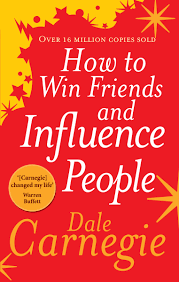
How to Win Friends and Influence People
Learn the timeless people skills that open doors, build influence, strengthen relationships, and help you succeed in business and life without manipulation or force.
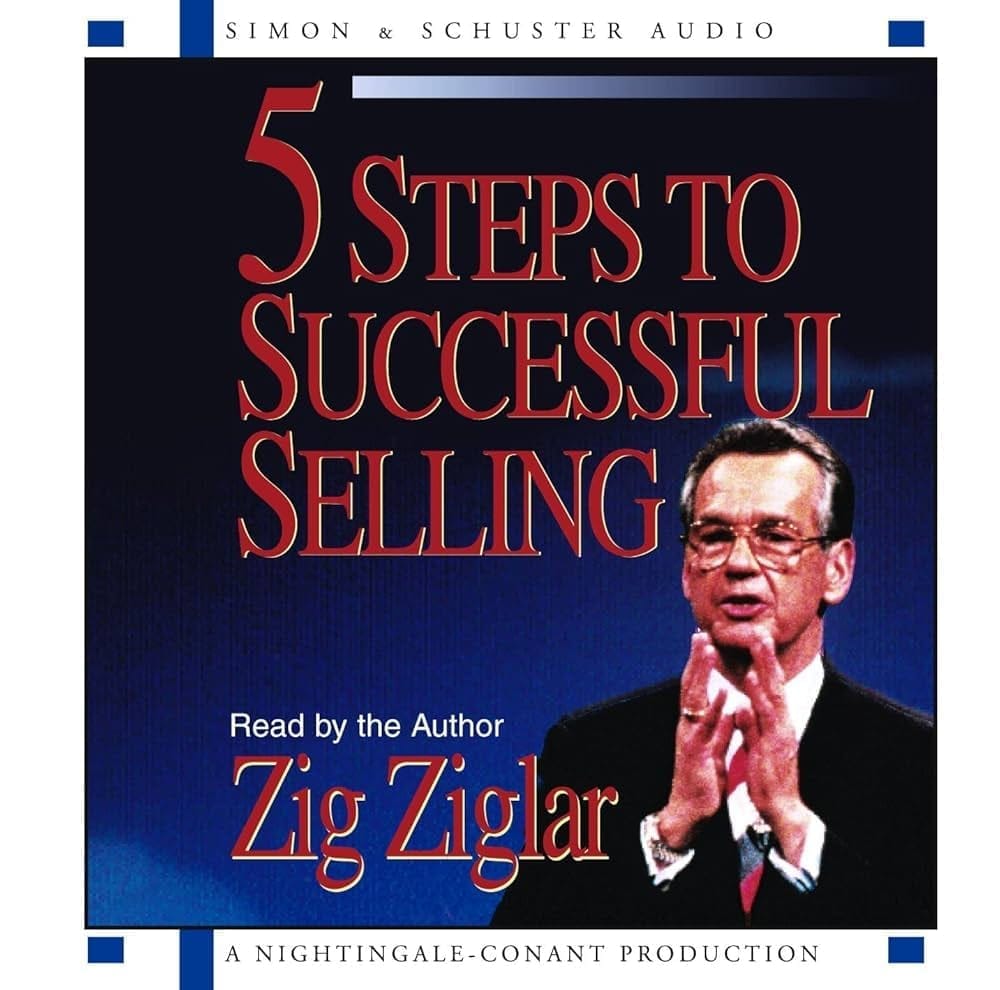
Five Steps to Successful Selling
Master the foundations of persuasion, confidence, and ethical selling so you can close more deals, grow your income, and serve customers more effectively.
Acres of Diamonds
Discover how the opportunities you’ve been searching for may already exist right where you are — hidden in your skills, experiences, and environment.
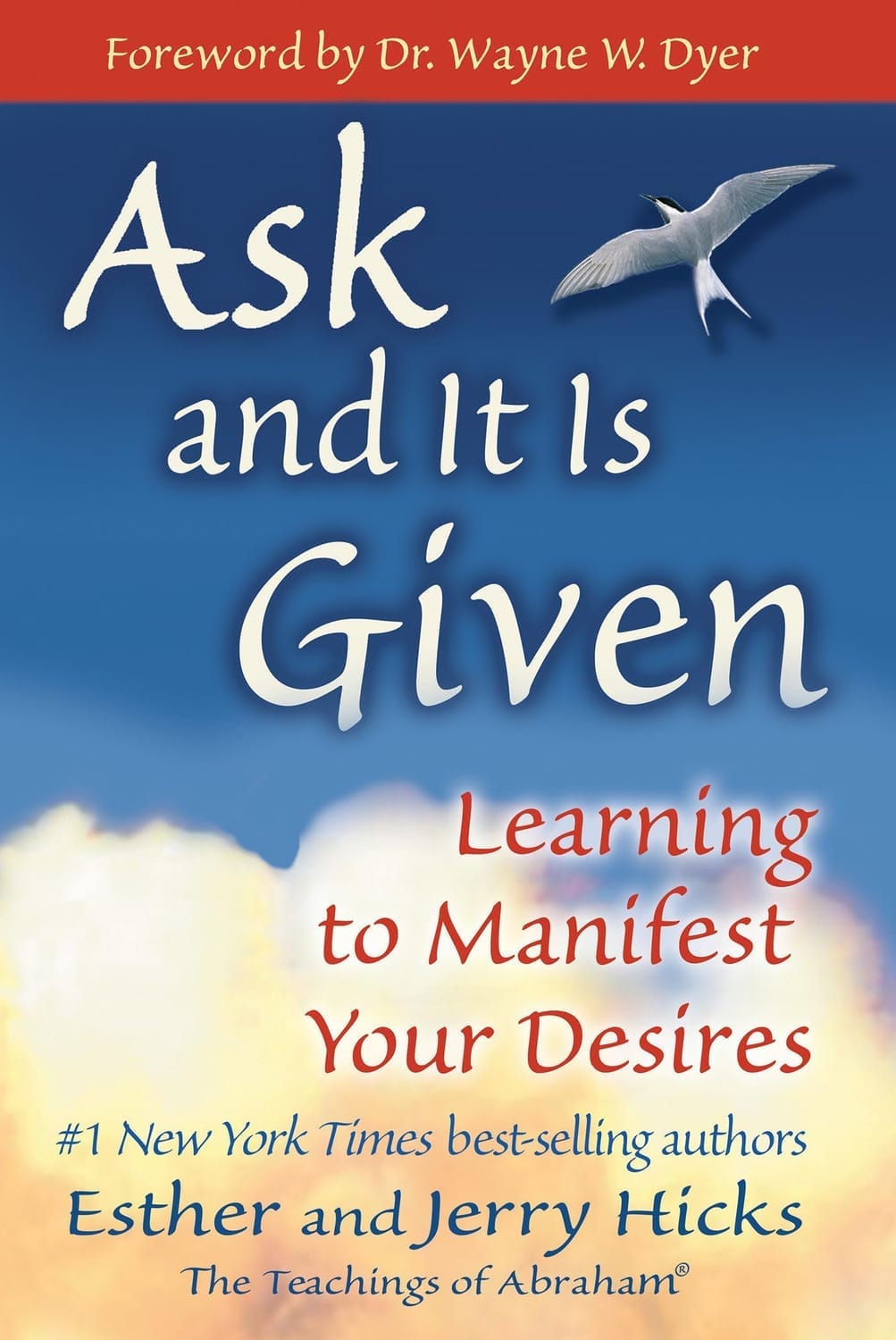
Ask and It Is Given
Learn how your thoughts, emotions, and expectations shape your reality — and how to deliberately attract better outcomes into your life.
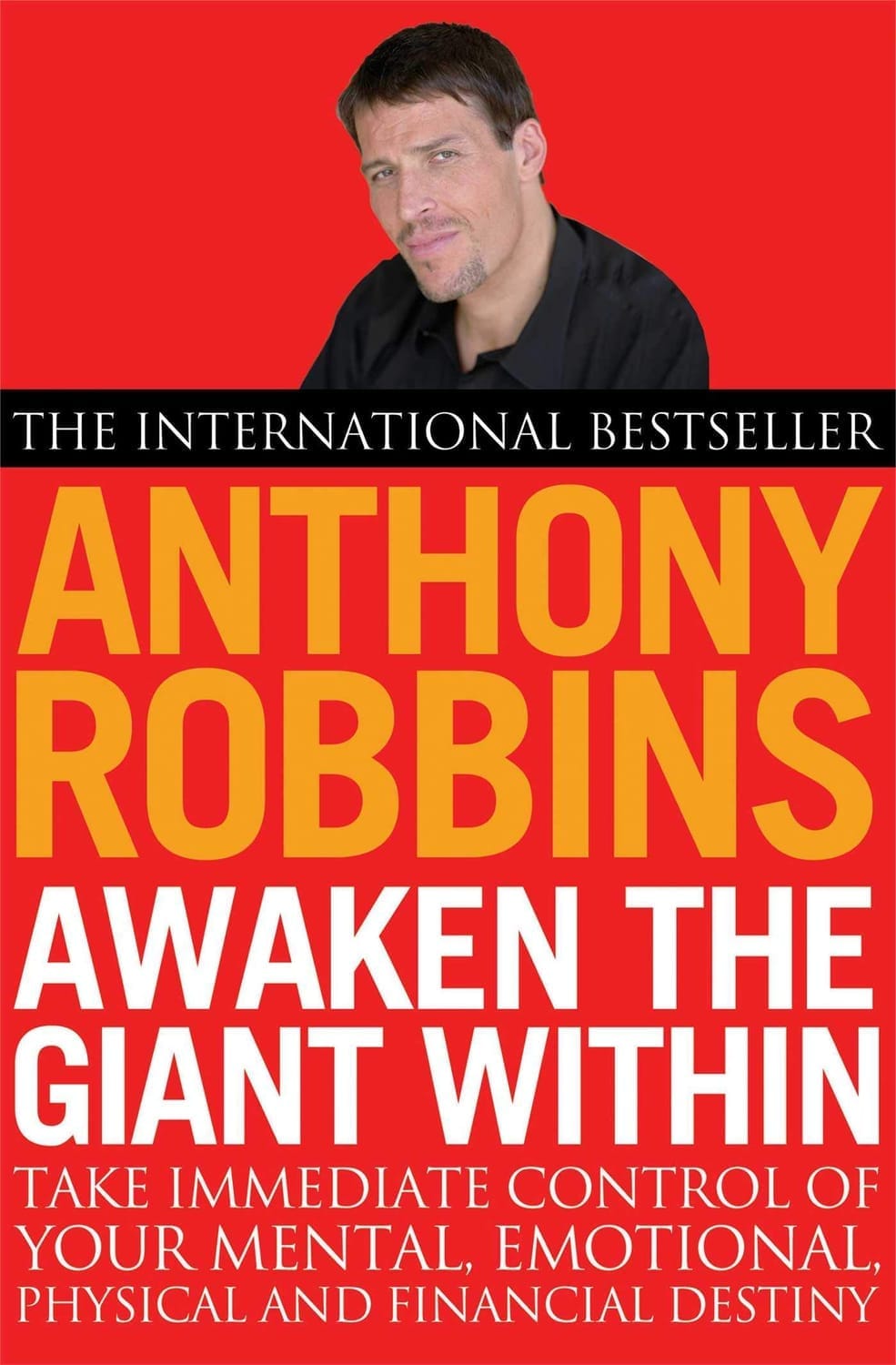
Awaken the Giant Within
Take control of your mindset, emotions, finances, and habits so you can unlock the power and potential already inside you.

Book of Proverbs
Timeless wisdom on discipline, money, relationships, leadership, and decision-making — practical success principles that still apply today.
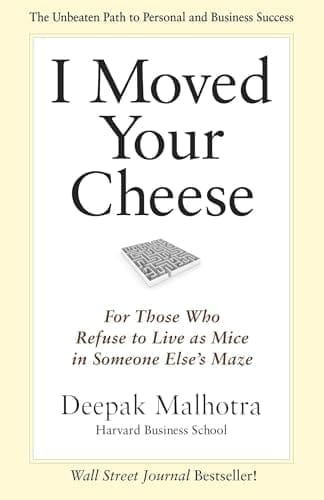
I Moved Your Cheese
A simple but powerful lesson on challenging paradigms, overcoming fear, and rethinking the status quo in an ever-changing world.

Peaks and Valleys
Learn how to navigate life’s highs and lows wisely — and how difficult seasons can become stepping stones to greater success.
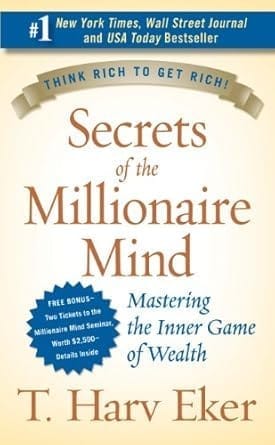
Secrets of the Millionaire Mind
Discover the hidden money beliefs shaping your financial life — and how to reprogram your mindset for wealth and abundance.
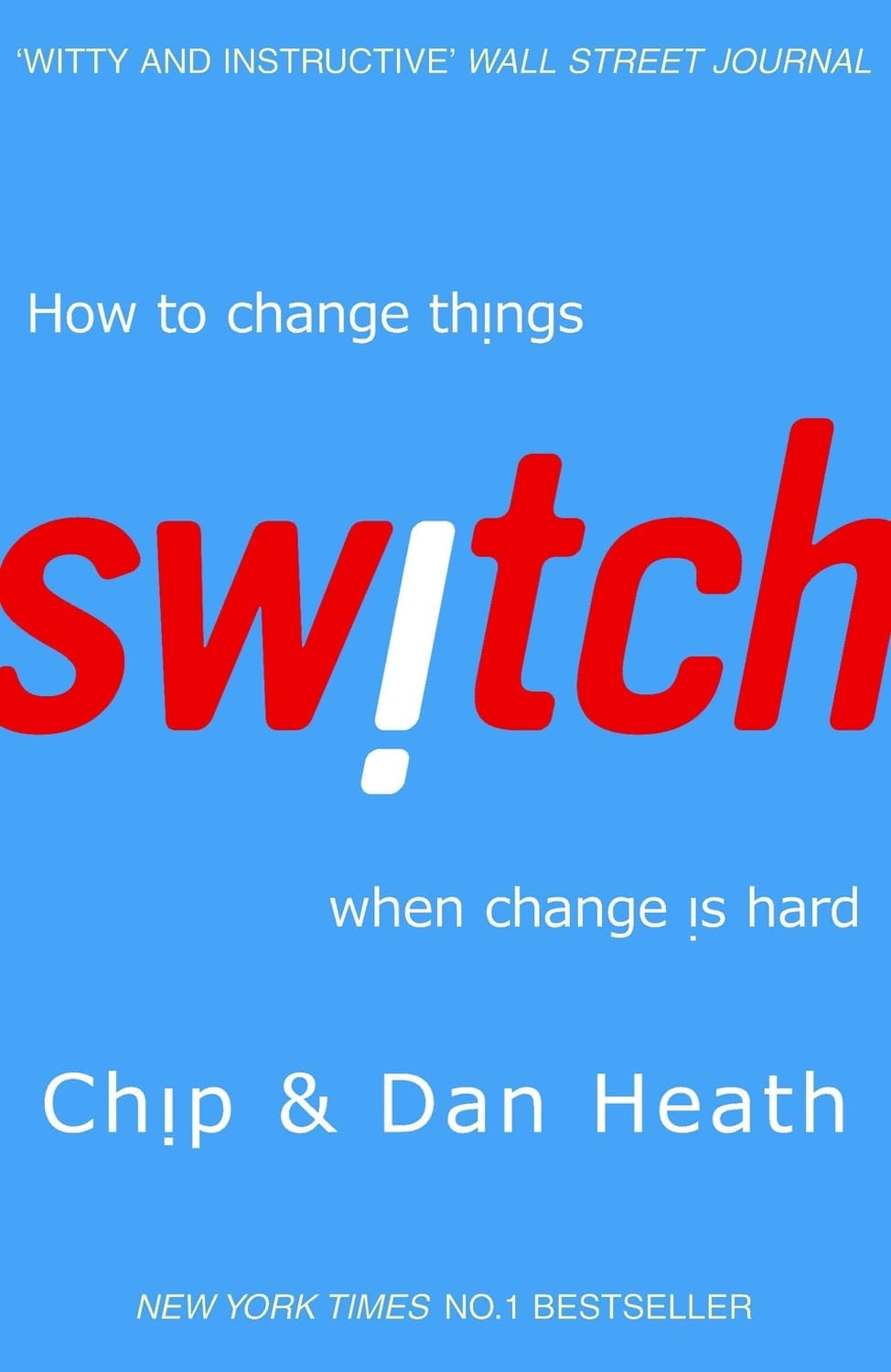
Switch
Understand why change is difficult — and learn practical strategies to successfully change habits, behaviors, and results.
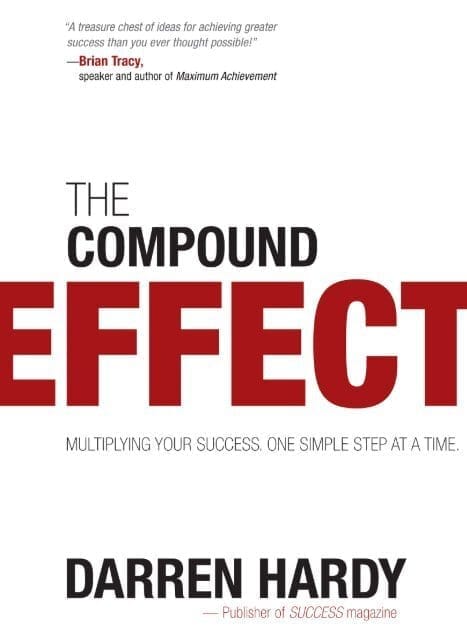
The Compound Effect
Small daily actions may seem insignificant, but over time they create extraordinary results in wealth, health, and success.
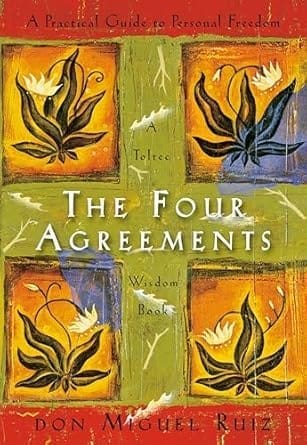
The Four Agreements
Four simple but life-changing principles to help you experience greater peace, freedom, confidence, and healthier relationships.
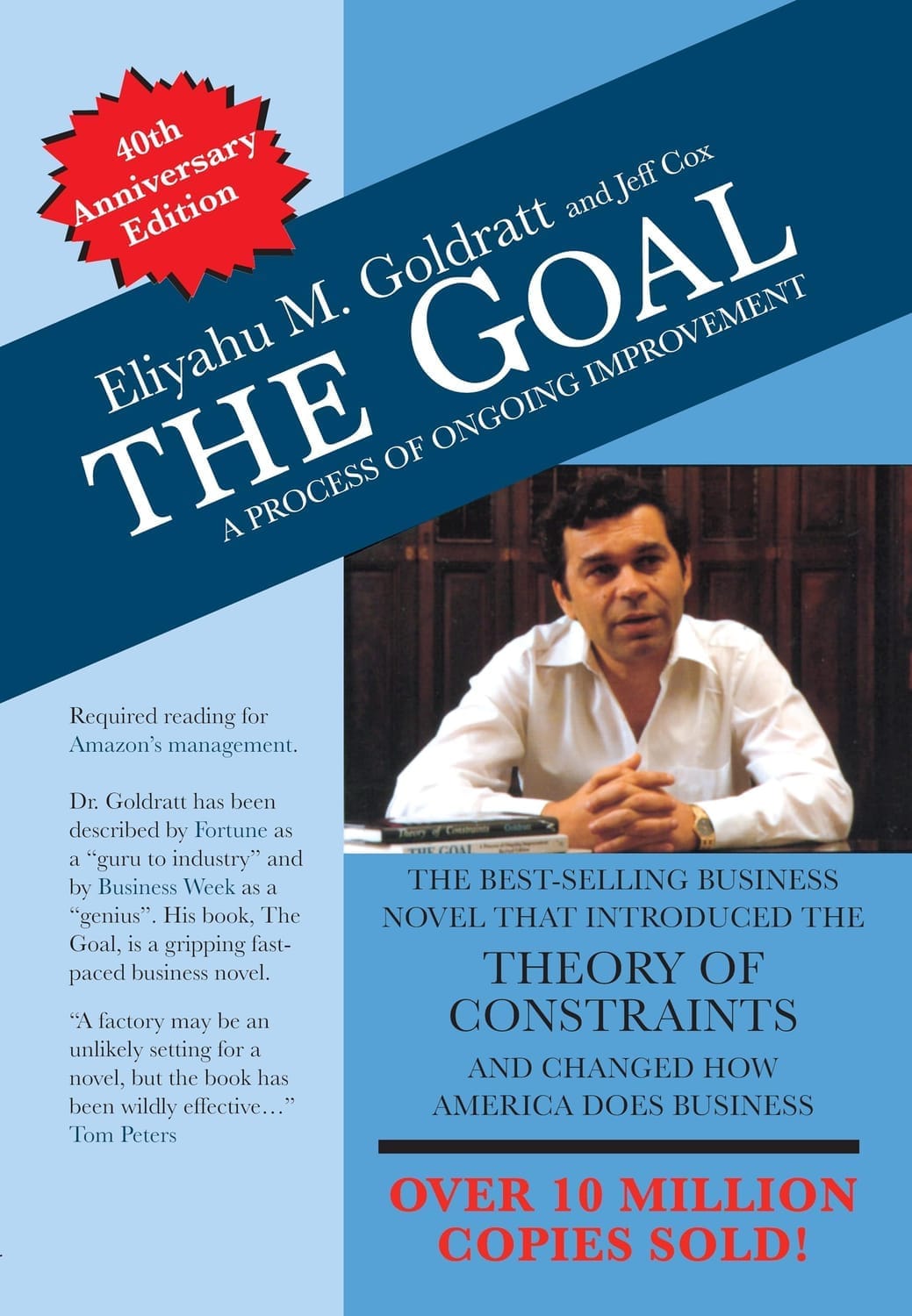
The Goal
A powerful business novel that teaches you how to identify bottlenecks, improve productivity, and focus on what truly drives results.
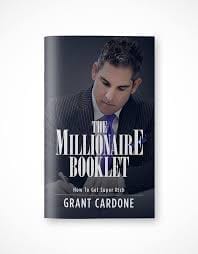
The Millionaire Booklet
A practical wake-up call about money, ambition, and the mindset required to escape financial struggle and pursue wealth seriously.
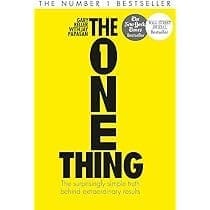
The One Thing
Learn how focusing on the most important task can dramatically improve your productivity, results, and quality of life.
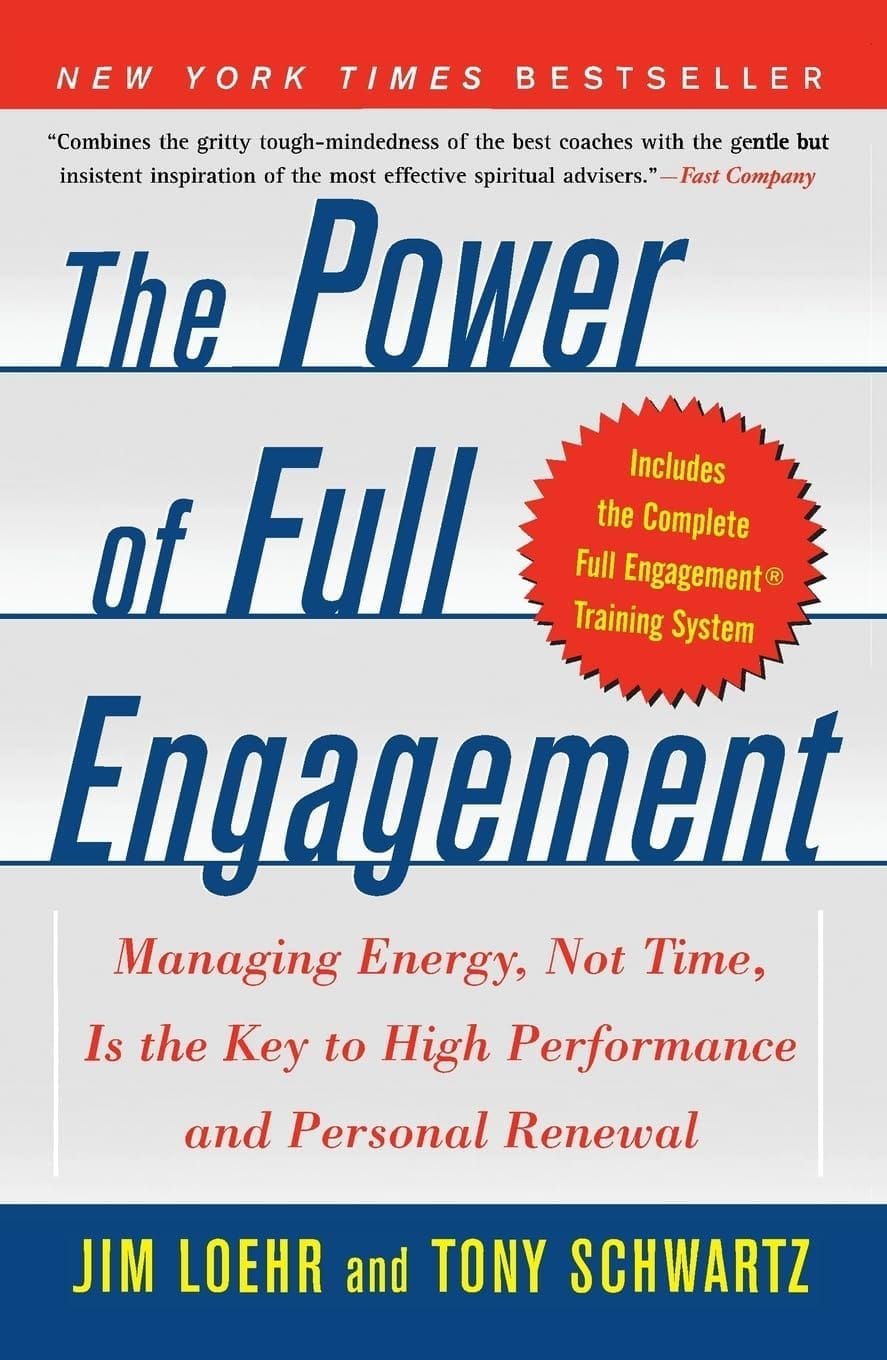
The Power of Full Engagement
Success isn’t just about managing time — it’s about managing your physical, emotional, mental, and spiritual energy effectively.
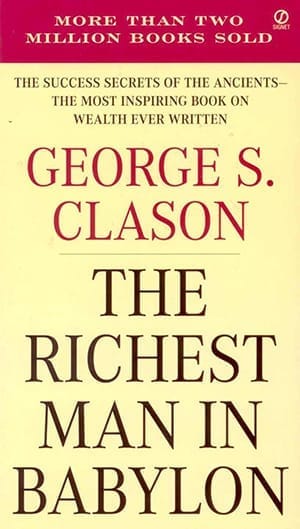
Richest Man In Babylon
Simple, timeless financial principles about saving, investing, discipline, and building long-term wealth.
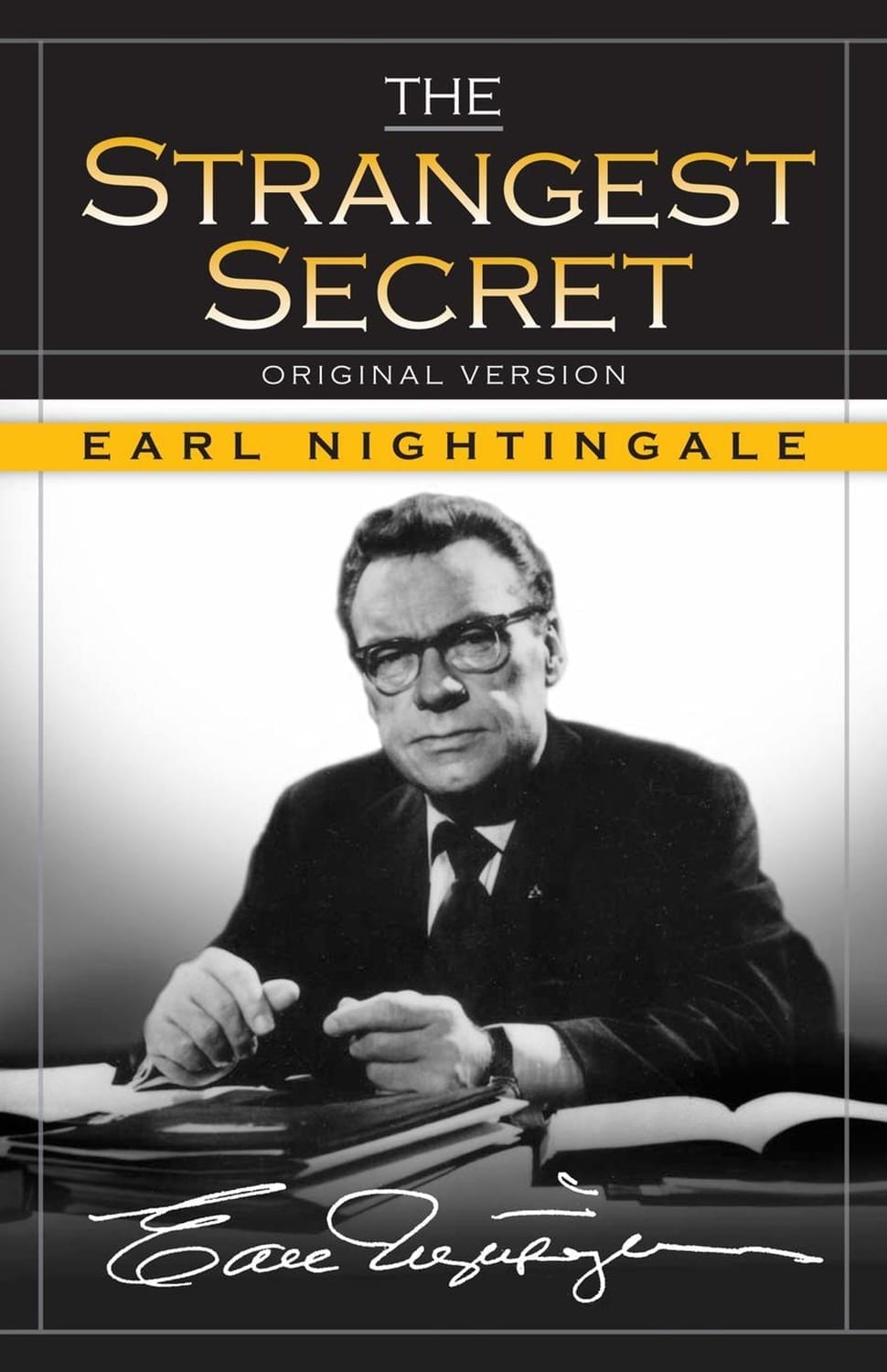
The Strangest Secret
You become what you think about most. Learn how your thoughts shape your success, habits, and future.
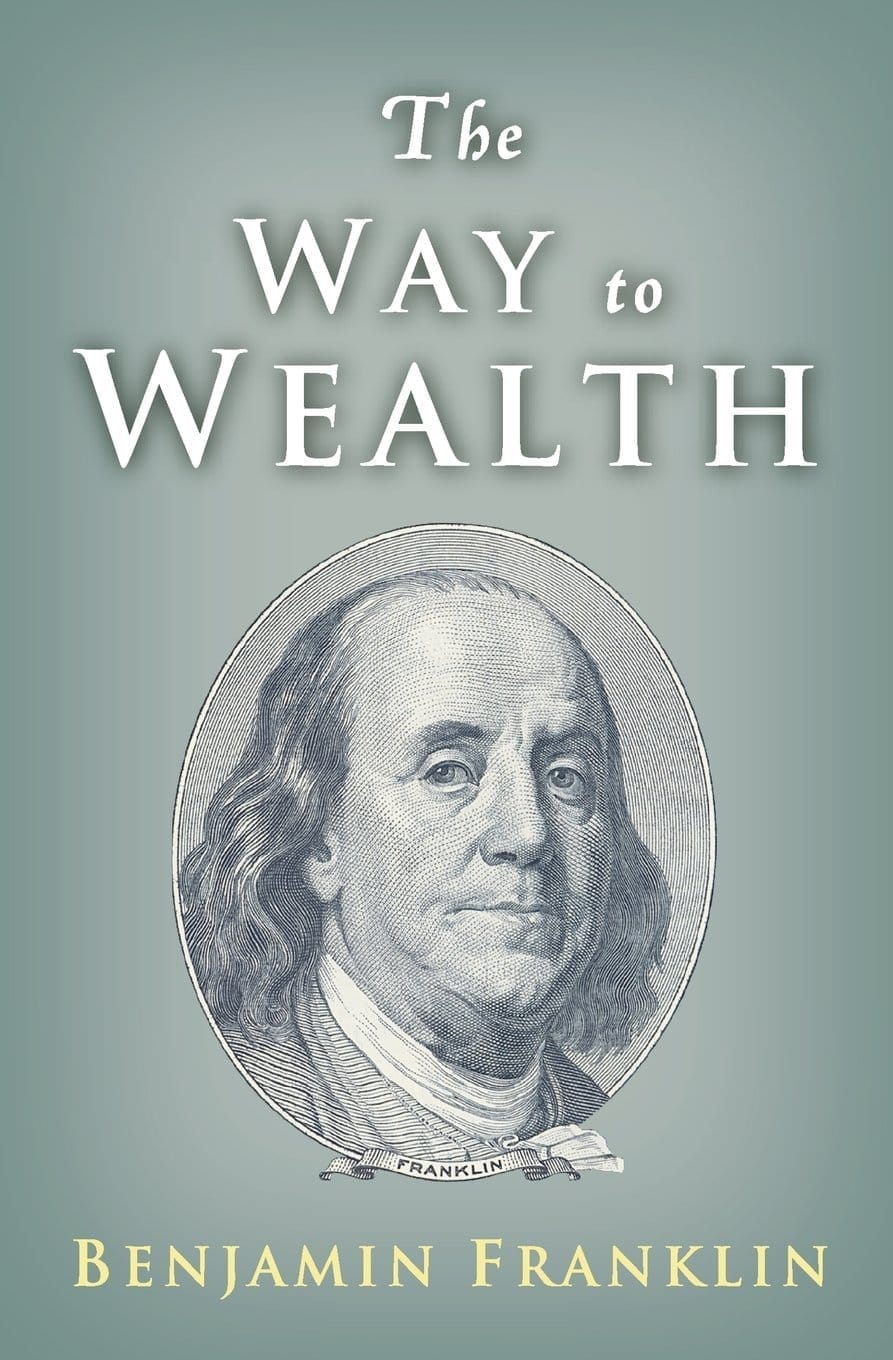
The Way to Wealth
Classic lessons on hard work, discipline, frugality, and wise financial stewardship that remain relevant centuries later.
7 Spiritual Laws of Success
Discover spiritual principles that blend purpose, abundance, alignment, and inner peace with external success.
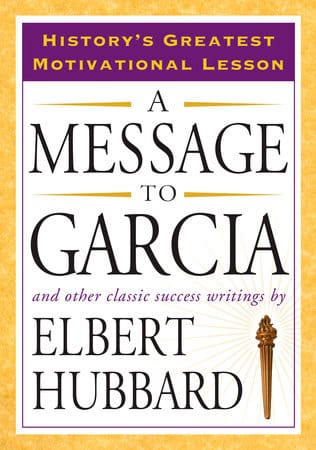
A Message to Garcia
A timeless lesson on initiative, responsibility, reliability, and becoming the kind of person who gets things done without excuses.
Great by Choice
Learn how exceptional companies succeed even in uncertainty through discipline, preparation, and consistent execution.
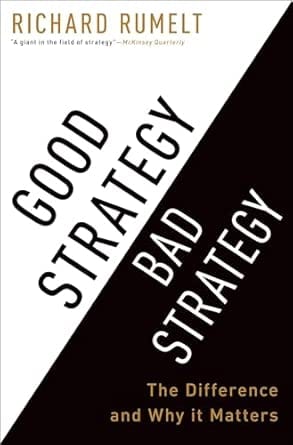
Good Strategy / Bad Strategy
Discover the difference between vague goals and real strategy — and learn how to focus your efforts where they matter most.
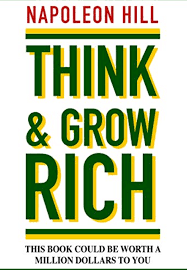
Think and Grow Rich
One of the most influential success books ever written — teaching the power of desire, faith, persistence, and focused action.

The Mental Equivalent
Learn how to create the mental and emotional conditions necessary to attract the life and outcomes you desire.
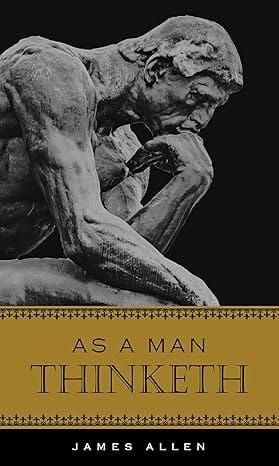
As a Man Thinketh
Your thoughts shape your character, habits, circumstances, and destiny. Master your mind and you transform your life.
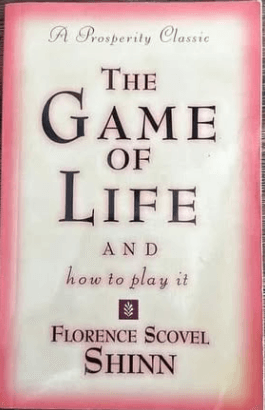
The Game of Life
and How to Play It
A practical guide to spiritual laws, affirmations, faith, and aligning your thoughts and words with the life you want to create.
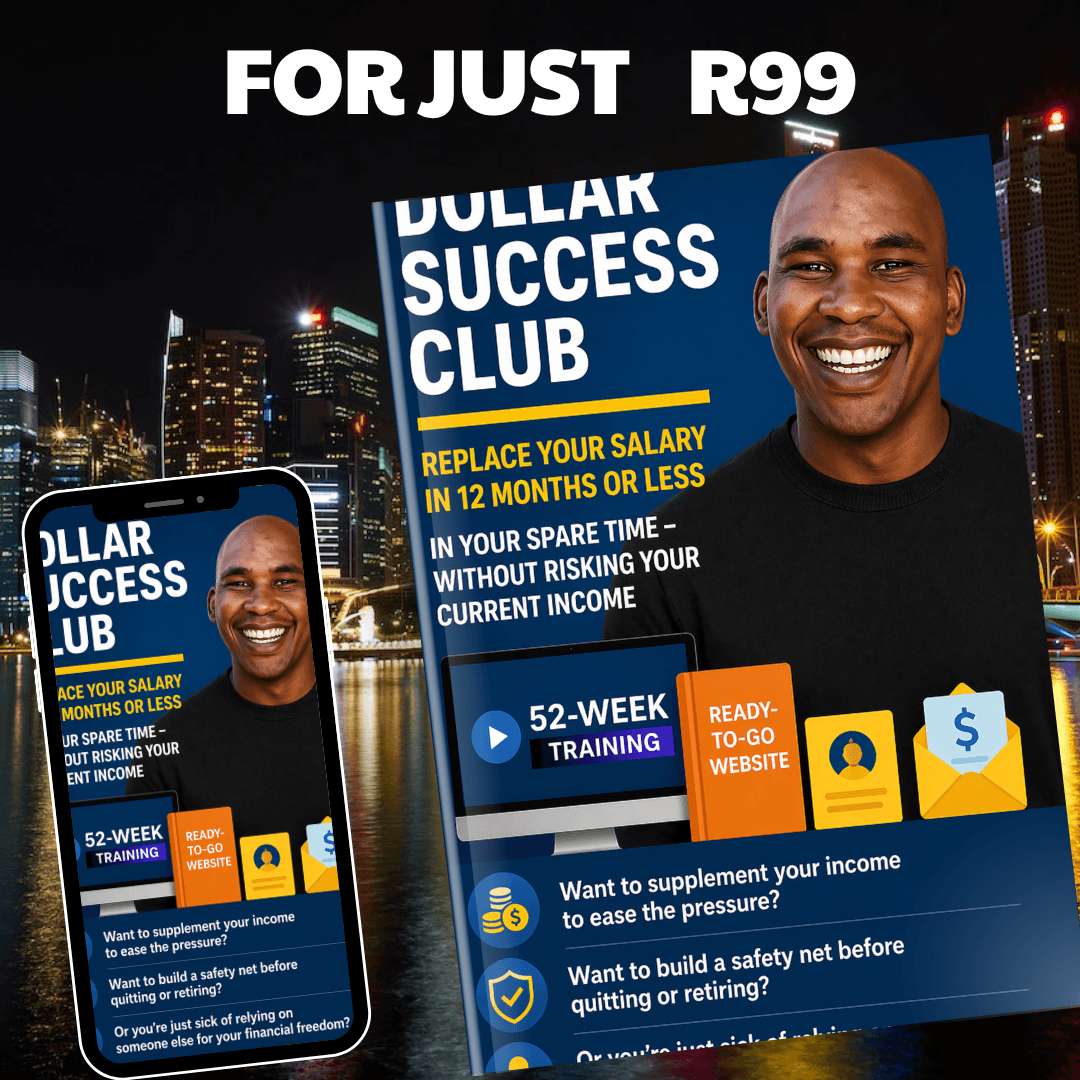
Dollar Success Club
A full system that shows you, step-by-step, how to start a real online business—even if you’re working full-time, even if you’ve never done this before.