
The One Minute Manager by Spencer Johnson, M.D. and Kenneth Hartley Blanchard, Ph.D.
Spencer Johnson, and his partner Kenneth Blanchard, Ph.D.,
have perfected the art of writing motivational business books
in the form of parables.
The One minute manager, arguably their most successful book, opens with a young man who is looking for an effective manager, one who is successful with his people but still gets the job done. The young man’s search has taken him to many places, he has seen many types of offices and he’s had conversations with many different kinds of people, from autocratic managers, bottom-line managers and profit-minded managers.
He has also met with democratic,
and supportive and humanistic managers.
Both these extremes of managers were not entirely efficient, they either got the results and lost the respect of the people, or they had the admiration of the people but were lacking in results.
Until, one day, he heard about this incredible manager who was well liked by his people and also got fantastic results for his company. This man described himself as the One Minute Manager.
The first thing he learned from the one minute manager was that the only way to get results is through people. Results and people go hand in hand. "People who feel good about themselves produce good results." Says the One Minute Manager. He also learnt that productivity is not only about the quantity of work done, but also the quality.
We learn that there are effectively 3 secrets to One Minute Management, the foundation of which is one minute goal setting.
"In most organizations when you ask people what they do and then ask their boss the same question, you get two different lists. And then people get in trouble for not doing something they didn't even know was their job.
That's the primary purpose of one minute goal setting -
to clarify the responsibilities of both the manager and the employee, and also the expected performance standards for each goal.
Feedback is said to be the breakfast of champions, what better way is there to give and receive sincere feedback than to understand exactly what is required from you, and what you should expect in return?
Mistakes are inevitable in the workplace despite our best efforts to do every job well. The one minute manager shows us how to deal constructively with mistakes that creep up in a manner that will not make the employee feel unappreciated and belittled.
The one minute manager believes in empowering people to identify and solve their own problems. In defining a problem he suggests, "The behaviour must be in observable, measurable terms."
The one minute manager also teaches the reader that asking questions helps them get to the solution. We don't have to rely on other people to come up with solutions all the time. We just have to ask ourselves a series of questions and analyse the potential consequences until we get to the outcome we need and want.
The one minute manager is constantly trying to catch people doing something right. “This helps people reach their true potential” he says. In most companies, people are ignored when they do things right but chastised for small errors. The book warns against this “leave alone-rebuke” approach to management.
Many companies spend money maintaining buildings and equipment, but they don't invest in the development of their people, which is a sin. As a manager, the book argues, you can hire proven winners at very high cost, or you can hire potential winners and train them to be winners.
People love to get rewarded for their work. It keeps them motivated. The best way to ensure you have engaged employees is to set the goal much lower in the beginning and gradually raise the bar. As the book suggests, "The key to training someone is to catch them doing something approximately right until they can eventually do it exactly right.” We all want what feels good to us and avoid what feels bad. We dearly love to be motivated and encouraged but we hate flattery and manipulation.
Be delicate when dealing with people. Be tough on the performance, not on the person. Tell the person exactly what they did wrong, how you feel about it and remind them that they are valuable as a person. It’s just their behaviour that needs to change. "Goals begin behaviours consequences maintain behaviours.”
"Unless discipline occurs as soon after the misbehaviour as possible, it tends not to be as helpful in influencing future behaviour.” So don't store up observations of poor behaviour and then dump the heap of garbage on the employee. This usually leads to resentment.
"Take a minute: look at your goals - look at your performance - see if your behaviour matches your goals. If not, decide what to change about it and set a plan in motion.
Some Memorable Quotes
from the One Minute Manager:
I care about results and people. They go hand in hand.
Help people reach their full potential, catch them doing something right.
Catch them doing something approximately right until they learn to do it exactly right.
Be clear on the goal. And know exactly what good performance looks like.
Reprimand the behaviour only... The purpose is to eliminate the behaviour and keep the person.
Take a minute: look at your goals - look at your performance - see if your behaviour matches your goals.
Effective managers manage themselves and the people they work with so that both the organisation and the people profit from their presence.
Joined Dollar Success Club?
This is a community for people who want to:
• Start an online business
• Build multiple income streams
• Learn marketing and sales
• Turn ideas into profitable systems
Join the community here:
https://www.successclub.co.za/dollar
What You Miss By Not Joining Dollar Success Club...
Free practical action-based workbooks designed to help you apply powerful success principles immediately.
Topics include:
Mindset, Wealth, Discipline, Spirituality, Productivity, Purpose, Relationships, and so much more...
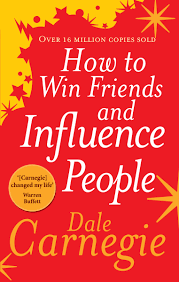
How to Win Friends and Influence People
Learn the timeless people skills that open doors, build influence, strengthen relationships, and help you succeed in business and life without manipulation or force.

Five Steps to Successful Selling
Master the foundations of persuasion, confidence, and ethical selling so you can close more deals, grow your income, and serve customers more effectively.
Acres of Diamonds
Discover how the opportunities you’ve been searching for may already exist right where you are — hidden in your skills, experiences, and environment.
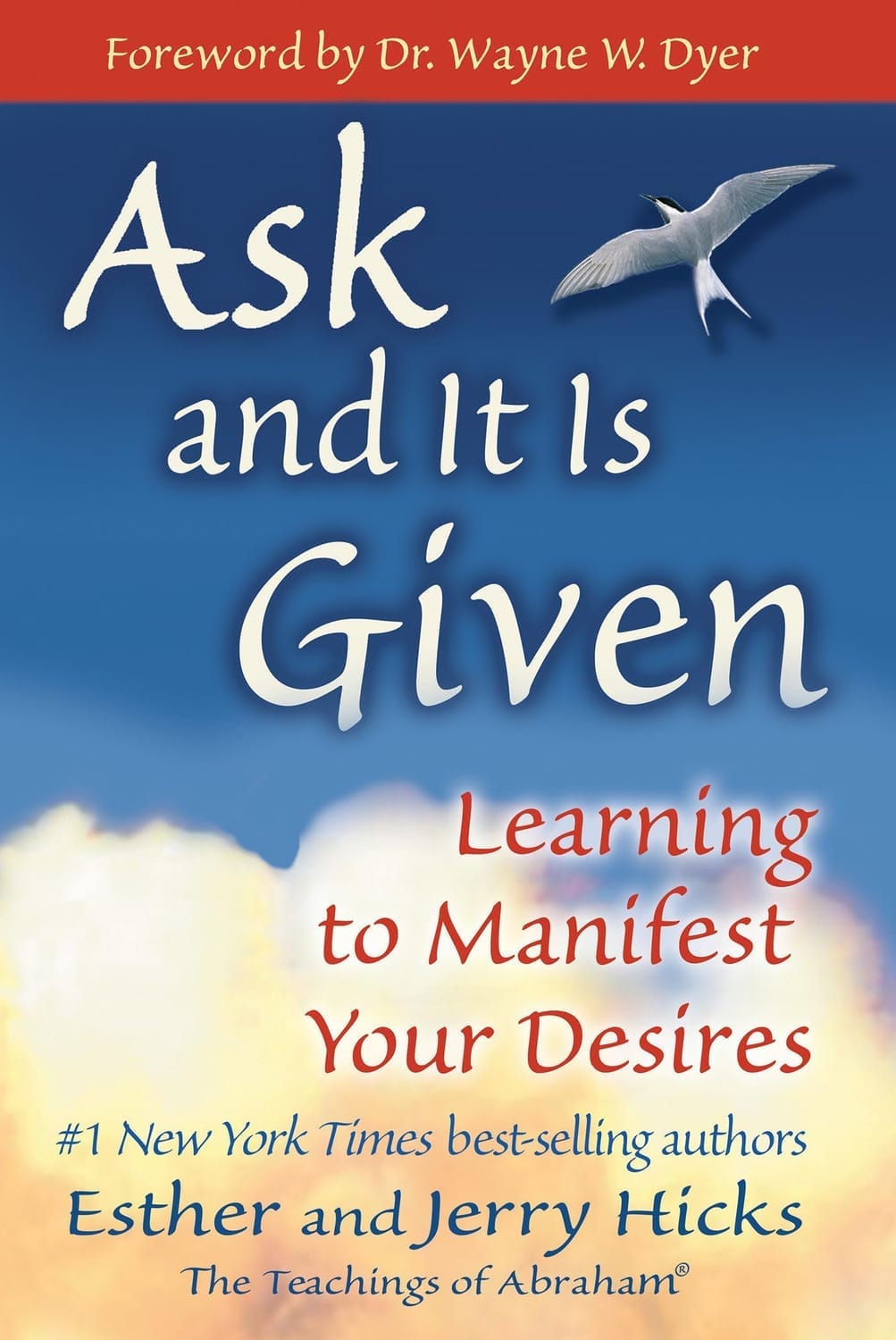
Ask and It Is Given
Learn how your thoughts, emotions, and expectations shape your reality — and how to deliberately attract better outcomes into your life.

Awaken the Giant Within
Take control of your mindset, emotions, finances, and habits so you can unlock the power and potential already inside you.

Book of Proverbs
Timeless wisdom on discipline, money, relationships, leadership, and decision-making — practical success principles that still apply today.
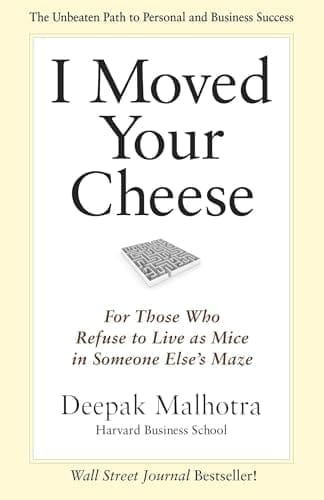
I Moved Your Cheese
A simple but powerful lesson on challenging paradigms, overcoming fear, and rethinking the status quo in an ever-changing world.

Peaks and Valleys
Learn how to navigate life’s highs and lows wisely — and how difficult seasons can become stepping stones to greater success.

Secrets of the Millionaire Mind
Discover the hidden money beliefs shaping your financial life — and how to reprogram your mindset for wealth and abundance.
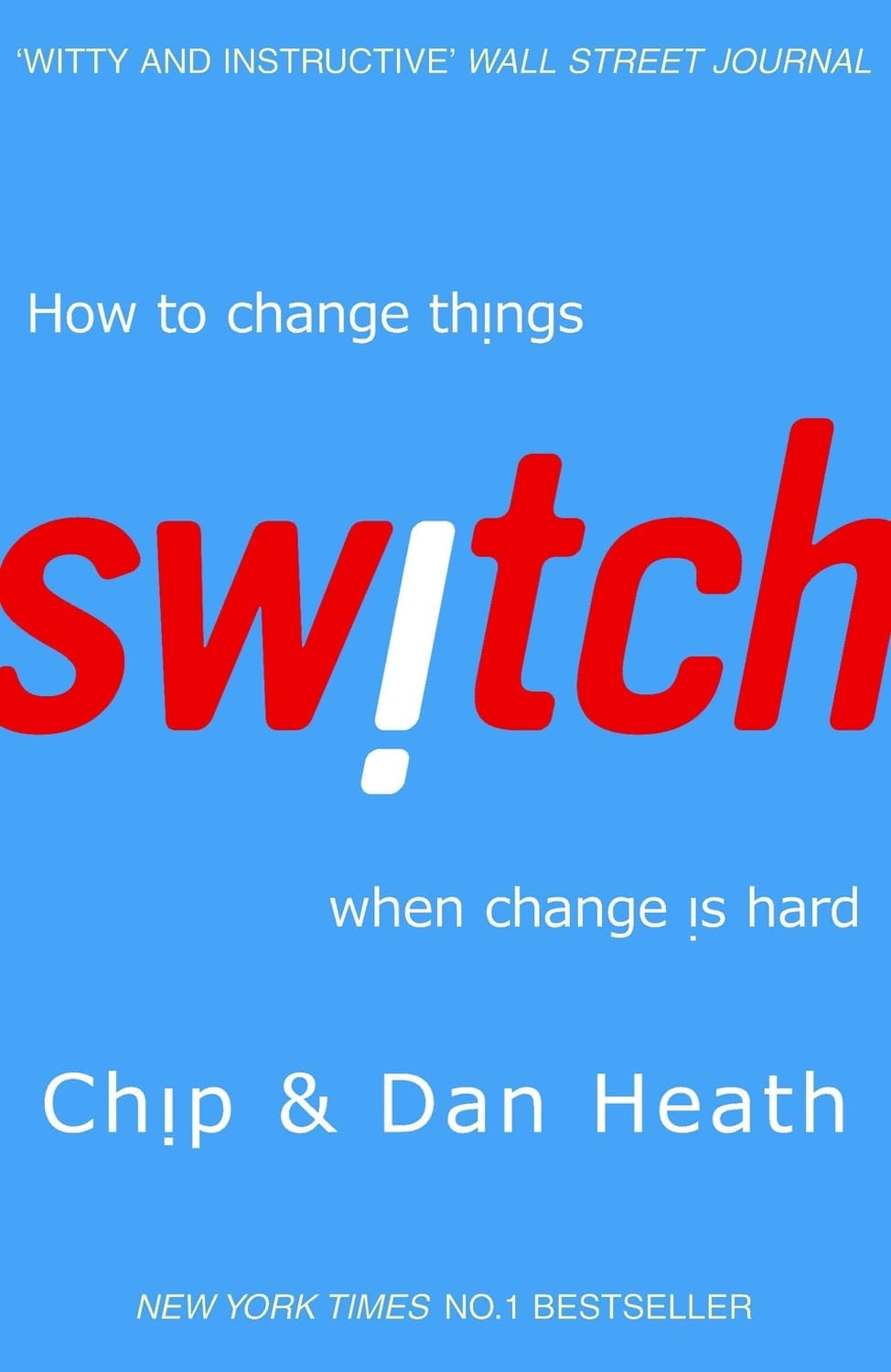
Switch
Understand why change is difficult — and learn practical strategies to successfully change habits, behaviors, and results.
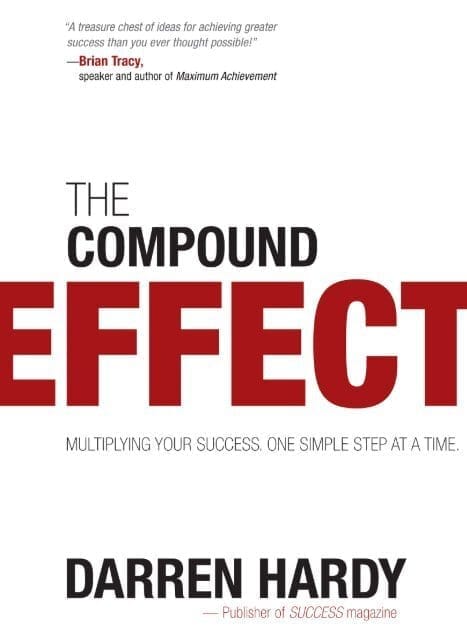
The Compound Effect
Small daily actions may seem insignificant, but over time they create extraordinary results in wealth, health, and success.
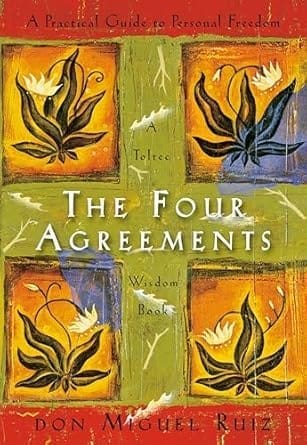
The Four Agreements
Four simple but life-changing principles to help you experience greater peace, freedom, confidence, and healthier relationships.
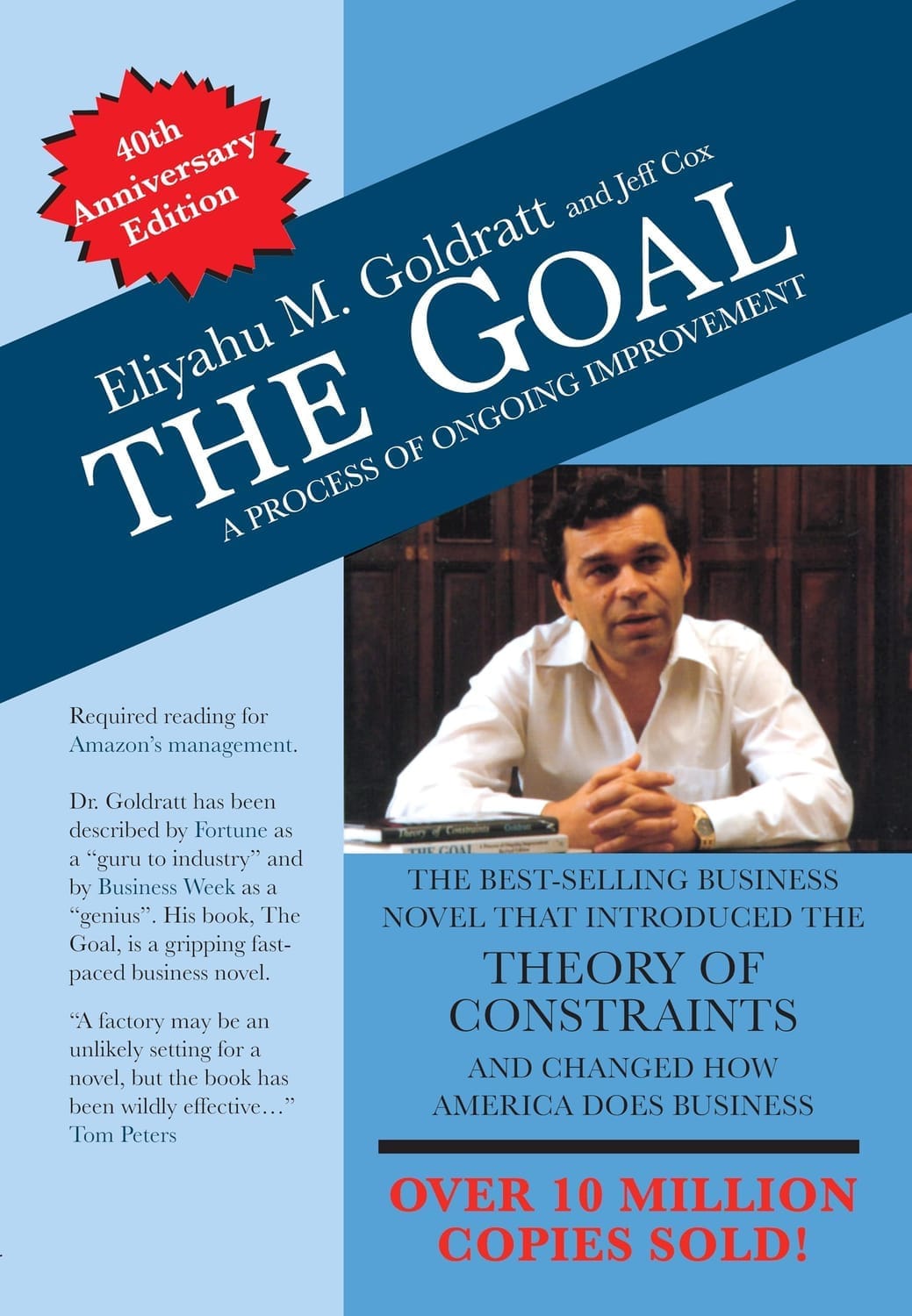
The Goal
A powerful business novel that teaches you how to identify bottlenecks, improve productivity, and focus on what truly drives results.
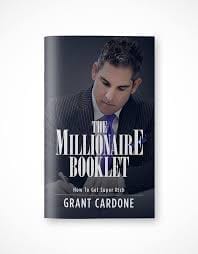
The Millionaire Booklet
A practical wake-up call about money, ambition, and the mindset required to escape financial struggle and pursue wealth seriously.
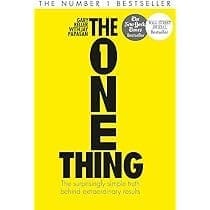
The One Thing
Learn how focusing on the most important task can dramatically improve your productivity, results, and quality of life.
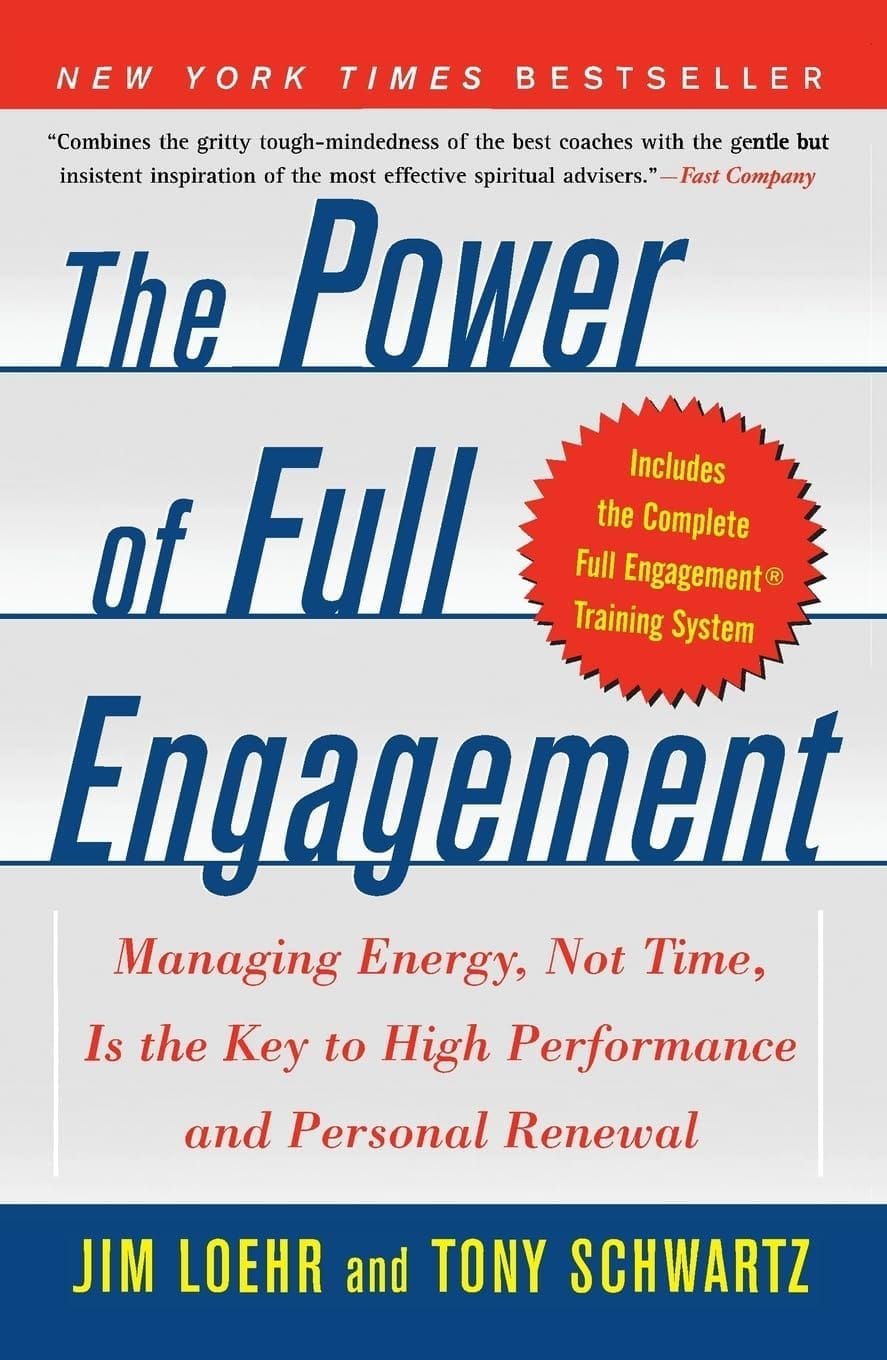
The Power of Full Engagement
Success isn’t just about managing time — it’s about managing your physical, emotional, mental, and spiritual energy effectively.
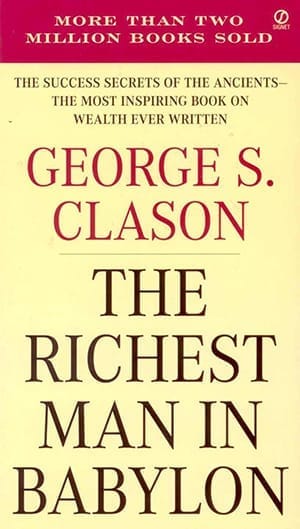
Richest Man In Babylon
Simple, timeless financial principles about saving, investing, discipline, and building long-term wealth.
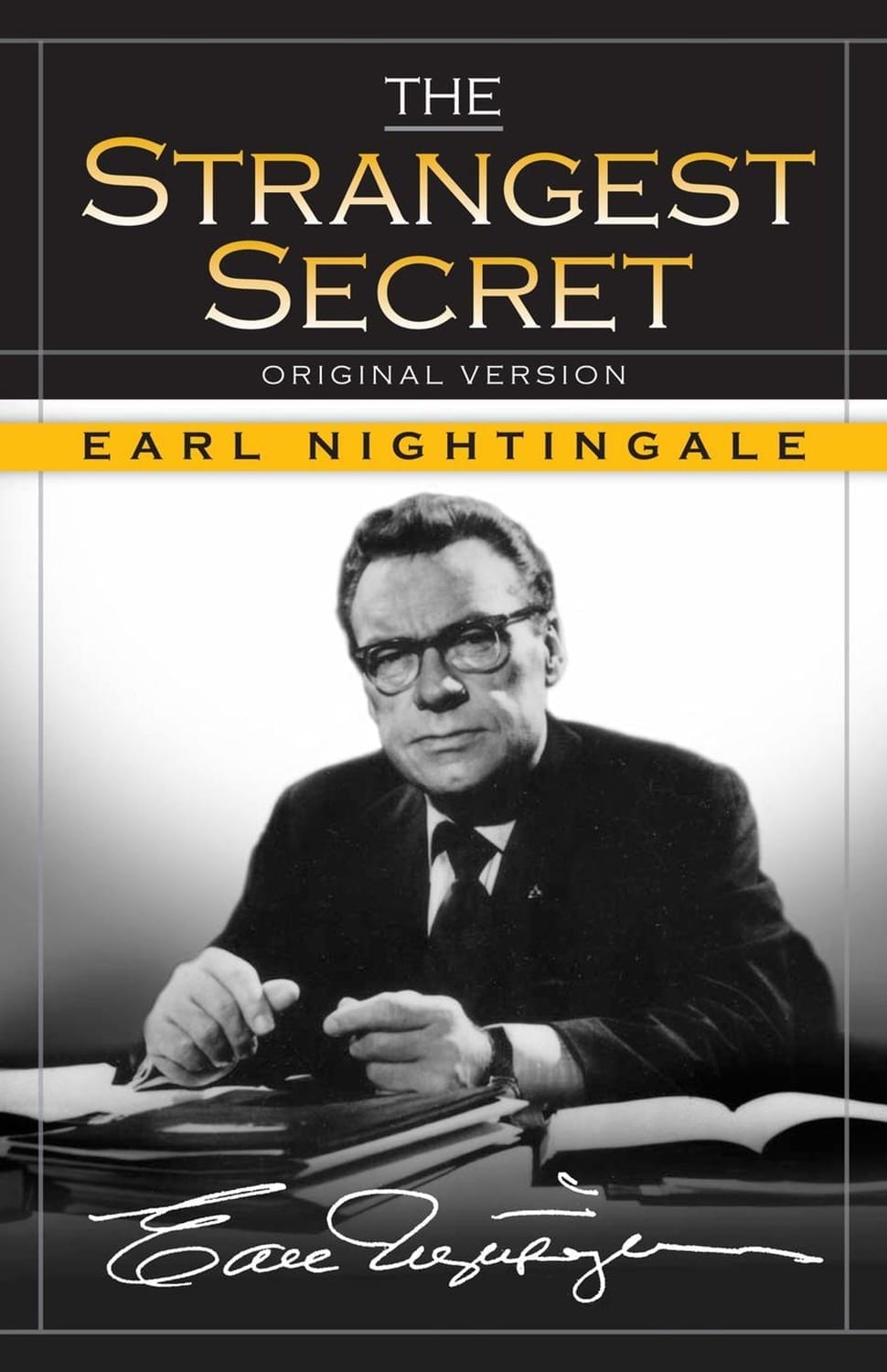
The Strangest Secret
You become what you think about most. Learn how your thoughts shape your success, habits, and future.
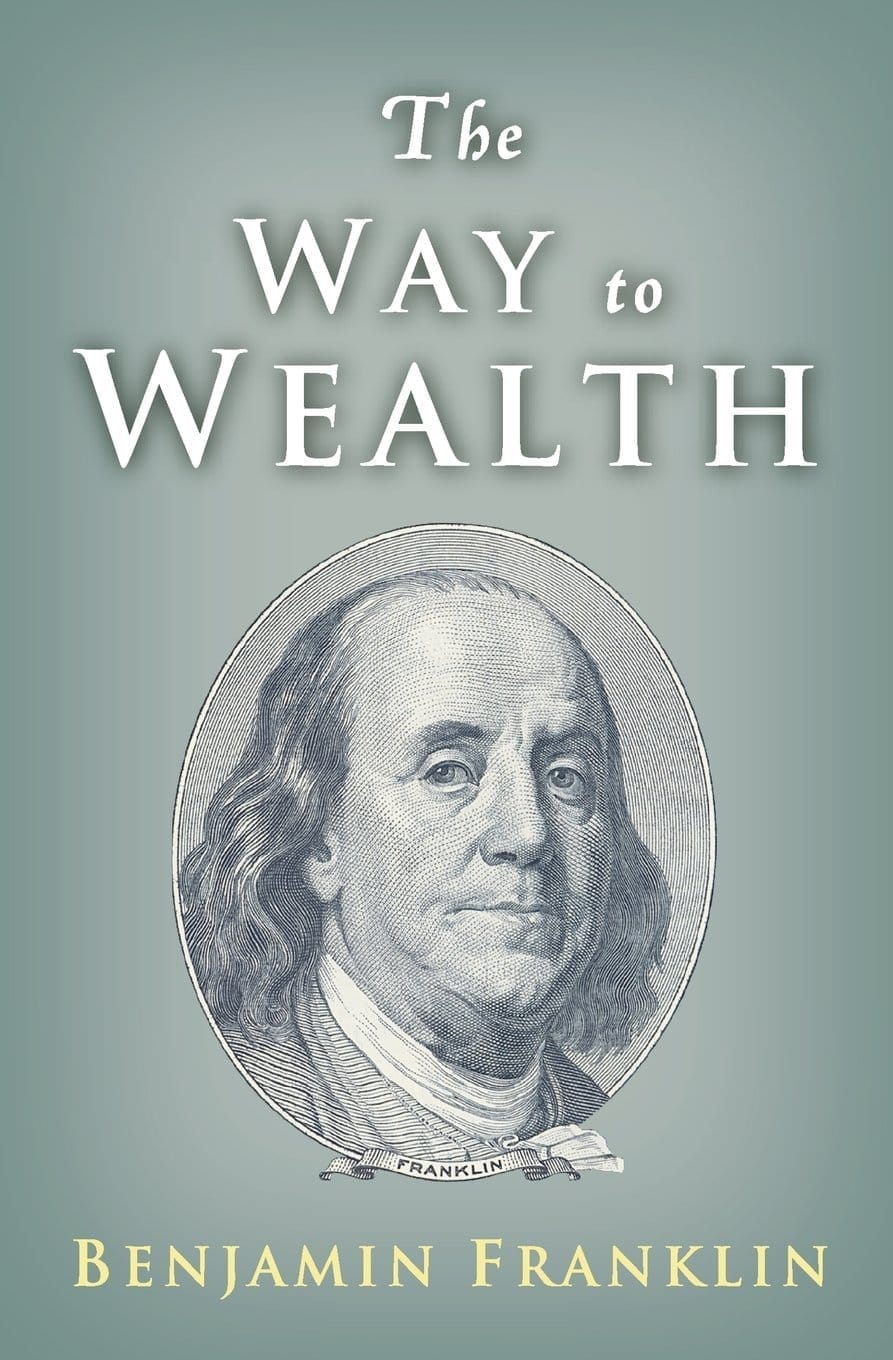
The Way to Wealth
Classic lessons on hard work, discipline, frugality, and wise financial stewardship that remain relevant centuries later.

7 Spiritual Laws of Success
Discover spiritual principles that blend purpose, abundance, alignment, and inner peace with external success.
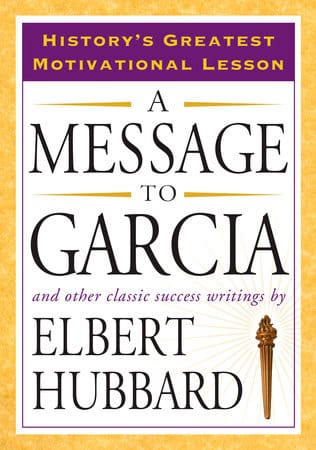
A Message to Garcia
A timeless lesson on initiative, responsibility, reliability, and becoming the kind of person who gets things done without excuses.
Great by Choice
Learn how exceptional companies succeed even in uncertainty through discipline, preparation, and consistent execution.
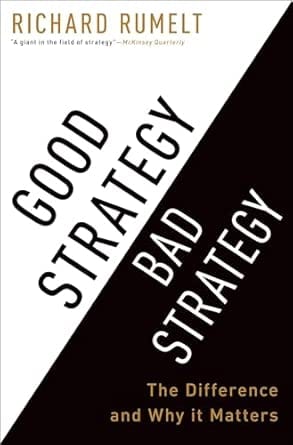
Good Strategy / Bad Strategy
Discover the difference between vague goals and real strategy — and learn how to focus your efforts where they matter most.

Think and Grow Rich
One of the most influential success books ever written — teaching the power of desire, faith, persistence, and focused action.

The Mental Equivalent
Learn how to create the mental and emotional conditions necessary to attract the life and outcomes you desire.

As a Man Thinketh
Your thoughts shape your character, habits, circumstances, and destiny. Master your mind and you transform your life.

The Game of Life
and How to Play It
A practical guide to spiritual laws, affirmations, faith, and aligning your thoughts and words with the life you want to create.

Dollar Success Club
A full system that shows you, step-by-step, how to start a real online business—even if you’re working full-time, even if you’ve never done this before.