
Multiple Streams Of Income By Robert G. Allen
You know, money is always a big factor in people’s lives. Consider your own situation right now, you’re either scrambling to pay off debt or you’re hustling hard to build wealth and create financial freedom for yourself. Multiple Streams of Income has been around for decades, but the principles it contains are still relevant and practical in today’s economy.
This book is a vast fountain of financial knowledge
for novices and veterans alike.
These are the 3 critical lessons I took away from the book, but there are many more insights that are just as important. Please feel free to share your own insights, thoughts and questions in the comments section below.
First Lesson Is About Earning:
George David says,
“Wealth is when small efforts produce big results.
Poverty is when big efforts produce small results.”
Before you can think about investing and growing multiple streams of income, you first need to earn some money, and then you need to save a portion of these earnings. From this saved portion you can then invest and build multiple streams of income.
There are chiefly two ways to earn money:
First you have linear income: - this is when you get paid only once for your efforts. Your salary is a form of linear income. You get paid only once for a full month’s worth of work.
Second you have residual income: - this is what you should be working towards. Here you get paid again and again for the same effort.
If you currently earn linear income, you should consider creating a second stream that will flood your bank account with residual income.
When selecting a residual income opportunity to pursue, Robert Allen suggests using the MONEYTREE formula to filter your ideas. Robert Allen’s MONEYTREE formula helps you develop opportunities that will send a consistent flow of cash to your bank account while requiring very little of your time. This is the real secret of wealth building.
The secret to multiple streams of income is not about having the most money, it’s about having more time freedom to pursue other income opportunities.
Here Is A Summation
of the MONEYTREE Formula:
M -Multiple streams of income
O - Outstanding product /Service
N - Nothing down – as little of your own money as possible.
E - Employee resistant – Hire slowly, outsource as much as possible.
Y - Yield – high yielding, high profit cash cows
T - Trend – Lead the trend instead of following
R - Residual – get paid multiple times for the same effort
E - Essential to everybody, every day
E - Enthusiasm – Love what you do
Second Lesson Is About Saving and Spending:
Having used the MONEYTREE formula to earn money, we must now spend wisely so that we always have a surplus to save and invest. Saving doesn’t have to be complex; such a trifle as a dollar a day is enough to begin the discipline of saving. Once the saving habit kicks in, you must gradually increase the amount you save to be in line with your saving and investment goals.
“If you divert a few of your ill-spent dollars and funnel them into some well-timed investments, you can achieve financial success.”
The above quote is true, especially if you consider the effect of compound interest, your results can be close to magical. Consistency is the key with this. “Day in and day out, save – invest – save – invest. It might be boring, it might be hard, it doesn’t matter, just do it.” Start now, start small. It doesn’t matter, just start. Your destination is more important than your speed. Live on less than you earn and invest the surplus.
Debt is a dream killer,
avoid debt as far as possible.
Benjamin Franklin wrote, “The way to wealth depends chiefly on two words: Industry & Frugality.” In short it means, you be industrious so as to earn loads of money. And then spend wisely that which you have earned.
To determine whether you’re spending wisely or not, Robert Allen offers 10 categories of expenditure, and advises that you practice what he calls “ The Millionaire Minute” every time you go out shopping.
Here’s What the Millionaire Minute Entails:
Plan the purchase beforehand (avoid compulsive buying)
Ask for discounts
Always take the receipt (till slip)
Examine the receipt for errors
Write a category number on the receipt
Balance your accounts to the last penny
File the receipt as soon as you get home.
The 10 Categories
of Expenditure Are As Follows:
Giving – Contributions to church, charity, etc.
Self – part of all you earn is yours to keep. So save some money.
Taxes – Eish… (Sorry Neh!) Can’t get away from taxes.
Shelter – Mortgage bond or rent
Household expense – Food, clothing, etc.
Auto – transportation (Car, taxi, bus, etc.)
Fun and entertainment (Yippee!!!) at least we get to have some fun.
Insurance – assets, health, life, disability, etc.
Paying off debt and other miscellaneous expenses
Money for your business or side hustle
Headline
Saving doesn’t come naturally to most of us.
To ease the burden on yourself, learn to automate the process as far as possible so that you don’t have to make a conscious decision between saving and spending. Save before you spend, not the other way around. Start now! Use the power of time and compound interest to build your wealth.
Avoid shiny object syndrome. Don’t be sucked in by the hottest trends, conduct proper research and due diligence before you commit your money to any investment.
If you don’t make the effort to start saving now, there won’t be any surplus for you to invest and GROW…
Third Lesson Is About Growing Your Money:
“The object of the money game is to accumulate enough investments so that the income from these investments will eventually support you.”
Robert Allen discuses 3 money mountains that you can use to grow multiple streams of income:
Real Estate Mountain (Find It – Fund It - Farm It)
Find it – Find bargain properties
Fund it – Fund those properties
Farm it – Harvest the profits from each deal
Marketing Mountain Is Also The Business Mountain
Targeting – Find hungry fish (these are people who need your product or service)
Baiting – create irresistible bait to attract these people to your product
Lifetiming – create lifetime customers by serving satisfying these customers
Investment Mountain (Stocks / Shares)
Screening and filtering the stocks to invest in
Timing in to buy the stocks
Timing out to sell the stocks
In Multiple Streams of Income, Robert Allen explains in detail the benefits and challenges of each mountain. He also offers solid tips, mostly from his personal experience, to profit from each mountain.
Here Are Some Tips Proposed by Robert Allen for Investing In the Stock Market:
The longer you invest, the lower your risk.
The sooner you buy, the richer you become.
Past performance does not guarantee future results.
Optimize the power of Dollar Cost Averaging, i.e., invest a fixed amount every month for a long period of time. In this way, the peaks and dips of the market will not affect your investments negatively.
And in Closing, Robert Allen advises you to:
Guard your money… Protect your investments… insure your health… save for the next generation… teach these principles to your kids so that they too can benefit from this wisdom…
Think things through… then follow through.
Joined Dollar Success Club?
This is a community for people who want to:
• Start an online business
• Build multiple income streams
• Learn marketing and sales
• Turn ideas into profitable systems
Join the community here:
https://www.successclub.co.za/dollar
What You Miss By Not Joining Dollar Success Club...
Free practical action-based workbooks designed to help you apply powerful success principles immediately.
Topics include:
Mindset, Wealth, Discipline, Spirituality, Productivity, Purpose, Relationships, and so much more...
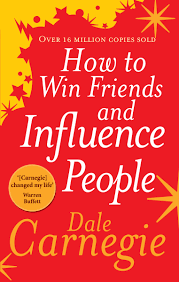
How to Win Friends and Influence People
Learn the timeless people skills that open doors, build influence, strengthen relationships, and help you succeed in business and life without manipulation or force.

Five Steps to Successful Selling
Master the foundations of persuasion, confidence, and ethical selling so you can close more deals, grow your income, and serve customers more effectively.
Acres of Diamonds
Discover how the opportunities you’ve been searching for may already exist right where you are — hidden in your skills, experiences, and environment.
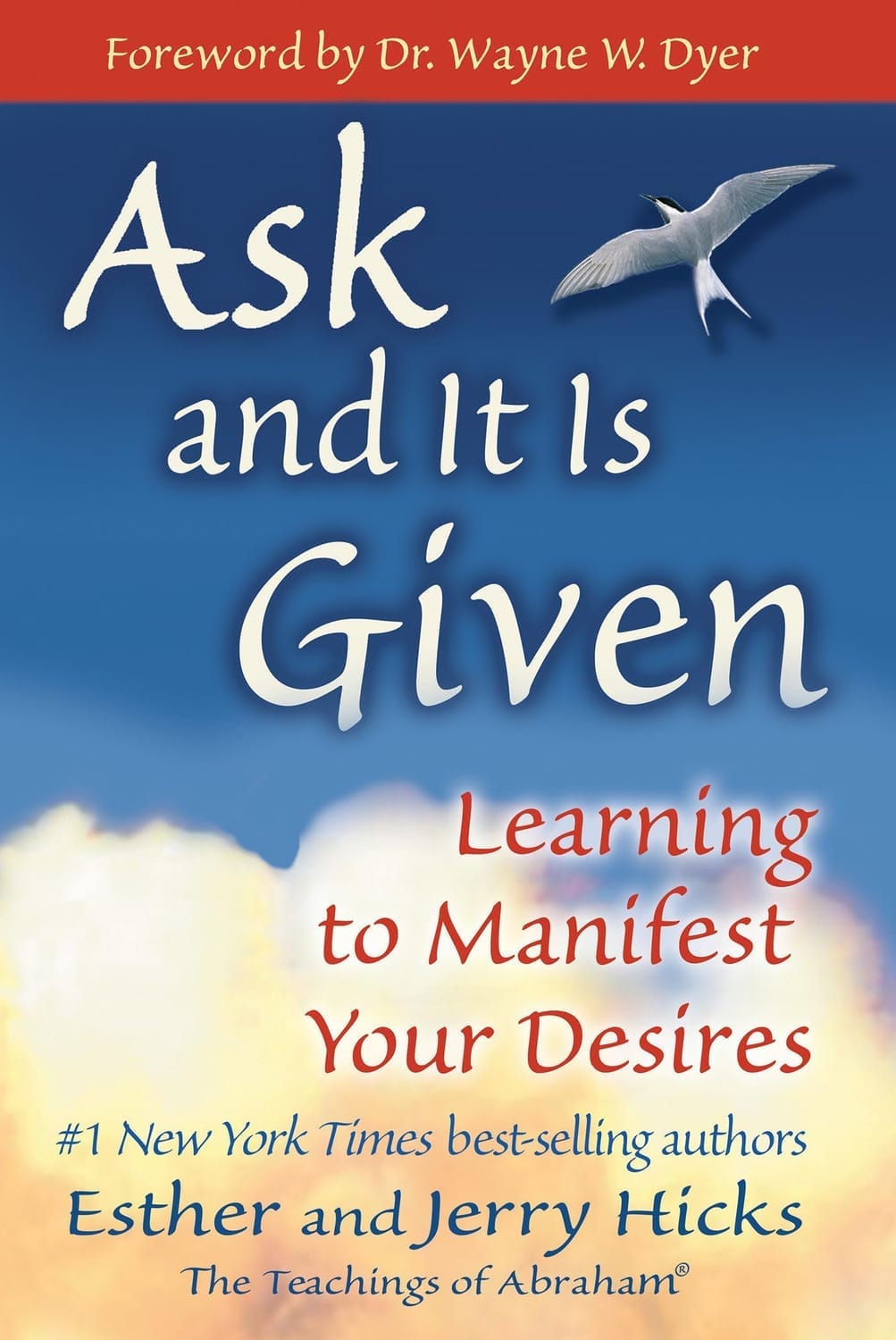
Ask and It Is Given
Learn how your thoughts, emotions, and expectations shape your reality — and how to deliberately attract better outcomes into your life.

Awaken the Giant Within
Take control of your mindset, emotions, finances, and habits so you can unlock the power and potential already inside you.

Book of Proverbs
Timeless wisdom on discipline, money, relationships, leadership, and decision-making — practical success principles that still apply today.
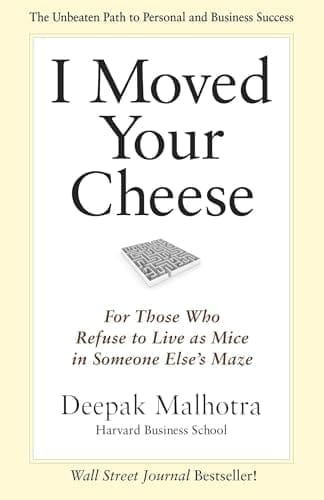
I Moved Your Cheese
A simple but powerful lesson on challenging paradigms, overcoming fear, and rethinking the status quo in an ever-changing world.

Peaks and Valleys
Learn how to navigate life’s highs and lows wisely — and how difficult seasons can become stepping stones to greater success.
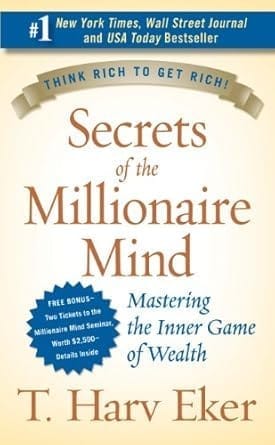
Secrets of the Millionaire Mind
Discover the hidden money beliefs shaping your financial life — and how to reprogram your mindset for wealth and abundance.

Switch
Understand why change is difficult — and learn practical strategies to successfully change habits, behaviors, and results.
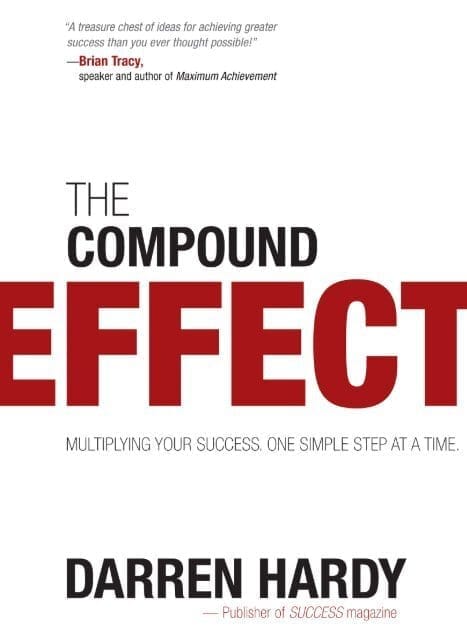
The Compound Effect
Small daily actions may seem insignificant, but over time they create extraordinary results in wealth, health, and success.
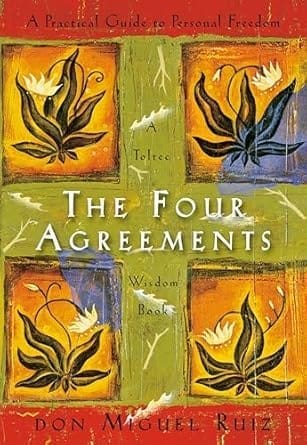
The Four Agreements
Four simple but life-changing principles to help you experience greater peace, freedom, confidence, and healthier relationships.
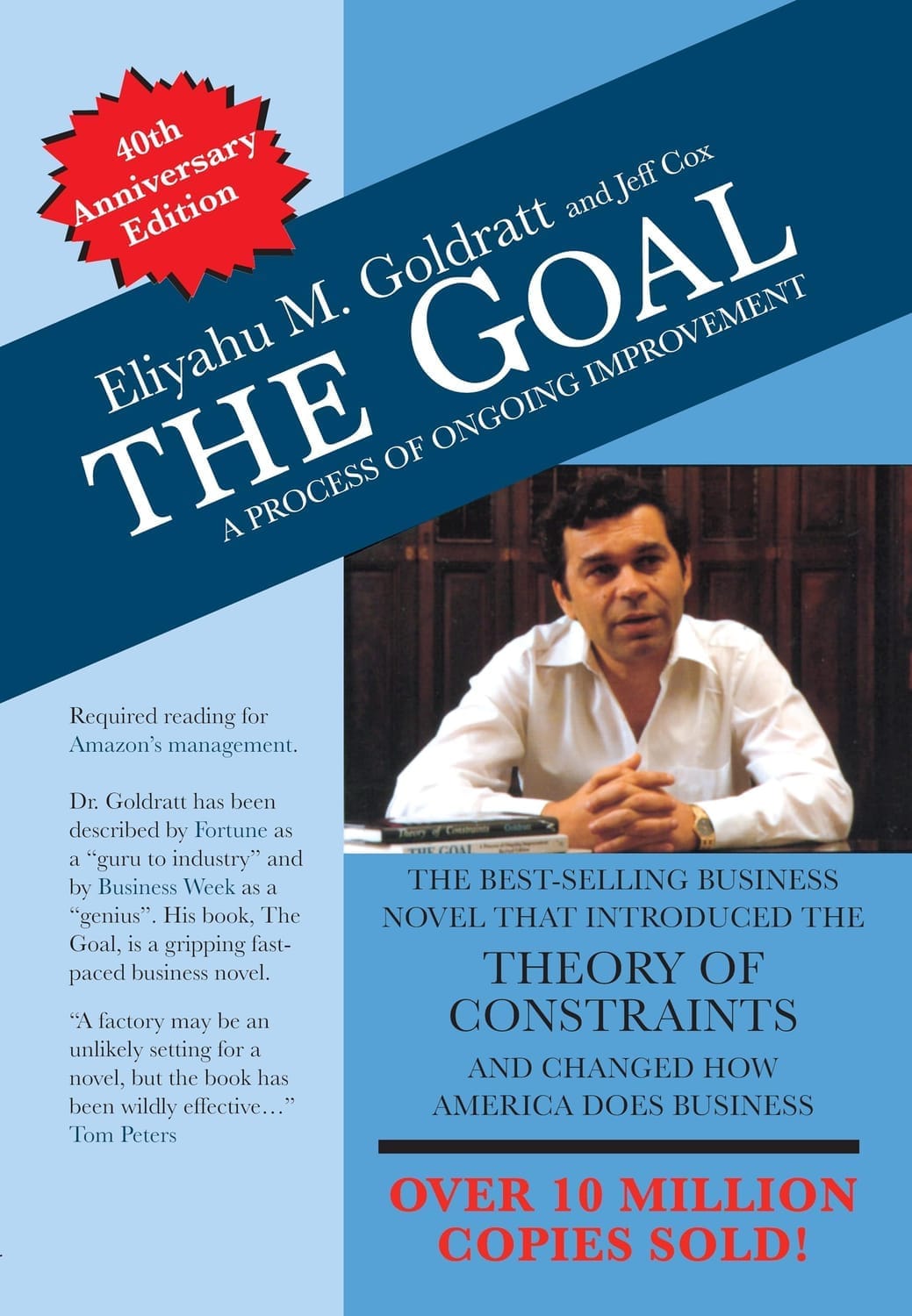
The Goal
A powerful business novel that teaches you how to identify bottlenecks, improve productivity, and focus on what truly drives results.
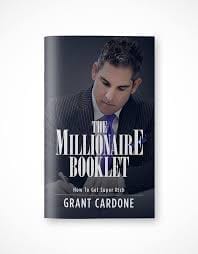
The Millionaire Booklet
A practical wake-up call about money, ambition, and the mindset required to escape financial struggle and pursue wealth seriously.
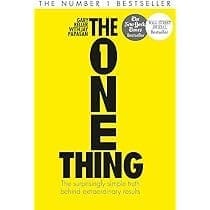
The One Thing
Learn how focusing on the most important task can dramatically improve your productivity, results, and quality of life.
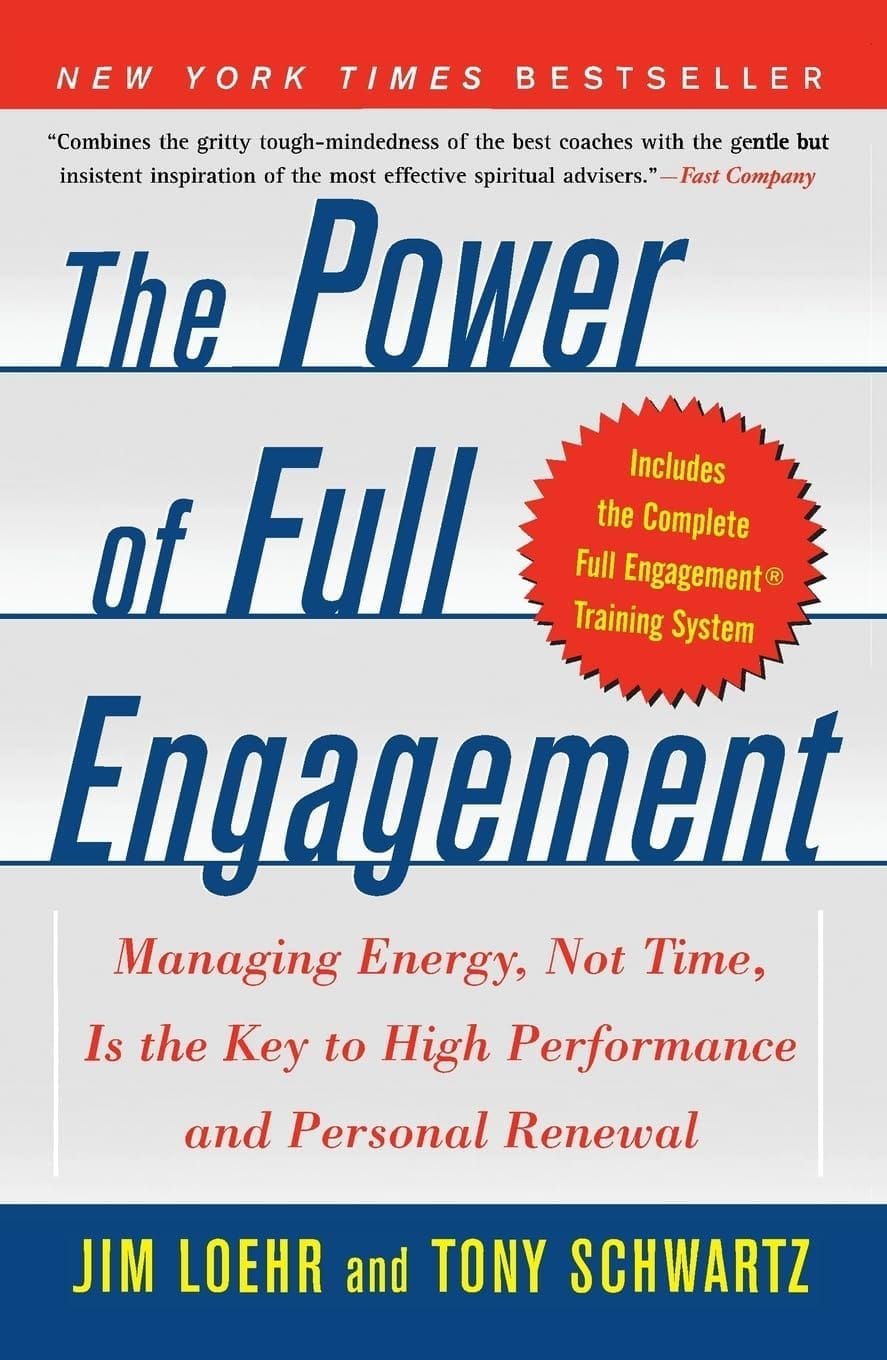
The Power of Full Engagement
Success isn’t just about managing time — it’s about managing your physical, emotional, mental, and spiritual energy effectively.
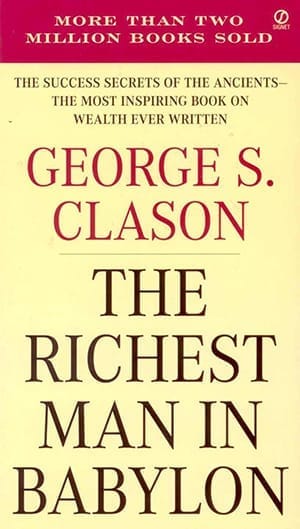
Richest Man In Babylon
Simple, timeless financial principles about saving, investing, discipline, and building long-term wealth.

The Strangest Secret
You become what you think about most. Learn how your thoughts shape your success, habits, and future.
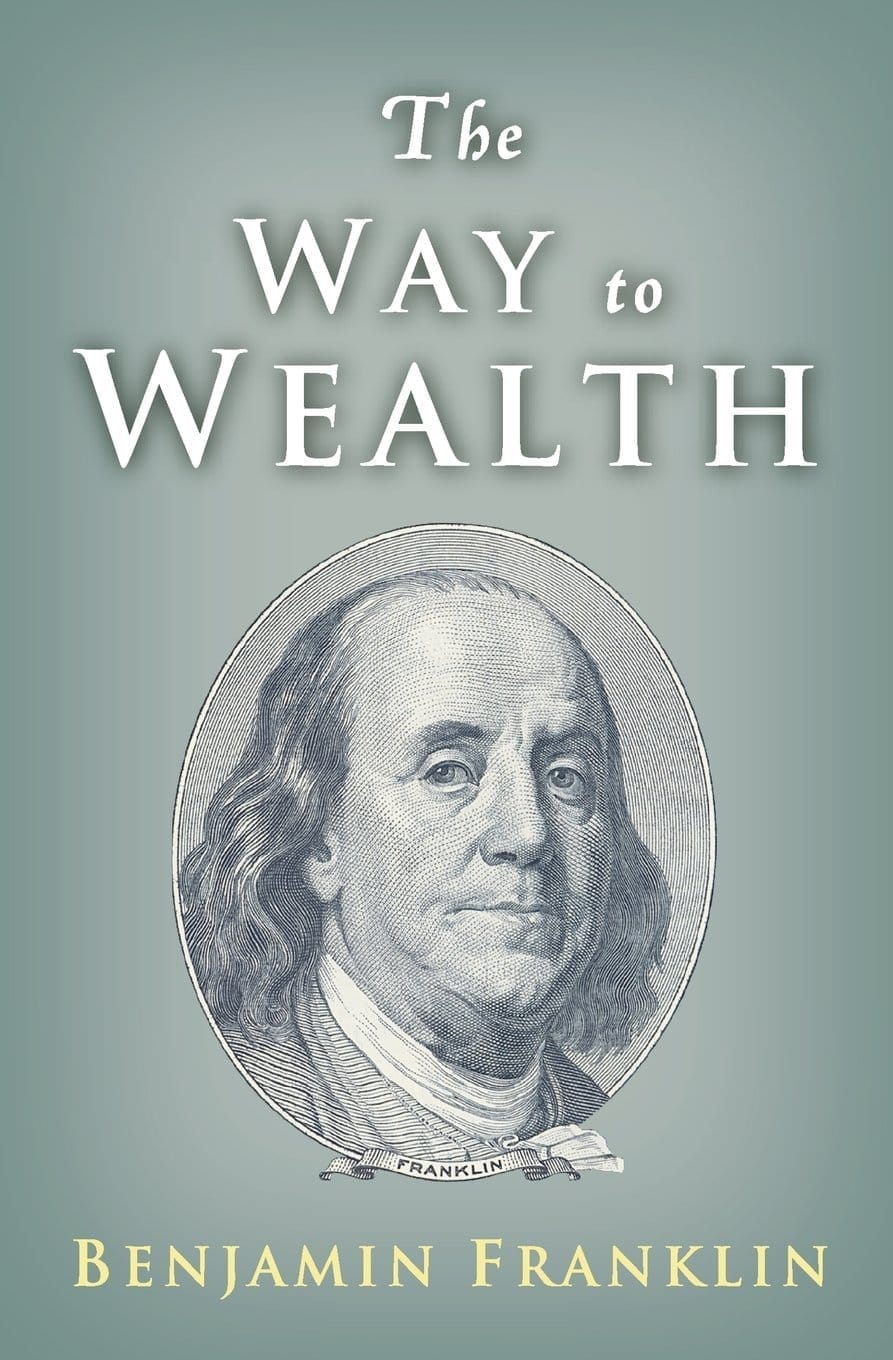
The Way to Wealth
Classic lessons on hard work, discipline, frugality, and wise financial stewardship that remain relevant centuries later.
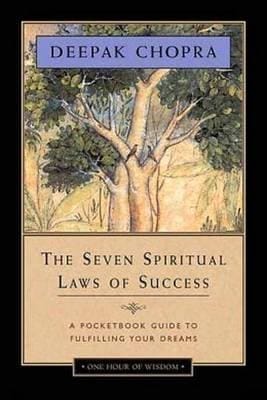
7 Spiritual Laws of Success
Discover spiritual principles that blend purpose, abundance, alignment, and inner peace with external success.

A Message to Garcia
A timeless lesson on initiative, responsibility, reliability, and becoming the kind of person who gets things done without excuses.
Great by Choice
Learn how exceptional companies succeed even in uncertainty through discipline, preparation, and consistent execution.
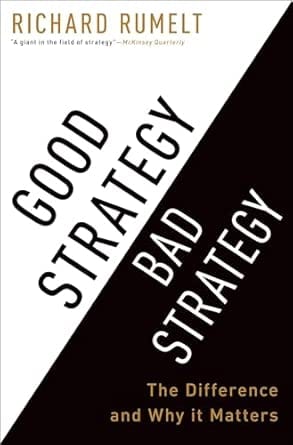
Good Strategy / Bad Strategy
Discover the difference between vague goals and real strategy — and learn how to focus your efforts where they matter most.

Think and Grow Rich
One of the most influential success books ever written — teaching the power of desire, faith, persistence, and focused action.

The Mental Equivalent
Learn how to create the mental and emotional conditions necessary to attract the life and outcomes you desire.

As a Man Thinketh
Your thoughts shape your character, habits, circumstances, and destiny. Master your mind and you transform your life.

The Game of Life
and How to Play It
A practical guide to spiritual laws, affirmations, faith, and aligning your thoughts and words with the life you want to create.

Dollar Success Club
A full system that shows you, step-by-step, how to start a real online business—even if you’re working full-time, even if you’ve never done this before.