
Mastering the Buyer’s Cycle: A Guide for Local Business Owners to Grow Leads, Sales, and Profits
Every customer goes through a journey before making a purchase, commonly known as the buyer’s cycle. Understanding this journey is essential for local business owners who want to attract more leads, increase sales, and boost profits. By knowing where your potential customers are in their decision-making process, you can tailor your marketing strategies to meet their specific needs and move them closer to making a purchase.
The buyer’s cycle consists of five key stages:
Unaware, Aware but Apathetic, Interested,
Evaluating, and Engaged.
Let’s explore each stage in detail and discover how
you can leverage them to grow your business.
1. Unaware: Reaching Potential Customers Who Don’t Know You Exist
What This Stage Means:
At this stage, potential customers are completely unaware of your business and the solutions you offer. They may not even realize they have a problem that needs solving.
How to Leverage This Stage:
Focus on Brand Awareness: Use strategies that get your business in front of as many eyes as possible. This could include social media advertising, community sponsorships, or engaging content that addresses common pain points.
Create Educational Content: Blog posts, videos, and infographics that address industry problems or frequently asked questions can attract attention and position your brand as a helpful resource.
Use Social Proof: Share testimonials, success stories, or user-generated content to build trust. The goal is to create a presence that makes people aware of your brand.
Example:
If you run a local gym, create videos showcasing the benefits of regular exercise or client success stories to catch the attention of those who may not realize the importance of fitness.
2. Aware but Apathetic:
Addressing Indifference
What This Stage Means:
At this stage, potential customers are aware of your business or the problem they face, but they’re indifferent or not motivated enough to take action.
How to Leverage This Stage:
Highlight the Pain Points: Use your marketing to emphasize the negative consequences of inaction. Help them see what they stand to lose by ignoring the problem.
Create Compelling Offers: Introduce limited-time discounts, free trials, or irresistible offers that prompt them to consider taking the next step.
Leverage Emotional Appeals: Tap into emotions like fear of missing out (FOMO) or the desire for improvement to get them interested.
Example:
If you own a local restaurant, consider offering a limited-time promotion like “Buy One, Get One Free” for a new menu item to draw in customers who are aware of your restaurant but haven’t been motivated to visit.
3. Interested, Thinking About It:
Sparking Genuine Interest
What This Stage Means:
Here, customers acknowledge their needs and are considering possible solutions. They may have shown interest by visiting your website, engaging with your social media, or joining your email list.
How to Leverage This Stage:
Use Retargeting Ads: For those who’ve visited your site or social media, use retargeting ads to keep your business top of mind.
Nurture with Email Marketing: Send targeted emails with helpful information, product highlights, and offers that align with their interests.
Provide Value-Driven Content: Use webinars, guides, and how-to videos to deepen their interest and showcase your expertise.
Example:
A local home improvement store could send emails with DIY project tips, showcasing tools and materials available in-store to keep potential customers engaged and interested.
4. Evaluating:
Helping Customers Make Decisions
What This Stage Means:
At this stage, potential customers are comparing options and deciding whether to buy from you or your competitors. They’re looking for reasons to choose one solution over another.
How to Leverage This Stage:
Offer Comparison Guides: Create content that clearly explains why your products or services are superior. Highlight unique features, benefits, and customer testimonials.
Provide Transparent Pricing and Guarantees: Help ease decision-making by being upfront about costs and offering satisfaction guarantees or risk-free trials.
Utilize Case Studies and Reviews: Showcase detailed success stories and glowing reviews from past customers to build credibility.
Example:
If you run a local car dealership, provide side-by-side comparisons of your most popular vehicles, emphasizing key features and customer satisfaction to make your offering stand out.
5. Engaged:
Converting Ready-to-Buy Customers
What This Stage Means:
At this final stage, the customer is ready to buy and just needs that final nudge. They may already be in your store, on your website’s checkout page, or reaching out for more information.
How to Leverage This Stage:
Make the Purchase Easy: Streamline your checkout process, offer various payment options, and ensure fast, hassle-free transactions.
Use Limited-Time Offers or Bonuses: Encourage immediate action with last-minute incentives like bonus items, loyalty points, or exclusive discounts.
Ask for the Sale: Train your staff to recognize buying signals and to confidently ask for the sale in a friendly and supportive way.
Example:
A local beauty salon can offer a special discount on the customer’s first appointment or a free add-on service like a scalp massage to close the deal with those who’ve expressed interest.
How to Apply This Framework
to Grow Your Leads, Sales, and Profits
Understanding the buyer’s cycle allows you to create targeted strategies for each stage, ensuring that you’re reaching the right people with the right message at the right time. Here’s how you can apply these insights to grow your local business:
Attract More Leads: Focus on creating brand awareness and capturing interest with educational and engaging content.
Nurture Prospects: Use email marketing, social media engagement, and personalized offers to move potential customers from awareness to interest.
Close More Sales: Leverage clear calls to action, compelling offers, and easy purchasing processes to convert leads into paying customers.
Encourage Repeat Business: Delight your customers during the engagement stage, ensuring they have a great experience so they return and refer others.
By aligning your marketing strategies with each stage of the buyer’s cycle, you can more effectively attract, nurture, and convert customers, leading to increased sales and profits.
Final Thoughts: Turning Insights into Action
The key to growing your local business is understanding your customers’ journey and meeting them where they are.
By leveraging the stages of the buyer’s cycle,
you can create a more personalized, effective approach
to marketing and sales that drives growth and success.
Remember, it’s not just about getting people to buy once—
it’s about building relationships that turn first-time customers
into loyal, repeat buyers. With a strategic focus on the buyer’s cycle, you can set your business up for long-term success
and stay ahead in a competitive market.
So, take the time to assess where your potential customers are in their journey, tailor your approach, and watch your leads, sales, and profits grow.
Joined Dollar Success Club?
This is a community for people who want to:
• Start an online business
• Build multiple income streams
• Learn marketing and sales
• Turn ideas into profitable systems
Join the community here:
https://www.successclub.co.za/dollar
What You Miss By Not Joining Dollar Success Club...
Free practical action-based workbooks designed to help you apply powerful success principles immediately.
Topics include:
Mindset, Wealth, Discipline, Spirituality, Productivity, Purpose, Relationships, and so much more...
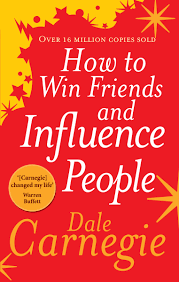
How to Win Friends and Influence People
Learn the timeless people skills that open doors, build influence, strengthen relationships, and help you succeed in business and life without manipulation or force.
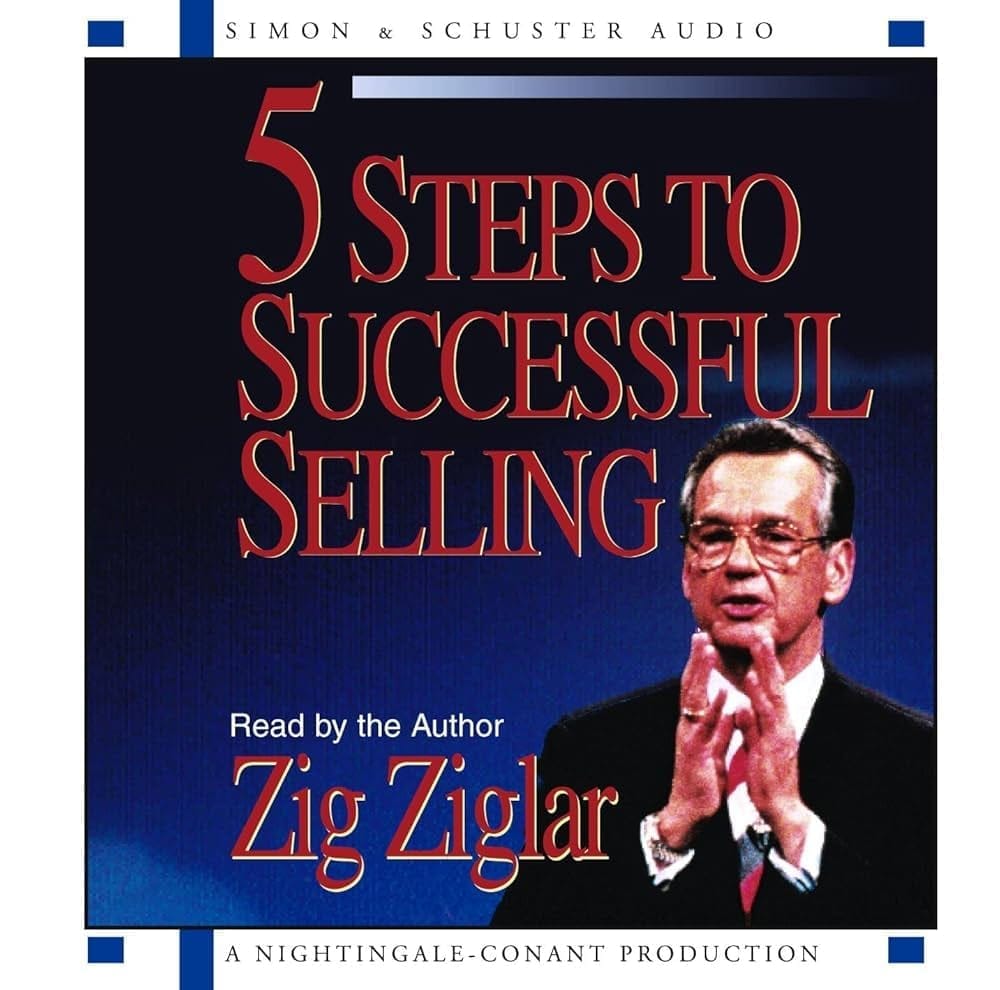
Five Steps to Successful Selling
Master the foundations of persuasion, confidence, and ethical selling so you can close more deals, grow your income, and serve customers more effectively.

Acres of Diamonds
Discover how the opportunities you’ve been searching for may already exist right where you are — hidden in your skills, experiences, and environment.

Ask and It Is Given
Learn how your thoughts, emotions, and expectations shape your reality — and how to deliberately attract better outcomes into your life.

Awaken the Giant Within
Take control of your mindset, emotions, finances, and habits so you can unlock the power and potential already inside you.

Book of Proverbs
Timeless wisdom on discipline, money, relationships, leadership, and decision-making — practical success principles that still apply today.

I Moved Your Cheese
A simple but powerful lesson on challenging paradigms, overcoming fear, and rethinking the status quo in an ever-changing world.

Peaks and Valleys
Learn how to navigate life’s highs and lows wisely — and how difficult seasons can become stepping stones to greater success.

Secrets of the Millionaire Mind
Discover the hidden money beliefs shaping your financial life — and how to reprogram your mindset for wealth and abundance.

Switch
Understand why change is difficult — and learn practical strategies to successfully change habits, behaviors, and results.
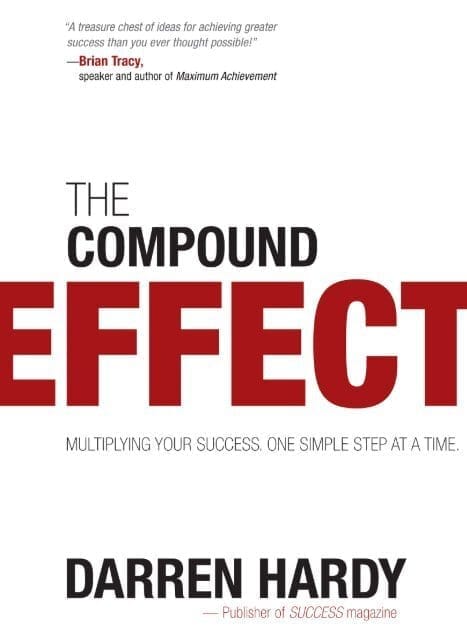
The Compound Effect
Small daily actions may seem insignificant, but over time they create extraordinary results in wealth, health, and success.

The Four Agreements
Four simple but life-changing principles to help you experience greater peace, freedom, confidence, and healthier relationships.
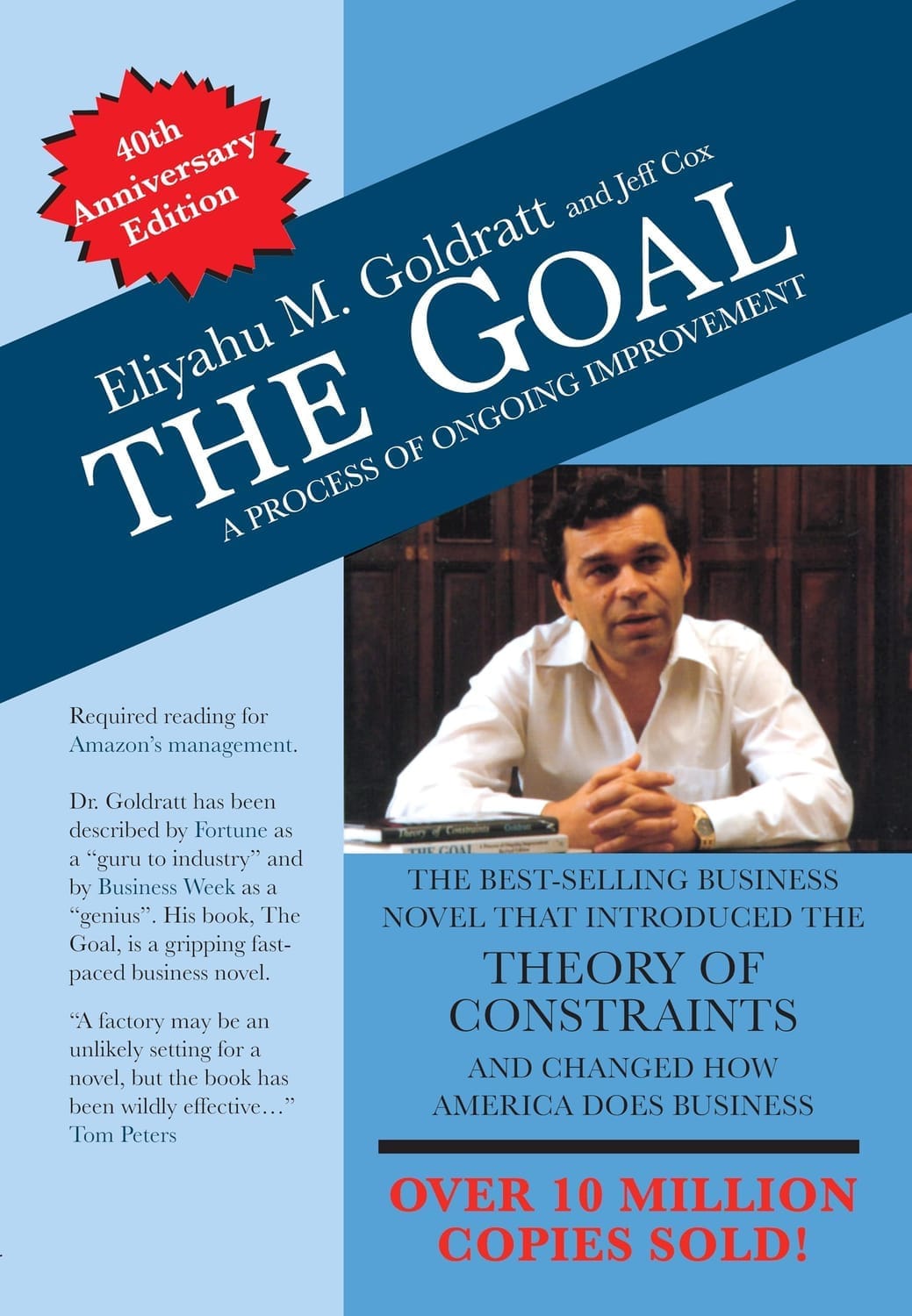
The Goal
A powerful business novel that teaches you how to identify bottlenecks, improve productivity, and focus on what truly drives results.

The Millionaire Booklet
A practical wake-up call about money, ambition, and the mindset required to escape financial struggle and pursue wealth seriously.

The One Thing
Learn how focusing on the most important task can dramatically improve your productivity, results, and quality of life.
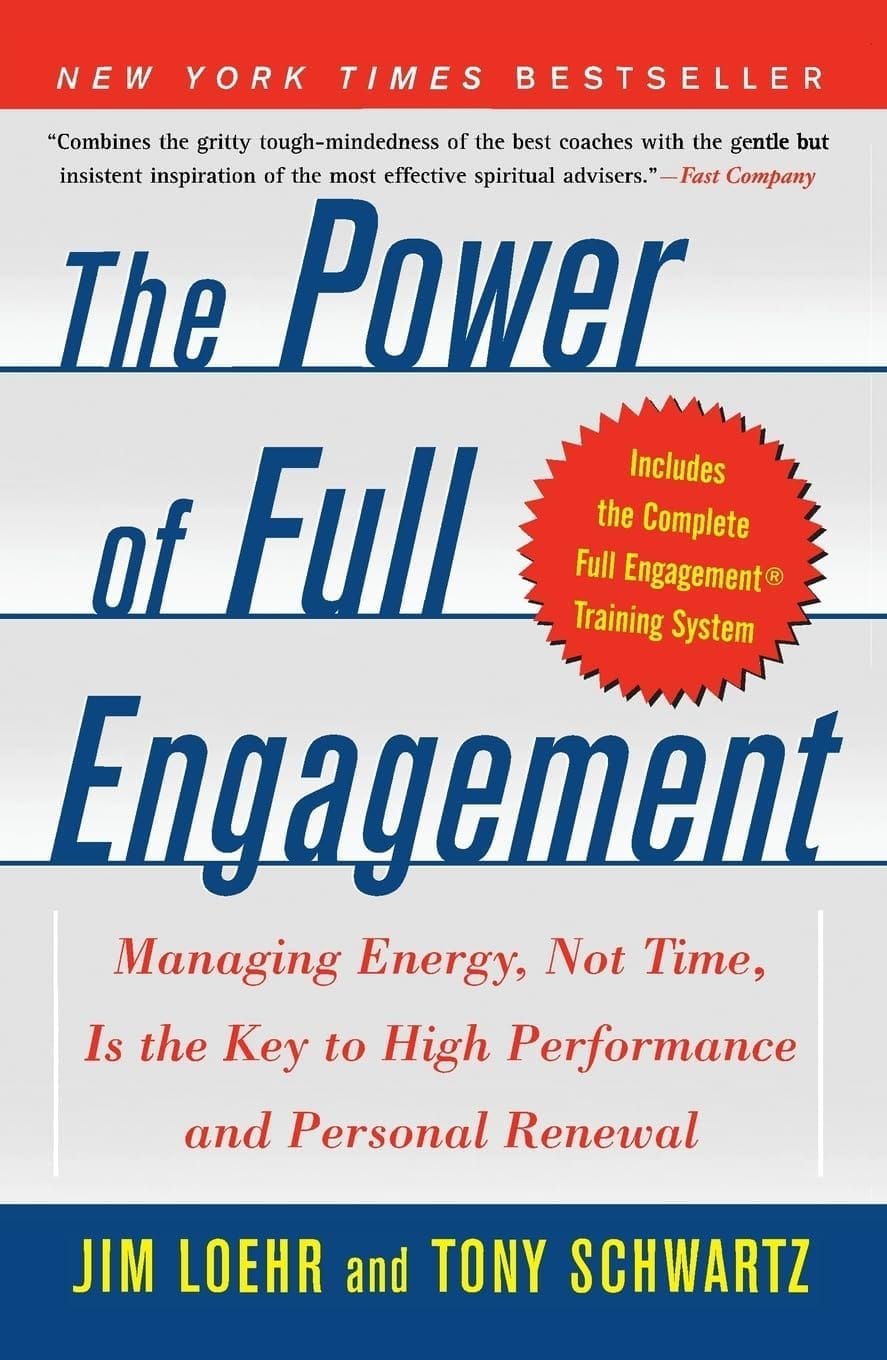
The Power of Full Engagement
Success isn’t just about managing time — it’s about managing your physical, emotional, mental, and spiritual energy effectively.
Richest Man In Babylon
Simple, timeless financial principles about saving, investing, discipline, and building long-term wealth.

The Strangest Secret
You become what you think about most. Learn how your thoughts shape your success, habits, and future.

The Way to Wealth
Classic lessons on hard work, discipline, frugality, and wise financial stewardship that remain relevant centuries later.

7 Spiritual Laws of Success
Discover spiritual principles that blend purpose, abundance, alignment, and inner peace with external success.

A Message to Garcia
A timeless lesson on initiative, responsibility, reliability, and becoming the kind of person who gets things done without excuses.
Great by Choice
Learn how exceptional companies succeed even in uncertainty through discipline, preparation, and consistent execution.
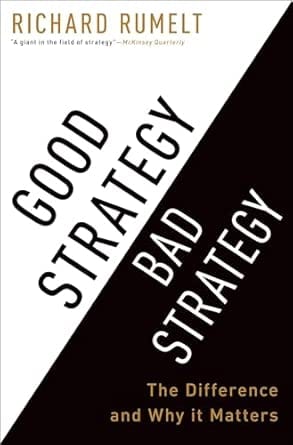
Good Strategy / Bad Strategy
Discover the difference between vague goals and real strategy — and learn how to focus your efforts where they matter most.

Think and Grow Rich
One of the most influential success books ever written — teaching the power of desire, faith, persistence, and focused action.

The Mental Equivalent
Learn how to create the mental and emotional conditions necessary to attract the life and outcomes you desire.

As a Man Thinketh
Your thoughts shape your character, habits, circumstances, and destiny. Master your mind and you transform your life.

The Game of Life
and How to Play It
A practical guide to spiritual laws, affirmations, faith, and aligning your thoughts and words with the life you want to create.

Dollar Success Club
A full system that shows you, step-by-step, how to start a real online business—even if you’re working full-time, even if you’ve never done this before.