Man’s Search for Meaning By Victor E. Frankl
The book is dubbed The Classic Tribute to Hope from the Holocaust.
Andy Dufresne in The Shawshank Redemption says,
“Hope is a good thing, maybe the best of things…”
And Man’s Search for Meaning will show us why.
Think about this, we’ve all experienced tough, troubling situations in our lives. But, how many can you count in your life that were as gruesome as being in a concentration camp?
Can you imagine a worse experience than being a prisoner
in Adolf Hitler’s Auschwitz camp?
How do you think you would have fared in such brutal conditions… under so much physical and mental torture?
Personally, I don’t think I would last even a week.
But Victor Frankl did. He lasted several years, in fact,
after which he blessed us with this painful, yet engrossing classic:
Man’s Search for Meaning
There are many powerful insights to be gleaned from Man’s Search
for Meaning. If you’ve read the book, please feel free to share your thoughts and lessons learnt in the comments section below.
These are the three most important lessons that I took away from reading Man’s Search for Meaning:
Life is Worthwhile If You Have Purpose,
Meaning or a Compelling Reason To Live:
“He who has a why to live,
can bear almost any how.”
Dr Frankl believes that having a purpose beyond oneself is one of the things that make for a meaningful life. He says that being human always points to, and is directed, to something, or someone, other than oneself. He believes that the more one forgets himself - by giving himself to a cause to serve or another person to love – the more human he is and the more he actualises himself.
A reason to live beyond oneself gives rise to hope – and hope gives a man courage to endure, no matter how terrible may be his circumstances.
In the concentration camps, men did not necessarily die from the typhus disease or some other ailment. As Dr Frankl puts it, “They died less from a lack of medicine or lack of food than from lack of hope, lack of something to live for.”
3 Possible Sources of Meaning:
Work – Doing something significant;
Love – Caring for another person;
Courage to endure difficult times, knowing that better days will soon return.
Life in the concentration camp is what Dr Frankl calls a “provisional existence”, a state in which the future is so uncertain that it becomes difficult or impractical to contemplate the future through a positive frame. He compares this provisional existence to the plight of the unemployed worker, “the unemployed worker’s existence has become provisional, and in a sense, he cannot live for the future or aim for a goal. A man who cannot see the end of his provisional existence is unable to aim at an ultimate goal in life… consequently hope dissipates… when hope dies, the desire to live often dies with it. The sudden loss of courage and hope can have a deadly effect,” as was proven repeatedly by the sheer number of deaths in the concentration camps.
Dr. Frankl claims that they could almost always spot the person who had lost hope and the will to live… one who would soon “run into the fence.” Running into the electric fence was the most popular form of suicide by those who saw no reason, no purpose, no meaning for their lives. “The men who had nothing left to expect from life anymore.”
In order to preserve hope, and to preserve life, Dr. Victor Frankl writes, “We had to learn ourselves, and furthermore, we had to teach the despairing men, that it didn’t really matter what we expected from life, but rather what life expected from us.”
“The meaning of life always changes, but it never ceases to be. Life ultimately means taking the responsibility to find the right answers to its problems and to fulfil the tasks which it constantly sets for the individual,” concludes Dr. Frankl.
Decisions Determine Destiny
“Everything can be taken from a man but one thing: the last of human freedoms – to choose one’s attitude in any given set circumstances, to choose one’s way.”
Life is a series of decisions that must be taken from day to day, or from moment to moment. The polarity of life gives you both positive and negative options; it is entirely up to you to decide which attitude you will adopt as your own – positive or negative.
“Forces beyond your control can take away everything you possess except one thing, your freedom to choose how you will respond to the situation,” writes Dr. Frankl. He further advises that one must learn to see life as meaningful despite their current circumstances.
At the end of the day, the person you become is a result of your inner decisions, and not the result of your environment exclusively. Sure enough, the environment does exert a tremendous amount of influence, but the author believes, “Man’s inner fate may raise him above his outward fate.”
Every human has both negative and positive aspects to their character. Much like the story of the two wolves, the one you feed the most will ultimately reign supreme.
Dr Victor Frankl warns us though that freedom is only part of the story and but half the truth. “Freedom is the negative aspect of the whole phenomenon whose positive aspect is responsibleness.”
Be Present: Live in the Moment
This was the greatest challenge of life in the concentration camp.
The prisoners could choose whether to ruminate about the past
or to contemplate the future while embracing the reality of the present.
Dr Frankl says,
“A man who let himself decline because he could not see any future goal found himself occupied with retrospective thoughts… but in robbing the present of its reality there lay a certain danger. It becomes easy to overlook the opportunities to make something positive of life.”
Living too much in the past creates an existential vacuum – a feeling
of emptiness and meaninglessness. When you don’t pay attention
to current experiences you lose most of the value that can be had through learning from these experiences, and using these lessons
to craft a more compelling and meaningful future.
“Perception of meaning comes down to being aware
of what can be done about a given situation.”
We can discover this meaning
in three different ways:
By creating a work or doing a deed;
By experiencing something or encountering someone; and
By the attitude we take toward an unavoidable suffering.
Dr. Victor Frankl believes that man can get used to anything. He’s proven it in his own life. He believes that the influence of behaviour is always more effective than that of words. And most importantly, he believes that the meaning of life differs from man to man, and from moment to moment, thus it is impossible to define the meaning of life in a general way. When life throws us curveballs and leaves us with questions for which there are seemingly no answers, we must search deep and believe with great conviction that whatever doesn’t kill us, will make us stronger – if we so choose. Choice is the last of the human freedoms – that which no man can take away from you.
And finally, when we do get the answers, our answers must consist not in talk or meditation, but in right action and right conduct.
Here is a powerful parting shot:
“When we are no longer able to change a situation…
we are challenged to change ourselves.”
Dr. Victor Frankl.
What challenges are you currently facing?
What will you do to overcome these challenges?
How will you retain the faith that you will prevail
without losing sight of the current challenges?
Share your thoughts in the comments section below.
Joined Dollar Success Club?
This is a community for people who want to:
• Start an online business
• Build multiple income streams
• Learn marketing and sales
• Turn ideas into profitable systems
Join the community here:
https://www.successclub.co.za/dollar
What You Miss By Not Joining Dollar Success Club...
Free practical action-based workbooks designed to help you apply powerful success principles immediately.
Topics include:
Mindset, Wealth, Discipline, Spirituality, Productivity, Purpose, Relationships, and so much more...
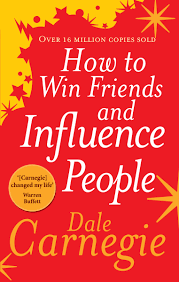
How to Win Friends and Influence People
Learn the timeless people skills that open doors, build influence, strengthen relationships, and help you succeed in business and life without manipulation or force.
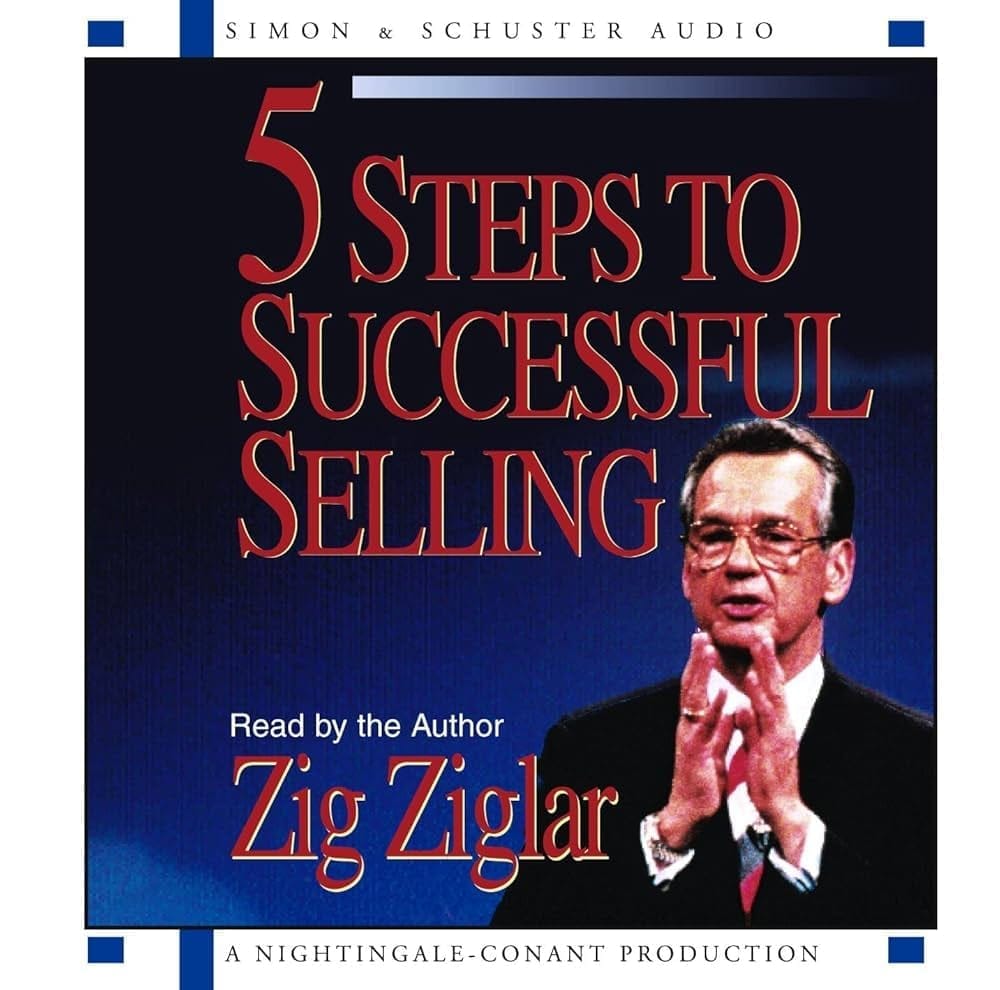
Five Steps to Successful Selling
Master the foundations of persuasion, confidence, and ethical selling so you can close more deals, grow your income, and serve customers more effectively.
Acres of Diamonds
Discover how the opportunities you’ve been searching for may already exist right where you are — hidden in your skills, experiences, and environment.
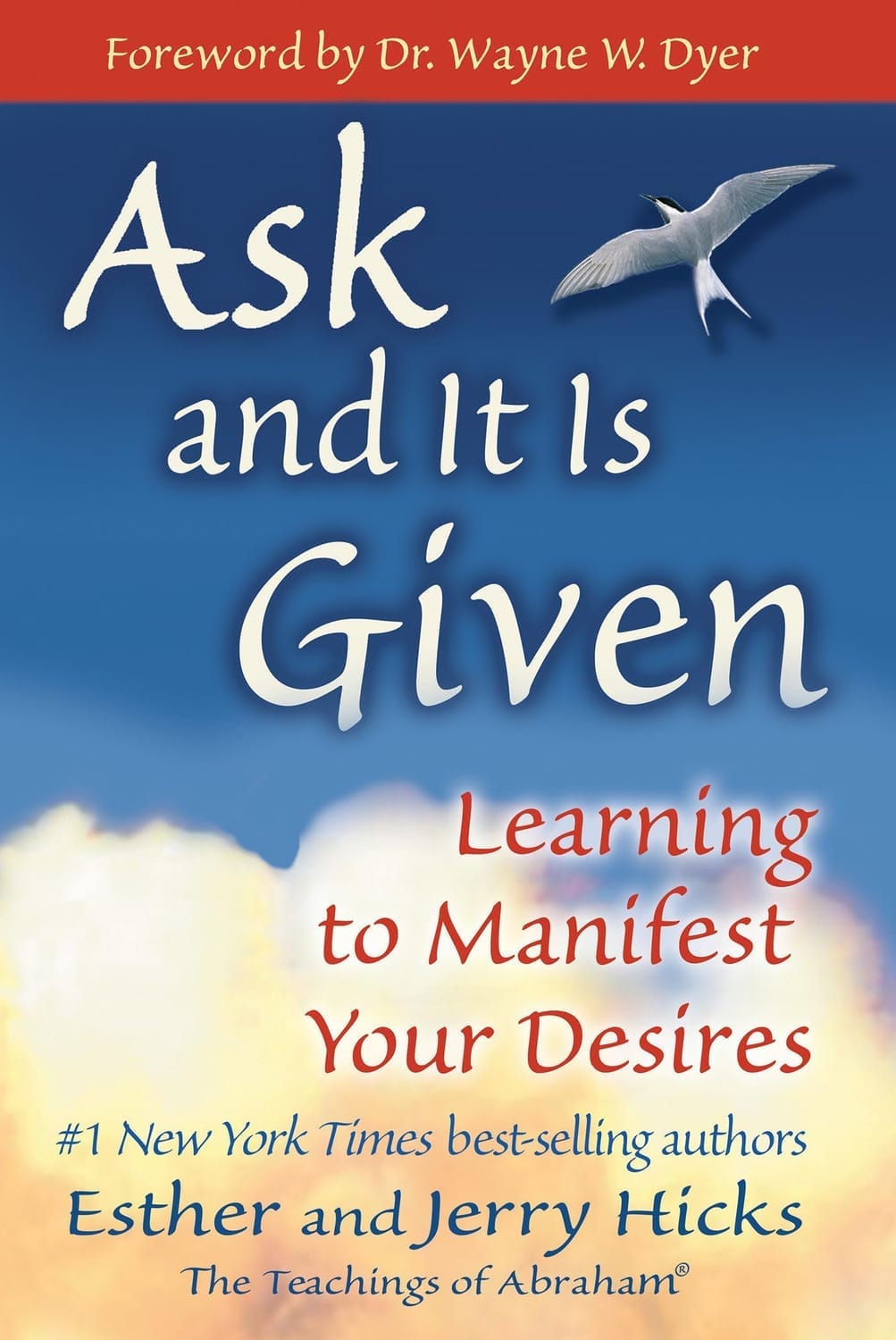
Ask and It Is Given
Learn how your thoughts, emotions, and expectations shape your reality — and how to deliberately attract better outcomes into your life.
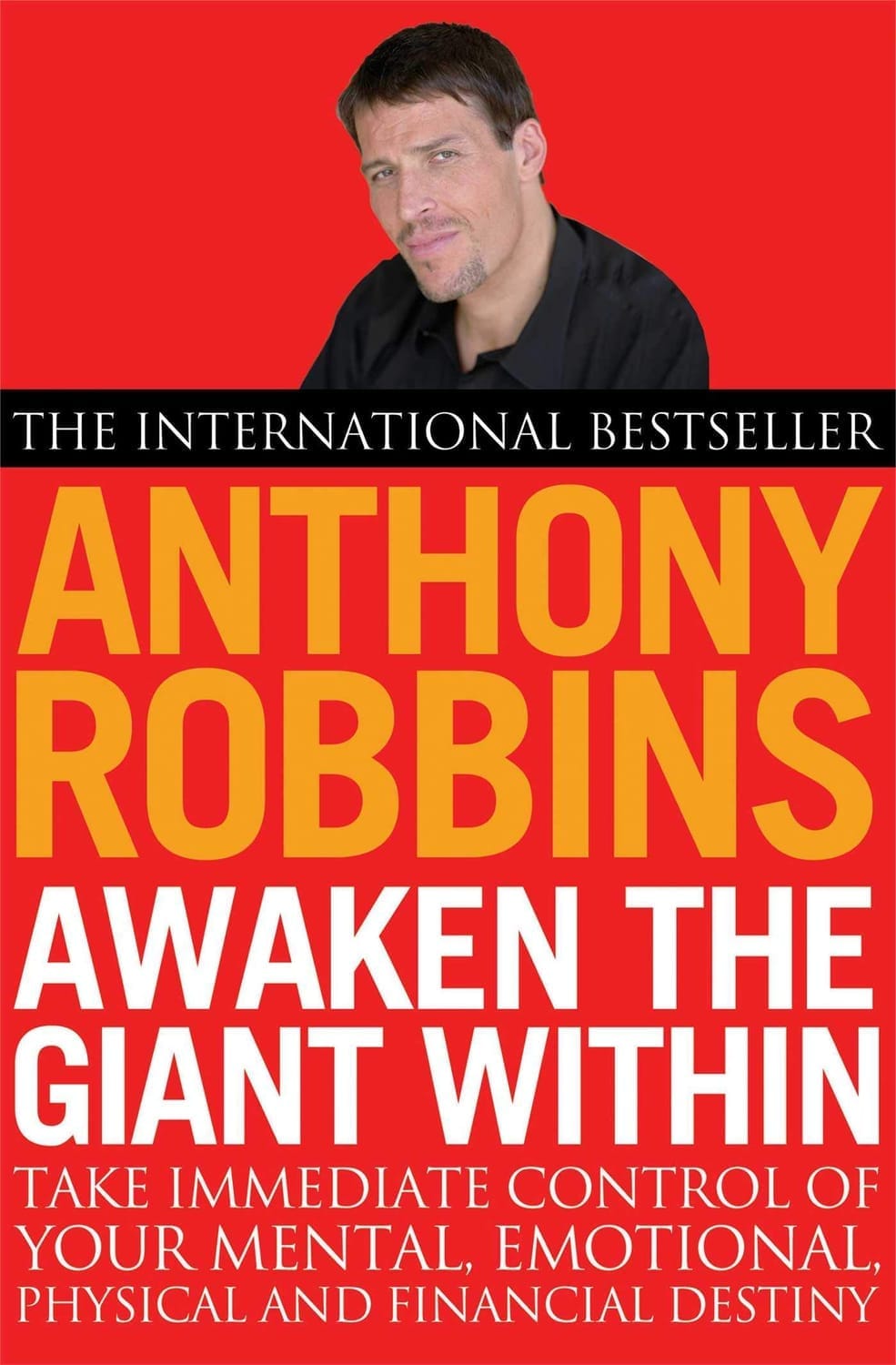
Awaken the Giant Within
Take control of your mindset, emotions, finances, and habits so you can unlock the power and potential already inside you.

Book of Proverbs
Timeless wisdom on discipline, money, relationships, leadership, and decision-making — practical success principles that still apply today.
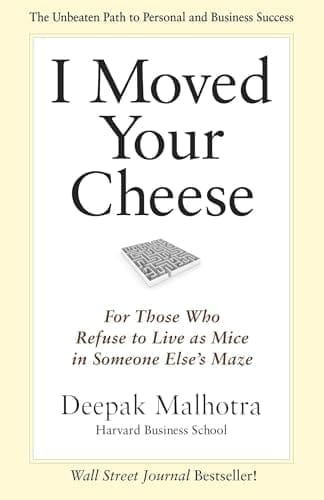
I Moved Your Cheese
A simple but powerful lesson on challenging paradigms, overcoming fear, and rethinking the status quo in an ever-changing world.

Peaks and Valleys
Learn how to navigate life’s highs and lows wisely — and how difficult seasons can become stepping stones to greater success.
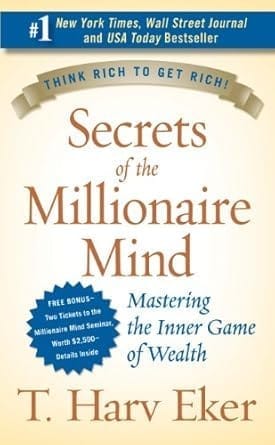
Secrets of the Millionaire Mind
Discover the hidden money beliefs shaping your financial life — and how to reprogram your mindset for wealth and abundance.
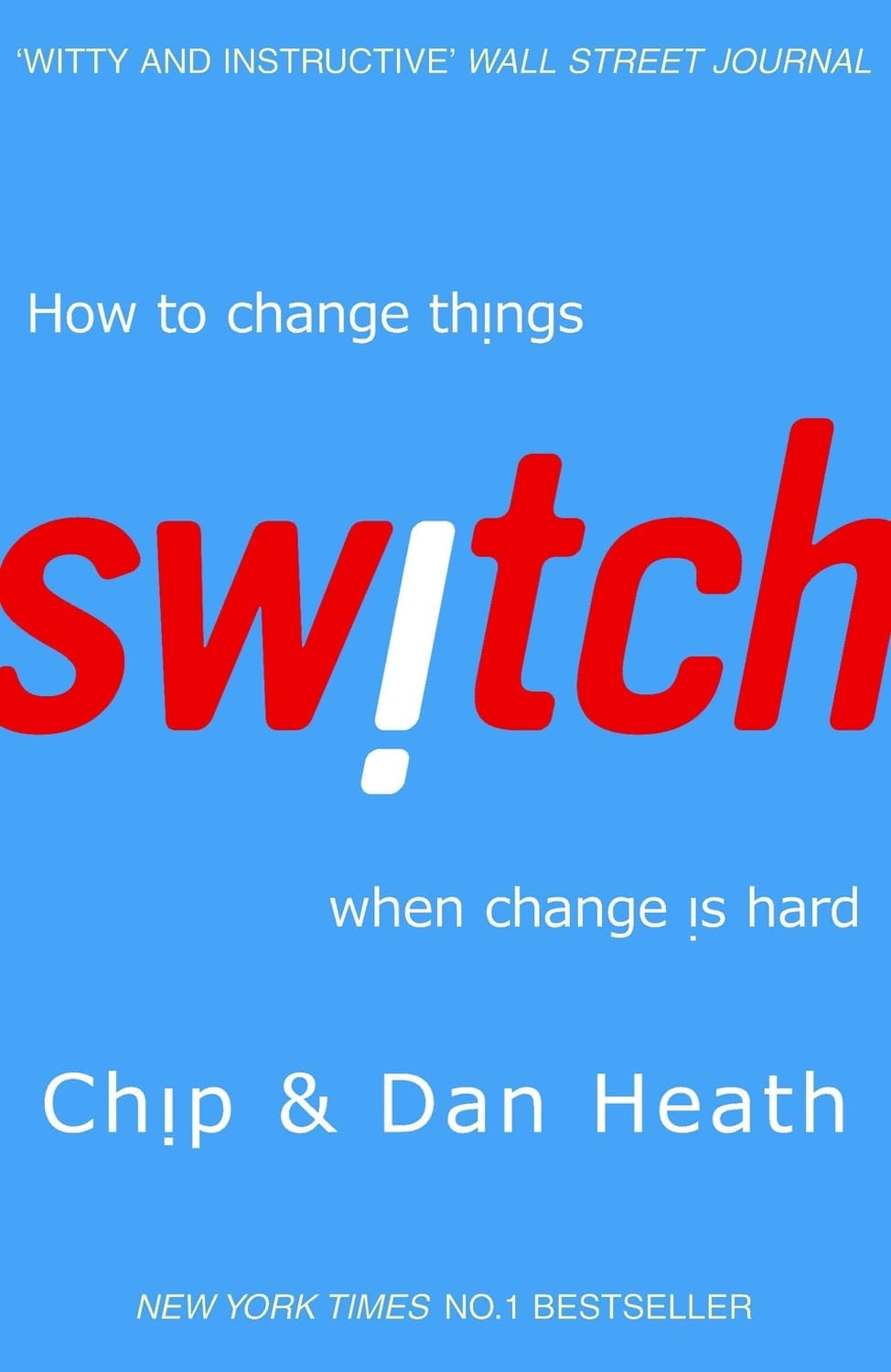
Switch
Understand why change is difficult — and learn practical strategies to successfully change habits, behaviors, and results.
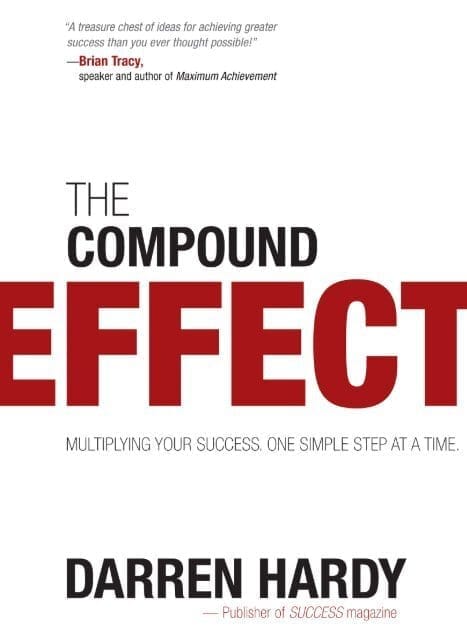
The Compound Effect
Small daily actions may seem insignificant, but over time they create extraordinary results in wealth, health, and success.
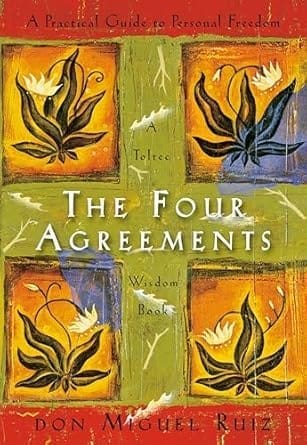
The Four Agreements
Four simple but life-changing principles to help you experience greater peace, freedom, confidence, and healthier relationships.
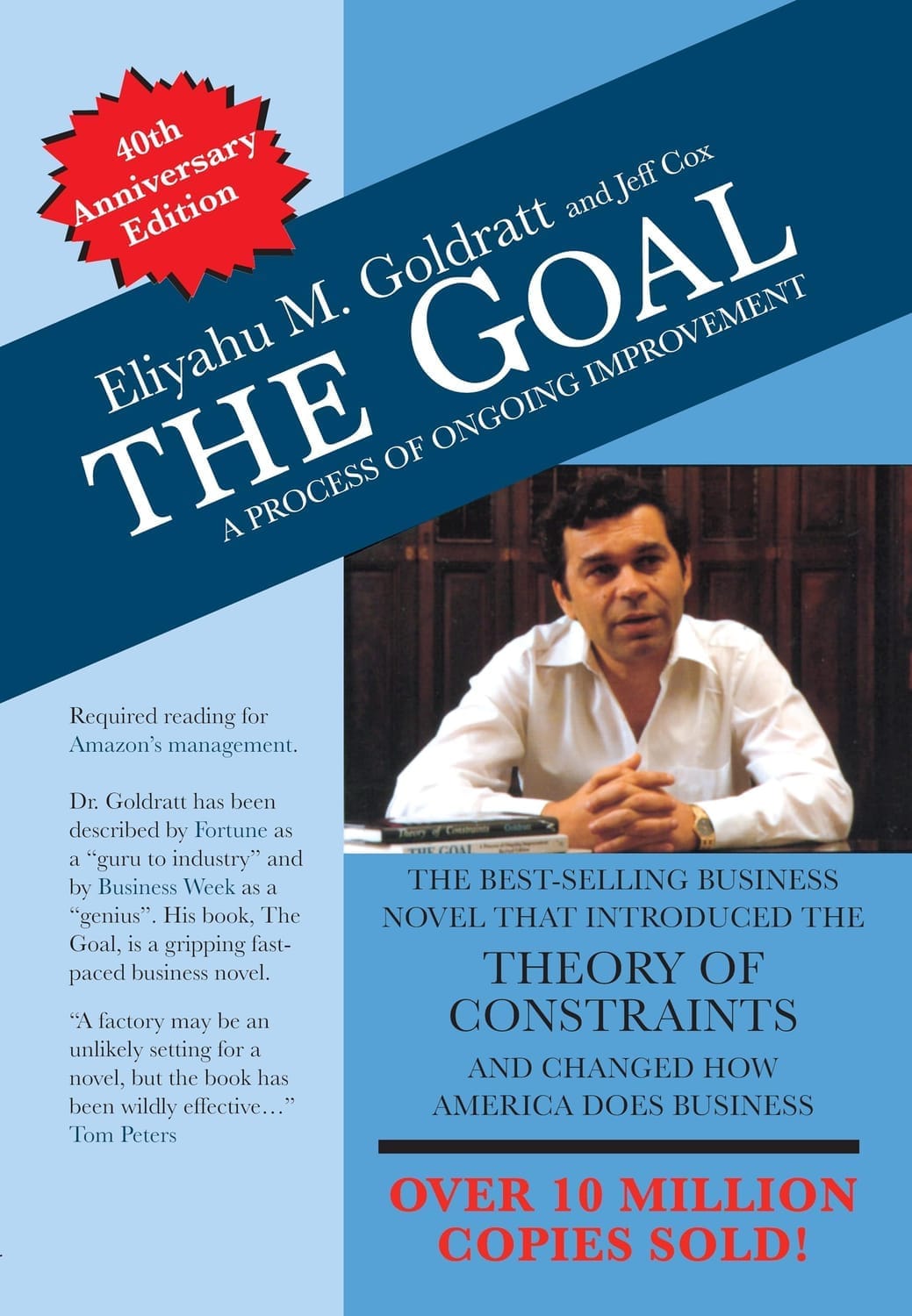
The Goal
A powerful business novel that teaches you how to identify bottlenecks, improve productivity, and focus on what truly drives results.
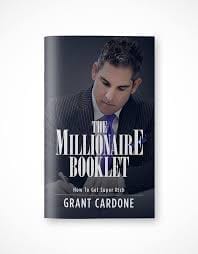
The Millionaire Booklet
A practical wake-up call about money, ambition, and the mindset required to escape financial struggle and pursue wealth seriously.
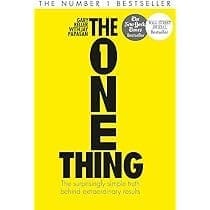
The One Thing
Learn how focusing on the most important task can dramatically improve your productivity, results, and quality of life.
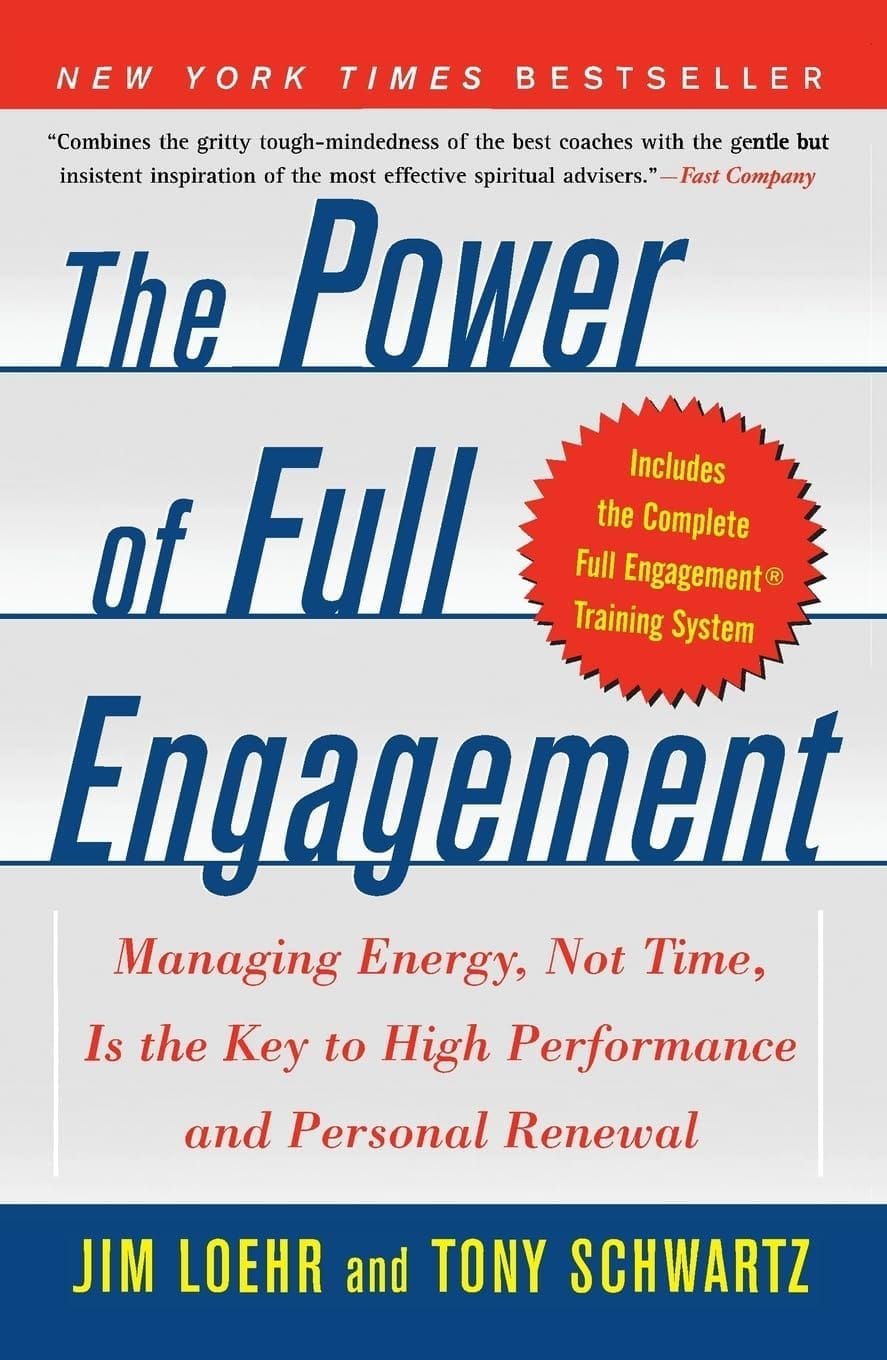
The Power of Full Engagement
Success isn’t just about managing time — it’s about managing your physical, emotional, mental, and spiritual energy effectively.
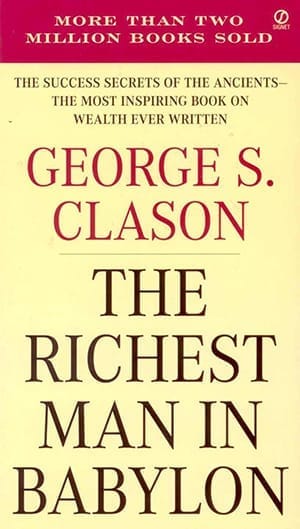
Richest Man In Babylon
Simple, timeless financial principles about saving, investing, discipline, and building long-term wealth.
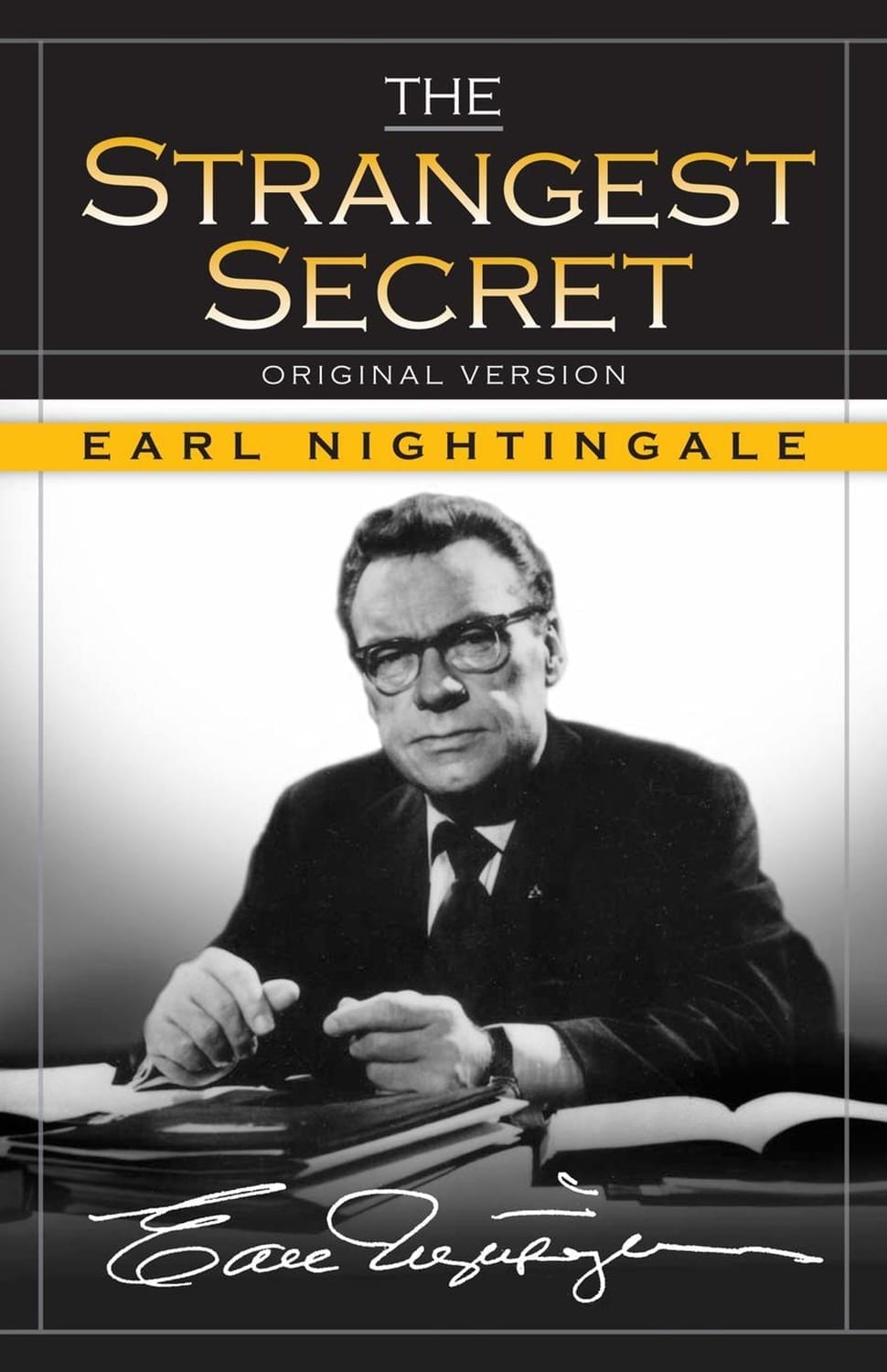
The Strangest Secret
You become what you think about most. Learn how your thoughts shape your success, habits, and future.
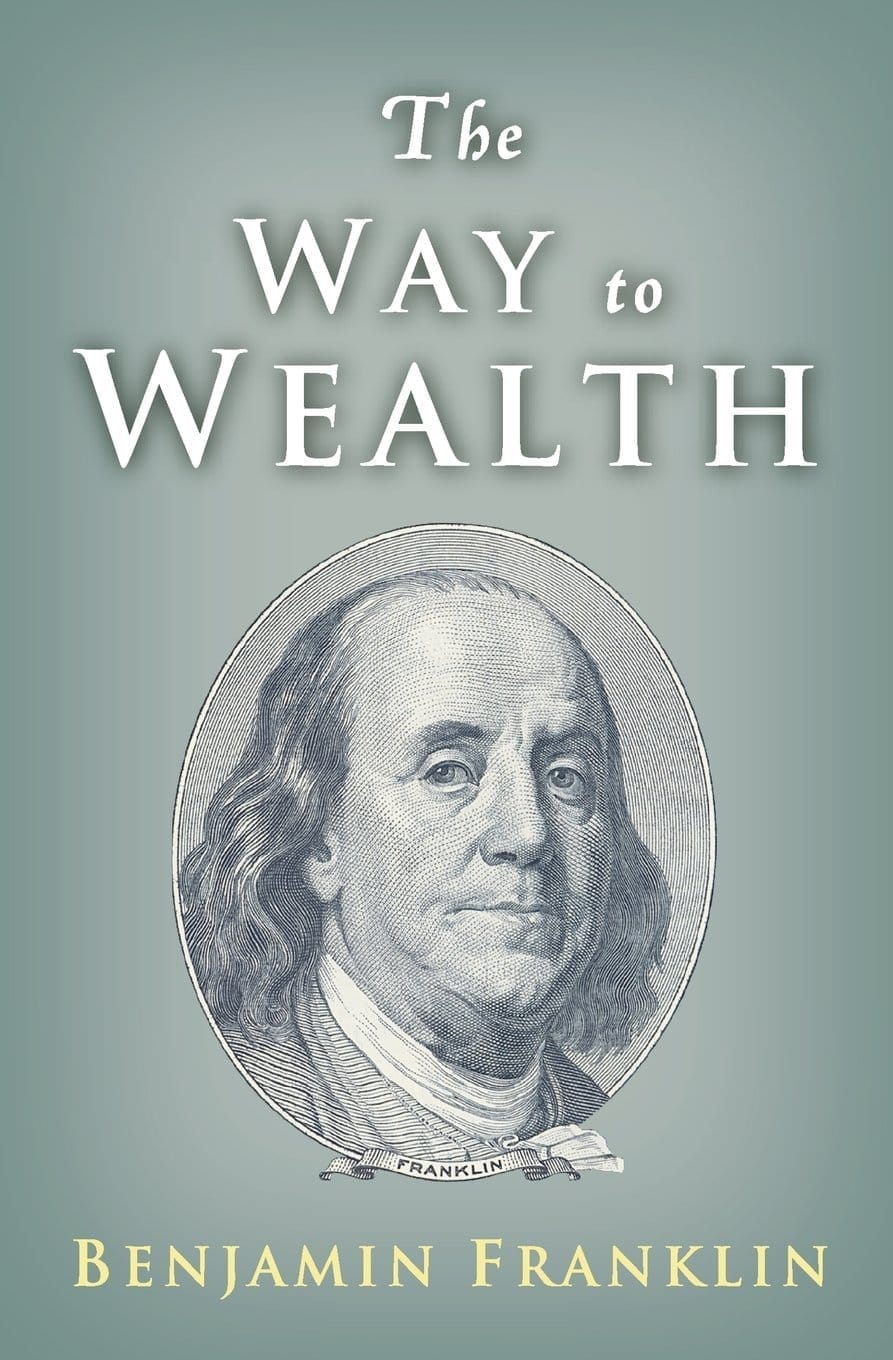
The Way to Wealth
Classic lessons on hard work, discipline, frugality, and wise financial stewardship that remain relevant centuries later.
7 Spiritual Laws of Success
Discover spiritual principles that blend purpose, abundance, alignment, and inner peace with external success.
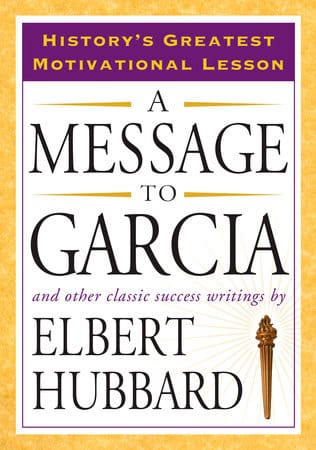
A Message to Garcia
A timeless lesson on initiative, responsibility, reliability, and becoming the kind of person who gets things done without excuses.
Great by Choice
Learn how exceptional companies succeed even in uncertainty through discipline, preparation, and consistent execution.
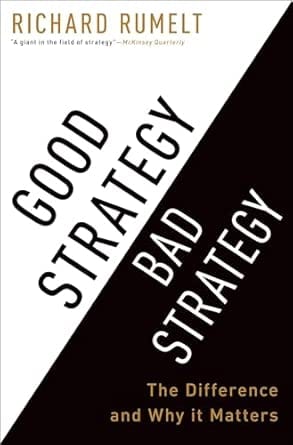
Good Strategy / Bad Strategy
Discover the difference between vague goals and real strategy — and learn how to focus your efforts where they matter most.
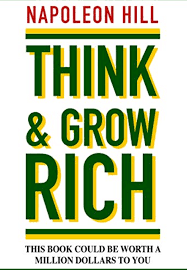
Think and Grow Rich
One of the most influential success books ever written — teaching the power of desire, faith, persistence, and focused action.
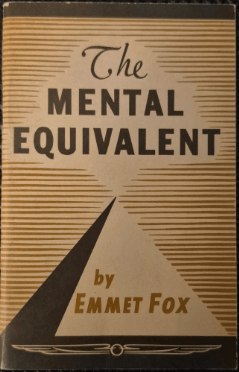
The Mental Equivalent
Learn how to create the mental and emotional conditions necessary to attract the life and outcomes you desire.
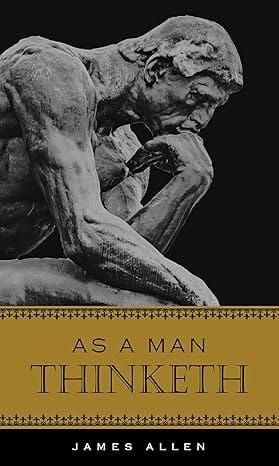
As a Man Thinketh
Your thoughts shape your character, habits, circumstances, and destiny. Master your mind and you transform your life.
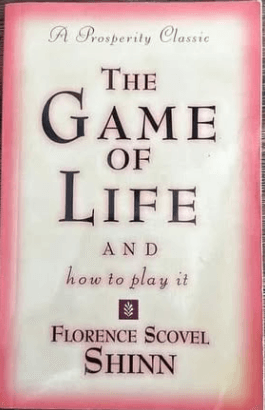
The Game of Life
and How to Play It
A practical guide to spiritual laws, affirmations, faith, and aligning your thoughts and words with the life you want to create.
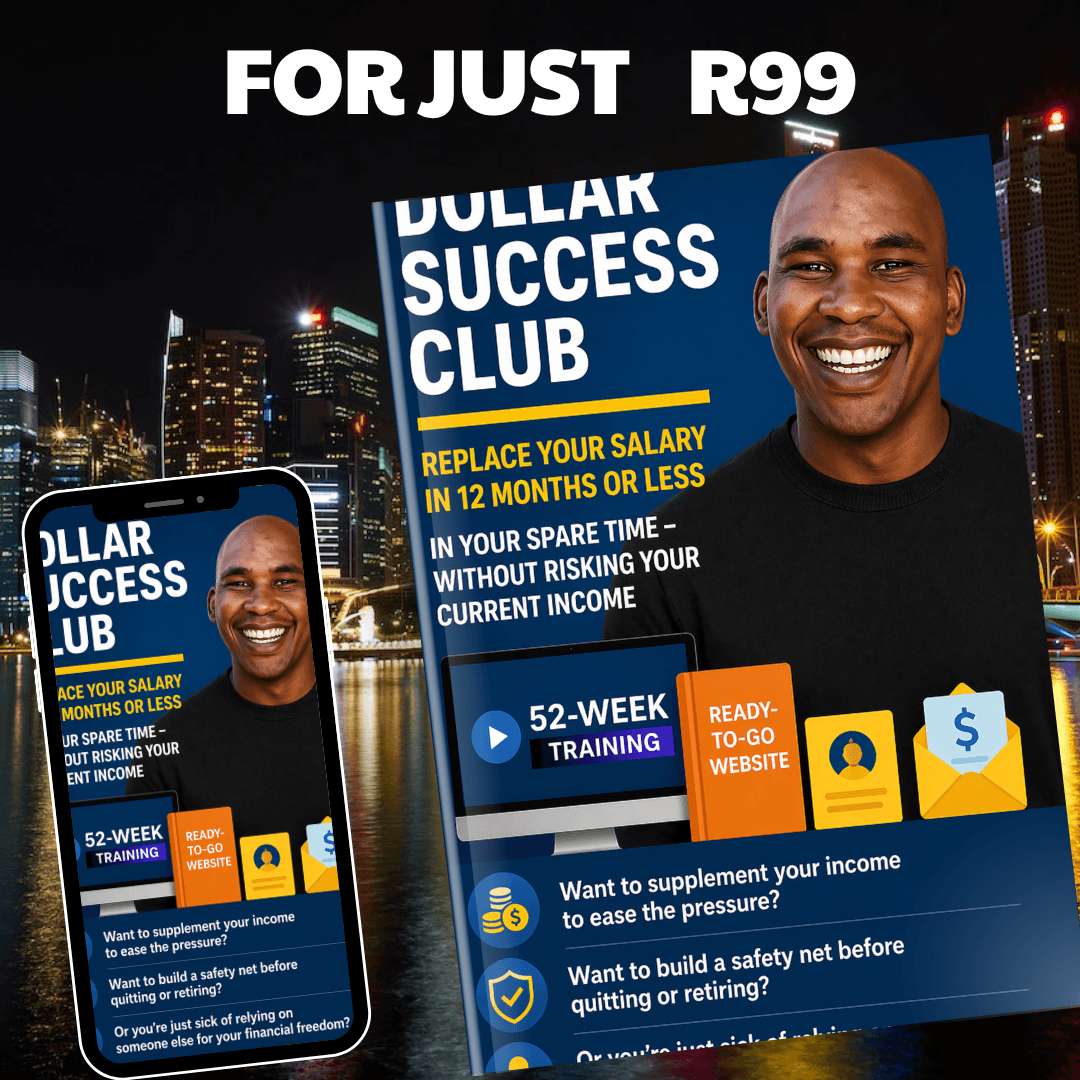
Dollar Success Club
A full system that shows you, step-by-step, how to start a real online business—even if you’re working full-time, even if you’ve never done this before.