
How to Start a Handyman Services Business
Starting a handyman services business in South Africa is a fantastic opportunity if you have practical skills and enjoy solving everyday repair and maintenance problems. Whether it’s fixing leaky taps, hanging doors, or painting walls, handyman services are always in demand by homeowners, landlords, and businesses alike. This type of business is flexible, can start small, and has potential to grow.
Here’s a comprehensive guide to starting a handyman business in South Africa.
Business Concept: How It Works
A handyman business provides general home maintenance, repair, and installation services. Unlike specialized trades like plumbing or electrical work, handymen offer a broad range of services, such as:
• Fixing doors, windows, and locks
• Painting and minor carpentry work
• Assembling furniture
• Hanging shelves or pictures
• General repairs (fixing leaks, patching walls)
• Small renovation projects
Who you're serving:
• Homeowners: Individuals needing home repairs, maintenance, or small renovation projects.
• Landlords: Property owners needing maintenance for rental properties.
• Businesses: Small businesses or office spaces that need minor repairs or renovations.
• Real estate agents: Agents needing property maintenance before listing homes for sale or rent.
What you're selling:
Your services can include basic home repairs, installations, painting, carpentry, tiling, and other maintenance tasks. You may also offer seasonal services like gutter cleaning or home improvement projects such as remodelling.
Purpose: Why Start This Kind of Business?
There are several reasons why starting a handyman business is a great idea:
• High demand: People constantly need help with home repairs and maintenance, and many prefer hiring professionals rather than doing it themselves.
• Flexibility: You can choose when and where to work, whether it’s part-time, full-time, or project-based.
• Low startup costs: Compared to other businesses, the overheads are relatively low, especially if you already own basic tools.
• Variety: The variety of tasks means the work is rarely boring. Each day can present a new challenge.
How to Determine
If There’s a Need for This Service
Before launching your business, make sure there’s demand for handyman services in your area:
• Research your local area: Check local classified ads or online platforms like Gumtree or Facebook Marketplace to see how many handyman services are offered.
• Talk to locals: Ask neighbours, friends, or local community groups if they regularly need handyman services. You might discover a gap in the market.
• Look at competitors: If there are already successful handymen in your area, it’s a good sign that demand exists. Try to identify any underserved niches, like elderly homeowners who need reliable help.
• Real estate trends: Areas with high homeownership or growing real estate markets tend to have a greater need for maintenance and repair services.
Different Variations of a Handyman Business
Depending on your skills and interests, you can choose to focus on different types of services:
1. General handyman services: Offering a wide range of basic repairs, installations, and maintenance.
2. Specialist services: Focus on one area, like carpentry, painting, or tiling, to build a niche.
3. Emergency repairs: Offer 24/7 services for urgent repairs, such as plumbing leaks or electrical issues (if qualified).
4. Home improvement and remodelling: Work on larger projects like small kitchen or bathroom renovations.
5. Commercial handyman services: Focus on providing maintenance for offices, retail shops, or industrial properties.
Best Location to Operate This Business
You don’t need a physical office for a handyman business; most services are mobile. However, consider these factors when choosing where to base your operations:
• Residential areas: Target areas with many homeowners, as they are more likely to require regular maintenance.
• Suburbs and towns: These areas typically have homeowners needing small repairs or improvements.
• Property development areas: New developments often require handyman services, either from homeowners or developers.
• Online presence: You can serve a broad area by building a strong online presence and offering services through platforms like Gumtree or local Facebook groups.
Capital Requirements
Starting a handyman business has relatively low capital requirements compared to many other businesses. Here’s what you’ll need:
• Tools and equipment: Basic tools like drills, hammers, wrenches, saws, and ladders are essential. You may already own many of these, but expect to spend R10,000 to R30,000 on any additional tools or replacements.
• Vehicle: A reliable vehicle is necessary to transport your tools and materials to job sites. If you already have one, you’re set, but a second-hand van or bakkie could cost around R60,000 to R150,000.
• Marketing: Business cards, flyers, and an online presence (website or social media accounts) could cost R3,000 to R10,000.
• Licenses: Depending on your location and the type of services you offer, you may need to register your business with the CIPC and comply with local regulations.
In total, you can start a handyman business with an investment of R20,000 to R100,000, depending on the scope of services and equipment you need.
Starting Part-Time and Growing Full-Time
A handyman business is perfect for starting part-time and growing into a full-time operation:
• Start part-time: You can begin by taking on small jobs in your spare time, especially weekends. This allows you to gain experience, build a customer base, and see if there’s enough demand to make it your full-time job.
• Full-time growth: As your reputation grows, you can expand by taking on bigger projects, hiring employees, or offering more specialized services. You could also secure long-term contracts with property managers or businesses for steady income.
How Much Money Can You Expect to Make?
Earnings as a handyman depend on your pricing, skills, and the number of clients you serve:
• Hourly rate: Most handymen charge between R250 to R600 per hour, depending on the complexity of the job and the region.
• Project-based work: For larger jobs like painting or remodelling, you can charge a flat fee, which could range from R2,000 to R20,000 or more, depending on the project size.
• Monthly income: Once established, a full-time handyman can earn between R20,000 to R50,000 per month. If you secure long-term contracts or hire staff, earnings could grow beyond R100,000 per month.
Equipment, Tools, and Resources for Success
Here’s what you’ll need to run a successful handyman business:
• Basic tools: Drills, saws, screwdrivers, hammers, spanners, and a ladder. You may also need specialized tools depending on the services you offer.
• Transport: A vehicle to carry tools and materials to job sites.
• Protective gear: Safety glasses, gloves, and boots to ensure safe working conditions.
• Smartphone or tablet: For communicating with clients, taking payments, and managing appointments.
• Accounting software: Tools like Xero or QuickBooks to manage invoices, quotes, and payments.
Employees, Insurance, and Legislative Issues
Initially, you can run the business on your own, but as you grow, you may need to hire:
• Assistants or junior handymen: To help with larger jobs or increase your capacity to take on more clients.
• Administrative support: If the business grows, you might need help managing bookings, invoices, and customer service.
Insurance: Public liability insurance is crucial to protect you from claims if you accidentally damage a client’s property. Tool insurance is also recommended to cover your equipment in case of theft or damage.
Legislation: Make sure your business is registered with the CIPC and that you’re compliant with local tax laws. You may need to be certified or licensed for certain types of work, such as plumbing or electrical repairs.
Potential Obstacles to Look Out For
1. Skill limitations: Some jobs may require specialized skills, such as plumbing or electrical work, that you might not have. It’s important to know your limits and when to refer clients to a specialist.
2. Competition: In urban areas, you may face competition from other handymen or larger maintenance companies. Offering exceptional service, reliability, and competitive pricing can help you stand out.
3. Cash flow issues: In the beginning, you might face inconsistent job bookings, leading to irregular income. Building a steady client base is crucial for maintaining a stable income.
Future Expansion Opportunities
Once your handyman business is established, you can expand in several ways:
• Hire additional staff: Bringing on more handymen will allow you to take on bigger projects or multiple jobs at once.
• Offer specialized services: If you gain additional skills or certifications, you can offer more specialized services like electrical work, plumbing, or renovation projects.
• Franchise the business: If your business model is successful, you could consider franchising to other cities or towns.
• Expand to corporate clients: Approach offices, retail stores, or property managers to offer regular maintenance contracts, providing a consistent income stream.
Skills, Training, and Leadership Traits
To run a successful handyman business, you’ll need:
• Technical skills: Competency in repairs, carpentry, painting, or whatever services you offer. You don’t need formal qualifications, but some training in carpentry, plumbing, or electrical work can be useful.
• Problem-solving skills: The ability to assess a situation and quickly find a practical solution is essential.
• Customer service: Building rapport with clients and delivering excellent service will lead to repeat business and referrals.
• Time management: Juggling multiple jobs and completing tasks on time requires excellent organizational skills.
• Leadership: If you plan to expand and hire employees, strong leadership and management skills will be important.
How to Price Products and Services
Pricing depends on the complexity of the job and your local market. Common pricing models include:
• Hourly rate: Charge between R250 to R600 per hour, depending on the service and location.
• Flat fee: For straightforward tasks like painting a room or fixing a door, offer a flat fee based on the expected hours and materials needed.
• Quotes for larger jobs: For bigger projects like small renovations, provide a detailed quote that includes labour and material costs.
How to Stand Out from the Competition
To differentiate your handyman business:
• Offer exceptional service: Be reliable, punctual, and deliver high-quality work. Customers value trust and will return if they know you can do the job well.
• Specialize in a niche: Focus on specific services, such as green building practices, water-saving installations, or eco-friendly materials, to attract a niche market.
• Customer follow-up: Check in with clients after the job is done to ensure satisfaction. This can lead to referrals and repeat business.
• Flexible services: Offer evening or weekend services to cater to clients with busy schedules.
Marketing Avenues to Attract Customers
To attract customers, you’ll need a solid marketing strategy:
• Word of mouth: Satisfied clients are your best form of marketing. Encourage customers to recommend you to friends and family.
• Social media: Use Facebook and Instagram to promote your services, showcase before-and-after photos, and engage with your community.
• Online platforms: List your services on Gumtree, OLX, and local Facebook groups to reach potential clients looking for handyman services.
• Google My Business: Set up a profile so that your business shows up in local search results when people look for handyman services near them.
• Flyers and community boards: Distribute flyers or post ads on local community boards, especially in residential neighborhoods.
Starting a handyman business in South Africa offers a great opportunity to turn your practical skills into a profitable venture. With a combination of great service, reliability, and smart marketing, you can build a thriving business that meets the everyday needs of homeowners and businesses alike.
Joined Dollar Success Club?
This is a community for people who want to:
• Start an online business
• Build multiple income streams
• Learn marketing and sales
• Turn ideas into profitable systems
Join the community here:
https://www.successclub.co.za/dollar
What You Miss By Not Joining Dollar Success Club...
Free practical action-based workbooks designed to help you apply powerful success principles immediately.
Topics include:
Mindset, Wealth, Discipline, Spirituality, Productivity, Purpose, Relationships, and so much more...

How to Win Friends and Influence People
Learn the timeless people skills that open doors, build influence, strengthen relationships, and help you succeed in business and life without manipulation or force.

Five Steps to Successful Selling
Master the foundations of persuasion, confidence, and ethical selling so you can close more deals, grow your income, and serve customers more effectively.

Acres of Diamonds
Discover how the opportunities you’ve been searching for may already exist right where you are — hidden in your skills, experiences, and environment.

Ask and It Is Given
Learn how your thoughts, emotions, and expectations shape your reality — and how to deliberately attract better outcomes into your life.

Awaken the Giant Within
Take control of your mindset, emotions, finances, and habits so you can unlock the power and potential already inside you.

Book of Proverbs
Timeless wisdom on discipline, money, relationships, leadership, and decision-making — practical success principles that still apply today.

I Moved Your Cheese
A simple but powerful lesson on challenging paradigms, overcoming fear, and rethinking the status quo in an ever-changing world.

Peaks and Valleys
Learn how to navigate life’s highs and lows wisely — and how difficult seasons can become stepping stones to greater success.

Secrets of the Millionaire Mind
Discover the hidden money beliefs shaping your financial life — and how to reprogram your mindset for wealth and abundance.

Switch
Understand why change is difficult — and learn practical strategies to successfully change habits, behaviors, and results.

The Compound Effect
Small daily actions may seem insignificant, but over time they create extraordinary results in wealth, health, and success.

The Four Agreements
Four simple but life-changing principles to help you experience greater peace, freedom, confidence, and healthier relationships.
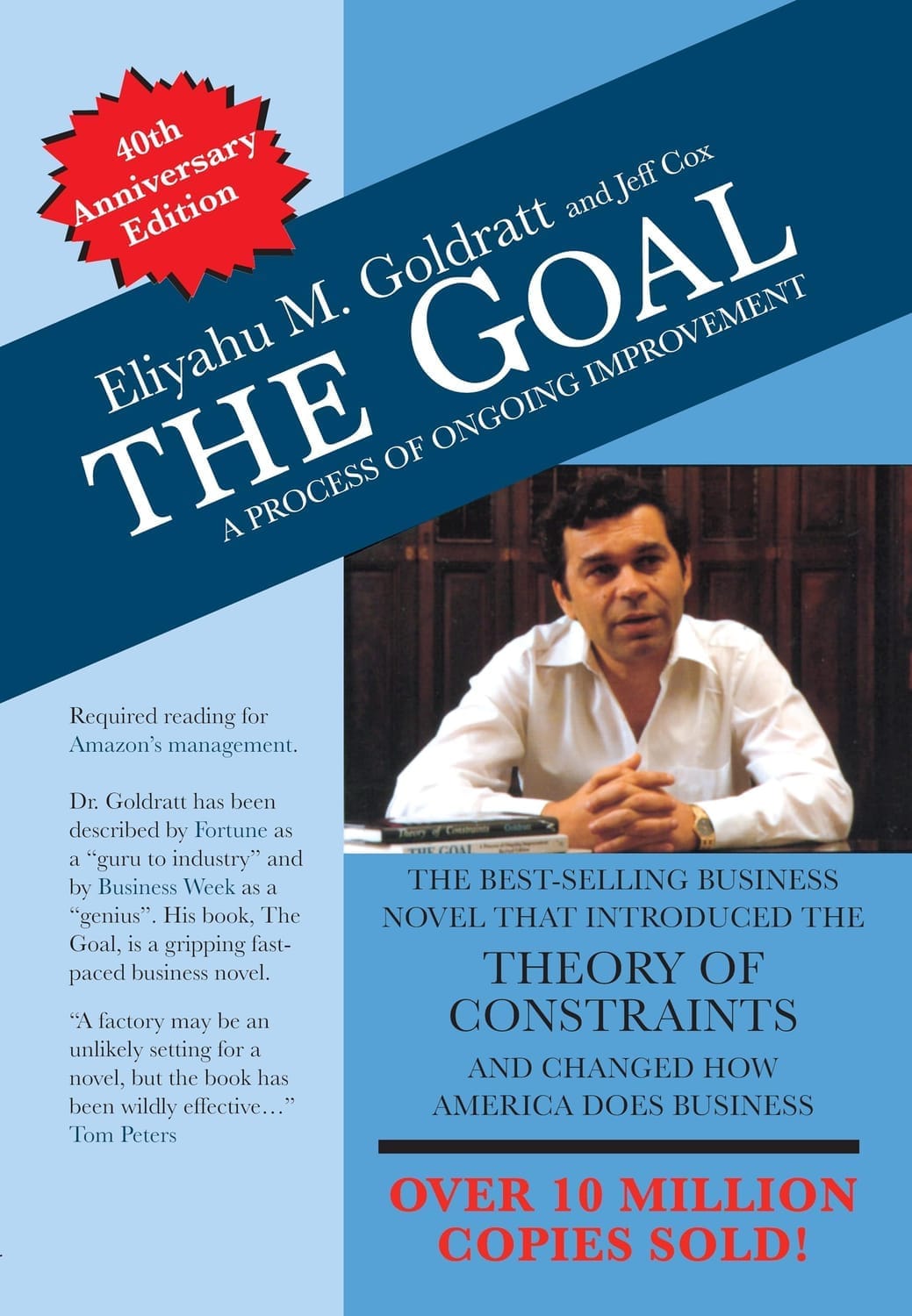
The Goal
A powerful business novel that teaches you how to identify bottlenecks, improve productivity, and focus on what truly drives results.

The Millionaire Booklet
A practical wake-up call about money, ambition, and the mindset required to escape financial struggle and pursue wealth seriously.
The One Thing
Learn how focusing on the most important task can dramatically improve your productivity, results, and quality of life.
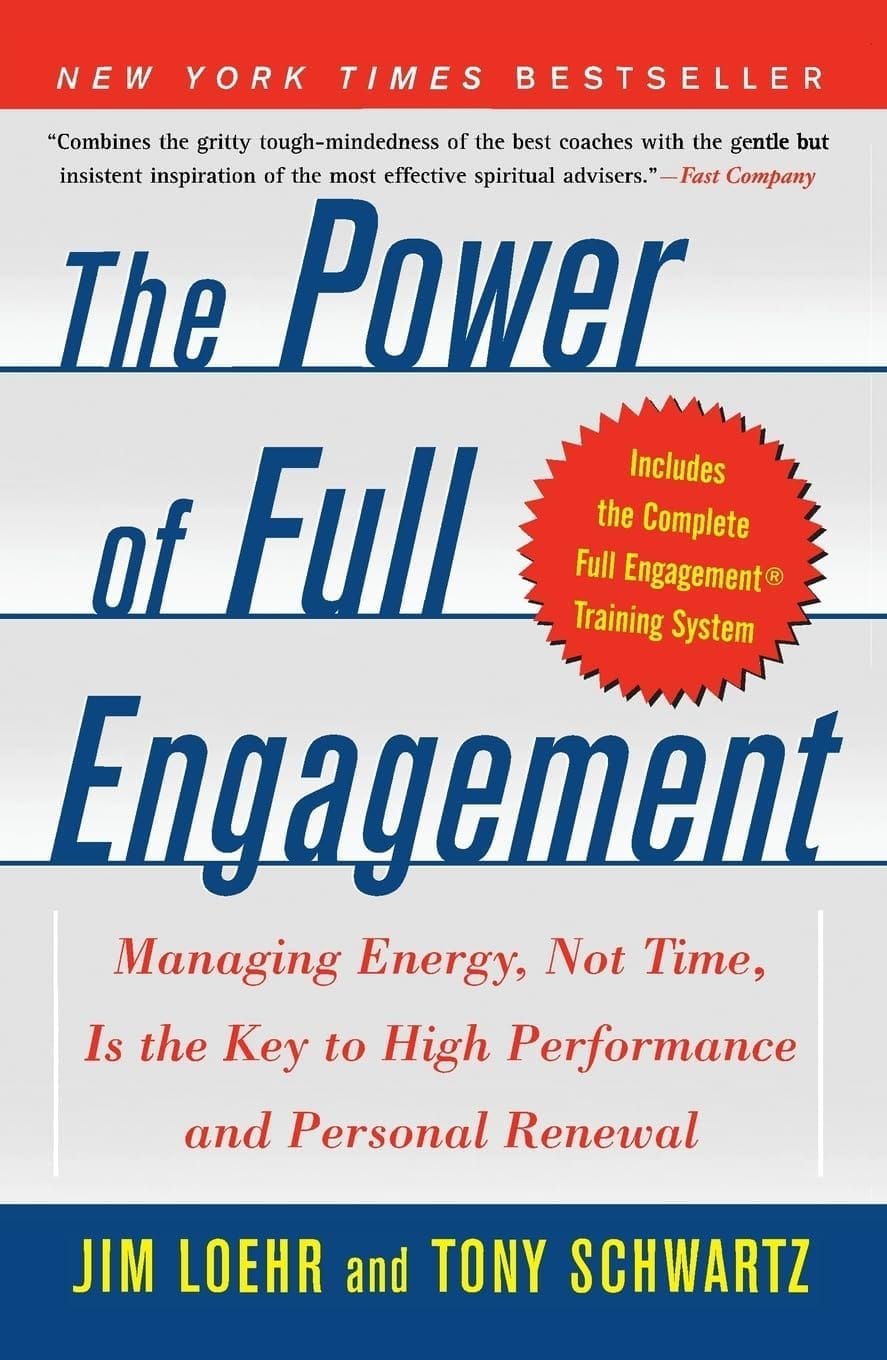
The Power of Full Engagement
Success isn’t just about managing time — it’s about managing your physical, emotional, mental, and spiritual energy effectively.
Richest Man In Babylon
Simple, timeless financial principles about saving, investing, discipline, and building long-term wealth.

The Strangest Secret
You become what you think about most. Learn how your thoughts shape your success, habits, and future.

The Way to Wealth
Classic lessons on hard work, discipline, frugality, and wise financial stewardship that remain relevant centuries later.

7 Spiritual Laws of Success
Discover spiritual principles that blend purpose, abundance, alignment, and inner peace with external success.

A Message to Garcia
A timeless lesson on initiative, responsibility, reliability, and becoming the kind of person who gets things done without excuses.
Great by Choice
Learn how exceptional companies succeed even in uncertainty through discipline, preparation, and consistent execution.
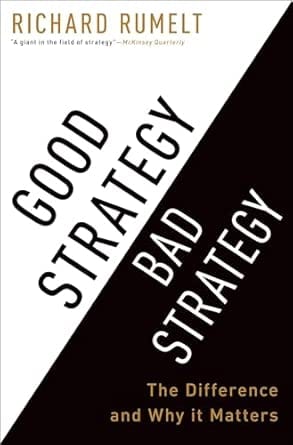
Good Strategy / Bad Strategy
Discover the difference between vague goals and real strategy — and learn how to focus your efforts where they matter most.

Think and Grow Rich
One of the most influential success books ever written — teaching the power of desire, faith, persistence, and focused action.

The Mental Equivalent
Learn how to create the mental and emotional conditions necessary to attract the life and outcomes you desire.

As a Man Thinketh
Your thoughts shape your character, habits, circumstances, and destiny. Master your mind and you transform your life.

The Game of Life
and How to Play It
A practical guide to spiritual laws, affirmations, faith, and aligning your thoughts and words with the life you want to create.

Dollar Success Club
A full system that shows you, step-by-step, how to start a real online business—even if you’re working full-time, even if you’ve never done this before.