
How to Start a Graphic Design Business in South Africa: A Step-by-Step Guide
Starting a graphic design business in South Africa can be an exciting and profitable opportunity if you have a passion for creativity and an eye for design. Graphic design is essential for businesses of all sizes, from creating logos and branding to designing websites, marketing materials, and advertisements. As more businesses look to establish a strong online and offline presence, graphic design services are in high demand. Here’s a comprehensive guide on how to start your own graphic design business in South Africa.
Business Concept: How It Works
A graphic design business provides visual communication services to clients by creating logos, websites, brochures, advertisements, social media graphics, and other branding materials. Graphic designers work with businesses, individuals, and organizations to deliver designs that are both creative and functional.
Who you're serving:
• Small and medium businesses looking to establish or refresh their brand identity.
• Corporates needing ongoing design work for marketing materials, advertisements, and internal communication.
• Startups and entrepreneurs who need logos, websites, and packaging design.
• Event planners and non-profits requiring posters, invitations, and promotional materials.
• Freelancers and individuals seeking personal branding or creative content for online platforms.
What you're selling:
Graphic designers offer various services, including:
• Logo and branding design
• Website and user interface (UI) design
• Marketing materials (brochures, posters, business cards)
• Social media graphics and banners
• Packaging design
• Infographics and presentations
Purpose: Why Start This Kind of Business?
Starting a graphic design business offers several advantages:
• High demand: Every business, from startups to established corporations, needs design work to build a brand or communicate with customers.
• Creative freedom: If you enjoy working on design projects, this business lets you turn your passion into a career.
• Flexibility: Graphic design can be done remotely, giving you the freedom to work from anywhere. You also get to choose your clients and projects.
• Scalability: You can start small and scale up as demand increases, with the option to hire additional designers or move into other areas of design, such as web development.
How to Determine
If There’s a Need for This Service
Before starting, assess the market demand for graphic design services in your area:
• Research local businesses: Look at small and medium businesses that may need rebranding or design work. Consider reaching out to them to see if they’re interested.
• Check online demand: Look at freelancing platforms like Fiverr, Upwork, or Freelancer to see how many businesses are seeking graphic designers.
• Network: Attend local business networking events, where companies might need design services for logos, websites, or marketing campaigns.
• Search trends: Use tools like Google Trends or social media to check the popularity of graphic design-related keywords and services.
Different Variations of a Graphic Design Business
You can tailor your graphic design business depending on your expertise and target audience:
1. Freelance graphic design: Offering design services on a project basis to various clients, often through online platforms or direct contact.
2. Branding and identity: Specializing in developing brand identities for businesses, including logos, color schemes, and visual guidelines.
3. Web and UI/UX design: Focus on designing websites, mobile apps, and user interfaces for digital products.
4. Corporate graphic design: Providing ongoing services for large businesses, including designing annual reports, presentations, and marketing collateral.
5. Niche design services: Specializing in certain industries, such as packaging design for food products or promotional materials for events.
Best Location to Operate This Business
Graphic design is a business you can run from virtually anywhere, and many designers choose to operate from home. Here’s how you can approach location:
• Home office: If you have the necessary equipment, you can run your graphic design business from home, keeping overheads low.
• Co-working spaces: Joining a co-working space gives you access to a professional environment, networking opportunities, and meeting rooms for client consultations.
• Online-only: Many graphic designers work entirely online, serving clients from all over the world, thanks to the digital nature of the business.
• Physical office: If you plan to scale your business and hire staff, you might eventually want to rent an office space, particularly in urban areas like Johannesburg, Cape Town, or Durban, where business opportunities are abundant.
Capital Requirements
Starting a graphic design business in South Africa is relatively affordable. Here’s what you’ll need to budget for:
• Computer and design software: A good-quality laptop or desktop with design software (e.g., Adobe Creative Cloud, which includes Photoshop, Illustrator, and InDesign) will be your most significant expense. Expect to spend around R20,000 to R40,000 on equipment and R800 to R1,000 per month on software subscriptions.
• Marketing materials: A website, social media presence, business cards, and portfolio setup will cost between R3,000 to R10,000.
• Online presence: If you plan to sell your services online, you’ll need a professional website with hosting, which can cost R1,000 to R5,000 depending on the complexity.
• Office setup: If you plan to work from home or a small office, budget for office furniture and utilities, which could be R5,000 to R10,000.
In total, you’ll need between R30,000 to R70,000 to start, depending on the scope and location of your business.
Starting Part-Time and Growing Full-Time
You can easily start your graphic design business part-time, allowing you to grow into a full-time operation:
• Part-time start: Work on freelance projects in the evenings or on weekends while keeping another job. This allows you to build a portfolio and client base gradually without the financial pressure of going full-time immediately.
• Full-time growth: As you gain more clients and projects, you can transition into full-time graphic design. Focus on establishing retainer contracts with clients for ongoing work, such as social media graphics or website updates, to ensure a stable income.
How Much Money Can You Expect to Make?
Your income as a graphic designer will depend on your experience, client base, and pricing model:
• Freelance projects: For smaller, one-off projects like logo design or business cards, you can charge between R1,000 to R5,000 depending on the complexity and client budget.
• Website design: More complex projects like website design or branding packages can earn you between R10,000 to R50,000, depending on the client.
• Monthly retainers: If you secure long-term clients, you can offer monthly retainer packages for ongoing design work, typically ranging from R5,000 to R20,000 per month.
A well-established graphic design business can bring in R20,000 to R80,000 per month or more, depending on your client base and services offered.
Equipment, Tools, and Resources for Success
Here’s what you’ll need to run a successful graphic design business:
• High-performance computer: A powerful laptop or desktop with plenty of RAM and a fast processor for running design software.
• Design software: Adobe Creative Cloud is the industry standard, but there are other options like CorelDRAW, Affinity Designer, or free tools like Canva (for lighter design work).
• Tablet or drawing tools: Many designers use graphic tablets like Wacom for drawing and creating digital illustrations.
• Cloud storage: Tools like Google Drive, Dropbox, or OneDrive for storing and sharing files with clients.
• Portfolio website: A professional website to showcase your past work, build credibility, and attract clients.
Employees, Insurance, and Legislative Issues
You can start your graphic design business as a solo freelancer, but as demand grows, you might consider hiring:
• Junior designers: To help with larger projects or handle basic tasks like social media graphics or simple layouts.
• Project managers: To assist with client communication and ensure deadlines are met as your business expands.
Insurance: Consider getting professional indemnity insurance to protect against potential claims of errors or miscommunication that might affect a client’s project. If you have a physical office, you may also want to insure your equipment.
Legislation: Ensure your business is registered with the CIPC (Companies and Intellectual Property Commission) and complies with tax laws. If you’re offering services internationally, make sure to understand any relevant VAT laws for digital products.
Potential Obstacles to Look Out For
1. Client management: Some clients may have unrealistic expectations or vague project goals, so clear communication and well-defined contracts are essential.
2. Competition: The graphic design industry can be competitive, especially online. Differentiating your services through quality, speed, or niche expertise will help you stand out.
3. Cash flow: Since graphic design often involves project-based work, there can be gaps between payments. Securing retainer clients can help ensure a steady income.
Future Expansion Opportunities
As your graphic design business grows, there are several ways to expand:
• Hire more designers: Scale up by hiring freelancers or full-time designers to handle more clients and projects.
• Add related services: Expand into complementary areas like web development, animation, video editing, or content creation.
• Go international: Thanks to the digital nature of graphic design, you can serve clients around the world. Platforms like Fiverr and Upwork can help you reach international markets.
• Offer design courses: If you’re an experienced designer, you could create online courses or workshops to teach others about graphic design, offering another income stream.
Skills, Training, and Leadership Traits
To succeed as a graphic designer, you’ll need:
• Creative skills: A strong eye for design, color theory, typography, and visual hierarchy.
• Technical skills: Mastery of design software like Photoshop, Illustrator, and InDesign is essential.
• Time management: Juggling multiple clients and projects requires strong organizational and time management skills.
• Business acumen: Understanding basic business principles, including marketing, pricing, and customer relations, will help you grow.
• Leadership: If you plan to scale, you’ll need leadership and project management skills to guide a team of designers or freelancers.
How to Price Products and Services
Pricing will depend on your level of experience, the complexity of the project, and the client’s budget:
• Hourly rate: Charge between R250 to R600 per hour, depending on your expertise and market.
• Fixed project rate: For one-off projects like logo design, prices typically range from R2,000 to R10,000, depending on the client.
• Retainers: Offer monthly retainers for ongoing work, charging anywhere from R5,000 to R20,000 per month.
Make sure your pricing covers your costs (software, equipment, time) while allowing for a healthy profit margin.
How to Stand Out from the Competition
To succeed in a competitive industry like graphic design, you’ll need to differentiate yourself:
• Specialize in a niche: Become an expert in a particular area, such as branding for restaurants or designing websites for tech startups.
• Offer exceptional customer service: Clear communication, delivering on time, and exceeding client expectations will help you build long-term relationships and earn referrals.
• Build a strong portfolio: Showcase your best work on your website and social media to attract new clients and demonstrate your expertise.
Marketing Avenues to Attract Customers
Effective marketing is key to growing your graphic design business. Here are a few strategies:
• Social media: Use platforms like Instagram, Behance, and LinkedIn to showcase your work and connect with potential clients.
• Portfolio website: A well-designed website is essential for displaying your portfolio and making it easy for clients to contact you.
• Networking: Attend local business events, conferences, or design meetups to build connections with potential clients.
• Freelancing platforms: Sign up for platforms like Fiverr, Upwork, or Freelancer to reach international clients and build your reputation.
• Referrals: Word of mouth is a powerful tool. Ask satisfied clients for testimonials or referrals to help grow your client base.
Starting a graphic design business in South Africa offers a flexible, creative career with endless opportunities for growth. With the right tools, marketing strategies, and customer focus, you can build a successful business that helps clients bring their ideas to life visually.
Joined Dollar Success Club?
This is a community for people who want to:
• Start an online business
• Build multiple income streams
• Learn marketing and sales
• Turn ideas into profitable systems
Join the community here:
https://www.successclub.co.za/dollar
What You Miss By Not Joining Dollar Success Club...
Free practical action-based workbooks designed to help you apply powerful success principles immediately.
Topics include:
Mindset, Wealth, Discipline, Spirituality, Productivity, Purpose, Relationships, and so much more...
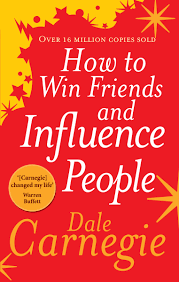
How to Win Friends and Influence People
Learn the timeless people skills that open doors, build influence, strengthen relationships, and help you succeed in business and life without manipulation or force.

Five Steps to Successful Selling
Master the foundations of persuasion, confidence, and ethical selling so you can close more deals, grow your income, and serve customers more effectively.

Acres of Diamonds
Discover how the opportunities you’ve been searching for may already exist right where you are — hidden in your skills, experiences, and environment.

Ask and It Is Given
Learn how your thoughts, emotions, and expectations shape your reality — and how to deliberately attract better outcomes into your life.

Awaken the Giant Within
Take control of your mindset, emotions, finances, and habits so you can unlock the power and potential already inside you.

Book of Proverbs
Timeless wisdom on discipline, money, relationships, leadership, and decision-making — practical success principles that still apply today.

I Moved Your Cheese
A simple but powerful lesson on challenging paradigms, overcoming fear, and rethinking the status quo in an ever-changing world.

Peaks and Valleys
Learn how to navigate life’s highs and lows wisely — and how difficult seasons can become stepping stones to greater success.

Secrets of the Millionaire Mind
Discover the hidden money beliefs shaping your financial life — and how to reprogram your mindset for wealth and abundance.

Switch
Understand why change is difficult — and learn practical strategies to successfully change habits, behaviors, and results.

The Compound Effect
Small daily actions may seem insignificant, but over time they create extraordinary results in wealth, health, and success.

The Four Agreements
Four simple but life-changing principles to help you experience greater peace, freedom, confidence, and healthier relationships.
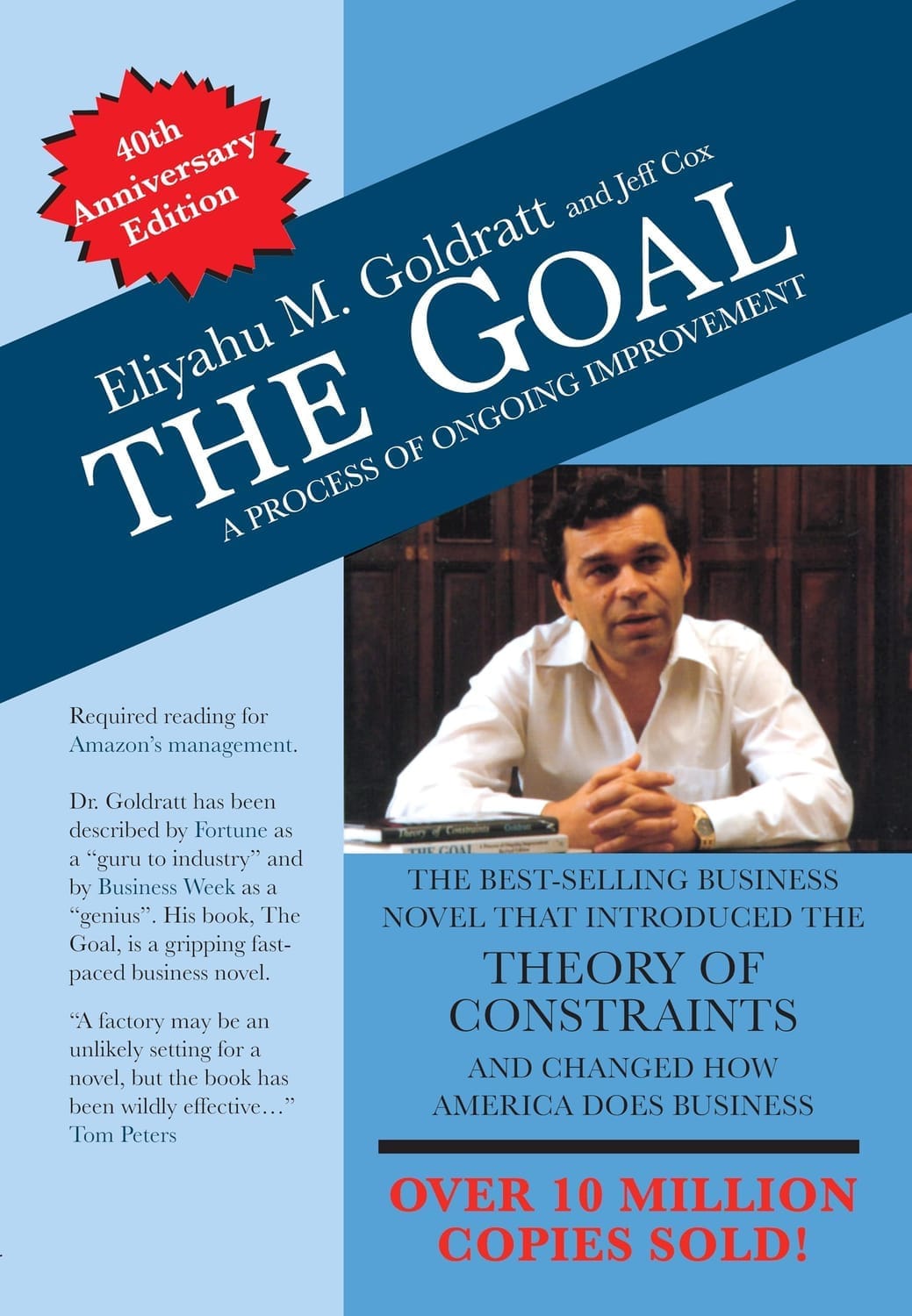
The Goal
A powerful business novel that teaches you how to identify bottlenecks, improve productivity, and focus on what truly drives results.
The Millionaire Booklet
A practical wake-up call about money, ambition, and the mindset required to escape financial struggle and pursue wealth seriously.
The One Thing
Learn how focusing on the most important task can dramatically improve your productivity, results, and quality of life.
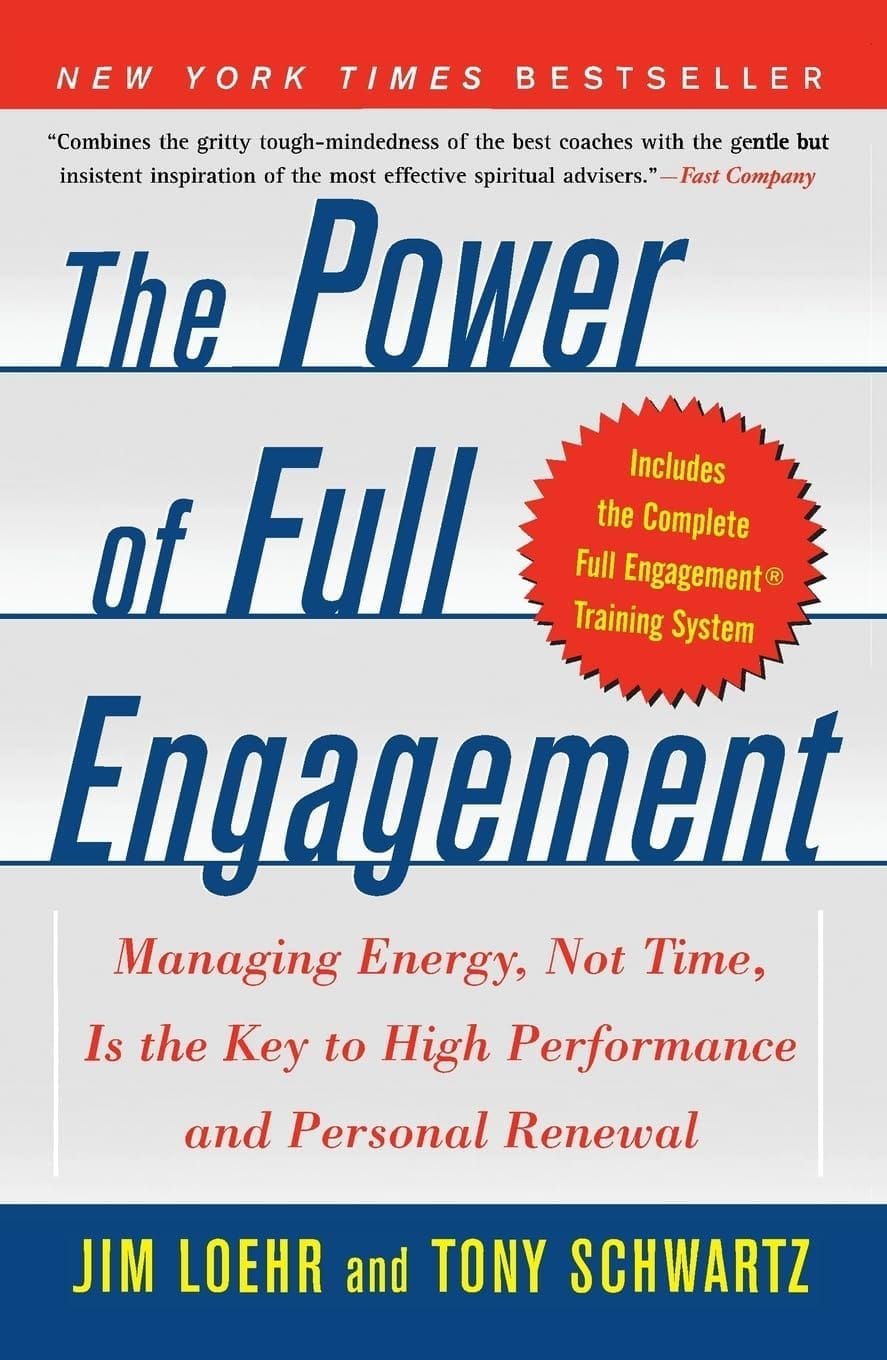
The Power of Full Engagement
Success isn’t just about managing time — it’s about managing your physical, emotional, mental, and spiritual energy effectively.
Richest Man In Babylon
Simple, timeless financial principles about saving, investing, discipline, and building long-term wealth.

The Strangest Secret
You become what you think about most. Learn how your thoughts shape your success, habits, and future.

The Way to Wealth
Classic lessons on hard work, discipline, frugality, and wise financial stewardship that remain relevant centuries later.

7 Spiritual Laws of Success
Discover spiritual principles that blend purpose, abundance, alignment, and inner peace with external success.

A Message to Garcia
A timeless lesson on initiative, responsibility, reliability, and becoming the kind of person who gets things done without excuses.
Great by Choice
Learn how exceptional companies succeed even in uncertainty through discipline, preparation, and consistent execution.
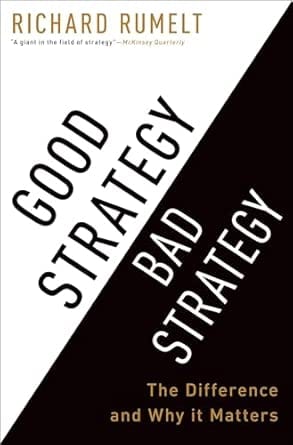
Good Strategy / Bad Strategy
Discover the difference between vague goals and real strategy — and learn how to focus your efforts where they matter most.

Think and Grow Rich
One of the most influential success books ever written — teaching the power of desire, faith, persistence, and focused action.

The Mental Equivalent
Learn how to create the mental and emotional conditions necessary to attract the life and outcomes you desire.

As a Man Thinketh
Your thoughts shape your character, habits, circumstances, and destiny. Master your mind and you transform your life.

The Game of Life
and How to Play It
A practical guide to spiritual laws, affirmations, faith, and aligning your thoughts and words with the life you want to create.

Dollar Success Club
A full system that shows you, step-by-step, how to start a real online business—even if you’re working full-time, even if you’ve never done this before.