
How to Start an Interior Design Business
Starting an interior design business in South Africa can be a highly rewarding career for those with a passion for creating beautiful, functional spaces. With the country’s growing real estate market, businesses, and individuals looking to elevate their homes or offices, there’s a consistent demand for professional interior designers. This business allows you to work on projects ranging from residential homes to commercial spaces, giving you the chance to bring your creative vision to life while helping clients improve their environments.
Here’s how to start an interior design business in South Africa.
Business Concept: How It Works
An interior design business helps clients plan and decorate their homes, offices, or other spaces to be aesthetically pleasing, functional, and aligned with their needs and preferences. As an interior designer, you’ll work with clients to choose furniture, lighting, color schemes, décor, and layout plans.
Who you're serving:
• Homeowners: Individuals who want to redesign or renovate their homes, from single rooms to full-house makeovers.
• Businesses: Companies seeking to design or revamp office spaces, retail stores, or hospitality spaces like hotels and restaurants.
• Property developers: Developers looking to stage homes or create showrooms that appeal to potential buyers.
• Real estate agents: Agents who need homes or apartments staged to attract buyers.
What you're selling:
Your services include space planning, color coordination, sourcing furniture and décor, creating mood boards, and project management. Services might include:
• Full-scale interior design for residential or commercial spaces.
• Home staging to make properties more appealing for sale.
• Consultation services for clients who want design advice but will handle implementation themselves.
• Furniture selection, lighting design, and space optimization.
Purpose: Why Start This Kind of Business?
There are several reasons why starting an interior design business can be a great move:
• High demand: As South Africa’s property market grows, homeowners and businesses increasingly seek professional design services to improve their spaces.
• Creative expression: If you love creativity, color, and design, this career offers you the chance to transform spaces using your unique vision.
• Flexible working conditions: You can choose to work from home, a studio, or even set up your business as a consultancy where you guide clients through their projects remotely.
• Profit potential: Interior design services can be highly lucrative, particularly if you work with high-end clients or large-scale commercial projects.
How to Determine If There’s a Need for This Service
To understand the demand for interior design services in your area:
• Research the real estate market: Growing areas, such as new residential developments, commercial properties, or urban centers, are more likely to require interior design services.
• Talk to property developers or real estate agents: They often collaborate with interior designers to stage homes or create showrooms that attract potential buyers.
• Assess local competition: See how many interior designers are already working in your area. If there’s a gap in specialized services (e.g., eco-friendly design or minimalist styles), you could fill that niche.
• Attend trade shows and industry events: These can give you insight into the latest trends and the types of clients seeking design services.
Different Variations of an Interior Design Business
You can structure your interior design business in different ways, depending on your interests and market demand:
1. Residential interior design: Focus on creating beautiful and functional homes, whether it’s a full-house remodel or a single-room makeover.
2. Commercial interior design: Work on corporate offices, retail stores, hotels, restaurants, and other commercial spaces.
3. Home staging: Specialize in designing spaces that help properties sell faster by making them more appealing to potential buyers.
4. Virtual interior design: Offer remote consultations and design services, creating digital mood boards, layouts, and shopping lists for clients to implement themselves.
5. Niche design: Specialize in sustainable design, minimalist spaces, or luxury interiors to appeal to specific market segments.
Best Location to Operate This Business
Your interior design business can operate from almost anywhere, but the ideal location will depend on your target market:
• Work from home: Many interior designers work from home offices, meeting clients at project sites or showrooms. This keeps overheads low and allows for flexibility.
• Studio or office: If you want a professional space to meet clients and showcase design materials, you could rent a studio or office space in a central location or design district.
• Urban and affluent areas: These areas, such as Sandton in Johannesburg or the Atlantic Seaboard in Cape Town, are ideal for targeting homeowners or businesses with larger budgets.
• Online: If you offer virtual design services, you can operate entirely online, working with clients across South Africa and internationally.
Capital Requirements
Starting an interior design business can have low to moderate startup costs, depending on the scale of your operations. Key expenses include:
• Design software: Programs like AutoCAD, SketchUp, or Adobe Photoshop are essential for creating 3D models and floor plans. Software costs can range from R5,000 to R20,000, depending on the package.
• Office setup: If you work from home, you’ll need a professional workspace, which may require office furniture and décor, costing around R5,000 to R10,000.
• Sample books and swatches: Fabric samples, paint swatches, and flooring materials can cost between R2,000 to R10,000, depending on the variety.
• Marketing materials: A website, business cards, and social media setup will cost around R5,000 to R15,000, depending on your needs.
• Transportation: You may need a vehicle to visit clients and suppliers. If you already own one, you’re set, but if not, a second-hand car may cost around R50,000 to R150,000.
In total, you’ll need around R20,000 to R100,000 to get started, depending on how you set up your business.
Starting Part-Time and Growing Full-Time
Many interior designers start their business part-time, allowing them to build a portfolio while maintaining another job or source of income:
• Start part-time: Take on small projects for friends, family, or local businesses, especially during weekends or after-hours. This allows you to gain experience and build a client base without risking your main income.
• Full-time growth: As demand grows, you can transition into full-time interior design, hiring assistants, and expanding your services to include more complex or large-scale projects.
How Much Money Can You Expect to Make?
Earnings as an interior designer will depend on your experience, client base, and the size of the projects you take on:
• Consultation fees: For design consultations or mood boards, you can charge R500 to R1,500 per hour.
• Full-scale projects: Larger interior design projects, such as full home renovations, can earn anywhere from R20,000 to R150,000, depending on the project size and budget.
• Monthly income: Once established, a full-time interior designer can earn between R20,000 to R100,000 per month, or more, depending on the scale of their projects and client base.
Equipment, Tools, and Resources for Success
To run a successful interior design business, you’ll need the following:
• Design software: Programs like AutoCAD, Revit, or SketchUp for creating design plans and 3D renderings.
• Office setup: A workspace equipped with a computer, sample books, and design materials.
• Smartphone/tablet: For staying in touch with clients and managing schedules on the go.
• Sample materials: Paint swatches, fabric samples, flooring options, and catalogs from furniture suppliers.
• Portfolio website: An online portfolio showcasing your work is essential for attracting new clients.
Employees, Insurance, and Legislative Issues
Initially, you can run your interior design business solo, but as you grow, you may need help:
• Assistants: You may want to hire an assistant to help with administrative tasks or project management.
• Junior designers: If your workload increases, hiring junior designers can help you manage multiple projects.
Insurance: Consider getting professional indemnity insurance to cover potential claims if a client is unhappy with the results of your design work. Additionally, if you have a physical office, you’ll need business insurance to protect your space and assets.
Legislation: Register your business with the CIPC (Companies and Intellectual Property Commission) and ensure you comply with tax laws. If you hire staff, adhere to South Africa’s labor laws, including paying minimum wages and providing necessary benefits.
Potential Obstacles to Look Out For
1. Client budgets: Some clients may have unrealistic expectations about what can be achieved within their budget. Clear communication and setting expectations early are essential.
2. Managing contractors: As an interior designer, you may work with builders, painters, and carpenters. Managing these relationships effectively is crucial to meeting deadlines and client expectations.
3. Fluctuating demand: Demand for interior design services may fluctuate with the economy or housing market, so diversifying your services can help.
Future Expansion Opportunities
As your business grows, there are many ways to expand:
• Hire additional staff: Hiring more designers and assistants will allow you to take on larger projects or multiple clients.
• Offer additional services: Add related services like project management, architectural design, or furniture design to expand your offerings.
• Work with property developers: Collaborate with real estate developers to design showrooms, model homes, or entire housing projects.
• Franchise or consult: Once established, you could franchise your brand or offer consulting services to other interior designers.
Skills, Training, and Leadership Traits
To succeed as an interior designer, you’ll need:
• Design skills: A good eye for color, space, and layout is essential. A qualification in interior design or a related field can be helpful, though many designers are self-taught.
• Communication skills: Understanding and interpreting client needs and translating them into a workable design is key.
• Project management: Managing budgets, timelines, and contractors will be a big part of your role.
• Creativity and flexibility: You’ll need to be adaptable and able to offer creative solutions to design challenges.
How to Price Products and Services
Pricing in interior design varies depending on the scope of the project:
• Hourly rate: Charge between R500 to R1,500 per hour for consultations, depending on your experience.
• Project-based fees: For larger projects, charge a flat fee or percentage of the total project cost (typically 10-15%).
• Consultations and mood boards: Offer design consultations or mood boards for a fixed fee, ranging from R3,000 to R10,000, depending on the level of detail.
How to Stand Out from the Competition
To differentiate your business from competitors:
• Specialize in a niche: Focus on a particular style (e.g., modern, eco-friendly, or minimalist design) to attract a specific market.
• Build a strong portfolio: Showcase your best work online and on social media to build credibility and attract high-end clients.
• Exceptional service: Providing personalized, attentive service will help you build long-term relationships with clients and earn referrals.
Marketing Avenues to Attract Customers
Marketing is key to growing your interior design business. Here are some strategies:
• Website and SEO: Build a professional website with a portfolio of your work and use SEO to attract potential clients searching for interior design services.
• Social media: Use platforms like Instagram, Pinterest, and Facebook to showcase your designs, connect with potential clients, and share design tips.
• Networking: Attend real estate events, trade shows, or local business events to connect with property developers, real estate agents, and homeowners.
• Referrals: Encourage satisfied clients to refer you to others, and offer discounts or incentives for successful referrals.
Starting an interior design business in South Africa offers the chance to turn your passion for design into a thriving, creative business. With the right mix of creativity, business acumen, and marketing, you can build a successful business that transforms spaces and enriches lives.
Joined Dollar Success Club?
This is a community for people who want to:
• Start an online business
• Build multiple income streams
• Learn marketing and sales
• Turn ideas into profitable systems
Join the community here:
https://www.successclub.co.za/dollar
What You Miss By Not Joining Dollar Success Club...
Free practical action-based workbooks designed to help you apply powerful success principles immediately.
Topics include:
Mindset, Wealth, Discipline, Spirituality, Productivity, Purpose, Relationships, and so much more...

How to Win Friends and Influence People
Learn the timeless people skills that open doors, build influence, strengthen relationships, and help you succeed in business and life without manipulation or force.

Five Steps to Successful Selling
Master the foundations of persuasion, confidence, and ethical selling so you can close more deals, grow your income, and serve customers more effectively.

Acres of Diamonds
Discover how the opportunities you’ve been searching for may already exist right where you are — hidden in your skills, experiences, and environment.

Ask and It Is Given
Learn how your thoughts, emotions, and expectations shape your reality — and how to deliberately attract better outcomes into your life.

Awaken the Giant Within
Take control of your mindset, emotions, finances, and habits so you can unlock the power and potential already inside you.

Book of Proverbs
Timeless wisdom on discipline, money, relationships, leadership, and decision-making — practical success principles that still apply today.

I Moved Your Cheese
A simple but powerful lesson on challenging paradigms, overcoming fear, and rethinking the status quo in an ever-changing world.

Peaks and Valleys
Learn how to navigate life’s highs and lows wisely — and how difficult seasons can become stepping stones to greater success.

Secrets of the Millionaire Mind
Discover the hidden money beliefs shaping your financial life — and how to reprogram your mindset for wealth and abundance.

Switch
Understand why change is difficult — and learn practical strategies to successfully change habits, behaviors, and results.

The Compound Effect
Small daily actions may seem insignificant, but over time they create extraordinary results in wealth, health, and success.

The Four Agreements
Four simple but life-changing principles to help you experience greater peace, freedom, confidence, and healthier relationships.
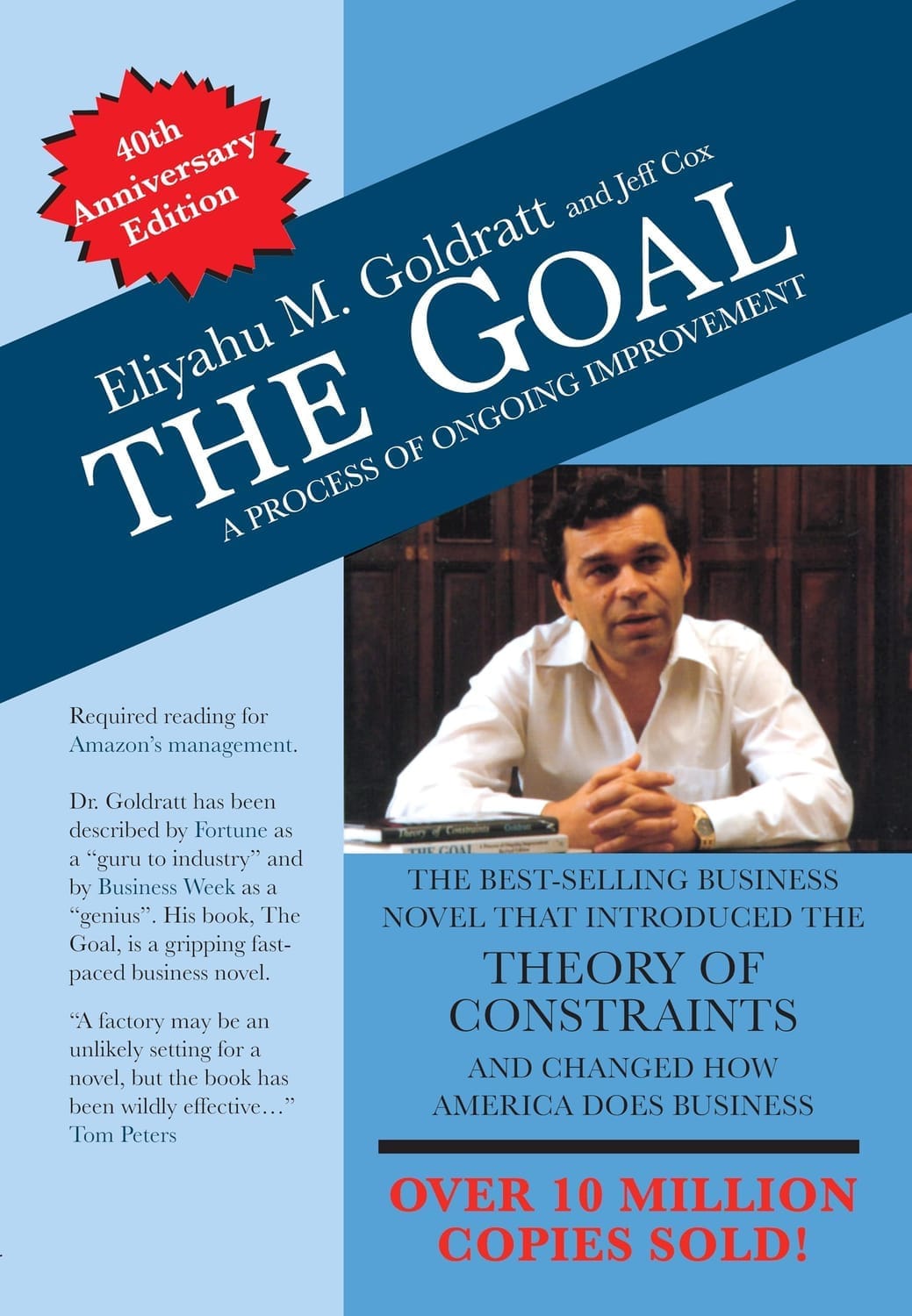
The Goal
A powerful business novel that teaches you how to identify bottlenecks, improve productivity, and focus on what truly drives results.

The Millionaire Booklet
A practical wake-up call about money, ambition, and the mindset required to escape financial struggle and pursue wealth seriously.
The One Thing
Learn how focusing on the most important task can dramatically improve your productivity, results, and quality of life.
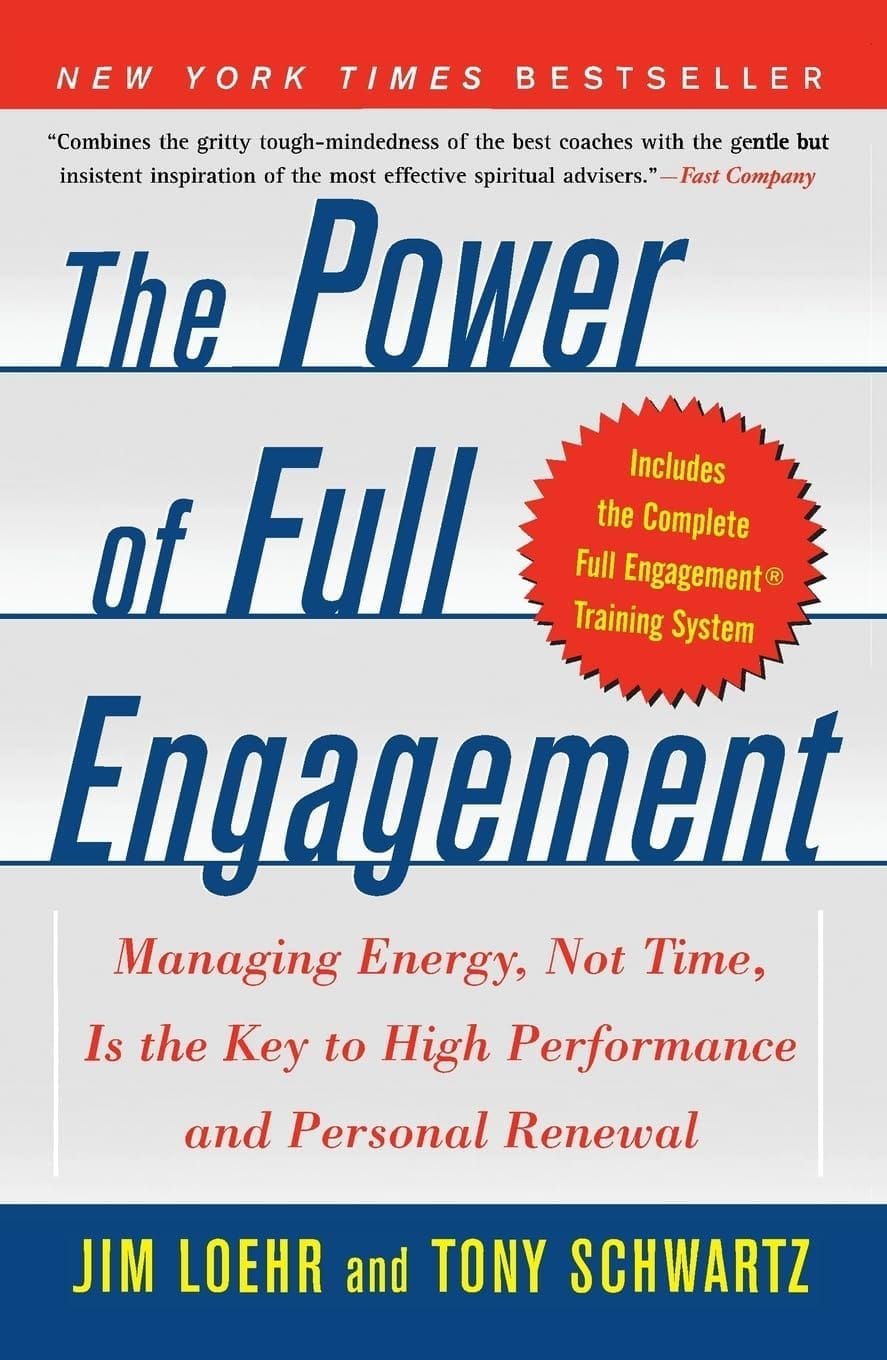
The Power of Full Engagement
Success isn’t just about managing time — it’s about managing your physical, emotional, mental, and spiritual energy effectively.
Richest Man In Babylon
Simple, timeless financial principles about saving, investing, discipline, and building long-term wealth.

The Strangest Secret
You become what you think about most. Learn how your thoughts shape your success, habits, and future.

The Way to Wealth
Classic lessons on hard work, discipline, frugality, and wise financial stewardship that remain relevant centuries later.

7 Spiritual Laws of Success
Discover spiritual principles that blend purpose, abundance, alignment, and inner peace with external success.

A Message to Garcia
A timeless lesson on initiative, responsibility, reliability, and becoming the kind of person who gets things done without excuses.

Great by Choice
Learn how exceptional companies succeed even in uncertainty through discipline, preparation, and consistent execution.
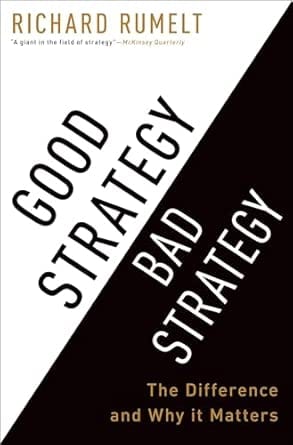
Good Strategy / Bad Strategy
Discover the difference between vague goals and real strategy — and learn how to focus your efforts where they matter most.

Think and Grow Rich
One of the most influential success books ever written — teaching the power of desire, faith, persistence, and focused action.

The Mental Equivalent
Learn how to create the mental and emotional conditions necessary to attract the life and outcomes you desire.

As a Man Thinketh
Your thoughts shape your character, habits, circumstances, and destiny. Master your mind and you transform your life.

The Game of Life
and How to Play It
A practical guide to spiritual laws, affirmations, faith, and aligning your thoughts and words with the life you want to create.

Dollar Success Club
A full system that shows you, step-by-step, how to start a real online business—even if you’re working full-time, even if you’ve never done this before.