
How to Overcome Poor Decision-Making?
What Leads to Poor Decision-Making?
Poor decision-making often stems
from the following:
Incomplete Information: Acting without enough facts or understanding of the situation.
Emotions Over Logic: Letting fear, anger, or excitement cloud rational judgment.
Biases: Personal preferences, assumptions, or stereotypes influencing choices.
Pressure: Time constraints or external expectations pushing rushed decisions.
Overconfidence: Believing too strongly in one’s abilities or predictions.
Paralysis by Analysis: Overthinking and failing to act due to fear of making a mistake.
How to Recognize a Poor Decision
You know you've made a poor decision when:
Negative Outcomes: The decision leads to unintended or harmful consequences.
Regret or Doubt: You constantly second-guess the choice after making it.
Feedback: Trusted peers or stakeholders express concerns about the results.
Unaligned Results: The outcome doesn’t align with your goals or values.
Recurring Problems: The decision creates ongoing issues or requires constant damage control.
Recovering After Poor Decisions
Acknowledge the Mistake: Take responsibility and avoid denial or blame-shifting.
Analyze What Went Wrong: Identify the specific factors that led to the poor decision.
Seek Feedback: Consult trusted peers or mentors for advice on rectifying the situation.
Mitigate the Damage: Take immediate steps to minimize the impact of the decision.
Learn and Adjust: Use the experience as a lesson to improve future decision-making.
Communicate Transparently: If others are affected, explain your reasoning and outline corrective actions.
Is There a Model for Good Decision-Making?
Yes, several models can guide effective decision-making.
One of the most widely used is the Rational Decision-Making Model, which involves:
Define the Problem: Clearly state the issue or goal.
Gather Information: Collect all relevant data and insights.
Identify Options: Brainstorm possible solutions or paths forward.
Evaluate Alternatives: Assess each option based on criteria like cost, time, and feasibility.
Make the Decision: Choose the option that best meets the criteria.
Implement the Decision: Take action and monitor progress.
Review the Outcome: Analyze whether the decision achieved the desired results.
When a Model Fails:
Sometimes, even when you follow a decision-making model,
the outcome may be undesirable. This could be due to:
Unpredictable Variables: Factors beyond your control, like market shifts or weather.
Incomplete Data: Missing critical information at the time of the decision.
External Influences: Unexpected reactions from stakeholders or competitors.
How to Respond:
Reassess the Situation: Identify what went wrong and why.
Adapt and Pivot: Use the new information to adjust your approach.
Learn Resilience: Understand that not all outcomes reflect poor decision-making; sometimes, they’re learning opportunities.
Additional Tips for Good Decision-Making
Incorporate Diverse Perspectives: Seek input from others to counter personal biases.
Practice Decision-Making: Start with smaller, low-risk decisions to build confidence.
Use Decision-Making Tools: Frameworks like SWOT analysis or pros-and-cons lists can provide clarity.
Develop Emotional Intelligence: Managing emotions can help you remain rational under pressure.
Embrace Uncertainty: Accept that no decision is foolproof and prepare for contingencies.
Key Takeaways
Poor decisions often result from incomplete data,
emotional influence, or bias.
Recognizing poor decisions early allows for faster recovery.
Structured models can guide good decisions,
but external factors may still impact outcomes.
Recovery involves accountability, analysis,
and a willingness to learn and adapt.
Decision-making is both an art and a science.
Even with preparation, not all outcomes will be ideal,
but resilience and adaptability are key to long-term success.
Joined Dollar Success Club?
This is a community for people who want to:
• Start an online business
• Build multiple income streams
• Learn marketing and sales
• Turn ideas into profitable systems
Join the community here:
https://www.successclub.co.za/dollar
What You Miss By Not Joining Dollar Success Club...
Free practical action-based workbooks designed to help you apply powerful success principles immediately.
Topics include:
Mindset, Wealth, Discipline, Spirituality, Productivity, Purpose, Relationships, and so much more...
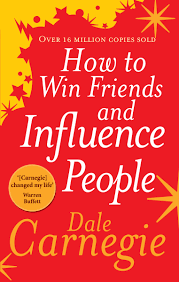
How to Win Friends and Influence People
Learn the timeless people skills that open doors, build influence, strengthen relationships, and help you succeed in business and life without manipulation or force.
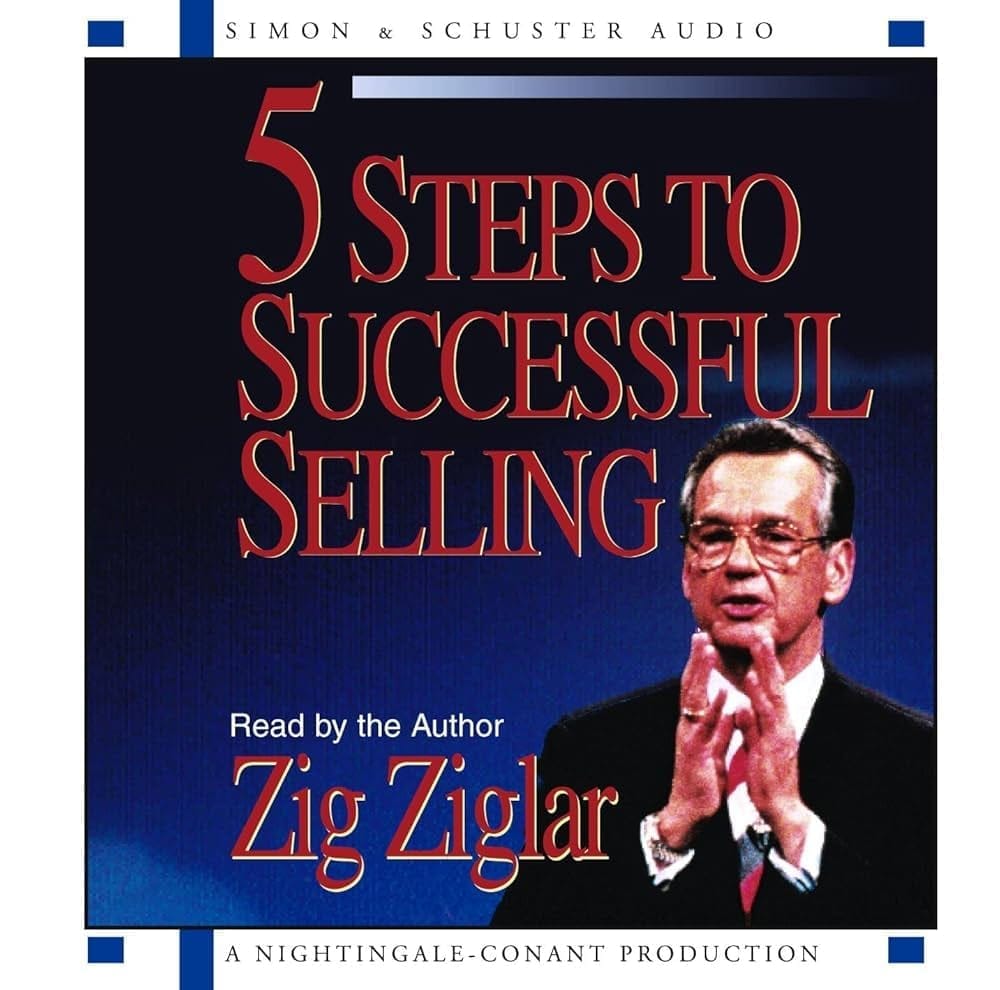
Five Steps to Successful Selling
Master the foundations of persuasion, confidence, and ethical selling so you can close more deals, grow your income, and serve customers more effectively.

Acres of Diamonds
Discover how the opportunities you’ve been searching for may already exist right where you are — hidden in your skills, experiences, and environment.
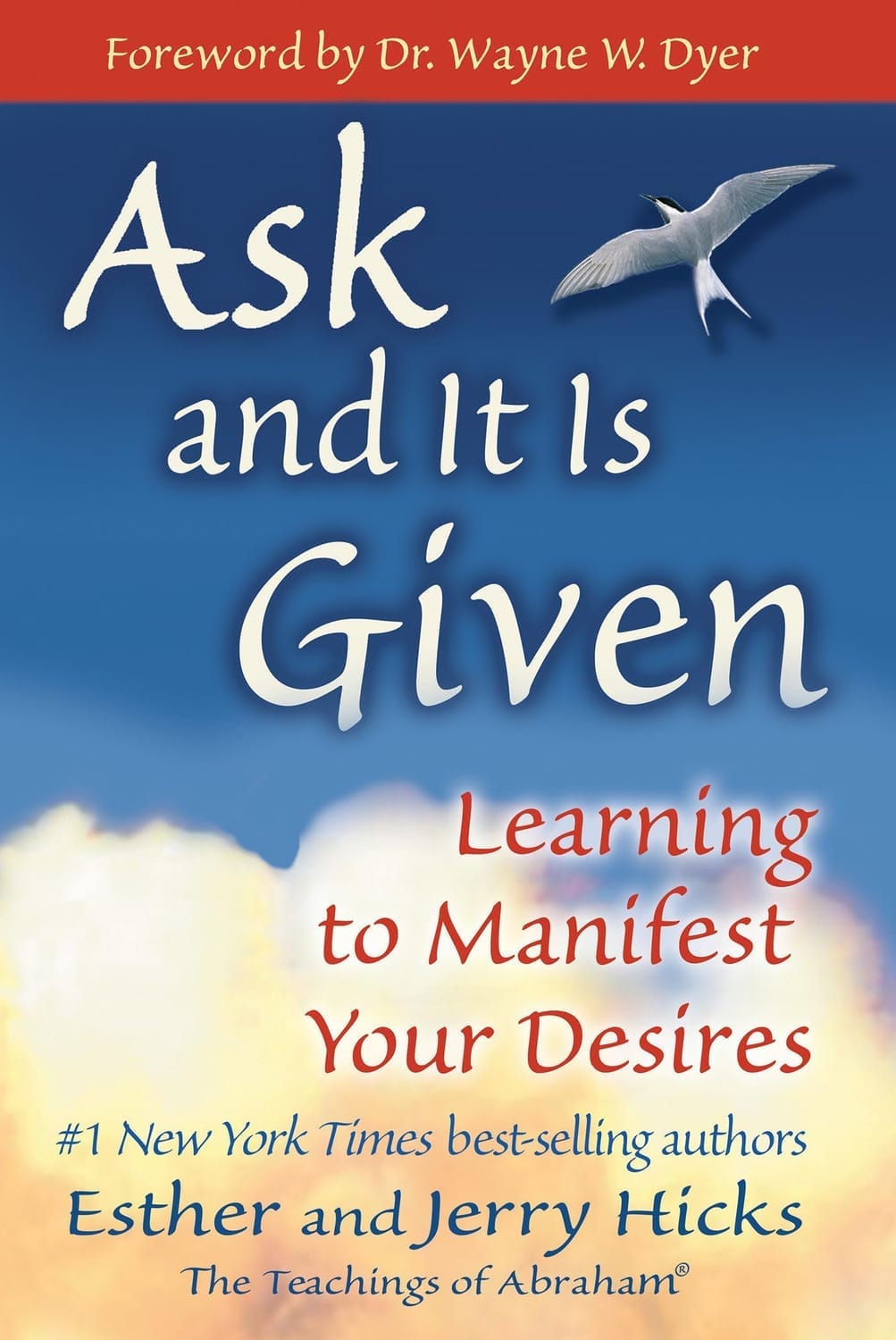
Ask and It Is Given
Learn how your thoughts, emotions, and expectations shape your reality — and how to deliberately attract better outcomes into your life.

Awaken the Giant Within
Take control of your mindset, emotions, finances, and habits so you can unlock the power and potential already inside you.

Book of Proverbs
Timeless wisdom on discipline, money, relationships, leadership, and decision-making — practical success principles that still apply today.
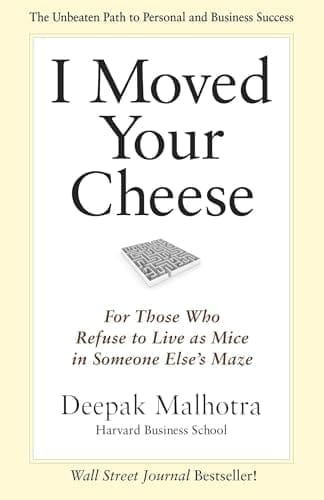
I Moved Your Cheese
A simple but powerful lesson on challenging paradigms, overcoming fear, and rethinking the status quo in an ever-changing world.

Peaks and Valleys
Learn how to navigate life’s highs and lows wisely — and how difficult seasons can become stepping stones to greater success.

Secrets of the Millionaire Mind
Discover the hidden money beliefs shaping your financial life — and how to reprogram your mindset for wealth and abundance.

Switch
Understand why change is difficult — and learn practical strategies to successfully change habits, behaviors, and results.
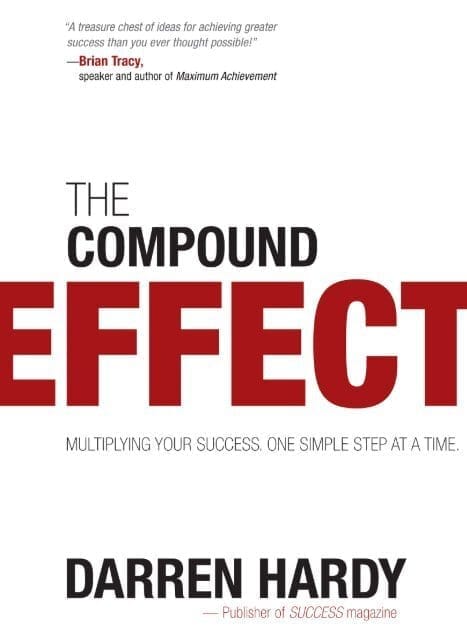
The Compound Effect
Small daily actions may seem insignificant, but over time they create extraordinary results in wealth, health, and success.

The Four Agreements
Four simple but life-changing principles to help you experience greater peace, freedom, confidence, and healthier relationships.
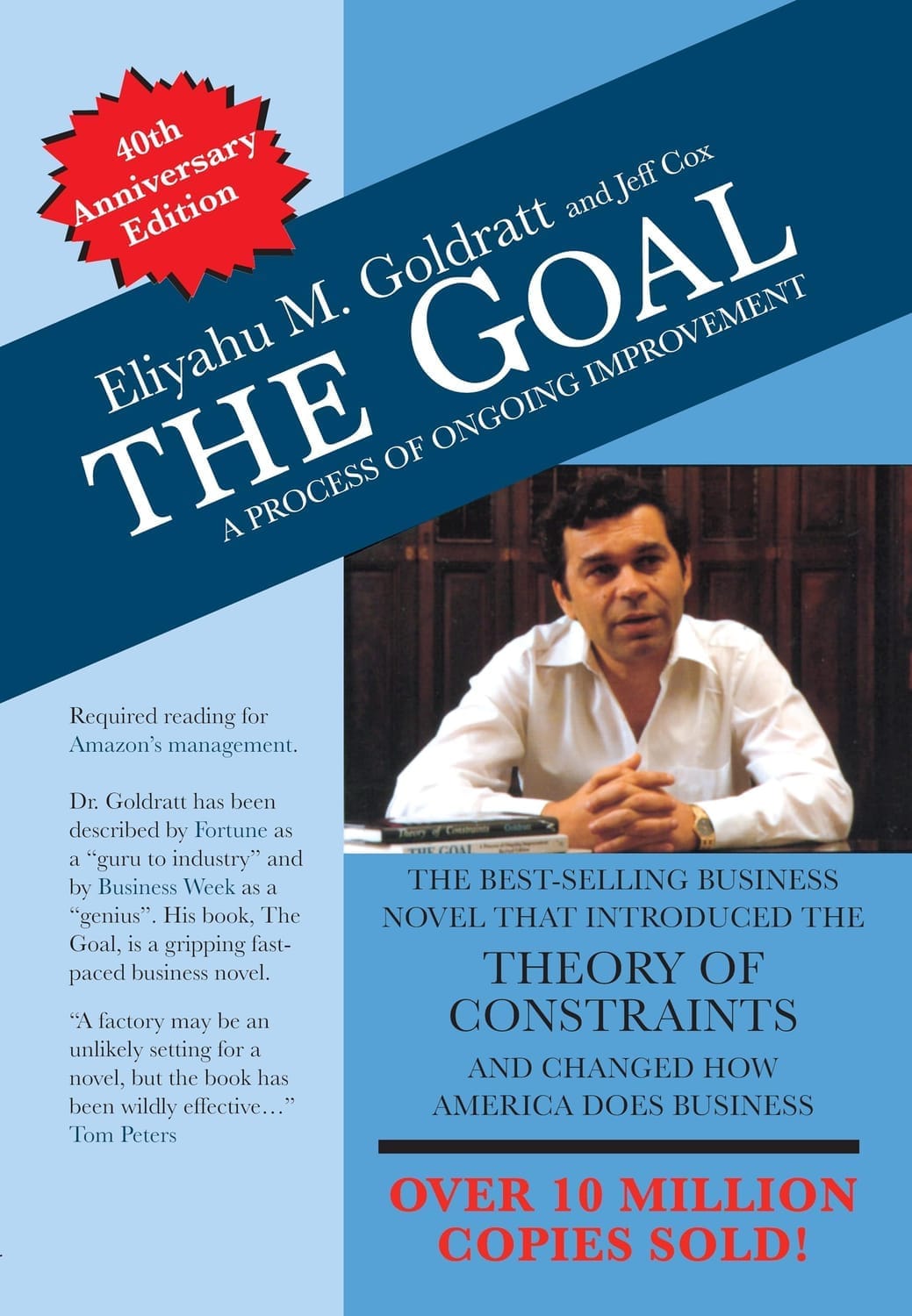
The Goal
A powerful business novel that teaches you how to identify bottlenecks, improve productivity, and focus on what truly drives results.
The Millionaire Booklet
A practical wake-up call about money, ambition, and the mindset required to escape financial struggle and pursue wealth seriously.

The One Thing
Learn how focusing on the most important task can dramatically improve your productivity, results, and quality of life.
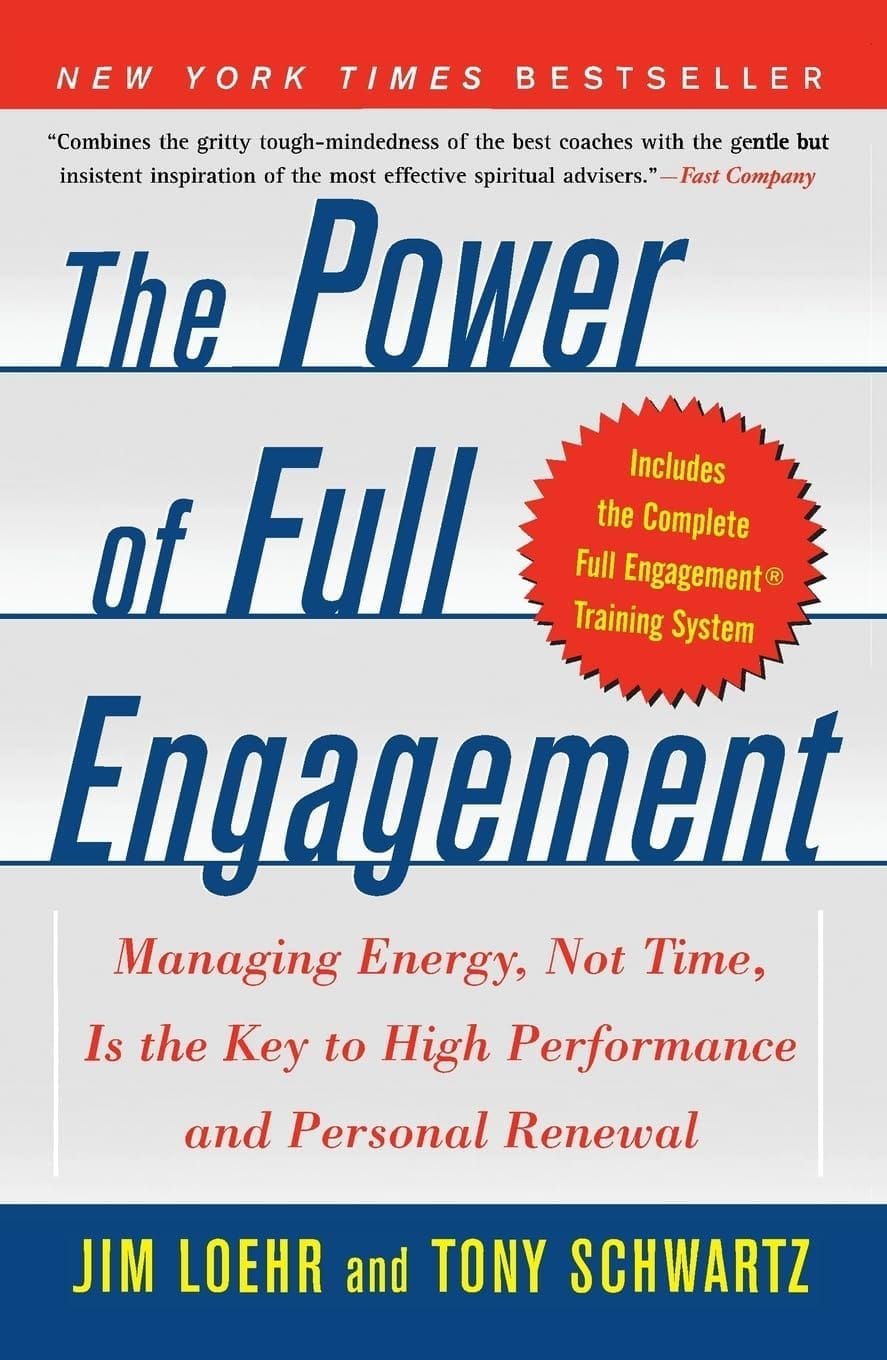
The Power of Full Engagement
Success isn’t just about managing time — it’s about managing your physical, emotional, mental, and spiritual energy effectively.
Richest Man In Babylon
Simple, timeless financial principles about saving, investing, discipline, and building long-term wealth.

The Strangest Secret
You become what you think about most. Learn how your thoughts shape your success, habits, and future.
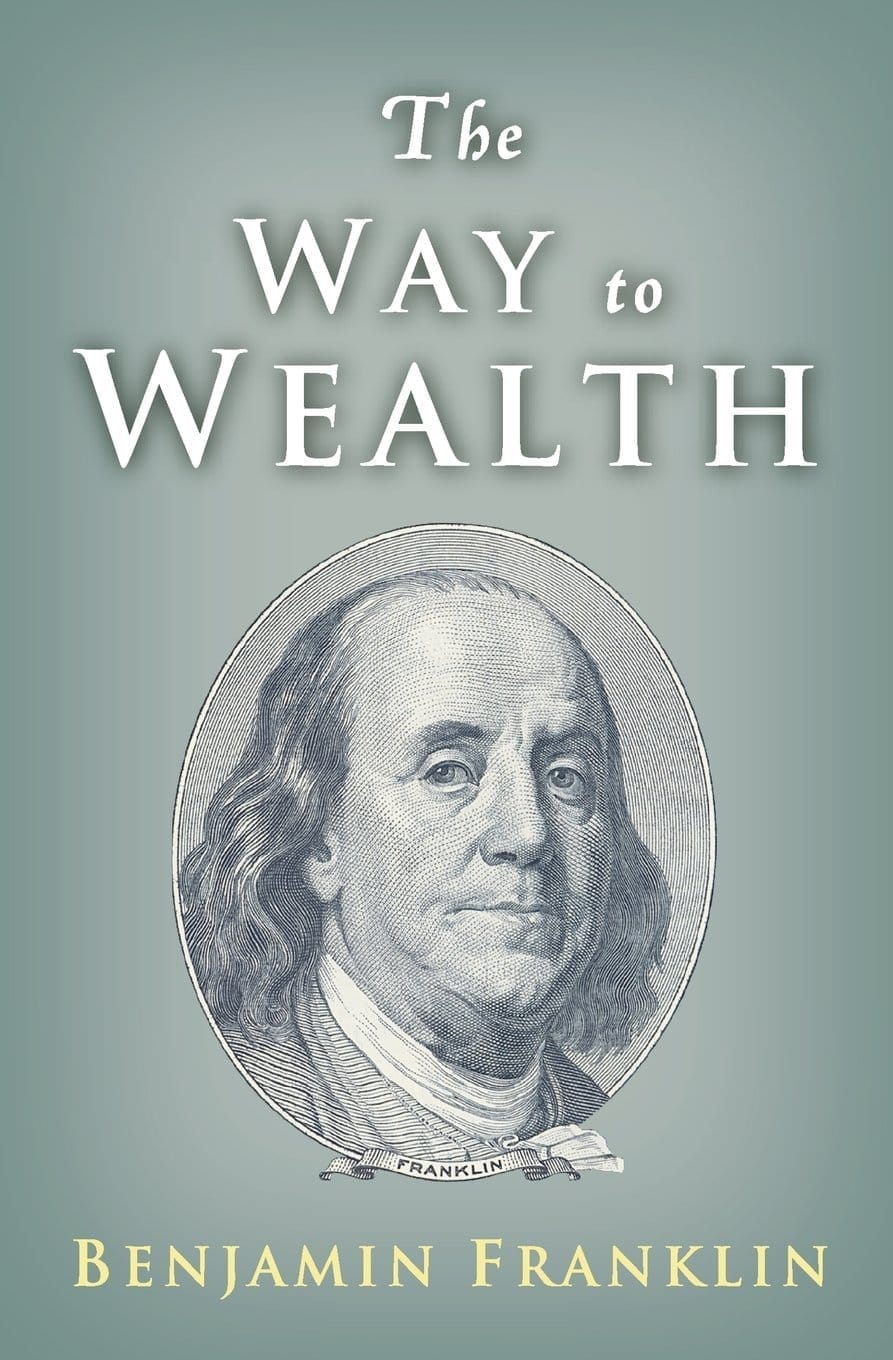
The Way to Wealth
Classic lessons on hard work, discipline, frugality, and wise financial stewardship that remain relevant centuries later.

7 Spiritual Laws of Success
Discover spiritual principles that blend purpose, abundance, alignment, and inner peace with external success.

A Message to Garcia
A timeless lesson on initiative, responsibility, reliability, and becoming the kind of person who gets things done without excuses.
Great by Choice
Learn how exceptional companies succeed even in uncertainty through discipline, preparation, and consistent execution.
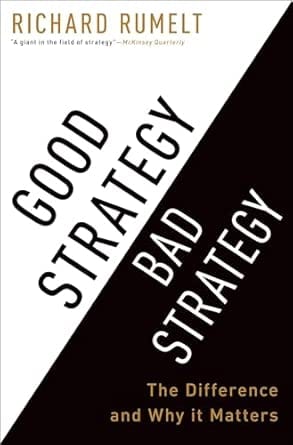
Good Strategy / Bad Strategy
Discover the difference between vague goals and real strategy — and learn how to focus your efforts where they matter most.

Think and Grow Rich
One of the most influential success books ever written — teaching the power of desire, faith, persistence, and focused action.
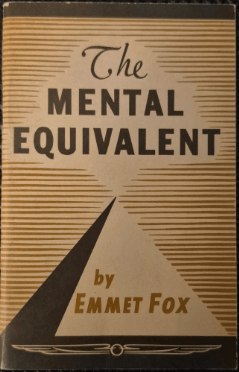
The Mental Equivalent
Learn how to create the mental and emotional conditions necessary to attract the life and outcomes you desire.

As a Man Thinketh
Your thoughts shape your character, habits, circumstances, and destiny. Master your mind and you transform your life.

The Game of Life
and How to Play It
A practical guide to spiritual laws, affirmations, faith, and aligning your thoughts and words with the life you want to create.

Dollar Success Club
A full system that shows you, step-by-step, how to start a real online business—even if you’re working full-time, even if you’ve never done this before.