
How to Start a Recruitment Business
Starting a recruitment business in South Africa can be both profitable and rewarding, as companies are always on the lookout for talented employees, and candidates need help navigating the job market. With the right approach, a recruitment agency can serve as the bridge between employers looking for top talent and job seekers aiming to find their ideal roles. This business involves matching qualified candidates with companies that are hiring, earning you a fee or commission for successful placements.
Here’s a detailed guide on how to start a recruitment business in South Africa.
Business Concept: How It Works
A recruitment business connects job seekers with employers. Your role is to source, screen, and place candidates in positions within companies. You may focus on temporary staffing, permanent placements, or specialized industries (e.g., IT, healthcare, or engineering).
Who you're serving:
• Employers: Businesses looking to fill roles with skilled, qualified candidates.
• Job seekers: Individuals searching for full-time, part-time, or temporary work.
What you're selling:
• Recruitment services: Matching qualified candidates with employer job openings.
• Headhunting: Sourcing highly skilled professionals or executives for senior positions.
• Temporary staffing: Providing short-term workers for companies with fluctuating staffing needs.
• Recruitment consulting: Offering advice on hiring strategies, talent acquisition, and workforce planning.
Purpose: Why Start This Kind of Business?
There are several reasons why starting a recruitment business makes sense:
• High demand: Companies across industries regularly need new staff, from entry-level to executive roles, especially as South Africa’s economy recovers and industries expand.
• Financially rewarding: Recruitment agencies earn commissions for successful placements, often a percentage of the employee’s first-year salary. This means you can earn significant income, especially for higher-level positions.
• Helping people: You get to help job seekers find employment, giving you the personal satisfaction of making a difference in their lives.
• Low overheads: Compared to other businesses, starting a recruitment agency requires minimal equipment and upfront costs, especially if you begin as a sole operator.
How to Determine If There’s a Need for This Service
Before you launch, assess whether there’s a demand for recruitment services in your target market:
• Research industry growth: Look at industries experiencing growth in South Africa, such as IT, healthcare, renewable energy, or construction. These industries are likely to have a high demand for recruitment services.
• Talk to businesses: Engage with companies in your network or local business community. Find out whether they have challenges filling roles and whether they would consider using a recruitment agency.
• Look at job postings: Browse job boards like CareerJunction or Indeed to see how many companies are hiring in your chosen niche. High job postings indicate a demand for recruitment services.
Different Variations of a Recruitment Business
There are several ways to structure your recruitment business, depending on your strengths and the needs of the market:
1. General recruitment agency: Work across multiple industries, helping businesses find employees for various roles.
2. Niche recruitment agency: Specialize in specific industries, such as IT, healthcare, engineering, or finance, where expertise in finding specialized talent is needed.
3. Temporary staffing: Provide temporary or contract workers to businesses that have short-term staffing needs.
4. Executive search (headhunting): Focus on sourcing and placing senior-level executives in leadership roles. Headhunting typically involves more in-depth sourcing and screening processes.
5. Freelance/remote recruitment: Operate a smaller, home-based business and focus on remote or freelance roles for businesses looking for flexible staffing solutions.
Best Location to Operate This Business
A recruitment business can be highly flexible in terms of location:
• Home office: Since most recruitment work can be done online or over the phone, many recruitment agencies operate from home, especially when starting out. This keeps costs low.
• Co-working space: If you want a professional environment without the overhead of an office, you could work from a co-working space where you can meet clients or interview candidates.
• Online/remote work: Recruitment is increasingly done online, especially for sourcing candidates through job boards and LinkedIn. A strong online presence and digital tools are essential.
Capital Requirements
Starting a recruitment business doesn’t require significant capital, but there are key expenses you should plan for:
• Business registration and licensing: You’ll need to register your business with the CIPC and get the necessary licenses, costing around R1,000 to R2,000.
• Office setup: If you’re working from home, you’ll need a computer, phone, and reliable internet connection. This may cost around R10,000 to R20,000 if you need to purchase equipment.
• Job board subscriptions: Accessing job boards like PNet, CareerJunction, or LinkedIn Recruiter requires a subscription, which could cost between R2,000 to R5,000 per month.
• Marketing and branding: Setting up a website, creating a logo, and running initial ads will cost around R5,000 to R15,000.
In total, expect to spend around R20,000 to R50,000 to launch your recruitment business, depending on the tools and services you invest in.
How to Start Part-Time and Grow Into Full-Time
Starting a recruitment business part-time is a viable option, allowing you to grow the business while maintaining another job:
• Start part-time: Begin by working with a small number of clients or focusing on a niche. Handle placements during evenings or weekends, and gradually build up your client base.
• Grow full-time: As you place more candidates and earn higher commissions, you can transition into full-time recruitment. Eventually, you can hire staff to assist with sourcing candidates and managing clients.
How Much Money Can You Expect to Make?
Recruitment businesses can be highly profitable, especially with the right niche and clientele:
• Placement fees: Recruitment agencies typically charge 15% to 20% of the candidate’s annual salary as a placement fee. For example, if you place a candidate with a salary of R300,000, you could earn R45,000 to R60,000 from that placement.
• Temporary staffing: You can charge companies a markup on hourly wages for temporary staff, which can bring in steady income, especially for long-term contracts.
• Annual earnings: A well-established recruitment agency could earn anywhere from R300,000 to R2 million per year, depending on the number of placements and the industry focus.
Equipment, Tools, and Resources for Success
To run a successful recruitment business, you’ll need:
• Job board subscriptions: Platforms like CareerJunction, PNet, or Indeed for posting jobs and finding candidates.
• Applicant tracking system (ATS): Tools like Zoho Recruit or Breezy HR to manage candidate profiles, track applications, and streamline hiring processes.
• Website and social media: A professional website where companies can post job openings and candidates can submit resumes. Active social media accounts on LinkedIn and Facebook are key for building a brand.
• Phone and video conferencing tools: Since interviews are often conducted remotely, tools like Zoom or Microsoft Teams are essential.
Employees, Insurance, and Legislative Issues
You may not need employees right away, but as your business grows, you’ll need extra help:
• Recruitment consultants: Hiring experienced recruiters to help source candidates and manage client relationships can allow you to scale your business.
• Administrative assistants: To manage paperwork, scheduling, and day-to-day operations.
Insurance: You should get professional indemnity insurance to protect your business in case of disputes or legal claims. For example, if a client sues you for poor candidate placement, insurance can cover the legal fees.
Legislation: You’ll need to comply with labor laws, including the Labour Relations Act and Employment Services Act. Additionally, the POPIA (Protection of Personal Information Act) requires that you handle candidates’ data responsibly.
Potential Obstacles to Look Out For
1. Finding clients: It can be challenging to land your first few clients, especially in a competitive industry. Networking, marketing, and offering competitive rates are essential.
2. High competition: The recruitment industry is competitive, with many established agencies. Specializing in a niche market can help you stand out.
3. Inconsistent income: Since your earnings are commission-based, income can fluctuate. It’s important to have a financial buffer in case placements take longer than expected.
4. Candidate reliability: Ensuring the candidates you place are a good fit for the company is crucial. A bad placement can damage your reputation and lead to legal challenges.
Future Expansion Opportunities
Once your recruitment business is up and running, you can expand in several ways:
• Specialize in high-demand industries: Focus on sectors like IT, engineering, healthcare, or finance, where skilled workers are always in demand.
• Temporary staffing: Expand into providing temp staff for businesses, especially in sectors with seasonal work or fluctuating demand.
• Franchise: If your business is successful, consider franchising or opening additional branches in different cities.
• International placements: As your business grows, you may be able to expand into international recruitment, placing candidates in jobs overseas.
Skills, Training, and Leadership Traits Business Owners Must Possess
To succeed in recruitment, you’ll need:
• Networking skills: Recruitment is all about building relationships with clients and candidates. You need to network effectively and establish trust in both communities.
• Negotiation skills: Strong negotiation skills are essential when discussing salaries, placement fees, and contract terms.
• Market knowledge: A deep understanding of the industry and the job market in your niche will set you apart from the competition.
• Communication: Clear and effective communication with clients and candidates ensures that you meet their expectations.
• Leadership: If you grow your business, leadership skills will help you manage a team and drive growth.
How to Price Products and Services
Pricing in the recruitment business is typically commission-based:
• Placement fees: Agencies charge 15% to 20% of the placed candidate’s first-year salary. For senior or executive placements, fees can go up to 30%.
• Temporary staffing rates: Charge an hourly rate markup, usually 10% to 20% above the employee’s hourly wage. This allows you to cover recruitment and administrative costs while earning a profit.
• Flat fees: For certain services like resume reviews or recruitment consulting, charge a flat fee. For example, R3,000 to R10,000 depending on the scope of work.
How to Stand Out from the Competition
To stand out in a competitive recruitment market:
• Focus on a niche: Specializing in industries like IT, healthcare, or finance allows you to become an expert in a high-demand area.
• Offer value-added services: Provide additional services like candidate training, resume building, or recruitment consulting to add value to your clients.
• Build a strong online presence: Ensure you have an active website and social media presence, showcasing your job listings, success stories, and industry insights.
• Deliver exceptional service: Go beyond just filling positions—offer personalized attention, quick turnaround times, and follow-up support to ensure both clients and candidates are satisfied.
Marketing Avenues to Attract Customers
Marketing is essential for both finding clients and attracting top candidates:
• Online job boards: Post job listings on platforms like CareerJunction, PNet, or Indeed to reach job seekers.
• LinkedIn: Build a professional LinkedIn profile and use it to connect with industry professionals and clients. Post job listings and share industry news to stay visible.
• Networking events: Attend industry conferences, job fairs, and business networking events to meet potential clients and candidates.
• Social media: Use Facebook, Instagram, and Twitter to engage with potential candidates and clients by posting job openings, success stories, and recruitment tips.
• Referrals: Offer incentives for successful referrals from both clients and candidates to expand your network.
Starting a recruitment business in South Africa is a great way to tap into the job market and help both companies and job seekers meet their needs. With the right strategy, niche focus, and effective marketing, you can build a successful business that grows steadily and provides long-term financial rewards.
Joined Dollar Success Club?
This is a community for people who want to:
• Start an online business
• Build multiple income streams
• Learn marketing and sales
• Turn ideas into profitable systems
Join the community here:
https://www.successclub.co.za/dollar
What You Miss By Not Joining Dollar Success Club...
Free practical action-based workbooks designed to help you apply powerful success principles immediately.
Topics include:
Mindset, Wealth, Discipline, Spirituality, Productivity, Purpose, Relationships, and so much more...

How to Win Friends and Influence People
Learn the timeless people skills that open doors, build influence, strengthen relationships, and help you succeed in business and life without manipulation or force.

Five Steps to Successful Selling
Master the foundations of persuasion, confidence, and ethical selling so you can close more deals, grow your income, and serve customers more effectively.

Acres of Diamonds
Discover how the opportunities you’ve been searching for may already exist right where you are — hidden in your skills, experiences, and environment.

Ask and It Is Given
Learn how your thoughts, emotions, and expectations shape your reality — and how to deliberately attract better outcomes into your life.

Awaken the Giant Within
Take control of your mindset, emotions, finances, and habits so you can unlock the power and potential already inside you.

Book of Proverbs
Timeless wisdom on discipline, money, relationships, leadership, and decision-making — practical success principles that still apply today.

I Moved Your Cheese
A simple but powerful lesson on challenging paradigms, overcoming fear, and rethinking the status quo in an ever-changing world.

Peaks and Valleys
Learn how to navigate life’s highs and lows wisely — and how difficult seasons can become stepping stones to greater success.

Secrets of the Millionaire Mind
Discover the hidden money beliefs shaping your financial life — and how to reprogram your mindset for wealth and abundance.

Switch
Understand why change is difficult — and learn practical strategies to successfully change habits, behaviors, and results.

The Compound Effect
Small daily actions may seem insignificant, but over time they create extraordinary results in wealth, health, and success.

The Four Agreements
Four simple but life-changing principles to help you experience greater peace, freedom, confidence, and healthier relationships.
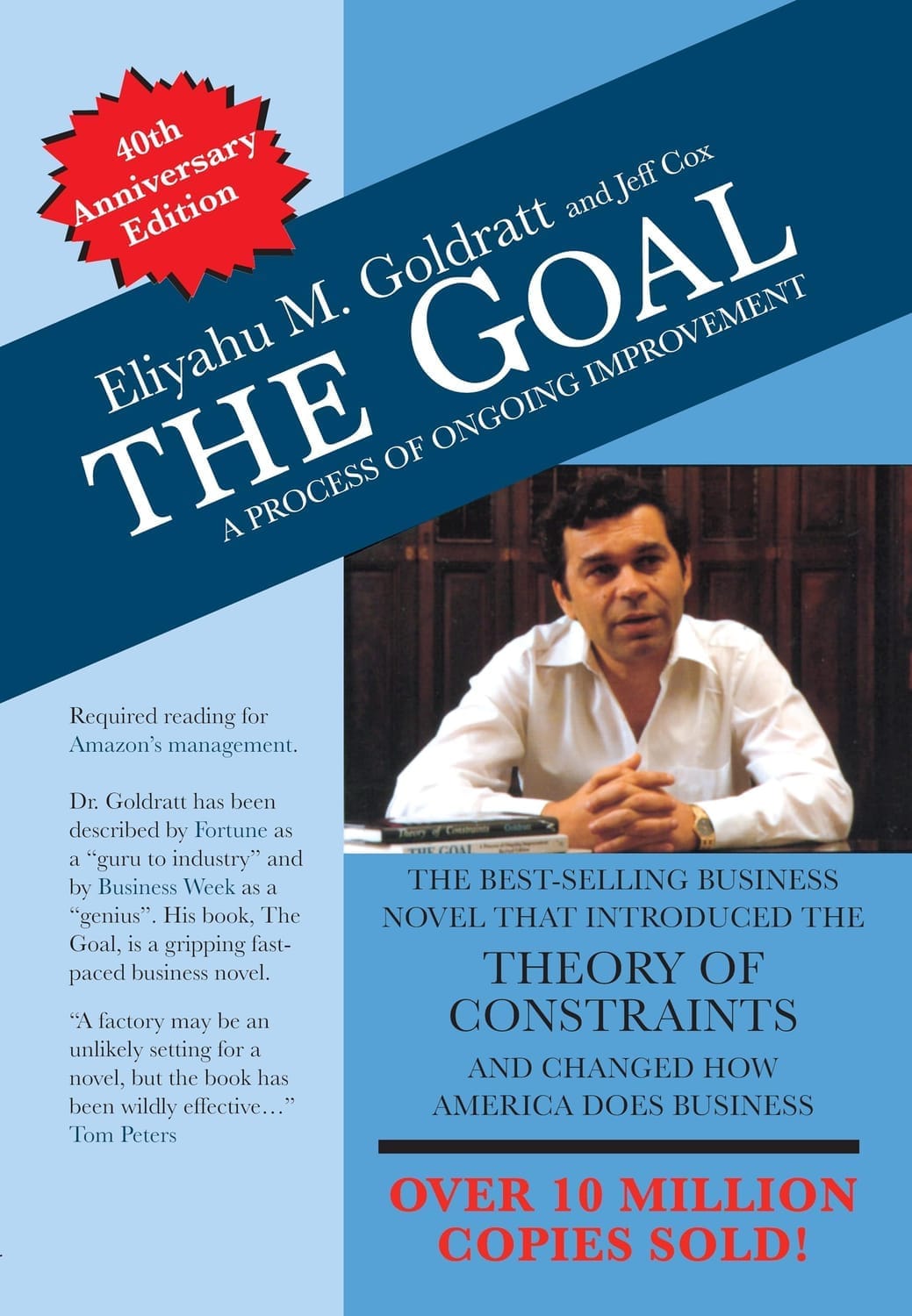
The Goal
A powerful business novel that teaches you how to identify bottlenecks, improve productivity, and focus on what truly drives results.

The Millionaire Booklet
A practical wake-up call about money, ambition, and the mindset required to escape financial struggle and pursue wealth seriously.

The One Thing
Learn how focusing on the most important task can dramatically improve your productivity, results, and quality of life.
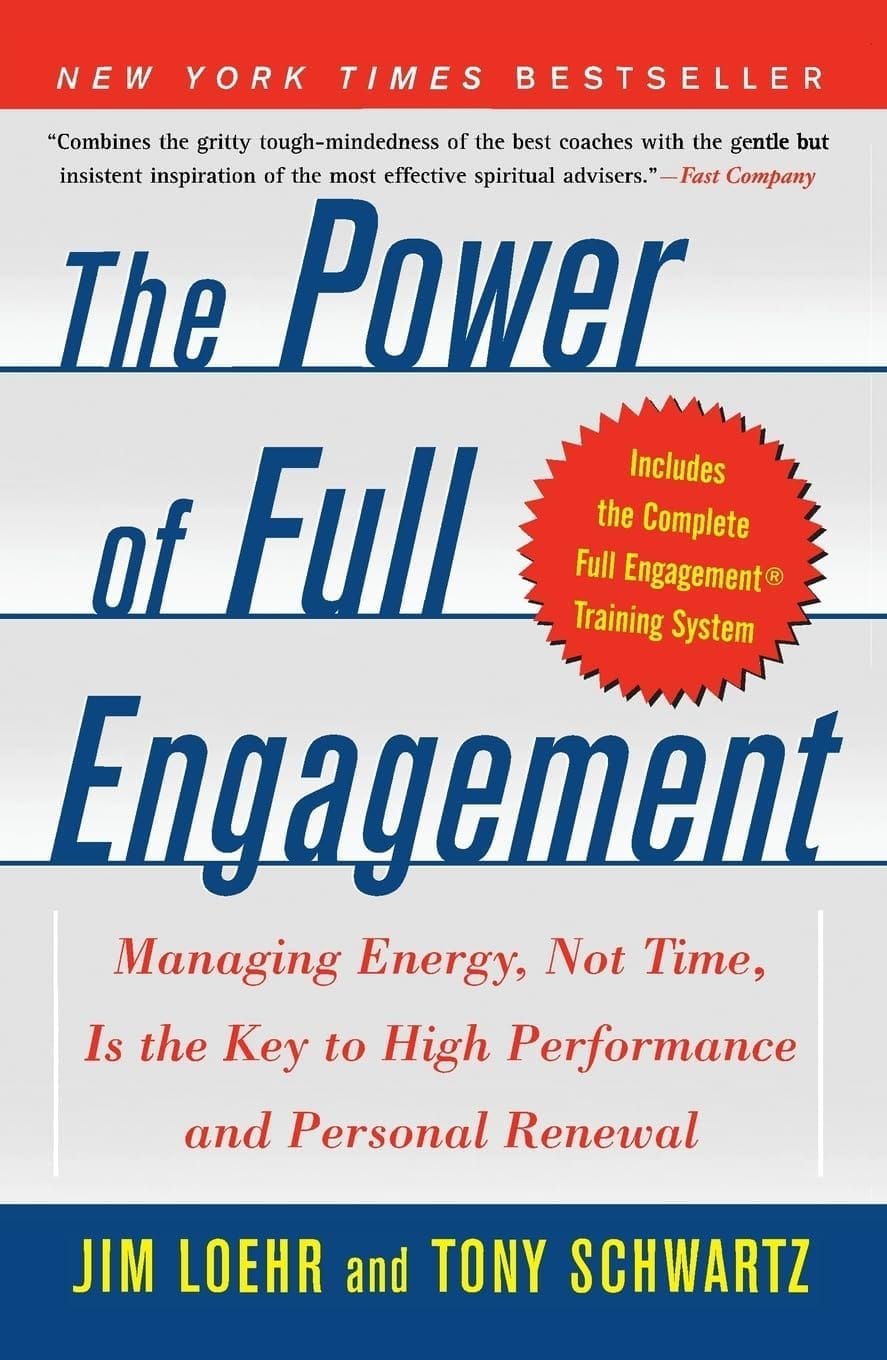
The Power of Full Engagement
Success isn’t just about managing time — it’s about managing your physical, emotional, mental, and spiritual energy effectively.
Richest Man In Babylon
Simple, timeless financial principles about saving, investing, discipline, and building long-term wealth.

The Strangest Secret
You become what you think about most. Learn how your thoughts shape your success, habits, and future.

The Way to Wealth
Classic lessons on hard work, discipline, frugality, and wise financial stewardship that remain relevant centuries later.

7 Spiritual Laws of Success
Discover spiritual principles that blend purpose, abundance, alignment, and inner peace with external success.

A Message to Garcia
A timeless lesson on initiative, responsibility, reliability, and becoming the kind of person who gets things done without excuses.
Great by Choice
Learn how exceptional companies succeed even in uncertainty through discipline, preparation, and consistent execution.
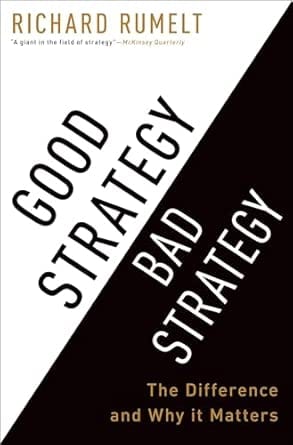
Good Strategy / Bad Strategy
Discover the difference between vague goals and real strategy — and learn how to focus your efforts where they matter most.

Think and Grow Rich
One of the most influential success books ever written — teaching the power of desire, faith, persistence, and focused action.

The Mental Equivalent
Learn how to create the mental and emotional conditions necessary to attract the life and outcomes you desire.

As a Man Thinketh
Your thoughts shape your character, habits, circumstances, and destiny. Master your mind and you transform your life.

The Game of Life
and How to Play It
A practical guide to spiritual laws, affirmations, faith, and aligning your thoughts and words with the life you want to create.

Dollar Success Club
A full system that shows you, step-by-step, how to start a real online business—even if you’re working full-time, even if you’ve never done this before.