How to Start a Personal Training Business
Starting a personal training business in South Africa can be a highly rewarding venture if you’re passionate about health, fitness, and helping others achieve their fitness goals. With fitness trends on the rise and people increasingly aware of the importance of health, there’s a growing demand for personal trainers to provide guidance, motivation, and structured workout plans.
Here’s a comprehensive guide to help you start a personal training business in South Africa.
Business Concept: How It Works
A personal training business revolves around working with individuals or small groups to improve their fitness levels, lose weight, build strength, or achieve specific health and fitness goals. You’ll design personalized workout plans, coach clients through exercise routines, and offer guidance on nutrition and lifestyle habits.
Who you're serving:
• Individuals: People who want one-on-one attention to improve their fitness, lose weight, or prepare for events (like marathons or competitions).
• Groups: Small groups who want to train together, often at a reduced cost per person.
• Specialized clients: Older adults, people with specific health conditions, or athletes needing tailored fitness programs.
What you're selling:
• Customized fitness programs
• One-on-one personal training sessions
• Group fitness classes
• Nutritional guidance and lifestyle coaching
• Online or virtual personal training
Purpose: Why Start This Kind of Business?
There are several great reasons to start a personal training business:
• Growing demand for fitness services: As people become more health-conscious, there’s a rising demand for personalized fitness plans and guidance.
• Flexible hours: You can set your schedule, making this business adaptable to your lifestyle.
• Low startup costs: Compared to opening a gym, personal training requires minimal equipment and space, making it cost-effective.
• Personal fulfillment: Helping people achieve their fitness goals can be incredibly rewarding and offers a sense of accomplishment.
How to Determine If There’s a Need for This Service
Before launching your personal training business, it’s essential to assess demand in your area:
• Talk to people: Ask friends, family, and local community members about their fitness habits. Would they hire a personal trainer? What kind of services do they value?
• Check local gyms: Are gyms or fitness classes in your area busy? This is a good indicator that people are invested in their health and fitness.
• Explore trends: In more urban or suburban areas, personal training is often in demand. You can also use tools like Google Trends or social media to see if people are searching for personal trainers in your area.
Different Variations
of a Personal Training Business
Personal training can take many forms, allowing you to specialize based on your interests and skills:
1. One-on-one personal training: The traditional approach, where you work with clients individually to create tailored workout plans.
2. Group fitness training: Lead small group sessions, offering a more affordable option for clients while increasing your earnings per session.
3. Online/Virtual personal training: Offer coaching and workout plans via Zoom, WhatsApp, or fitness apps to clients who prefer training remotely.
4. Sports-specific training: Focus on training athletes or sports enthusiasts to improve performance in a particular sport (e.g., rugby, football, or running).
5. Niche personal training: Specialize in specific populations like prenatal/postnatal fitness, elderly clients, or people with disabilities or chronic health conditions.
Best Location to Operate This Business
You can be flexible with where you train clients:
• In-home training: Train clients in their homes with portable equipment, which is convenient for clients and minimizes your overhead costs.
• Gyms or fitness centers: You can partner with local gyms to train clients at their facilities, either as an employee or renting space for a fee.
• Outdoor parks: Take advantage of South Africa’s outdoor lifestyle by conducting training sessions in parks, especially for group fitness classes.
• Online/remote training: With the rise of virtual fitness coaching, you can operate entirely online, using video calls or fitness apps to train clients anywhere.
Capital Requirements
Starting a personal training business has relatively low startup costs compared to many other fitness businesses. Here’s what you’ll need to invest in:
• Certification and qualifications: Expect to spend around R10,000 to R30,000 on a certified personal training course from a recognized institution like HFPA, Trifocus Fitness Academy, or ETA.
• Basic fitness equipment: If you’re offering in-home or outdoor training, you’ll need portable equipment like resistance bands, dumbbells, kettlebells, and yoga mats. This can cost between R5,000 to R20,000 depending on the variety and quality.
• Marketing and branding: You’ll need a professional website, social media presence, and possibly business cards or flyers. Budget R5,000 to R15,000 for branding and digital marketing.
• Insurance: Personal trainers should have liability insurance in case of injuries or accidents. This will cost around R2,000 to R5,000 per year.
In total, expect to spend between R20,000 and R50,000 to get your personal training business off the ground.
How to Start Part-Time and Grow Into Full-Time
You can easily start part-time and transition to full-time as your client base grows:
• Start part-time: Offer training sessions in the mornings, evenings, or weekends while maintaining another job. This allows you to build your client base without risking your full-time income.
• Grow full-time: Once you’ve established a solid client base and are earning a steady income, you can transition into full-time personal training. At this stage, consider offering additional services like group classes or online coaching to expand your reach.
How Much Money Can You Expect to Make?
Your earnings as a personal trainer will depend on your location, pricing, and how many clients you serve:
• One-on-one sessions: Personal trainers typically charge between R200 and R600 per session, depending on their experience and client base.
• Group sessions: For group classes, you can charge R50 to R150 per person, with the potential to earn more by training multiple clients at once.
• Monthly income: If you train 10 clients twice a week at R400 per session, you could earn around R32,000 per month. Adding group classes or online training can increase this.
Once established, a successful personal trainer can earn anywhere from R20,000 to R80,000 per month, depending on the number of clients and services offered.
Equipment, Tools, and Resources for Success
To run a successful personal training business, you’ll need the following:
• Basic fitness equipment: Portable equipment like dumbbells, resistance bands, kettlebells, and skipping ropes.
• Fitness apps: Use apps like MyFitnessPal or Trainerize to create personalized workout plans and track client progress.
• Payment processing tools: Set up easy payment options through Yoco or SnapScan for clients to pay you directly after each session.
• Social media: Platforms like Instagram and Facebook are great for showcasing client transformations, workout tips, and motivational content.
Employees, Insurance, and Legislative Issues
While most personal trainers operate solo, you might want to consider the following as you grow:
• Hiring assistants: If your business grows, you could bring on assistant trainers or admin support to handle bookings and scheduling.
• Insurance: Liability insurance is essential to protect yourself in case a client gets injured during a session. Look for personal trainer-specific insurance in South Africa, which costs around R2,000 to R5,000 annually.
• Legislation: Register your business with the CIPC and comply with South African tax laws. You’ll also need to make sure your personal training certification is recognized by local fitness bodies like REPS SA (Register of Exercise Professionals South Africa).
Potential Obstacles to Look Out For
1. Inconsistent income: Building a client base can take time, and you may experience dips in income if clients cancel or during off-peak seasons.
2. Client retention: Keeping clients motivated and coming back for regular sessions can be challenging. Regular communication and personalized attention help build long-term relationships.
3. Competition: In urban areas, there may be many personal trainers vying for the same clients
. To stand out, focus on offering unique services, such as specialized training programs or additional value like nutrition advice.
Future Expansion Opportunities
As your personal training business grows, you can expand in several ways:
• Offer online coaching: Expand your reach by offering virtual training sessions to clients outside your immediate area.
• Develop fitness programs: Create and sell downloadable workout plans or video programs that clients can follow at their own pace.
• Group fitness classes: Lead small group sessions or boot camps, allowing you to work with more clients at once and increase your income.
• Franchise: If your brand becomes popular, you could consider franchising your services and expanding to different cities.
• Niche training: Specialize in areas like pre- and post-natal fitness, injury rehabilitation, or training for athletes, making you the go-to expert in a specific area.
Skills, Training, and Leadership Traits You Must Possess
To succeed as a personal trainer, you’ll need a mix of practical skills and personal qualities:
• Fitness knowledge: A deep understanding of exercise science, anatomy, and nutrition is crucial. Completing certifications from recognized institutions like HFPA or Trifocus will give you credibility.
• Motivational skills: You must inspire and motivate clients, helping them push through tough workouts and stay committed to their goals.
• Communication: Clear communication is key to ensuring clients understand the exercises, techniques, and the reasons behind your fitness plans.
• Leadership: You’ll need strong leadership skills to guide clients and possibly manage staff if you expand your business.
• Adaptability: Each client is unique, and you’ll need to adjust workout plans to fit different fitness levels, goals, and preferences.
How to Price Products and Services
Pricing is an important aspect of running a successful personal training business. Here’s how to approach it:
• Hourly rate: Personal trainers in South Africa typically charge between R200 and R600 per session, depending on experience and location. Consider offering package deals where clients can buy multiple sessions at a discount.
• Group classes: Charge R50 to R150 per person for group sessions. With 5 to 10 clients per class, you can earn more per session than with one-on-one training.
• Online coaching: For virtual sessions, charge a slightly lower rate, around R150 to R300 per session, or offer monthly packages for ongoing support.
Ensure your pricing reflects the value you provide while remaining competitive in your area.
How to Stand Out from the Competition
To succeed in the competitive personal training industry, you need to differentiate yourself:
• Specialize: Focus on a specific niche, like weight loss, bodybuilding, or post-injury recovery. Becoming an expert in a niche will help you attract clients seeking specialized guidance.
• Provide exceptional service: Offer more than just workout sessions. Include personalized nutrition advice, progress tracking, or even wellness coaching to add value.
• Showcase client success stories: Use before-and-after photos and testimonials from satisfied clients on your website and social media to build credibility.
• Focus on building relationships: Personal training is as much about people skills as it is about fitness knowledge. Make your clients feel supported, valued, and part of a community.
Marketing Avenues to Attract Customers
Effective marketing is key to building your client base. Here are some strategies:
• Social media marketing: Platforms like Instagram and Facebook are perfect for sharing fitness tips, client testimonials, and workout videos. Use these platforms to engage with potential clients and showcase your expertise.
• Word of mouth and referrals: Encourage satisfied clients to refer friends and family by offering referral incentives, like free sessions.
• Local advertising: Print flyers, place ads in local gyms, or partner with local businesses to spread the word about your services.
• Google My Business: Create a profile to ensure your services show up when people search for personal trainers in your area.
• Partnerships with gyms: Work out of local gyms or fitness centers where clients can see you in action, increasing your visibility.
Starting a personal training business in South Africa is a great way to turn your passion for fitness into a successful, rewarding career. By focusing on customer service, offering specialized training, and leveraging both online and offline marketing strategies, you can build a strong client base and grow your business over time. Whether you’re starting part-time or diving in full-time, this venture offers flexibility, personal fulfillment, and financial rewards!
Joined Dollar Success Club?
This is a community for people who want to:
• Start an online business
• Build multiple income streams
• Learn marketing and sales
• Turn ideas into profitable systems
Join the community here:
https://www.successclub.co.za/dollar
What You Miss By Not Joining Dollar Success Club...
Free practical action-based workbooks designed to help you apply powerful success principles immediately.
Topics include:
Mindset, Wealth, Discipline, Spirituality, Productivity, Purpose, Relationships, and so much more...

How to Win Friends and Influence People
Learn the timeless people skills that open doors, build influence, strengthen relationships, and help you succeed in business and life without manipulation or force.
Five Steps to Successful Selling
Master the foundations of persuasion, confidence, and ethical selling so you can close more deals, grow your income, and serve customers more effectively.

Acres of Diamonds
Discover how the opportunities you’ve been searching for may already exist right where you are — hidden in your skills, experiences, and environment.

Ask and It Is Given
Learn how your thoughts, emotions, and expectations shape your reality — and how to deliberately attract better outcomes into your life.

Awaken the Giant Within
Take control of your mindset, emotions, finances, and habits so you can unlock the power and potential already inside you.

Book of Proverbs
Timeless wisdom on discipline, money, relationships, leadership, and decision-making — practical success principles that still apply today.

I Moved Your Cheese
A simple but powerful lesson on challenging paradigms, overcoming fear, and rethinking the status quo in an ever-changing world.

Peaks and Valleys
Learn how to navigate life’s highs and lows wisely — and how difficult seasons can become stepping stones to greater success.

Secrets of the Millionaire Mind
Discover the hidden money beliefs shaping your financial life — and how to reprogram your mindset for wealth and abundance.

Switch
Understand why change is difficult — and learn practical strategies to successfully change habits, behaviors, and results.
The Compound Effect
Small daily actions may seem insignificant, but over time they create extraordinary results in wealth, health, and success.

The Four Agreements
Four simple but life-changing principles to help you experience greater peace, freedom, confidence, and healthier relationships.
The Goal
A powerful business novel that teaches you how to identify bottlenecks, improve productivity, and focus on what truly drives results.
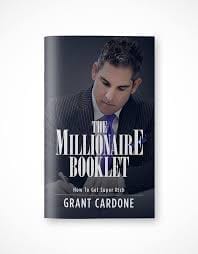
The Millionaire Booklet
A practical wake-up call about money, ambition, and the mindset required to escape financial struggle and pursue wealth seriously.
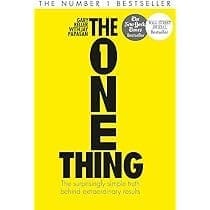
The One Thing
Learn how focusing on the most important task can dramatically improve your productivity, results, and quality of life.
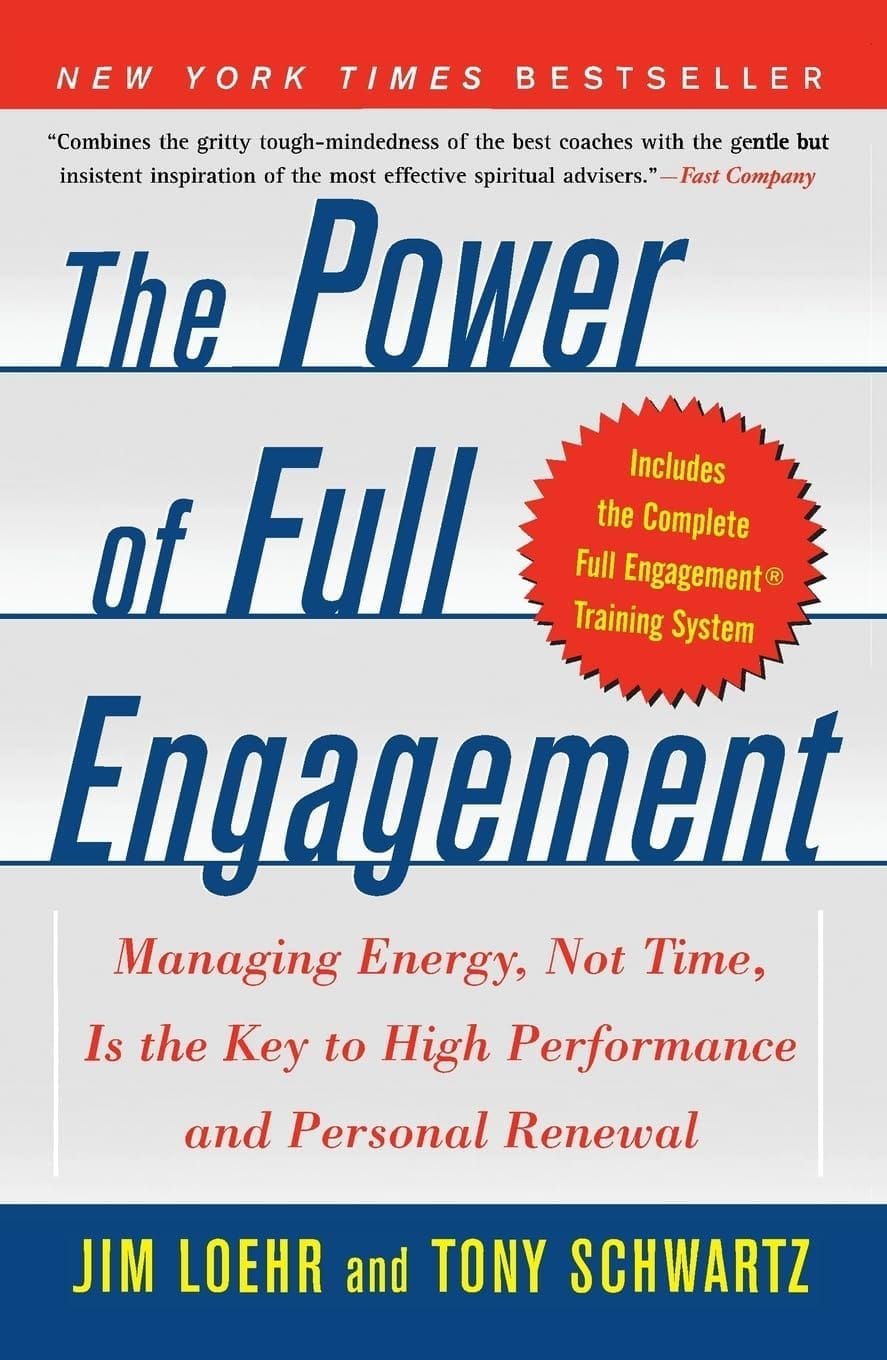
The Power of Full Engagement
Success isn’t just about managing time — it’s about managing your physical, emotional, mental, and spiritual energy effectively.
Richest Man In Babylon
Simple, timeless financial principles about saving, investing, discipline, and building long-term wealth.

The Strangest Secret
You become what you think about most. Learn how your thoughts shape your success, habits, and future.

The Way to Wealth
Classic lessons on hard work, discipline, frugality, and wise financial stewardship that remain relevant centuries later.

7 Spiritual Laws of Success
Discover spiritual principles that blend purpose, abundance, alignment, and inner peace with external success.

A Message to Garcia
A timeless lesson on initiative, responsibility, reliability, and becoming the kind of person who gets things done without excuses.
Great by Choice
Learn how exceptional companies succeed even in uncertainty through discipline, preparation, and consistent execution.
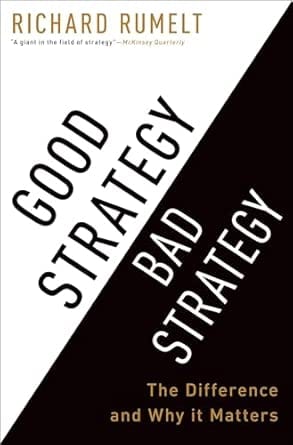
Good Strategy / Bad Strategy
Discover the difference between vague goals and real strategy — and learn how to focus your efforts where they matter most.

Think and Grow Rich
One of the most influential success books ever written — teaching the power of desire, faith, persistence, and focused action.

The Mental Equivalent
Learn how to create the mental and emotional conditions necessary to attract the life and outcomes you desire.

As a Man Thinketh
Your thoughts shape your character, habits, circumstances, and destiny. Master your mind and you transform your life.

The Game of Life
and How to Play It
A practical guide to spiritual laws, affirmations, faith, and aligning your thoughts and words with the life you want to create.
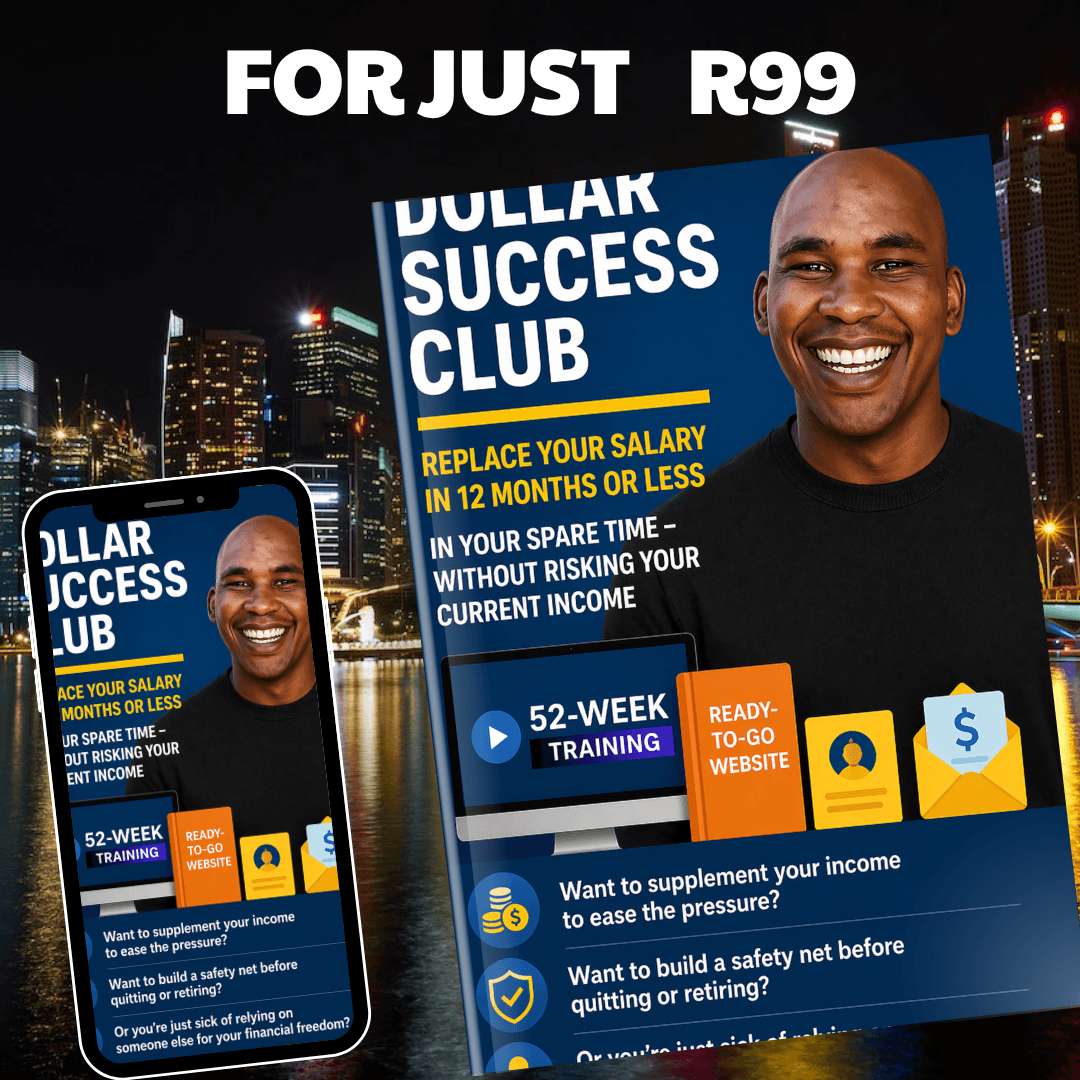
Dollar Success Club
A full system that shows you, step-by-step, how to start a real online business—even if you’re working full-time, even if you’ve never done this before.