
How to Start a Marketing Consultancy Business
Starting a marketing consultancy business in South Africa can be a highly rewarding venture, especially with the rapid growth of small to medium-sized businesses and the digital economy. Many businesses, particularly startups and SMEs, may not have the internal resources or expertise to handle their marketing strategies effectively, creating a demand for professional marketing consultants who can offer insights and develop plans that drive business growth.
Here’s a step-by-step guide to help you start a marketing consultancy in South Africa.
Business Concept: How It Works
As a marketing consultant, you’ll be helping businesses improve their marketing efforts through strategic planning, market research, branding, digital marketing, and advertising. Your role is to evaluate a client’s current marketing strategies, identify opportunities, and develop plans to reach their target audience more effectively.
Who you're serving:
• Small and medium-sized businesses (SMEs): Many SMEs don’t have a full-time marketing team and need external expertise.
• Startups: New businesses looking to establish a brand and generate awareness often need help with their go-to-market strategies.
• Corporate clients: Larger companies may need specialized marketing strategies for product launches, campaigns, or market expansion.
• Non-profits: Organizations that want to raise awareness or increase donations also benefit from marketing expertise.
What you're selling:
• Marketing strategy development
• Digital marketing services (SEO, social media, PPC, email marketing)
• Branding and brand positioning
• Market research and analysis
• Advertising campaign management
• Content creation and storytelling
• Public relations and communication strategies
Purpose: Why Start This Kind of Business?
There are many compelling reasons to start a marketing consultancy:
• High demand: As more businesses shift online and compete in digital spaces, the demand for marketing experts who can guide them through brand building and lead generation is growing.
• Low overheads: You don’t need a physical office or extensive equipment to start. With a laptop, internet, and a good strategy, you can launch your consultancy from home.
• Scalability: The business can scale easily, allowing you to expand into different areas of marketing or hire a team of consultants over time.
• Flexibility: You can choose your clients and work on projects that interest you, whether in specific industries or niches like e-commerce, tech, or hospitality.
How to Determine If There’s a Need for This Service
Before launching your marketing consultancy, assess whether there is sufficient demand:
• Research local businesses: Look at the growth of small businesses in your area and identify those that could benefit from improved marketing. Many local businesses may not have a dedicated marketing team or lack the expertise for digital marketing.
• Networking: Attend business events, industry conferences, or online meetups to gauge interest from potential clients. Talking to entrepreneurs and business owners can help you understand the challenges they face in marketing.
• Online trends: Use tools like Google Trends, LinkedIn, or even Twitter to see how often people search for marketing-related services in your region. This can give you insights into whether businesses are seeking marketing consultants.
Different Variations
of a Marketing Consultancy Business
Marketing consultancy can take on different forms, depending on your expertise and the market’s needs:
1. Digital marketing consultancy: Specialize in online marketing strategies like SEO, social media marketing, email campaigns, and paid search (PPC).
2. Branding consultancy: Focus on helping businesses develop or refresh their brand identity, including logo design, brand messaging, and positioning.
3. Public relations consultancy: Manage PR strategies, including media outreach, press releases, and reputation management.
4. Content marketing consultancy: Help businesses create valuable content that attracts, engages, and converts their audience through blogs, videos, podcasts, and more.
5. Full-service marketing consultancy: Offer end-to-end marketing solutions, from strategy to execution, covering digital marketing, traditional advertising, and branding.
6. Niche consultancy: Focus on a specific industry, such as tech startups, real estate, hospitality, or non-profits.
Best Location to Operate This Business
A marketing consultancy can be operated from virtually anywhere, which gives you a lot of flexibility:
• Home office: Most consultants work from home, especially in the early stages, which keeps overhead costs low.
• Co-working spaces: If you need a professional environment or want to network with other business owners, consider renting a desk at a co-working space. This can also be a good place to meet clients.
• Online: Since much of your work will be digital, you can operate remotely and serve clients across South Africa or even internationally.
Capital Requirements
Starting a marketing consultancy has relatively low capital requirements compared to other businesses. Key expenses include:
• Computer and internet: A reliable laptop or desktop and high-speed internet are essential. Budget around R10,000 to R25,000 for a quality setup.
• Software tools: Marketing consultants rely on tools for tasks like SEO, social media scheduling, analytics, and project management. You’ll need subscriptions for tools like Google Analytics, Hootsuite, Ahrefs, or Canva, which could cost between R500 to R2,000 per month.
• Website and branding: Creating a professional website to showcase your services is crucial. You might need R5,000 to R15,000 for website design and branding.
• Marketing and advertising: Allocate R3,000 to R10,000 for initial marketing efforts, including digital ads, networking, and social media promotion.
In total, you can start your marketing consultancy with R20,000 to R50,000, depending on your setup.
Starting Part-Time and Growing Full-Time
You can easily start a marketing consultancy part-time and transition into full-time work:
• Start part-time: Begin by taking on small projects or working with friends or local businesses on evenings and weekends. This allows you to build your portfolio and reputation without giving up your primary job.
• Grow full-time: As your client base and income grow, you can transition into full-time consultancy work. At this stage, you may also consider hiring assistants or subcontracting work to handle more projects.
How Much Money Can You Expect to Make?
Your earnings will depend on your experience, client base, and the types of projects you take on:
• Hourly rate: Many marketing consultants charge between R500 and R1,500 per hour, depending on their expertise and client profile.
• Project-based pricing: For specific projects like a full marketing strategy or a brand refresh, fees can range from R10,000 to R100,000, depending on the complexity and scope.
• Monthly retainers: Many businesses prefer to hire consultants on a retainer basis for ongoing services. Retainers can range from R5,000 to R50,000 per month.
A successful marketing consultant can earn between R20,000 and R100,000 per month, with potential to scale up as you secure more clients or larger projects.
Equipment, Tools, and Resources for Success
To run a successful marketing consultancy, you’ll need the following:
• Computer and internet: A good-quality laptop and fast internet connection are essential.
• Marketing software: Tools like Google Analytics, HubSpot, Ahrefs, Canva, and Buffer will help you manage campaigns, analyze data, and create content.
• CRM (Customer Relationship Management) software: Tools like Zoho CRM or HubSpot CRM can help you manage client relationships and keep track of ongoing projects.
• Project management software: Platforms like Trello, Asana, or Monday.com can help you manage client projects, deadlines, and tasks.
Employees, Insurance, and Legislative Issues
In the early stages, you’ll likely run your consultancy alone, but as you grow, you might hire:
• Freelancers: For specific projects like content creation, social media management, or graphic design.
• Virtual assistants: To help manage administrative tasks like scheduling, invoicing, or client communication.
Insurance: Consider professional indemnity insurance to protect yourself in case of client disputes or claims that result from your marketing advice or services.
Legislation: Register your business with the CIPC (Companies and Intellectual Property Commission) and ensure that you comply with South African tax laws. You may also need to register for VAT if your earnings exceed the VAT threshold.
Potential Obstacles to Look Out For
1. Client acquisition: Finding your first few clients can be challenging, especially if you’re new to the industry or don’t have an established network.
2. Client expectations: Managing client expectations and delivering measurable results is essential. Clear communication and setting realistic goals are key.
3. Competition: The marketing consultancy industry can be competitive, especially with freelancers and agencies offering similar services. Specializing in a niche or offering unique expertise can help you stand out.
4. Cash flow management: It’s important to maintain consistent cash flow, especially if you’re working on a project basis or dealing with late-paying clients.
Future Expansion Opportunities
As your consultancy grows, there are several ways to expand:
• Hire a team: Bring in additional consultants, marketers, or salespeople to handle more clients and expand your service offerings.
• Offer specialized services: You can offer new services like video marketing, influencer marketing, or e-commerce solutions as your expertise and client base grow.
• International clients: Marketing services are needed globally, and with remote work becoming the norm, you can serve clients outside of South Africa.
• Develop training programs: Offer marketing workshops, online courses, or corporate training to teach businesses how to handle their own marketing in-house.
Skills, Training, and Leadership Traits
To succeed as a marketing consultant, you’ll need:
• Marketing expertise: A strong understanding of marketing strategies, digital marketing tools, and consumer behavior is essential. Continuous learning in areas like SEO, social media, and content marketing will keep you competitive.
• Communication skills: Being able to explain complex marketing concepts to clients in simple terms and build strong client relationships is crucial.
• Analytical skills: You must be able to analyze data from campaigns, identify trends, and make informed decisions that improve marketing performance.
• Leadership: If you expand your consultancy, leadership skills will be necessary to manage a team and guide them toward delivering high-quality services.
How to Price Products and Services
Pricing will depend on your expertise, client base, and the services you offer:
• Hourly rate: Charge between R500 and R1,500 per hour depending on your experience.
• Project fees: Offer flat rates for specific projects, ranging from R10,000 to R100,000, depending on the scope.
• Retainers: For ongoing work, charge monthly retainers from R5,000 to R50,000 depending on the complexity and frequency of services.
Consider offering tiered packages (basic, standard, premium) to cater to different budgets.
How to Stand Out from the Competition
To differentiate your consultancy:
• Specialize in a niche: Focus on a specific industry (e.g., e-commerce, tourism, real estate) or service (e.g., SEO, branding).
• Deliver measurable results: Use data and analytics to show clients how your strategies drive growth and improve ROI.
• Build a strong personal brand: Create thought leadership content, share case studies, and maintain an active presence on LinkedIn or your own blog.
• Offer exceptional service: Provide a personalized experience for each client, including clear communication, regular updates, and a focus on their business goals.
Marketing Avenues to Attract Customers
To grow your marketing consultancy, you’ll need to market yourself effectively:
• Website and SEO: Create a professional website showcasing your services, expertise, and testimonials. Use SEO techniques to attract organic traffic.
• LinkedIn: Build your network on LinkedIn by sharing insights, writing articles, and engaging with potential clients.
• Social media: Use platforms like Instagram and Facebook to promote your services, share success stories, and connect with potential clients.
• Networking: Attend industry conferences, business events, and local meetups to build connections and gain referrals.
• Referrals: Ask satisfied clients for referrals and offer incentives for any new clients they bring in.
Starting a marketing consultancy in South Africa offers endless opportunities if you have a passion for marketing and enjoy helping businesses grow. With the right mix of strategy, communication, and business acumen, you can build a thriving consultancy that serves clients both locally and internationally.
Joined Dollar Success Club?
This is a community for people who want to:
• Start an online business
• Build multiple income streams
• Learn marketing and sales
• Turn ideas into profitable systems
Join the community here:
https://www.successclub.co.za/dollar
What You Miss By Not Joining Dollar Success Club...
Free practical action-based workbooks designed to help you apply powerful success principles immediately.
Topics include:
Mindset, Wealth, Discipline, Spirituality, Productivity, Purpose, Relationships, and so much more...
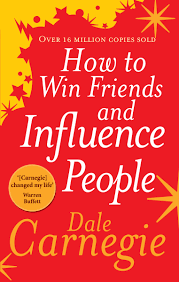
How to Win Friends and Influence People
Learn the timeless people skills that open doors, build influence, strengthen relationships, and help you succeed in business and life without manipulation or force.
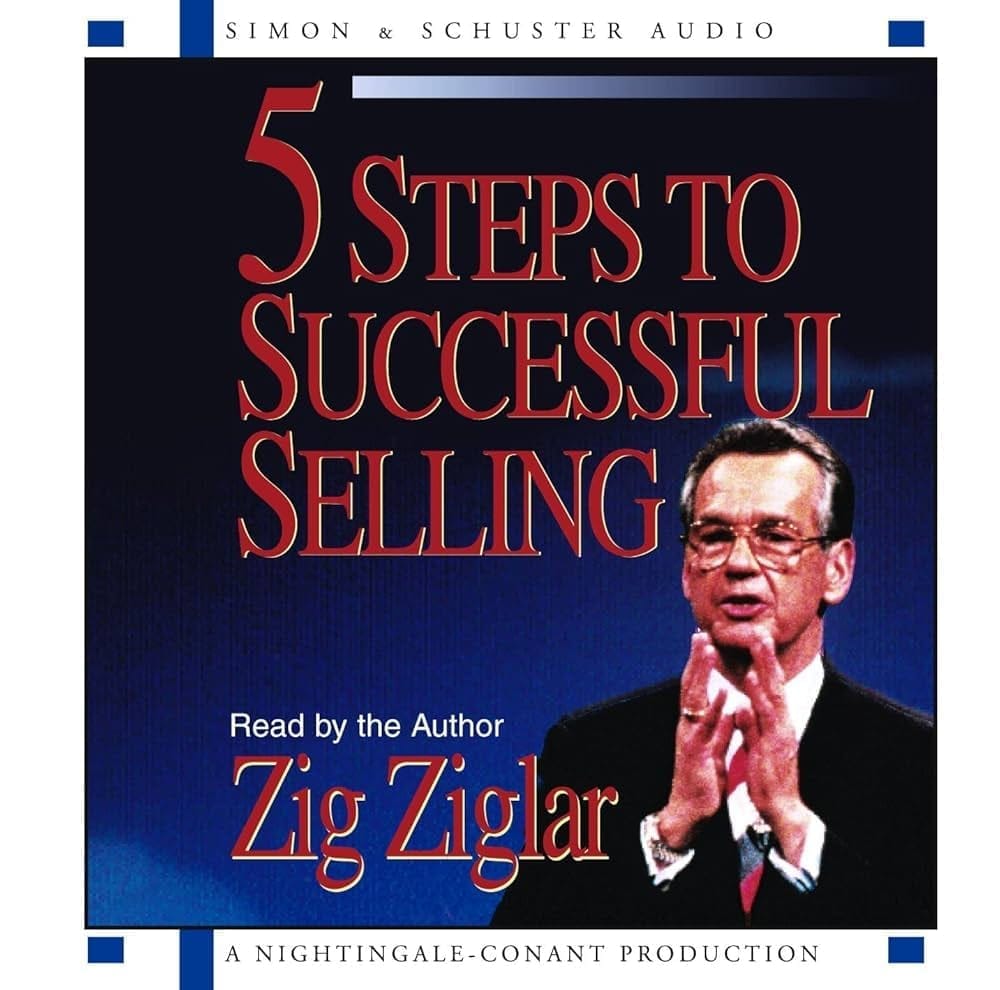
Five Steps to Successful Selling
Master the foundations of persuasion, confidence, and ethical selling so you can close more deals, grow your income, and serve customers more effectively.

Acres of Diamonds
Discover how the opportunities you’ve been searching for may already exist right where you are — hidden in your skills, experiences, and environment.

Ask and It Is Given
Learn how your thoughts, emotions, and expectations shape your reality — and how to deliberately attract better outcomes into your life.

Awaken the Giant Within
Take control of your mindset, emotions, finances, and habits so you can unlock the power and potential already inside you.

Book of Proverbs
Timeless wisdom on discipline, money, relationships, leadership, and decision-making — practical success principles that still apply today.
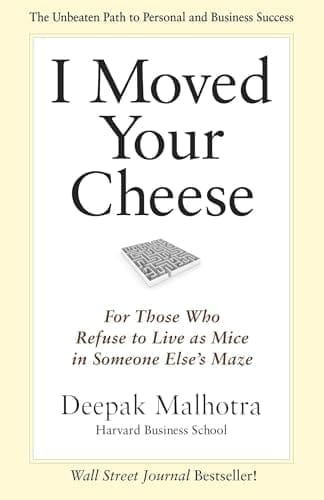
I Moved Your Cheese
A simple but powerful lesson on challenging paradigms, overcoming fear, and rethinking the status quo in an ever-changing world.

Peaks and Valleys
Learn how to navigate life’s highs and lows wisely — and how difficult seasons can become stepping stones to greater success.

Secrets of the Millionaire Mind
Discover the hidden money beliefs shaping your financial life — and how to reprogram your mindset for wealth and abundance.

Switch
Understand why change is difficult — and learn practical strategies to successfully change habits, behaviors, and results.
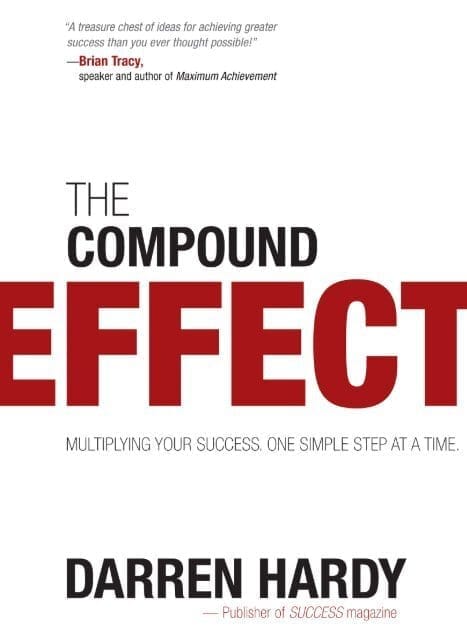
The Compound Effect
Small daily actions may seem insignificant, but over time they create extraordinary results in wealth, health, and success.

The Four Agreements
Four simple but life-changing principles to help you experience greater peace, freedom, confidence, and healthier relationships.
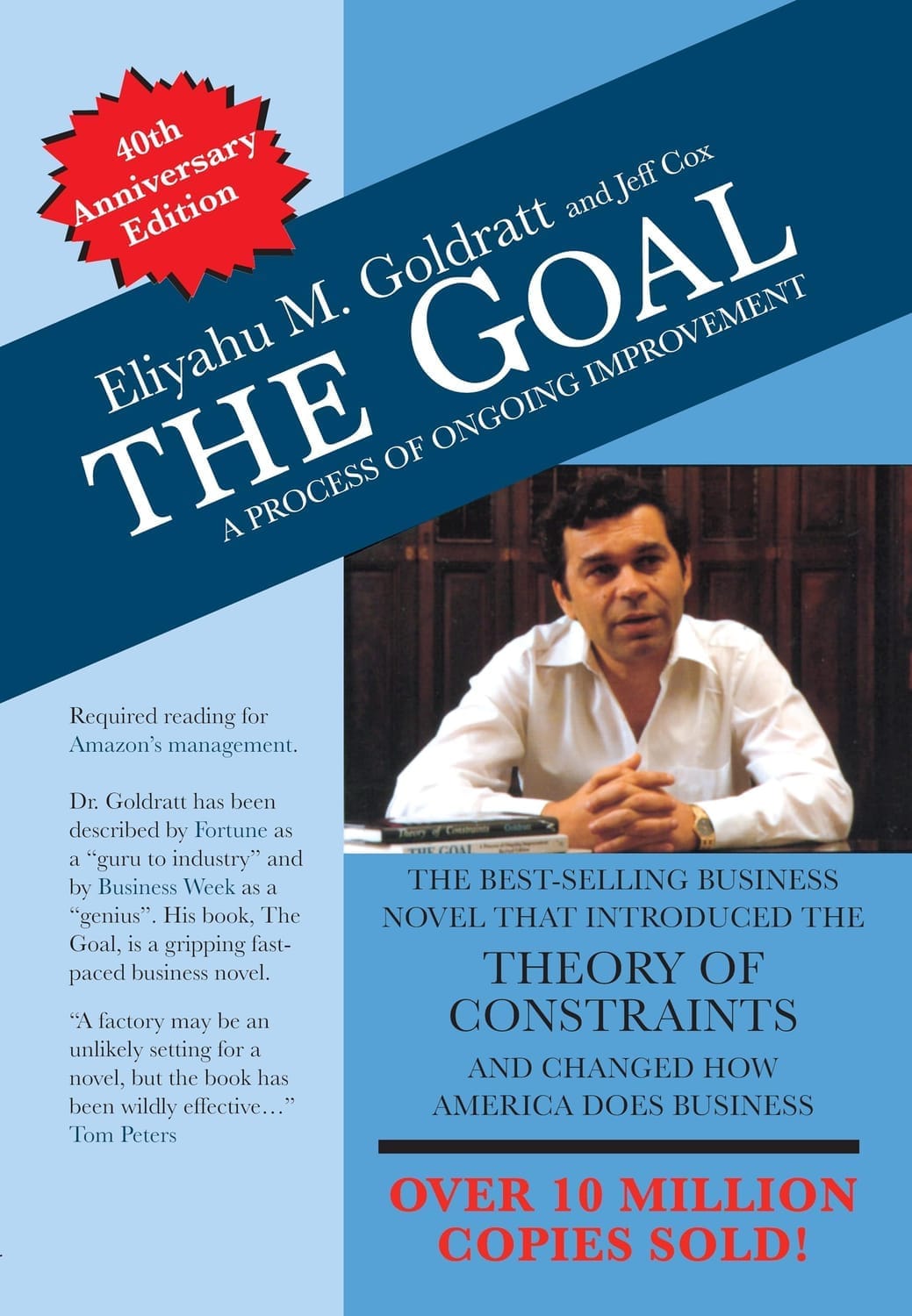
The Goal
A powerful business novel that teaches you how to identify bottlenecks, improve productivity, and focus on what truly drives results.
The Millionaire Booklet
A practical wake-up call about money, ambition, and the mindset required to escape financial struggle and pursue wealth seriously.
The One Thing
Learn how focusing on the most important task can dramatically improve your productivity, results, and quality of life.
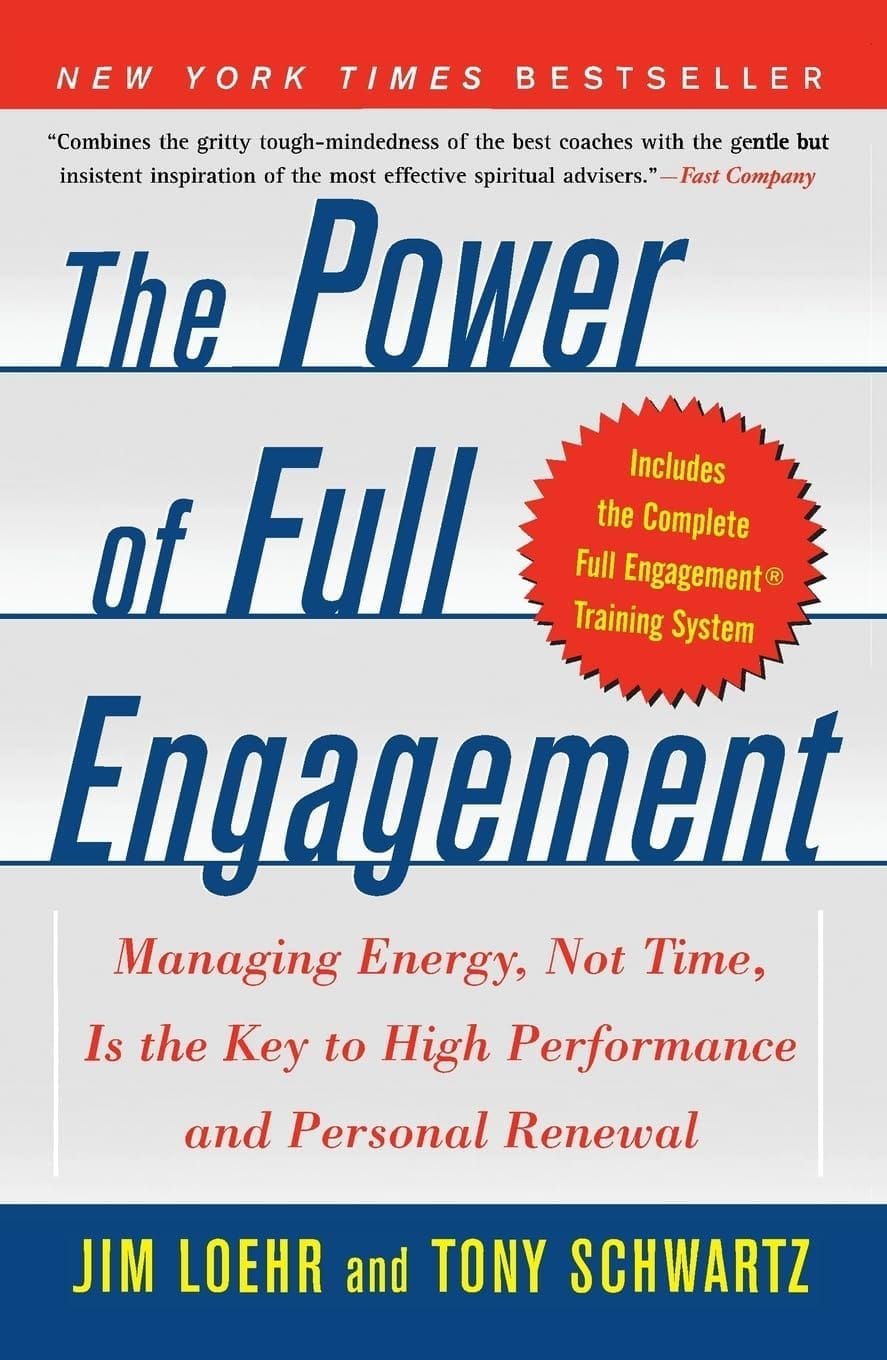
The Power of Full Engagement
Success isn’t just about managing time — it’s about managing your physical, emotional, mental, and spiritual energy effectively.
Richest Man In Babylon
Simple, timeless financial principles about saving, investing, discipline, and building long-term wealth.

The Strangest Secret
You become what you think about most. Learn how your thoughts shape your success, habits, and future.

The Way to Wealth
Classic lessons on hard work, discipline, frugality, and wise financial stewardship that remain relevant centuries later.

7 Spiritual Laws of Success
Discover spiritual principles that blend purpose, abundance, alignment, and inner peace with external success.

A Message to Garcia
A timeless lesson on initiative, responsibility, reliability, and becoming the kind of person who gets things done without excuses.
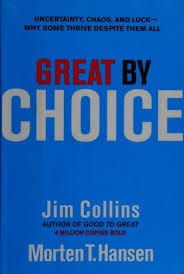
Great by Choice
Learn how exceptional companies succeed even in uncertainty through discipline, preparation, and consistent execution.
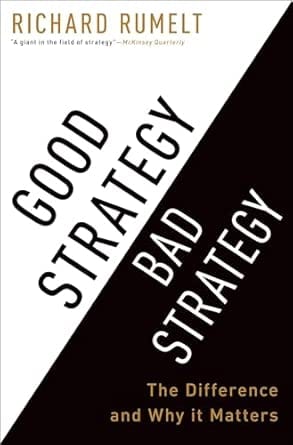
Good Strategy / Bad Strategy
Discover the difference between vague goals and real strategy — and learn how to focus your efforts where they matter most.

Think and Grow Rich
One of the most influential success books ever written — teaching the power of desire, faith, persistence, and focused action.

The Mental Equivalent
Learn how to create the mental and emotional conditions necessary to attract the life and outcomes you desire.

As a Man Thinketh
Your thoughts shape your character, habits, circumstances, and destiny. Master your mind and you transform your life.

The Game of Life
and How to Play It
A practical guide to spiritual laws, affirmations, faith, and aligning your thoughts and words with the life you want to create.

Dollar Success Club
A full system that shows you, step-by-step, how to start a real online business—even if you’re working full-time, even if you’ve never done this before.