
How to Start a Local Grocery Store (Spaza Shop) Business
Starting a local grocery store, also known as a spaza shop in South Africa, is a great way to serve your community by offering essential products close to home. Spaza shops are often found in townships or informal settlements and are an integral part of the local economy, providing convenient access to everyday goods. These small, family-run businesses can be highly profitable, especially when located in areas with high foot traffic.
Here’s a guide on how to start a spaza shop in South Africa.
Business Concept: How It Works
A spaza shop is a small, neighborhood grocery store that typically sells basic household goods, food, and beverages. It operates out of small, sometimes informal, premises, and offers essential items at affordable prices.
Who you're serving:
• Local residents: Primarily serving the community around you, including families, workers, and individuals who need quick access to daily essentials.
• Commuters: People passing through who need to grab snacks, drinks, or small groceries.
• Regular customers: Many spaza shops build loyal customer bases because of convenience, familiarity, and personalized service.
What you're selling:
Spaza shops typically sell a variety of goods, including:
• Basic groceries (bread, milk, sugar, maize meal, rice)
• Snacks and drinks (chips, cold drinks, biscuits)
• Household goods (soap, toilet paper, cleaning products)
• Airtime and prepaid electricity
• Tobacco products
• Fresh produce (depending on space and demand)
Purpose: Why Start This Kind of Business?
There are several reasons why starting a spaza shop can be a smart business move:
• Essential service: Everyone needs groceries and household items, and many people prefer to shop locally rather than travel to larger supermarkets.
• Community support: You’re providing a vital service to the neighborhood, especially in areas where access to large grocery stores is limited.
• Low startup costs: Compared to larger businesses, spaza shops have relatively low capital requirements and overheads.
• Flexibility: A spaza shop is usually easy to run, with flexible hours, and can be family-operated.
How to Determine
If There’s a Need for This Service
Before starting your spaza shop, you need to assess whether there is demand in your area:
• Check local competition: Look at other spaza shops in your neighborhood. Are they busy? Are there gaps in their services, such as limited stock or lack of fresh produce?
• Community feedback: Speak to local residents to find out what they buy regularly and if they would appreciate having a spaza shop nearby.
• Distance to larger stores: If the nearest supermarket is far away, especially in townships or rural areas, you’re likely to find strong demand for a local store that provides convenience.
Different Variations of a Spaza Shop Business
Depending on your space, capital, and market, you can run your spaza shop in different ways:
1. Basic spaza shop: Selling everyday essentials like bread, milk, and snacks from a small, informal setup.
2. Expanded spaza shop: Offer more variety, including fresh produce, toiletries, and prepaid services (airtime, electricity).
3. Tuck shop: Focus on selling snacks, cold drinks, and quick grab-and-go items, often popular near schools or workplaces.
4. Mobile spaza: Set up a mobile shop using a trailer or a van that serves multiple locations, increasing your reach.
5. Spaza with services: Offer additional services like airtime sales, electricity vouchers, or even phone charging to add more value.
Best Location to Operate This Business
Choosing the right location is critical to the success of your spaza shop:
• Residential neighborhoods: Spaza shops thrive in densely populated areas where people need quick access to groceries and household items.
• Townships and rural areas: These areas often have fewer large supermarkets, making local grocery shops essential for residents.
• Near schools or transport hubs: Placing your shop near a busy school, taxi rank, or bus stop ensures a steady flow of customers.
• Street corner or main road: A visible location on a main road or street corner can attract foot traffic from both locals and passersby.
Capital Requirements
Starting a spaza shop requires moderate capital, mainly for stock, equipment, and rent. Here are some of the major costs to consider:
• Stock: The initial purchase of grocery items will likely be your largest expense. You’ll need around R5,000 to R30,000 for stock, depending on the size of your shop.
• Shop space: If you’re renting, expect to pay between R2,000 to R10,000 per month for a small space, depending on the location.
• Shelving and storage: Setting up shelving, storage racks, and display counters will cost around R2,000 to R5,000.
• Basic equipment: You’ll need a fridge for cold drinks, a freezer for frozen goods, and a till or cash register. This can cost between R5,000 and R20,000.
• Licensing and permits: Registering your business and getting the necessary permits may cost around R1,000 to R2,500.
In total, expect to invest between R15,000 to R50,000 to start a small spaza shop.
Starting Part-Time and Growing Full-Time
You can easily start a spaza shop part-time and grow it into a full-time business:
• Start part-time: If you have limited capital or can only run the shop for a few hours a day, start by opening after work or on weekends. You can gradually increase your stock and operating hours as demand grows.
• Grow full-time: Once you build a steady stream of customers, you can hire staff and keep your shop open full-time, catering to the community’s needs throughout the day.
How Much Money Can You Expect to Make?
Earnings from a spaza shop can vary based on location, foot traffic, and stock variety:
• Daily income: A well-stocked spaza shop in a busy area can earn between R500 to R2,500 per day, depending on sales.
• Monthly income: On average, a spaza shop might bring in between R10,000 to R50,000 per month, depending on size, location, and customer base.
Once established, spaza shops can provide steady income, with some owners earning up to R100,000 or more per month in high-demand areas.
Equipment, Tools, and Resources for Success
To operate a spaza shop effectively, you’ll need the following equipment:
• Shelving: Display your products clearly so customers can see and easily access what they need.
• Fridge and freezer: These are essential for keeping perishable items like cold drinks, milk, and frozen goods fresh.
• Cash register or point-of-sale (POS) system: This will help you manage transactions and track sales.
• Stock storage: You’ll need basic storage shelves or cupboards to store extra stock safely.
• Security: Spaza shops can be targets for theft, so consider installing security gates, alarms, or cameras for safety.
Employees, Insurance, and Legislative Issues
Initially, you can run the spaza shop yourself, but as it grows, you may need to hire help:
Staff: You might hire one or two assistants to help with daily operations. Pay them a fair wage, following South Africa’s minimum wage laws.
Insurance: It’s a good idea to have stock insurance and public liability insurance to protect your shop against theft, fire, or damage.
Legislation: Ensure that your business is registered with the CIPC and that you’re compliant with local tax laws. Depending on your location, you might also need a trading license from your municipality.
Potential Obstacles to Look Out For
1. Competition: If there are already several spaza shops nearby, competition could be tough. You’ll need to differentiate your offerings or focus on excellent customer service.
2. Stock management: Managing your stock efficiently is key to preventing losses due to expired goods or overstocking. It’s important to track what sells well and adjust your stock accordingly.
3. Theft and security: Spaza shops can be vulnerable to theft, so investing in security measures is critical.
4. Cash flow: Without proper management, it’s easy to run out of cash to restock, so ensure you have good financial practices in place from the start.
Future Expansion Opportunities
As your spaza shop becomes established, you can grow your business in several ways:
• Expand your stock range: Offer more variety, including fresh produce, meat, or baked goods.
• Add services: Sell prepaid airtime, data, electricity, or offer additional services like bill payments.
• Open more locations: If your first spaza shop is successful, consider opening additional locations in nearby neighborhoods.
• Delivery services: Offer a delivery service for local customers, especially if you have elderly or housebound residents nearby.
Skills, Training, and Leadership Traits
Running a successful spaza shop requires the following skills:
• Customer service: Building good relationships with your customers will keep them coming back. Be friendly, approachable, and helpful.
• Basic business skills: Knowing how to manage your finances, keep track of stock, and price your products is essential.
• Leadership and reliability: You’ll need to be disciplined and reliable, as your community will rely on you for their daily shopping needs.
How to Price Products and Services
Pricing is key to the success of your spaza shop. You’ll need to balance affordability with profitability:
• Set competitive prices: Look at what nearby shops are charging and set your prices accordingly. You can charge a slight premium for convenience but ensure it’s still affordable for your customers.
• Profit margin: Aim for a profit margin of 10% to 30% on most items. For example, if you buy a product for R10, sell it for R12 to R13.
• Bundle deals: Offer promotions or bundle products together (e.g., buy 2 get 1 free) to encourage customers to spend more.
How to Stand Out from the Competition
To differentiate your spaza shop from others in the area:
• Stock popular items: Keep a good selection of fast-moving consumer goods (FMCGs) that people need daily, like bread, milk, and airtime.
• Customer service: Build personal relationships with your customers. Offer a friendly, helpful service that makes people enjoy shopping with you.
• Loyalty programs: Consider introducing a loyalty program where frequent customers get a discount or a free item after several purchases.
• Keep it clean and organized: A clean, well-organized shop attracts more customers than one that feels cluttered or dirty.
Marketing Avenues to Attract Customers
Although spaza shops usually rely on foot traffic and word of mouth, you can still market your business to attract more customers:
• Word of mouth: Deliver excellent customer service to encourage your customers to recommend your shop to others.
• Signage: Use bright, clear signage to let people know what you’re selling and make your shop easy to find.
• Flyers and posters: Distribute flyers around the neighborhood to promote your shop and any special offers.
• Local partnerships: Partner with nearby businesses, like hair salons or taxi services, to cross-promote your shop.
• Social media: Use local WhatsApp groups or Facebook to announce promotions and engage with your community.
Starting a spaza shop is a fantastic way to provide a valuable service to your community while building a profitable, sustainable business. With good customer service, smart stock management, and a strong focus on the needs of your neighborhood, your local grocery store can thrive and grow over time.
Joined Dollar Success Club?
This is a community for people who want to:
• Start an online business
• Build multiple income streams
• Learn marketing and sales
• Turn ideas into profitable systems
Join the community here:
https://www.successclub.co.za/dollar
What You Miss By Not Joining Dollar Success Club...
Free practical action-based workbooks designed to help you apply powerful success principles immediately.
Topics include:
Mindset, Wealth, Discipline, Spirituality, Productivity, Purpose, Relationships, and so much more...

How to Win Friends and Influence People
Learn the timeless people skills that open doors, build influence, strengthen relationships, and help you succeed in business and life without manipulation or force.

Five Steps to Successful Selling
Master the foundations of persuasion, confidence, and ethical selling so you can close more deals, grow your income, and serve customers more effectively.

Acres of Diamonds
Discover how the opportunities you’ve been searching for may already exist right where you are — hidden in your skills, experiences, and environment.

Ask and It Is Given
Learn how your thoughts, emotions, and expectations shape your reality — and how to deliberately attract better outcomes into your life.

Awaken the Giant Within
Take control of your mindset, emotions, finances, and habits so you can unlock the power and potential already inside you.

Book of Proverbs
Timeless wisdom on discipline, money, relationships, leadership, and decision-making — practical success principles that still apply today.

I Moved Your Cheese
A simple but powerful lesson on challenging paradigms, overcoming fear, and rethinking the status quo in an ever-changing world.

Peaks and Valleys
Learn how to navigate life’s highs and lows wisely — and how difficult seasons can become stepping stones to greater success.

Secrets of the Millionaire Mind
Discover the hidden money beliefs shaping your financial life — and how to reprogram your mindset for wealth and abundance.

Switch
Understand why change is difficult — and learn practical strategies to successfully change habits, behaviors, and results.

The Compound Effect
Small daily actions may seem insignificant, but over time they create extraordinary results in wealth, health, and success.

The Four Agreements
Four simple but life-changing principles to help you experience greater peace, freedom, confidence, and healthier relationships.

The Goal
A powerful business novel that teaches you how to identify bottlenecks, improve productivity, and focus on what truly drives results.

The Millionaire Booklet
A practical wake-up call about money, ambition, and the mindset required to escape financial struggle and pursue wealth seriously.

The One Thing
Learn how focusing on the most important task can dramatically improve your productivity, results, and quality of life.
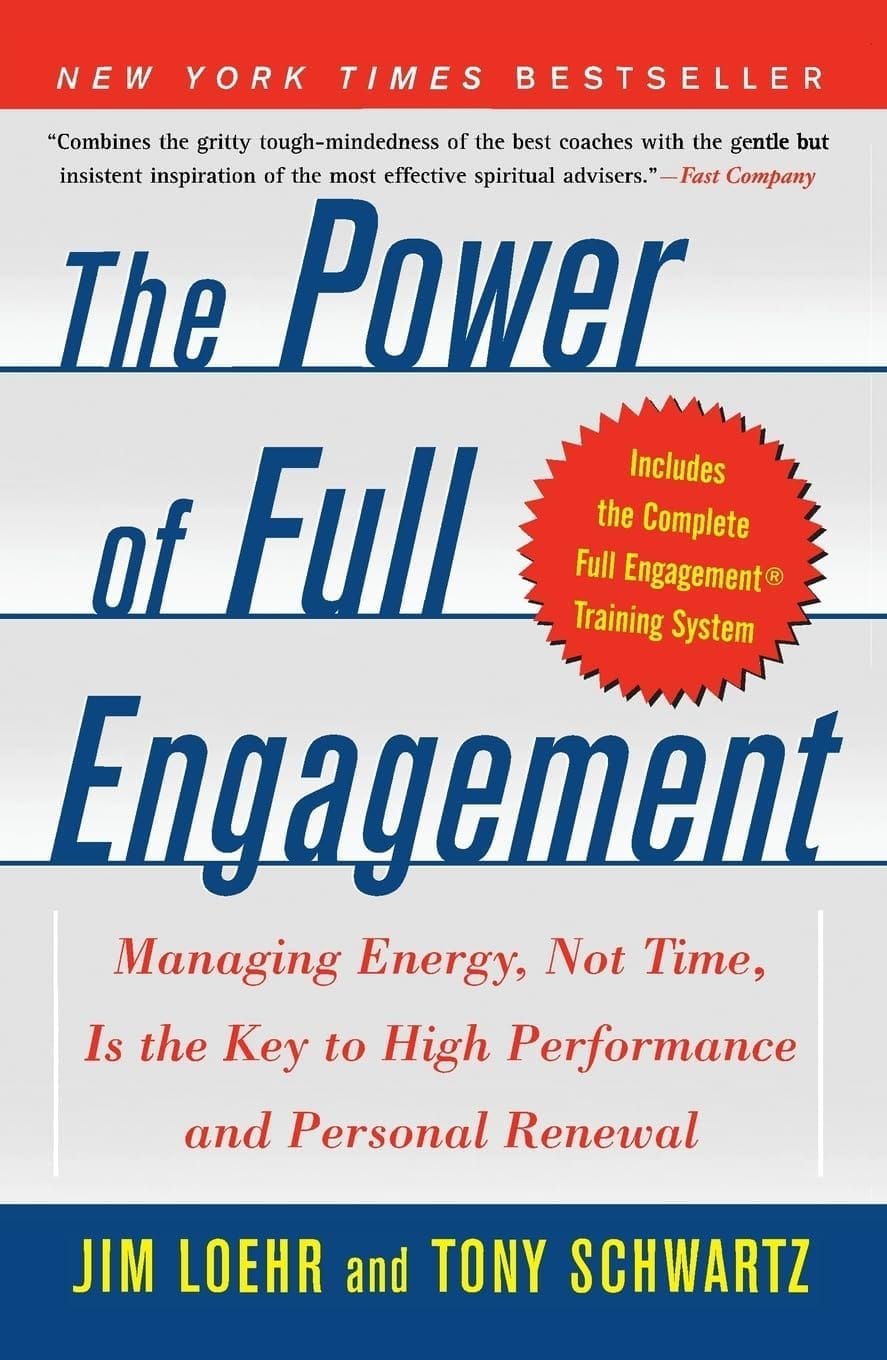
The Power of Full Engagement
Success isn’t just about managing time — it’s about managing your physical, emotional, mental, and spiritual energy effectively.
Richest Man In Babylon
Simple, timeless financial principles about saving, investing, discipline, and building long-term wealth.

The Strangest Secret
You become what you think about most. Learn how your thoughts shape your success, habits, and future.

The Way to Wealth
Classic lessons on hard work, discipline, frugality, and wise financial stewardship that remain relevant centuries later.

7 Spiritual Laws of Success
Discover spiritual principles that blend purpose, abundance, alignment, and inner peace with external success.

A Message to Garcia
A timeless lesson on initiative, responsibility, reliability, and becoming the kind of person who gets things done without excuses.
Great by Choice
Learn how exceptional companies succeed even in uncertainty through discipline, preparation, and consistent execution.
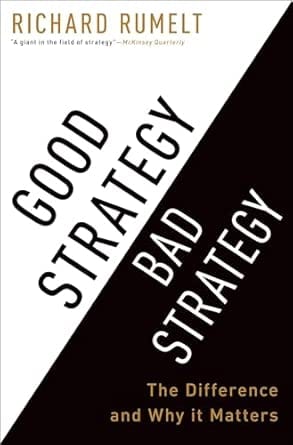
Good Strategy / Bad Strategy
Discover the difference between vague goals and real strategy — and learn how to focus your efforts where they matter most.

Think and Grow Rich
One of the most influential success books ever written — teaching the power of desire, faith, persistence, and focused action.

The Mental Equivalent
Learn how to create the mental and emotional conditions necessary to attract the life and outcomes you desire.

As a Man Thinketh
Your thoughts shape your character, habits, circumstances, and destiny. Master your mind and you transform your life.

The Game of Life
and How to Play It
A practical guide to spiritual laws, affirmations, faith, and aligning your thoughts and words with the life you want to create.

Dollar Success Club
A full system that shows you, step-by-step, how to start a real online business—even if you’re working full-time, even if you’ve never done this before.