
How to Start a Local Fitness Centre Business
Starting a local fitness centre in South Africa can be a fantastic business opportunity, especially with the growing awareness of health and wellness in the country. More people are embracing fitness, and having a convenient, well-equipped gym nearby can be highly attractive for individuals wanting to stay fit. With the right setup, you can create a thriving business that serves the fitness needs of your community.
Here’s a step-by-step guide on how to start your own fitness centre in South Africa.
Business Concept: How It Works
A fitness centre (or gym) is a facility where people can engage in physical exercise, either by using equipment or attending fitness classes. Your business will focus on providing a space with exercise equipment, fitness programs, personal training, and group classes.
Who you're serving:
• Individuals: People of all ages and fitness levels who want to improve their health, build strength, lose weight, or enhance their well-being.
• Fitness enthusiasts: Regular gym-goers looking for a local fitness centre with good equipment, facilities, and possibly personal trainers.
• Health-conscious professionals: Busy individuals who need a convenient gym with flexible hours.
• Sports teams or clubs: Local sports clubs that may need training facilities.
What you're selling:
• Gym memberships: Monthly or yearly access to gym equipment and facilities.
• Personal training: One-on-one coaching from certified trainers.
• Group fitness classes: Yoga, spinning, pilates, Zumba, and other group sessions.
• Nutrition and wellness coaching: Help clients achieve their fitness goals with diet advice and wellness programs.
• Specialty programs: Boot camps, weight-loss programs, or strength training for specific sports.
Purpose: Why Start This Kind of Business?
There are many reasons to start a local fitness centre:
• Growing demand for health and wellness: South Africans are increasingly focused on fitness and well-being, making gyms and fitness centres essential.
• Recurring revenue: Gym memberships provide a steady, recurring income stream.
• Community impact: You’ll be offering a space that helps people achieve their health and fitness goals, improve their quality of life, and build a sense of community.
• Flexibility: You can choose what services to offer based on local demand, whether it’s a focus on weight training, cardio, or wellness.
How to Determine If There’s a Need for This Service
Before starting your fitness centre, you need to assess the demand in your area:
• Research local gyms: Look at existing gyms in the area, assess their pricing, services, and customer base. Identify any gaps in services they aren’t offering, like 24-hour access or specific fitness classes.
• Survey potential customers: Ask people in your community about their fitness habits. Find out how often they exercise, what kind of services they would use, and how much they are willing to pay.
• Demographic trends: Fitness centres are popular in urban and suburban areas with a younger or health-conscious population. Check local trends to see if health and wellness are growing priorities.
Different Variations of a Fitness Centre Business
There are several ways to structure your fitness centre based on your interests and the needs of your community:
1. Traditional gym: Offer a mix of cardio machines, weights, and resistance equipment with personal training options.
2. Boutique fitness studio: Focus on specialized classes like yoga, pilates, spinning, or HIIT (high-intensity interval training).
3. Budget gym: Provide basic equipment at a lower price, focusing on affordability for a larger customer base.
4. Personal training gym: Cater specifically to clients who want one-on-one training with fitness coaches.
5. CrossFit or functional fitness gym: Focus on functional training programs like CrossFit, calisthenics, or circuit training.
Best Location to Operate This Business
Location is critical to the success of your fitness centre:
• High traffic areas: Look for locations near shopping centres, office parks, or busy suburban areas where people can easily access your gym before or after work.
• Residential neighborhoods: Offering convenience to local residents can be a big selling point, especially if you’re located in a community with a health-conscious population.
• Proximity to businesses: Being near office buildings or industrial parks can attract workers looking for a gym during lunch breaks or after hours.
• Ample parking: Ensure your fitness centre has plenty of parking or is easily accessible by public transport.
Capital Requirements
Starting a fitness centre involves a moderate to significant upfront investment. Here are some of the key expenses:
• Lease and renovations: Renting or buying a space and renovating it to accommodate fitness equipment can cost R50,000 to R300,000, depending on size and condition.
• Fitness equipment: Buying gym equipment like treadmills, exercise bikes, weights, resistance machines, and fitness mats can cost anywhere from R150,000 to R500,000, depending on the scale of the gym.
• Staffing: Budget for personal trainers, group class instructors, and front desk staff. Salaries for trainers and instructors typically range from R10,000 to R25,000 per month, depending on qualifications.
• Marketing: Setting up a website, running local ads, and creating promotional materials can cost between R10,000 to R50,000.
• Insurance: Public liability insurance is essential for protecting your business against potential injuries or damages. Expect to pay R5,000 to R15,000 annually for comprehensive coverage.
In total, expect to invest R300,000 to R1 million or more, depending on the size and scope of your fitness centre.
Starting Part-Time and Growing Full-Time
You can start small and grow your fitness centre over time:
• Start part-time: If you have a smaller space or a focus on personal training or group classes, you can start part-time by offering limited hours or operating on weekends.
• Grow full-time: Once you build a loyal customer base and generate steady income, you can expand your hours, hire more staff, and invest in additional equipment to operate full-time.
How Much Money Can You Expect to Make?
Earnings depend on your membership model, pricing, and how many clients you serve:
• Membership fees: Monthly memberships typically range from R250 to R800, depending on your location and services offered.
• Personal training sessions: Trainers typically charge R200 to R500 per hour for one-on-one sessions.
• Group fitness classes: Group classes can bring in R50 to R200 per participant, depending on class size and duration.
A well-established fitness centre can generate between R30,000 to R150,000 per month, with potential for more if you cater to a large client base, offer premium services, or run multiple classes.
Equipment, Tools, and Resources for Success
Here’s what you’ll need to run a successful fitness centre:
• Cardio equipment: Treadmills, rowing machines, stationary bikes, and ellipticals.
• Strength training equipment: Dumbbells, barbells, squat racks, resistance machines, and free weights.
• Group fitness space: A designated area for classes like yoga, pilates, or aerobics.
• Management software: Tools like Mindbody or GymMaster to manage memberships, bookings, and payments.
• Fitness mats, towels, and lockers: For client comfort and convenience.
• Marketing tools: A professional website, social media presence, and email marketing system to attract and retain clients.
Employees, Insurance, and Legislative Issues
As your gym grows, you’ll need staff to help manage daily operations:
• Personal trainers: Certified trainers to assist members with workouts, create fitness plans, and offer personal training sessions.
• Group fitness instructors: Trainers qualified to teach classes like spinning, yoga, or HIIT.
• Front desk staff: To handle membership sign-ups, payments, and customer service.
Insurance: It’s important to have public liability insurance to protect against any injuries that may happen on your premises. Equipment insurance is also recommended to cover any damage to your gym machines.
Legislation: You’ll need to register your business with the CIPC (Companies and Intellectual Property Commission) and comply with tax laws. If you hire staff, you’ll need to follow South Africa’s labour laws, including minimum wage and employee benefits.
Potential Obstacles to Look Out For
1. High competition: Depending on your area, you may face competition from larger gym chains or boutique fitness centres. Offering unique services or flexible pricing can help you stand out.
2. Seasonal demand: Gyms tend to see a spike in memberships at the start of the year but may experience a drop in activity during holidays or colder months. Retaining customers year-round is crucial.
3. High overhead costs: Gym equipment, staff salaries, and rent can lead to significant monthly expenses. Managing your cash flow carefully is essential, especially in the early stages.
Future Expansion Opportunities
As your fitness centre grows, you can expand in several ways:
• Open additional locations: If your first fitness centre is successful, consider opening more branches in other areas.
• Offer specialized programs: Introduce new fitness programs or services, such as rehabilitation, corporate wellness packages, or sports-specific training.
• Create a fitness brand: Develop your own fitness clothing line or supplements, using your gym as a platform to sell merchandise.
• Host events: Organize fitness challenges, competitions, or charity events to engage your community and attract new members.
Skills, Training, and Leadership Traits
To succeed in the fitness industry, you’ll need the following skills:
• Fitness knowledge: A solid understanding of exercise science, strength training, and nutrition is important for helping clients achieve their goals.
• Customer service: Building strong relationships with clients is key to retaining members and attracting new ones.
• Leadership and management: Running a fitness centre requires strong leadership skills, especially when managing staff and maintaining high service standards.
• Marketing skills: Promoting your gym effectively, both online and offline, is crucial for growing your membership base.
How to Price Products and Services
Your pricing will depend on your location, target market, and services offered:
• Membership pricing: Offer monthly memberships between R250 and R800, with discounted rates for longer-term sign-ups (e.g., annual memberships).
• Personal training rates: Trainers typically charge R200 to R500 per session, depending on their experience and client needs.
• Class fees: Charge R50 to R200 per person for group fitness classes, or include them in the membership package for a higher fee.
Offering introductory discounts or free trials can help attract new members.
How to Stand Out from the Competition
To differentiate your fitness centre:
• Offer niche services: Specialize in services that aren’t widely available in your area, such as CrossFit, functional training, or wellness coaching.
• Create a community: Build a strong, supportive gym culture where members feel part of a community, not just a fitness centre.
• Focus on customer experience: Ensure your gym is clean, welcoming, and offers excellent customer service.
• Flexible pricing: Offer flexible membership options (daily, weekly, or monthly) to cater to different clients, including drop-in rates or pay-as-you-go classes.
Marketing Avenues to Attract Customers
To grow your client base, you’ll need to market your fitness centre effectively:
• Social media: Share workout tips, client success stories, and promotions on platforms like Instagram and Facebook. Use hashtags to increase visibility.
• Referral programs: Offer discounts or rewards for current members who refer new clients to your gym.
• Local advertising: Distribute flyers, place ads in local newspapers, or partner with nearby businesses for cross-promotions.
• Google My Business: Set up a profile so your gym appears in local search results, making it easy for potential clients to find you.
• Community engagement: Host fitness events, free outdoor classes, or charity fundraisers to build brand awareness and attract new clients.
Starting a local fitness centre in South Africa offers great potential for success, especially as health and fitness continue to grow in importance. With the right planning, marketing, and customer focus, you can build a thriving business that helps your community stay healthy and active.
Joined Dollar Success Club?
This is a community for people who want to:
• Start an online business
• Build multiple income streams
• Learn marketing and sales
• Turn ideas into profitable systems
Join the community here:
https://www.successclub.co.za/dollar
What You Miss By Not Joining Dollar Success Club...
Free practical action-based workbooks designed to help you apply powerful success principles immediately.
Topics include:
Mindset, Wealth, Discipline, Spirituality, Productivity, Purpose, Relationships, and so much more...
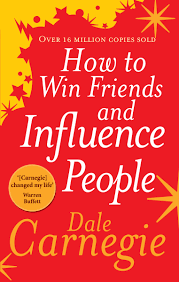
How to Win Friends and Influence People
Learn the timeless people skills that open doors, build influence, strengthen relationships, and help you succeed in business and life without manipulation or force.
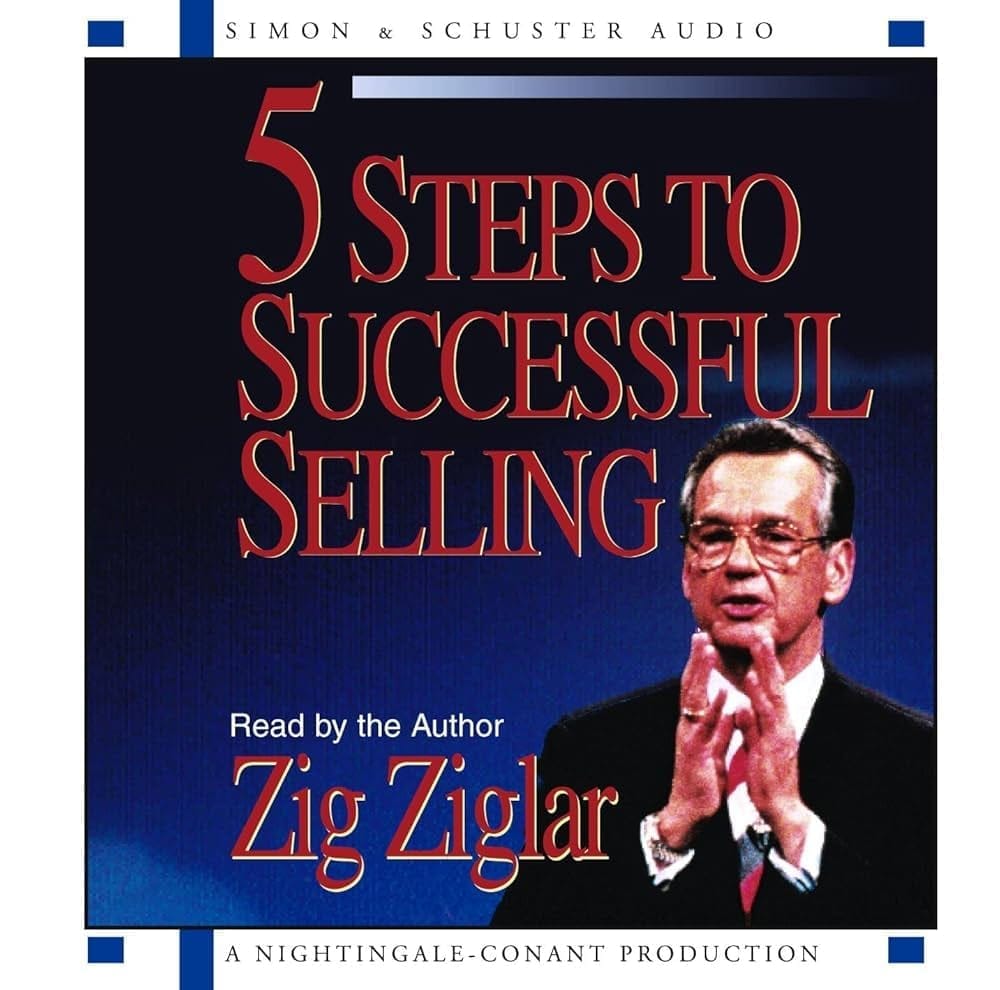
Five Steps to Successful Selling
Master the foundations of persuasion, confidence, and ethical selling so you can close more deals, grow your income, and serve customers more effectively.

Acres of Diamonds
Discover how the opportunities you’ve been searching for may already exist right where you are — hidden in your skills, experiences, and environment.
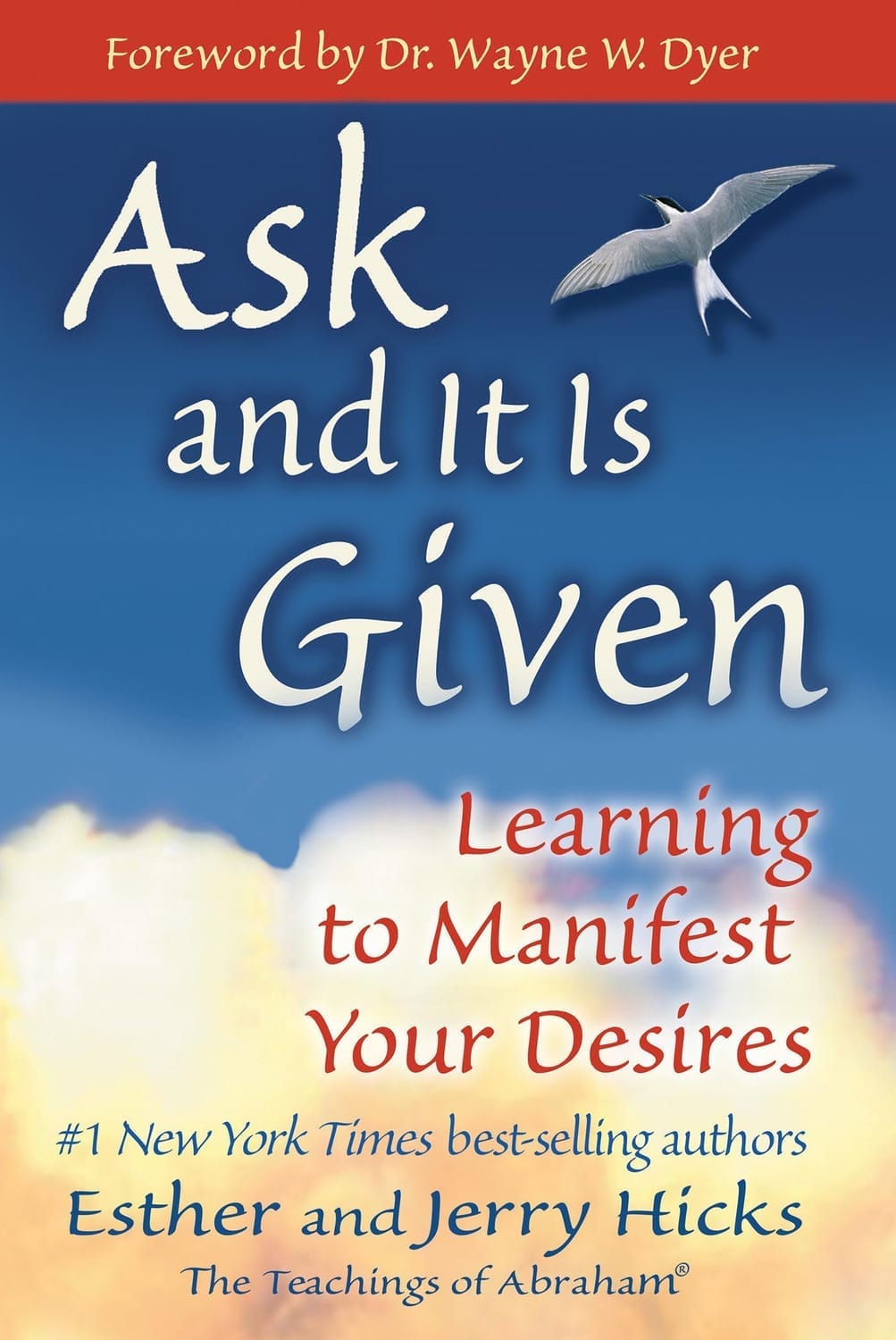
Ask and It Is Given
Learn how your thoughts, emotions, and expectations shape your reality — and how to deliberately attract better outcomes into your life.
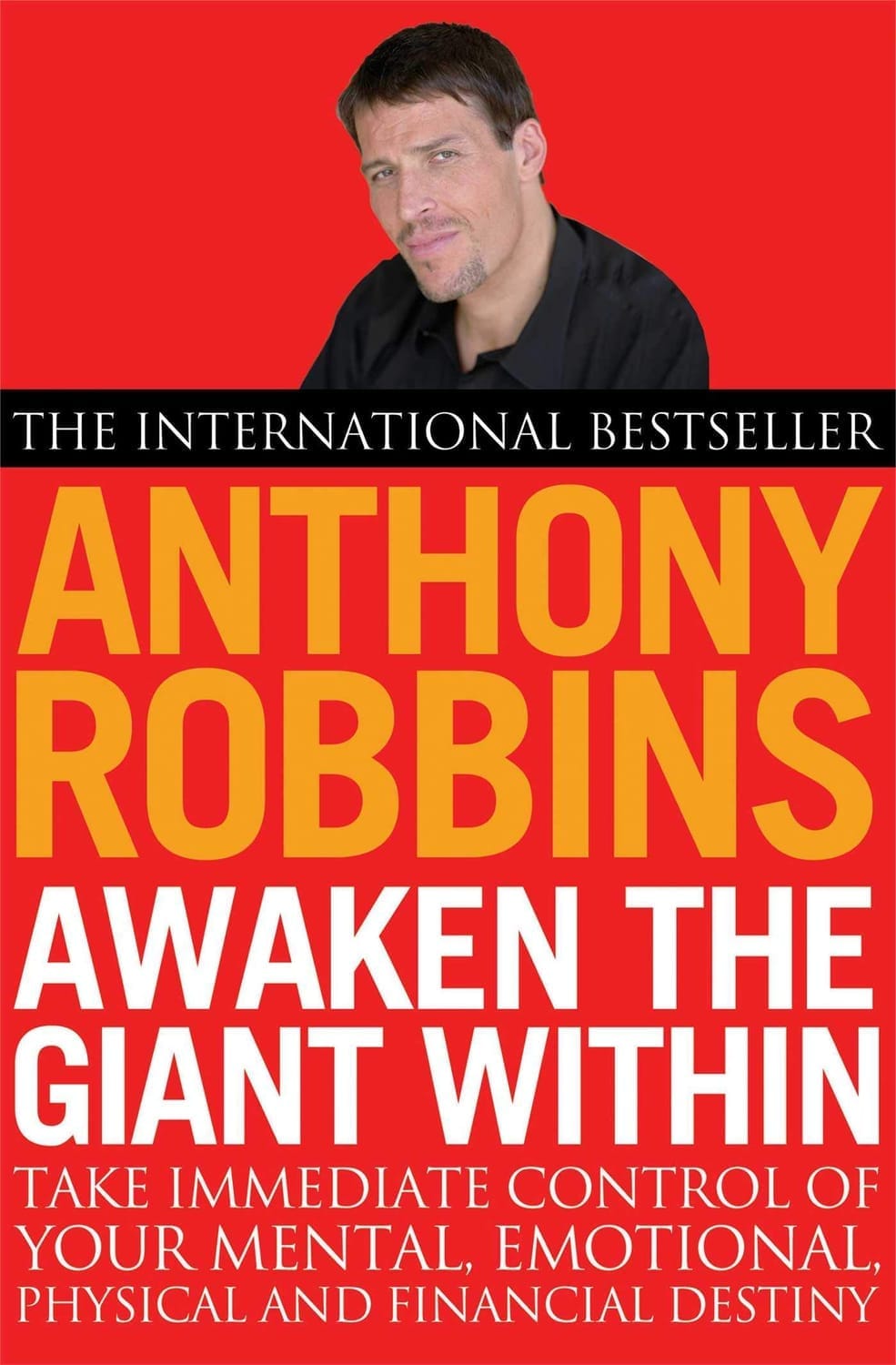
Awaken the Giant Within
Take control of your mindset, emotions, finances, and habits so you can unlock the power and potential already inside you.

Book of Proverbs
Timeless wisdom on discipline, money, relationships, leadership, and decision-making — practical success principles that still apply today.
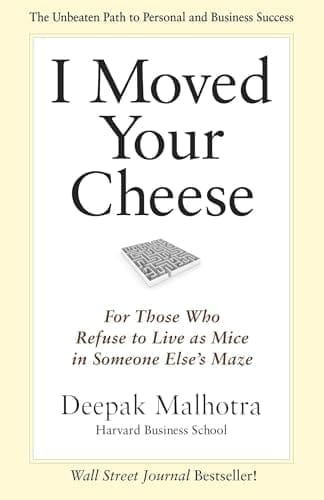
I Moved Your Cheese
A simple but powerful lesson on challenging paradigms, overcoming fear, and rethinking the status quo in an ever-changing world.

Peaks and Valleys
Learn how to navigate life’s highs and lows wisely — and how difficult seasons can become stepping stones to greater success.
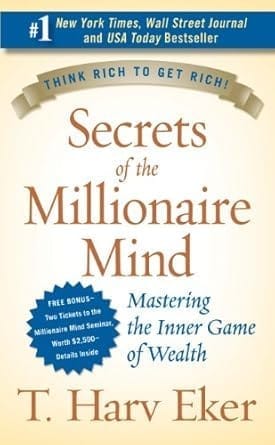
Secrets of the Millionaire Mind
Discover the hidden money beliefs shaping your financial life — and how to reprogram your mindset for wealth and abundance.

Switch
Understand why change is difficult — and learn practical strategies to successfully change habits, behaviors, and results.
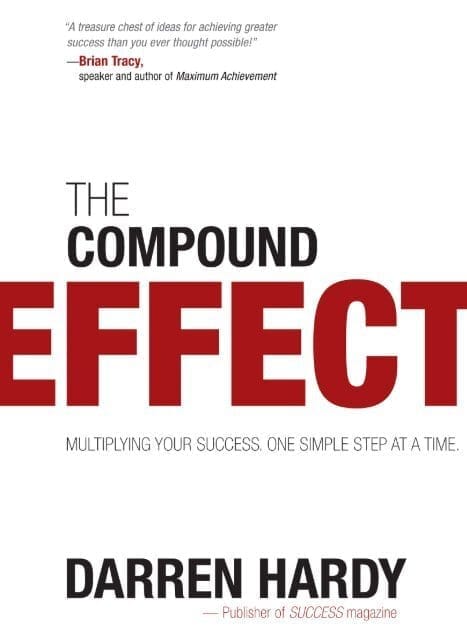
The Compound Effect
Small daily actions may seem insignificant, but over time they create extraordinary results in wealth, health, and success.
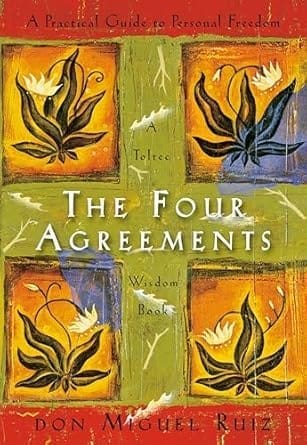
The Four Agreements
Four simple but life-changing principles to help you experience greater peace, freedom, confidence, and healthier relationships.
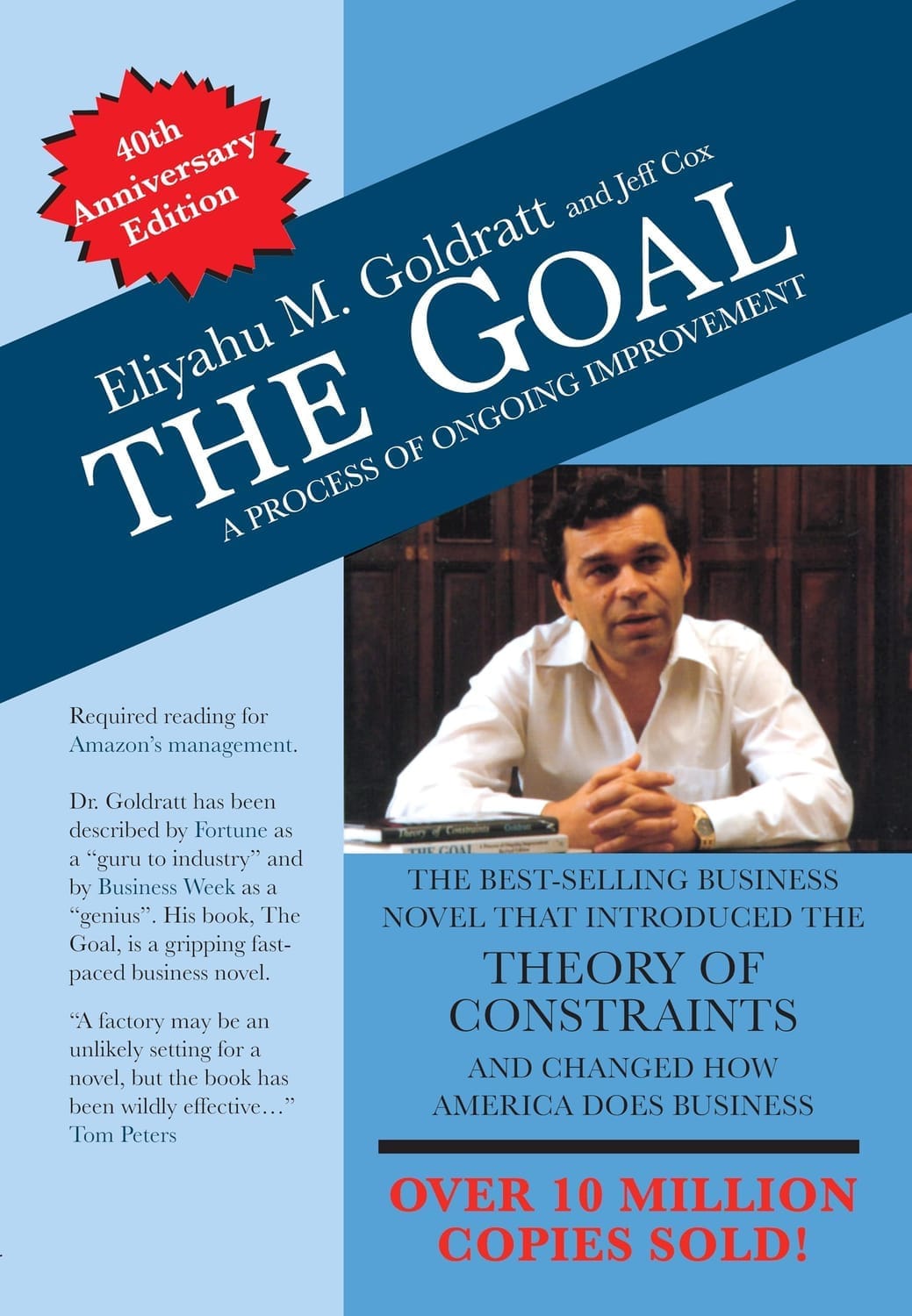
The Goal
A powerful business novel that teaches you how to identify bottlenecks, improve productivity, and focus on what truly drives results.
The Millionaire Booklet
A practical wake-up call about money, ambition, and the mindset required to escape financial struggle and pursue wealth seriously.
The One Thing
Learn how focusing on the most important task can dramatically improve your productivity, results, and quality of life.
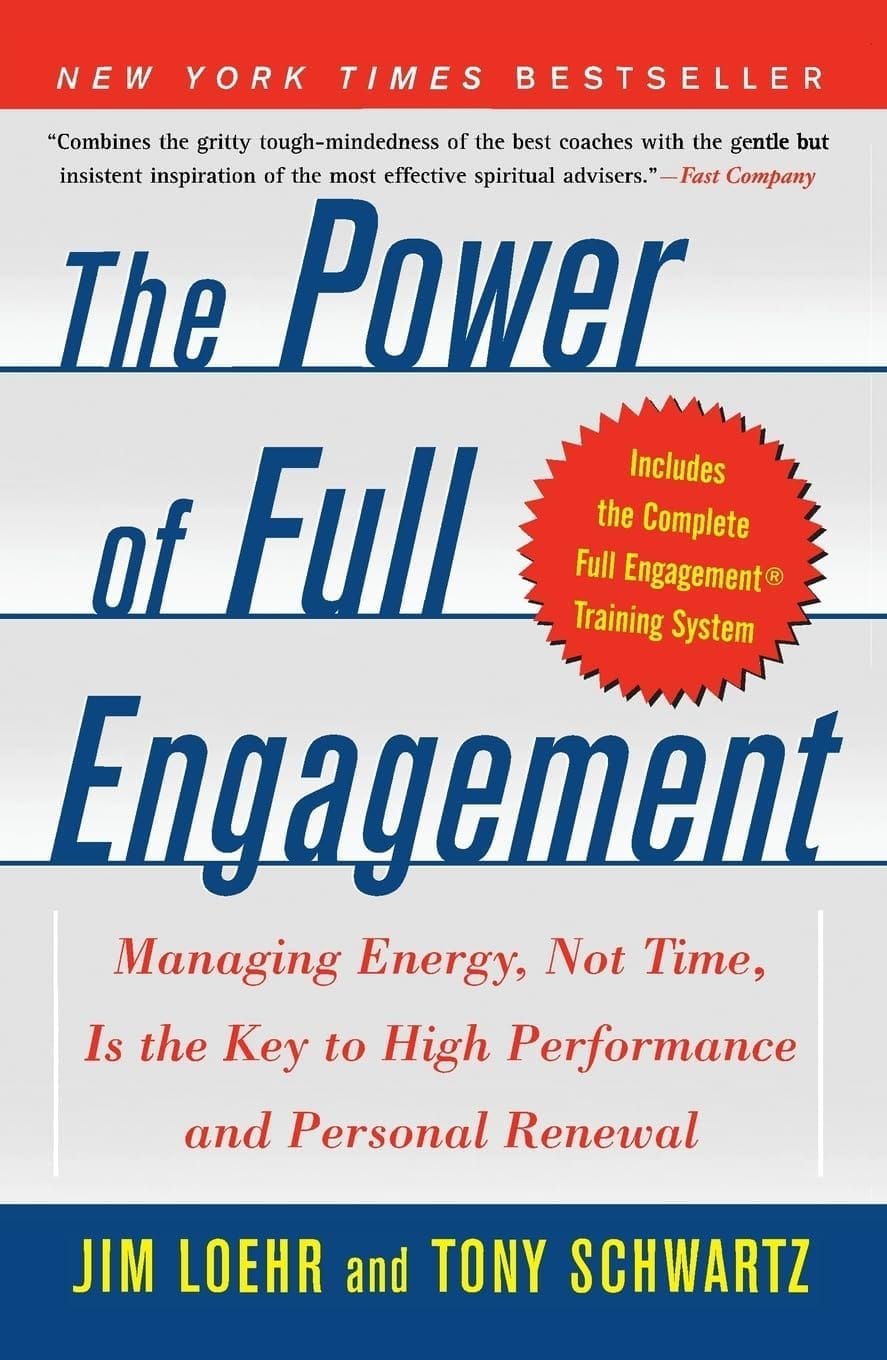
The Power of Full Engagement
Success isn’t just about managing time — it’s about managing your physical, emotional, mental, and spiritual energy effectively.
Richest Man In Babylon
Simple, timeless financial principles about saving, investing, discipline, and building long-term wealth.
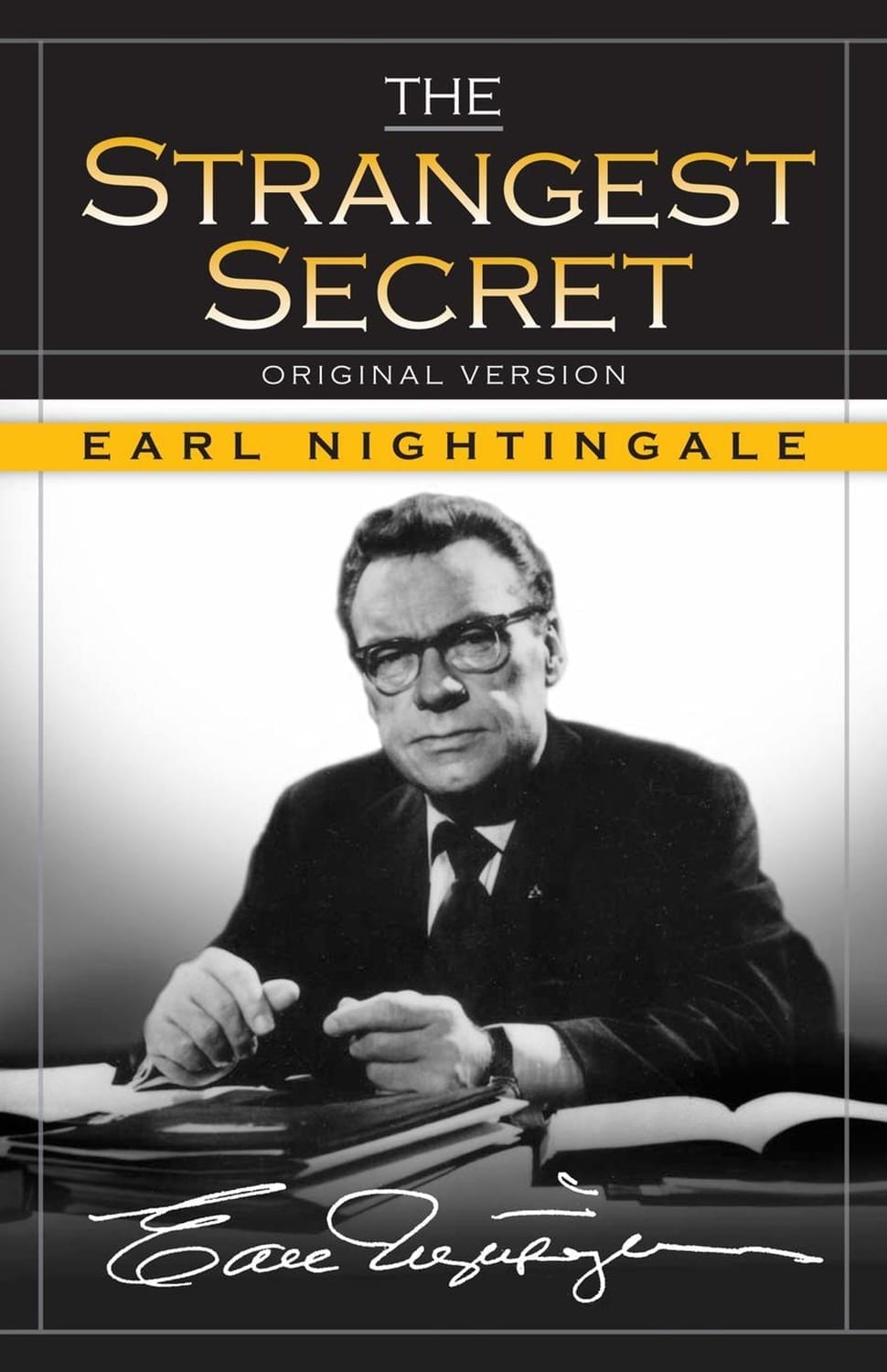
The Strangest Secret
You become what you think about most. Learn how your thoughts shape your success, habits, and future.

The Way to Wealth
Classic lessons on hard work, discipline, frugality, and wise financial stewardship that remain relevant centuries later.
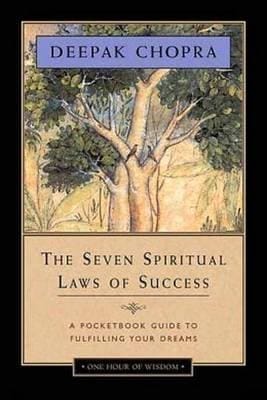
7 Spiritual Laws of Success
Discover spiritual principles that blend purpose, abundance, alignment, and inner peace with external success.

A Message to Garcia
A timeless lesson on initiative, responsibility, reliability, and becoming the kind of person who gets things done without excuses.
Great by Choice
Learn how exceptional companies succeed even in uncertainty through discipline, preparation, and consistent execution.
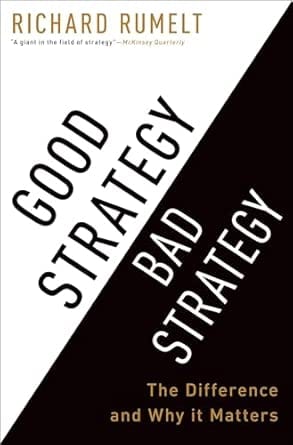
Good Strategy / Bad Strategy
Discover the difference between vague goals and real strategy — and learn how to focus your efforts where they matter most.

Think and Grow Rich
One of the most influential success books ever written — teaching the power of desire, faith, persistence, and focused action.

The Mental Equivalent
Learn how to create the mental and emotional conditions necessary to attract the life and outcomes you desire.

As a Man Thinketh
Your thoughts shape your character, habits, circumstances, and destiny. Master your mind and you transform your life.

The Game of Life
and How to Play It
A practical guide to spiritual laws, affirmations, faith, and aligning your thoughts and words with the life you want to create.
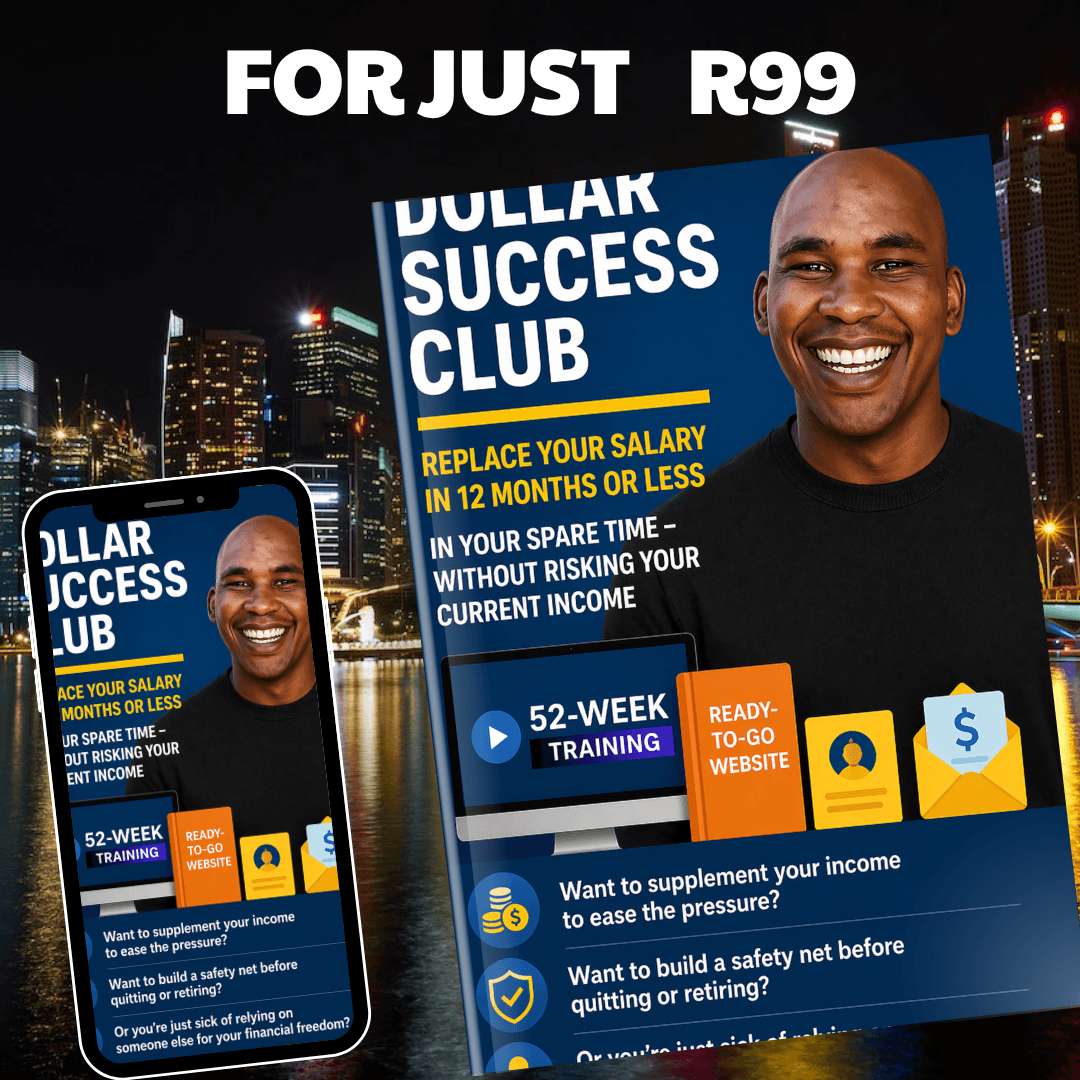
Dollar Success Club
A full system that shows you, step-by-step, how to start a real online business—even if you’re working full-time, even if you’ve never done this before.