
How to Build Your Local Business Without a Bulky Business Plan: A Practical Guide Using 13 Critical Questions
If you’ve ever tried to write a traditional business plan, you know it can be a long, tedious process. For many entrepreneurs, especially local business owners, that thick document often ends up collecting dust. What if, instead of getting lost in the details, you could kickstart your business with a lean, actionable plan that helps you focus on what really matters?
Luckily, there’s a simpler, more effective way to set your business up for success. By answering 13 critical questions, you can create a roadmap that not only helps you get started but also keeps you on track as you grow. This practical approach focuses on real-world execution rather than theoretical planning, making it ideal for busy entrepreneurs who need results.
Let’s dive into how you can use these questions to build your business from the ground up.
1. Who's the Right Customer?
Who Do We Serve?
The first step to any successful business is identifying your ideal customer. Understanding who you serve is crucial because not everyone is your customer. Be as specific as possible—think about their demographics, pain points, and what motivates them.
Practical Tip:
Create a customer persona—
a detailed profile of your ideal client.
This will guide your marketing, product development,
and customer service efforts.
2. How Will These Customers Find Us?
It’s not enough to have a great product or service;
you need to get it in front of the right people.
Think about the marketing channels that your ideal customers use. This could be social media platforms like Facebook,
Instagram, or even local community events.
Practical Tip:
Choose one or two marketing channels to start with,
and focus on mastering them before expanding.
Consistency is key.
3. What Will the Project
Look Like When It's Done?
Having a clear vision of what success looks like will help you stay focused and motivated. Define the end goal of your project—whether it’s a product launch, a new service offering, or opening a new location.
Practical Tip:
Use visualization techniques
or create a vision board to keep your goals front and center.
4. What Problem Does This Project Solve?
At the heart of every successful business is a problem that needs solving. Identify the specific problem your product or service addresses. Be honest: Is it a real problem? Does anyone care about getting this problem fixed? What happens if they don’t solve it?
Practical Tip:
Talk to potential customers and get their feedback.
The more you understand their pain points,
the better you can tailor your solution.
5. What Tools or Materials
Will We Need to Get This Built?
Understanding the resources you need upfront
will save you time and money. Make a list of the tools,
software, or equipment necessary to bring your project to life.
Practical Tip:
Prioritize cost-effective options that fit your budget,
especially if you’re a startup. You can always upgrade
later as your business grows.
6. What Partners Will We Involve
in This Project? Why?
No business operates in isolation. Consider the partners,
suppliers, or collaborators who can help you reach your goals faster. This could include vendors, freelancers, or even other local businesses.
Practical Tip:
Build strong relationships with partners
who share your values and can complement your offerings.
7. What Are Some Things
This Project Will Need to Do?
Outline the key tasks that need to be accomplished to complete your project. This is your project’s to-do list—everything that needs to happen to move from concept to reality.
Practical Tip:
Break down each task into manageable steps
and set deadlines to keep yourself accountable.
8. How Will We Make/Raise Money?
Revenue is the lifeblood of your business. Consider your pricing strategy, sales channels, and potential sources of funding. Will you be bootstrapping, seeking investors, or applying for loans?
Practical Tip:
Test your pricing model with a small group of customers to gauge their willingness to pay. This will help you set realistic revenue expectations.
9. What Other Services
Could We Provide Later?
Thinking ahead can open up new revenue streams.
What are some complementary services or products
you could offer once your main project is up and running?
Practical Tip:
Start by focusing on your core offering.
Once you’ve established a loyal customer base,
consider adding new services to meet their evolving needs.
10. Who Will Do the Work?
Identify the key players who will execute your plan.
This could be yourself, employees, or outsourced talent.
Clarity on roles and responsibilities ensures
that everyone knows what they’re accountable for.
Practical Tip:
If you’re starting solo, consider outsourcing non-core tasks like accounting or social media management to free up your time.
11. How Will We Know It's Working?
What Does Success Look Like?
Set clear, measurable goals so you can track your progress.
This could include sales targets, customer satisfaction scores,
or social media engagement metrics.
Practical Tip:
Use tools like Google Analytics, CRM software,
or simple spreadsheets to track your performance against your goals.
12. What Do We Need to Worry About (Potential Obstacles)?
Every business faces challenges. Identifying potential obstacles early on allows you to prepare and mitigate risks. These could include market competition, regulatory changes, or even economic downturns.
Practical Tip:
Develop a contingency plan for your most significant risks.
This way, you’re not caught off guard when things don’t go as planned.
13. First Steps: What Do We Need to Do
to Get the Project Moving?
The final question is all about action. Define the immediate next steps you need to take to move your project forward. This could be creating a website, reaching out to potential customers, or ordering supplies.
Practical Tip:
Prioritize these steps based on impact and urgency.
Focus on actions that will drive results quickly,
and avoid getting bogged down in non-essential details.
Why This Approach Works
By answering these 13 questions, you’re creating a lean,
actionable plan that focuses on execution rather than theory.
This approach is especially beneficial for local business owners
who need to adapt quickly to changing market conditions.
Instead of spending months crafting a traditional business plan,
you can get started right away and refine your strategy as you go.
This method not only saves time but also aligns your business
with real customer needs and market opportunities.
Final Thoughts
Starting a business doesn’t have to be overwhelming.
By using these 13 critical questions, you can build a solid foundation
for your business that focuses on practical execution rather than lengthy documentation.
Remember, the best business plan is the one you actually use.
So, grab a notebook, sit down with these questions,
and start building a business that’s ready to thrive.
The sooner you get started, the sooner you’ll see results.
This set of questions can transform the way you plan and execute
your business strategy. If you're looking for the source, it appears these questions align with lean business methodologies popularized
by thought leaders like Eric Ries, author of The Lean Startup.
While the exact source of these questions isn't clear,
they reflect a blend of practical, real-world business planning strategies that many successful entrepreneurs use.
Joined Dollar Success Club?
This is a community for people who want to:
• Start an online business
• Build multiple income streams
• Learn marketing and sales
• Turn ideas into profitable systems
Join the community here:
https://www.successclub.co.za/dollar
What You Miss By Not Joining Dollar Success Club...
Free practical action-based workbooks designed to help you apply powerful success principles immediately.
Topics include:
Mindset, Wealth, Discipline, Spirituality, Productivity, Purpose, Relationships, and so much more...
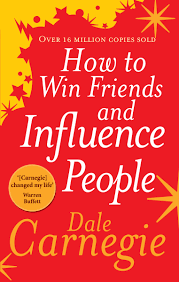
How to Win Friends and Influence People
Learn the timeless people skills that open doors, build influence, strengthen relationships, and help you succeed in business and life without manipulation or force.

Five Steps to Successful Selling
Master the foundations of persuasion, confidence, and ethical selling so you can close more deals, grow your income, and serve customers more effectively.

Acres of Diamonds
Discover how the opportunities you’ve been searching for may already exist right where you are — hidden in your skills, experiences, and environment.

Ask and It Is Given
Learn how your thoughts, emotions, and expectations shape your reality — and how to deliberately attract better outcomes into your life.

Awaken the Giant Within
Take control of your mindset, emotions, finances, and habits so you can unlock the power and potential already inside you.

Book of Proverbs
Timeless wisdom on discipline, money, relationships, leadership, and decision-making — practical success principles that still apply today.

I Moved Your Cheese
A simple but powerful lesson on challenging paradigms, overcoming fear, and rethinking the status quo in an ever-changing world.

Peaks and Valleys
Learn how to navigate life’s highs and lows wisely — and how difficult seasons can become stepping stones to greater success.

Secrets of the Millionaire Mind
Discover the hidden money beliefs shaping your financial life — and how to reprogram your mindset for wealth and abundance.

Switch
Understand why change is difficult — and learn practical strategies to successfully change habits, behaviors, and results.

The Compound Effect
Small daily actions may seem insignificant, but over time they create extraordinary results in wealth, health, and success.

The Four Agreements
Four simple but life-changing principles to help you experience greater peace, freedom, confidence, and healthier relationships.
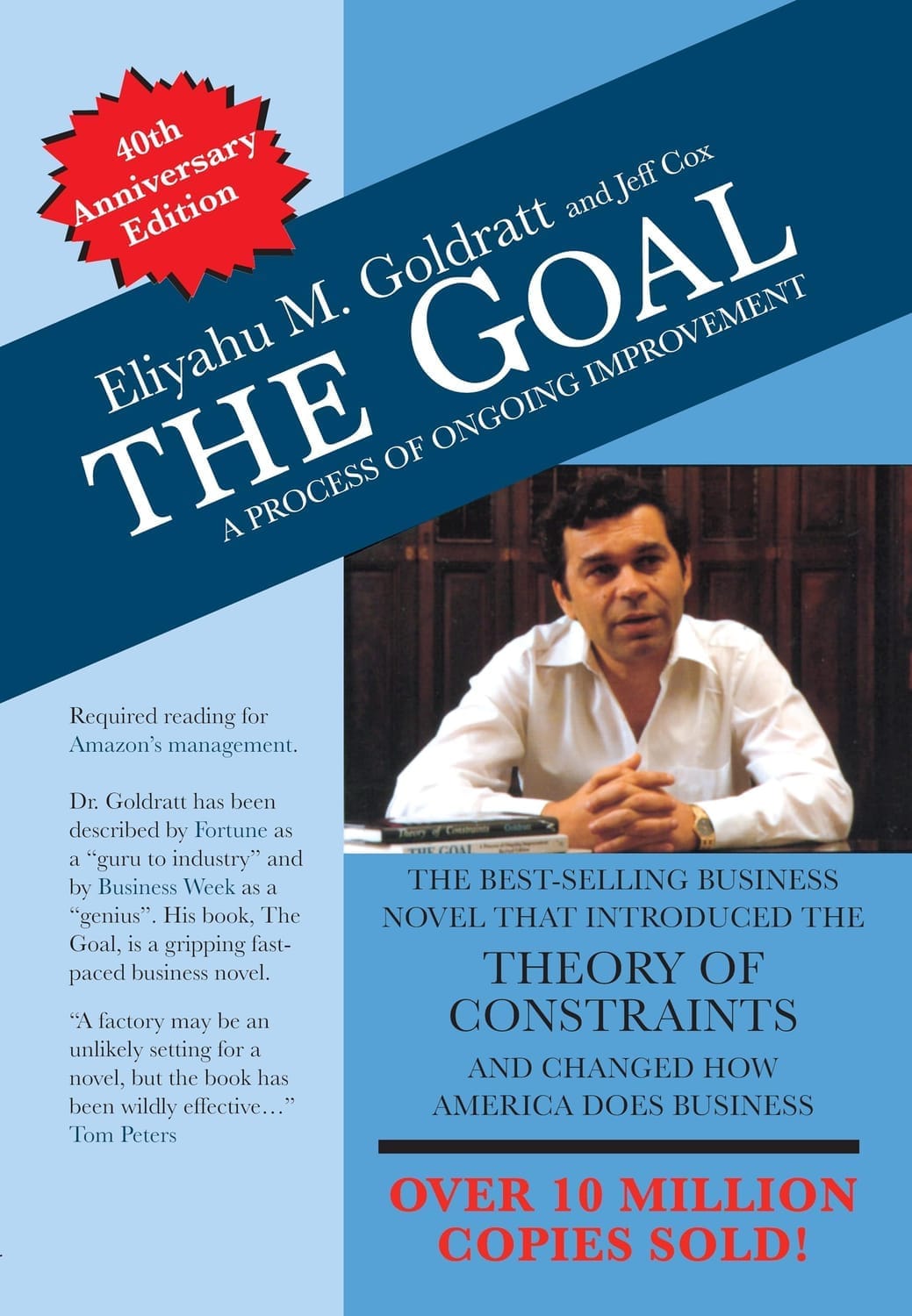
The Goal
A powerful business novel that teaches you how to identify bottlenecks, improve productivity, and focus on what truly drives results.

The Millionaire Booklet
A practical wake-up call about money, ambition, and the mindset required to escape financial struggle and pursue wealth seriously.

The One Thing
Learn how focusing on the most important task can dramatically improve your productivity, results, and quality of life.
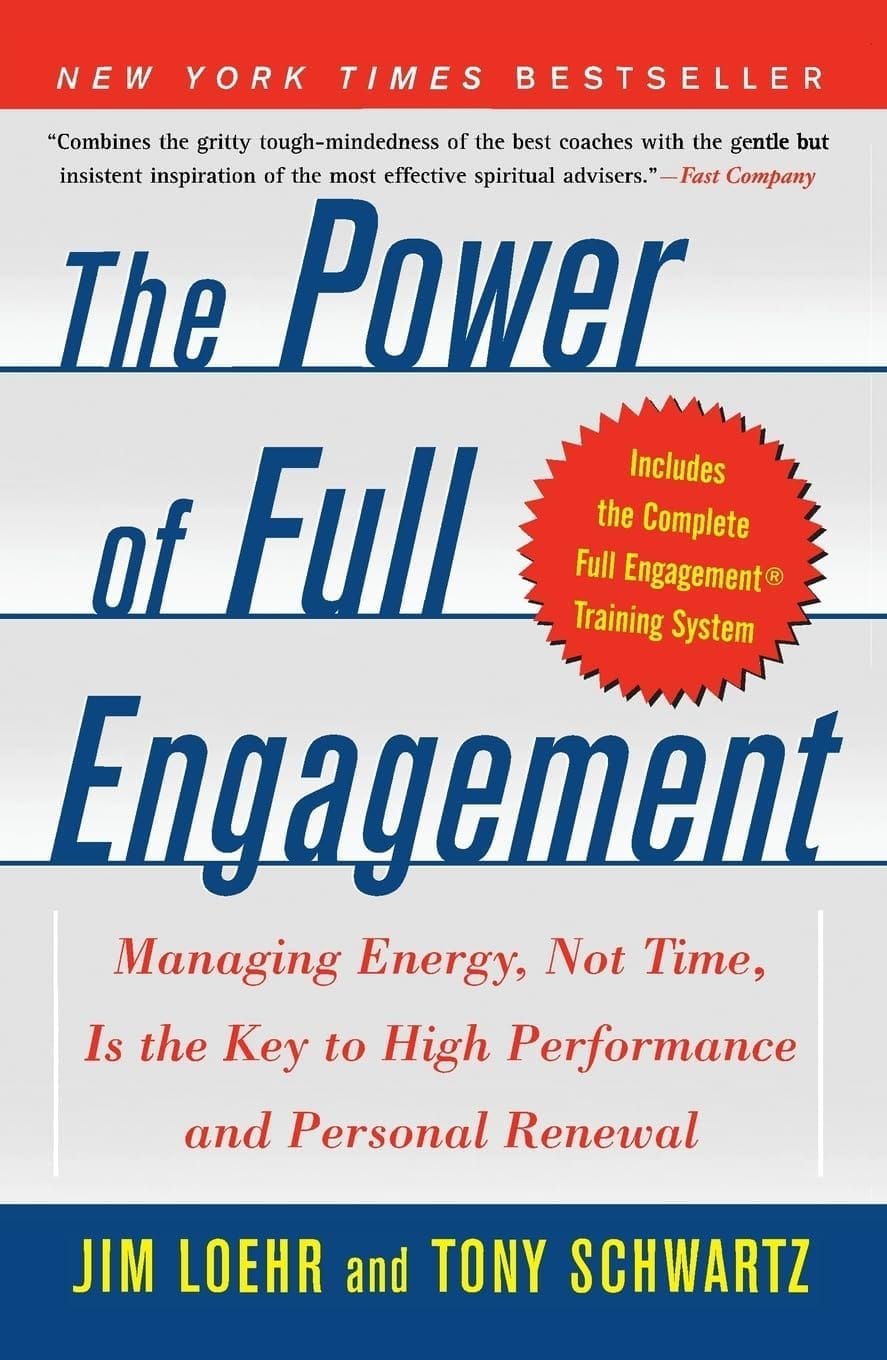
The Power of Full Engagement
Success isn’t just about managing time — it’s about managing your physical, emotional, mental, and spiritual energy effectively.
Richest Man In Babylon
Simple, timeless financial principles about saving, investing, discipline, and building long-term wealth.

The Strangest Secret
You become what you think about most. Learn how your thoughts shape your success, habits, and future.

The Way to Wealth
Classic lessons on hard work, discipline, frugality, and wise financial stewardship that remain relevant centuries later.

7 Spiritual Laws of Success
Discover spiritual principles that blend purpose, abundance, alignment, and inner peace with external success.

A Message to Garcia
A timeless lesson on initiative, responsibility, reliability, and becoming the kind of person who gets things done without excuses.
Great by Choice
Learn how exceptional companies succeed even in uncertainty through discipline, preparation, and consistent execution.
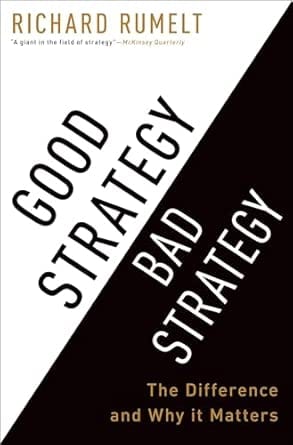
Good Strategy / Bad Strategy
Discover the difference between vague goals and real strategy — and learn how to focus your efforts where they matter most.

Think and Grow Rich
One of the most influential success books ever written — teaching the power of desire, faith, persistence, and focused action.

The Mental Equivalent
Learn how to create the mental and emotional conditions necessary to attract the life and outcomes you desire.

As a Man Thinketh
Your thoughts shape your character, habits, circumstances, and destiny. Master your mind and you transform your life.

The Game of Life
and How to Play It
A practical guide to spiritual laws, affirmations, faith, and aligning your thoughts and words with the life you want to create.

Dollar Success Club
A full system that shows you, step-by-step, how to start a real online business—even if you’re working full-time, even if you’ve never done this before.