
Here’s How Artificial Intelligence May Reshape Your World
Artificial Intelligence (AI) and machine learning (ML) are set to transform education, jobs, and businesses in profound ways over the next 5 to 10 years. Let’s break down their impact in these areas:
Education
AI and ML in Education will lead to personalized, efficient, and accessible learning experiences. Key changes could include:
Personalized Learning: AI will enable highly customized learning paths based on individual student needs, strengths, and weaknesses. Adaptive learning platforms like Khan Academy or Duolingo already provide tailored lessons, but AI will take this to the next level. It will analyze student performance in real-time and adjust content dynamically to fit the learner's pace, style, and preferences.
AI Tutors and Virtual Assistants: AI-powered tutoring systems will provide 24/7 support for students. These systems will answer questions, explain concepts, and even offer practice tests, all without the need for a human tutor. Chatbots can help with administrative queries, leaving educators more time to focus on teaching.
Automated Administrative Tasks: AI will streamline administrative tasks such as grading, scheduling, and tracking student performance. This will allow educators to dedicate more time to creative teaching and student engagement, and reduce the workload on repetitive tasks.
Improved Learning Analytics: AI and ML will allow teachers and educational institutions to track and predict student outcomes more effectively. By analyzing large datasets, AI can identify at-risk students early and offer interventions to improve their academic performance.
Immersive Learning with AI & VR: Virtual Reality (VR) combined with AI will create immersive learning environments where students can simulate real-world scenarios. For example, medical students might use VR to practice surgeries, or history students might experience ancient civilizations firsthand.
Jobs
AI and ML will have a profound impact on the job market, reshaping the nature of work and the skills required for future careers. The effects will be both disruptive and transformative:
Job Displacement: Routine, repetitive, and manual jobs (e.g., data entry, basic manufacturing, customer support) will be increasingly automated. AI-driven robots and algorithms will replace tasks previously performed by humans, leading to job displacement in some sectors. Industries such as manufacturing, retail, and even finance may see some roles become obsolete.
New Job Creation: While automation will reduce certain jobs, AI will create new roles in AI development, maintenance, and implementation. Jobs like AI specialists, data scientists, machine learning engineers, and AI ethicists will be in high demand. Moreover, roles that require uniquely human skills, such as creativity, empathy, problem-solving, and strategic thinking, will grow.
Hybrid Jobs: AI will complement human work rather than entirely replace it. Many roles will become "hybrid jobs", where workers leverage AI tools to boost productivity. For example, doctors might use AI to assist with diagnoses, or marketers could use AI for customer data analysis, allowing them to focus more on creative strategies.
Lifelong Learning: As AI reshapes industries, continuous learning will be essential for staying relevant. Upskilling and reskilling programs, often driven by AI itself, will be crucial in helping workers transition to new roles and gain expertise in AI, data science, and other emerging fields.
Ethics and Oversight Roles: AI will also create the need for ethical oversight, regulation, and policy roles to manage how AI is implemented. AI ethicists, legal experts, and policymakers will work to ensure that AI systems are fair, transparent, and unbiased.
Businesses
AI and ML will revolutionize how businesses operate, innovate, and compete, creating significant opportunities for growth and efficiency:
Automation of Processes: AI will streamline processes across industries, from customer service to supply chain management. Chatbots will handle customer queries, while machine learning algorithms will predict demand and manage inventory automatically. This will improve efficiency, reduce costs, and speed up operations.
Data-Driven Decision Making: Businesses will increasingly rely on AI-driven analytics to make strategic decisions. Machine learning algorithms will process vast amounts of data to uncover insights, predict market trends, and optimize business strategies. Companies that effectively harness the power of AI in decision-making will have a competitive advantage.
Enhanced Customer Experiences: AI will personalize customer experiences like never before. Businesses will use AI to analyze consumer behavior, preferences, and feedback in real-time, enabling hyper-personalized marketing campaigns and product recommendations. AI-powered chatbots and virtual assistants will enhance customer support with 24/7 service, faster response times, and personalized interactions.
AI-Driven Innovation: Companies will use AI to drive innovation in product development, design, and service delivery. For example, AI can help engineers simulate designs or test products virtually, accelerating the innovation cycle. AI can also identify new business models or markets based on predictive analytics.
Cybersecurity: AI will play a crucial role in enhancing business cybersecurity. AI-powered systems will detect and respond to cyber threats in real-time, offering better protection against data breaches and cyberattacks. Machine learning algorithms will also be able to anticipate potential threats by analyzing past patterns and behavior.
Job Creation and New Roles in AI: Businesses will need skilled AI professionals to develop and maintain these systems. New roles will emerge for AI trainers, AI auditors, data scientists, and AI product managers. Even traditional roles like HR, finance, and marketing will become more tech-oriented as AI tools are integrated into business processes.
Conclusion
AI and machine learning will drastically reshape education, jobs, and businesses in South Africa and across the globe in the next 5-10 years.
In education, personalized learning and automation will enhance student experiences and free up educators’ time for more meaningful interactions. In jobs, AI will lead to automation in some roles but create opportunities in new and evolving fields. Lastly, in businesses, AI will revolutionize operations, data-driven decision-making, and customer experiences.
Adapting to these changes requires a focus on upskilling, lifelong learning, and fostering creativity and human-centric skills that complement AI, ensuring that people, businesses, and industries thrive in this rapidly evolving landscape.
Joined Dollar Success Club?
This is a community for people who want to:
• Start an online business
• Build multiple income streams
• Learn marketing and sales
• Turn ideas into profitable systems
Join the community here:
https://www.successclub.co.za/dollar
What You Miss By Not Joining Dollar Success Club...
Free practical action-based workbooks designed to help you apply powerful success principles immediately.
Topics include:
Mindset, Wealth, Discipline, Spirituality, Productivity, Purpose, Relationships, and so much more...
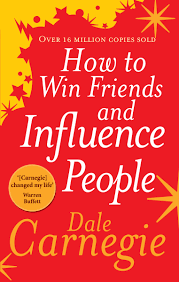
How to Win Friends and Influence People
Learn the timeless people skills that open doors, build influence, strengthen relationships, and help you succeed in business and life without manipulation or force.

Five Steps to Successful Selling
Master the foundations of persuasion, confidence, and ethical selling so you can close more deals, grow your income, and serve customers more effectively.

Acres of Diamonds
Discover how the opportunities you’ve been searching for may already exist right where you are — hidden in your skills, experiences, and environment.
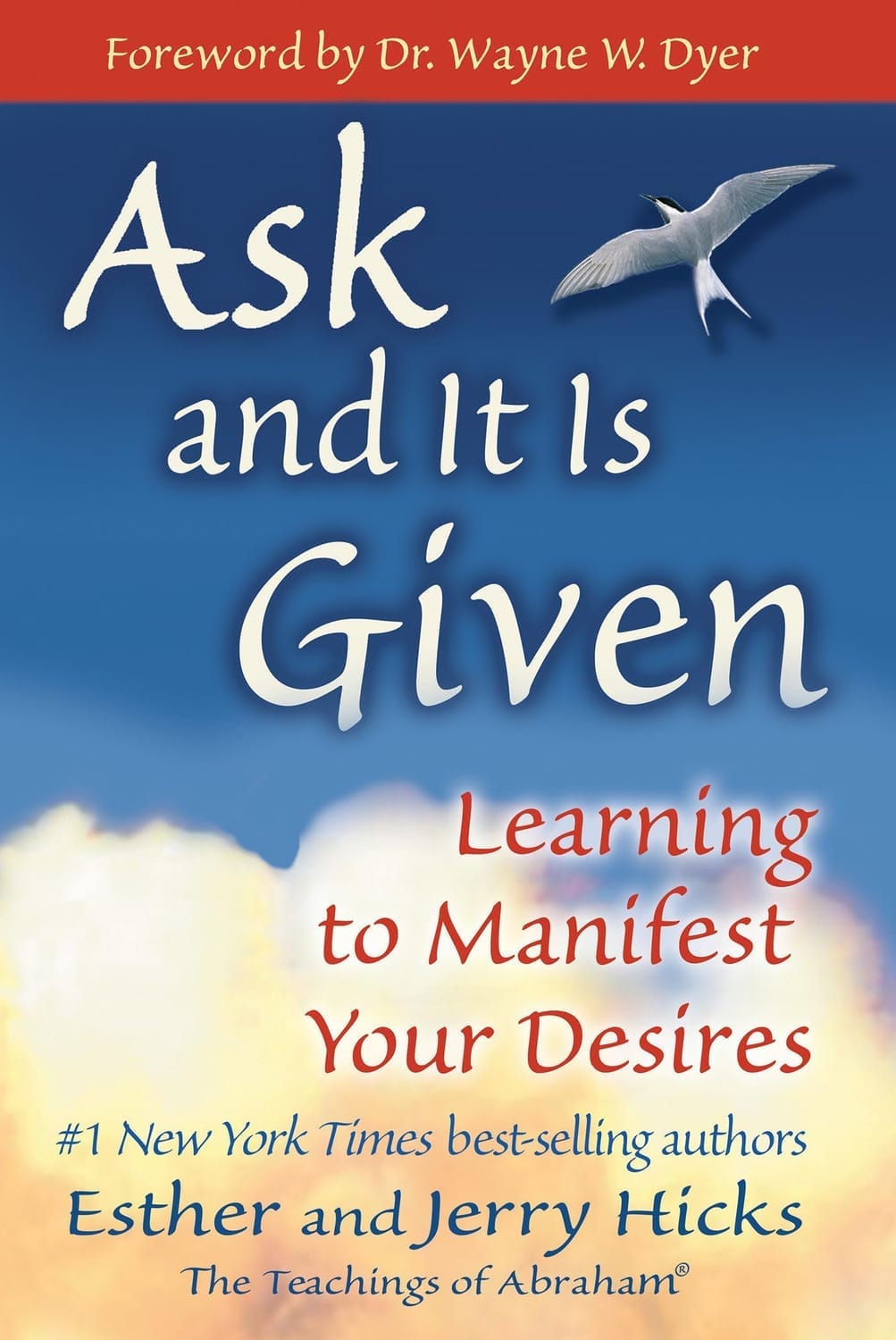
Ask and It Is Given
Learn how your thoughts, emotions, and expectations shape your reality — and how to deliberately attract better outcomes into your life.

Awaken the Giant Within
Take control of your mindset, emotions, finances, and habits so you can unlock the power and potential already inside you.

Book of Proverbs
Timeless wisdom on discipline, money, relationships, leadership, and decision-making — practical success principles that still apply today.
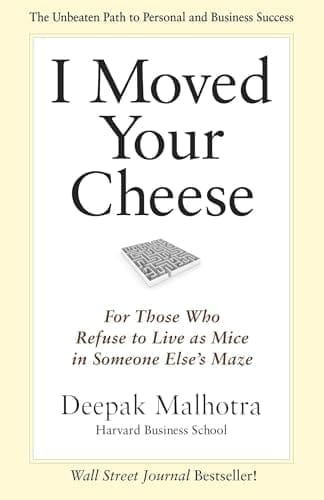
I Moved Your Cheese
A simple but powerful lesson on challenging paradigms, overcoming fear, and rethinking the status quo in an ever-changing world.

Peaks and Valleys
Learn how to navigate life’s highs and lows wisely — and how difficult seasons can become stepping stones to greater success.

Secrets of the Millionaire Mind
Discover the hidden money beliefs shaping your financial life — and how to reprogram your mindset for wealth and abundance.

Switch
Understand why change is difficult — and learn practical strategies to successfully change habits, behaviors, and results.
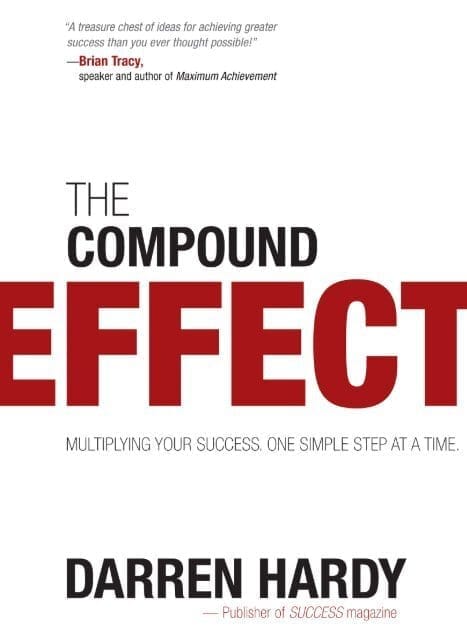
The Compound Effect
Small daily actions may seem insignificant, but over time they create extraordinary results in wealth, health, and success.

The Four Agreements
Four simple but life-changing principles to help you experience greater peace, freedom, confidence, and healthier relationships.
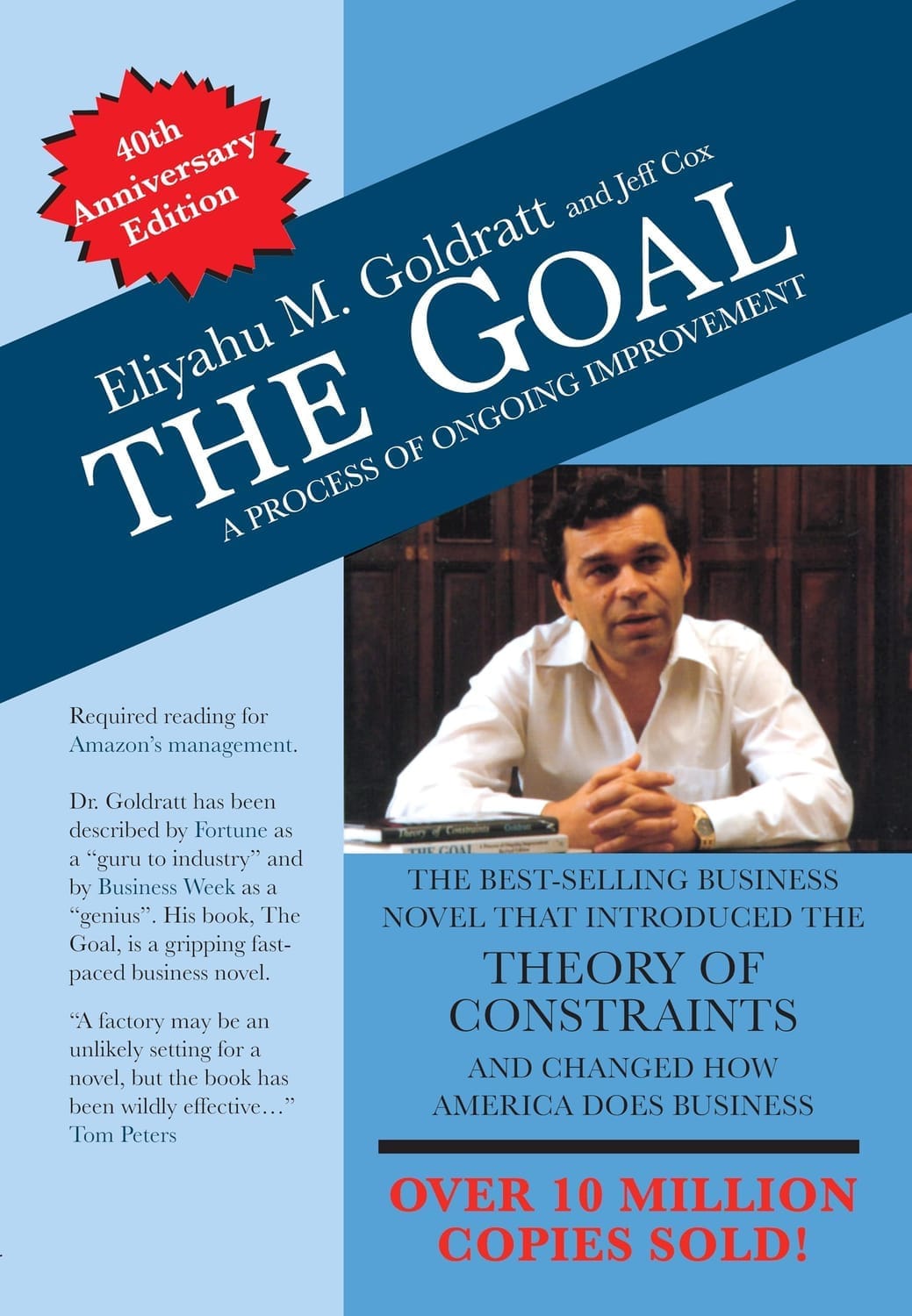
The Goal
A powerful business novel that teaches you how to identify bottlenecks, improve productivity, and focus on what truly drives results.

The Millionaire Booklet
A practical wake-up call about money, ambition, and the mindset required to escape financial struggle and pursue wealth seriously.

The One Thing
Learn how focusing on the most important task can dramatically improve your productivity, results, and quality of life.
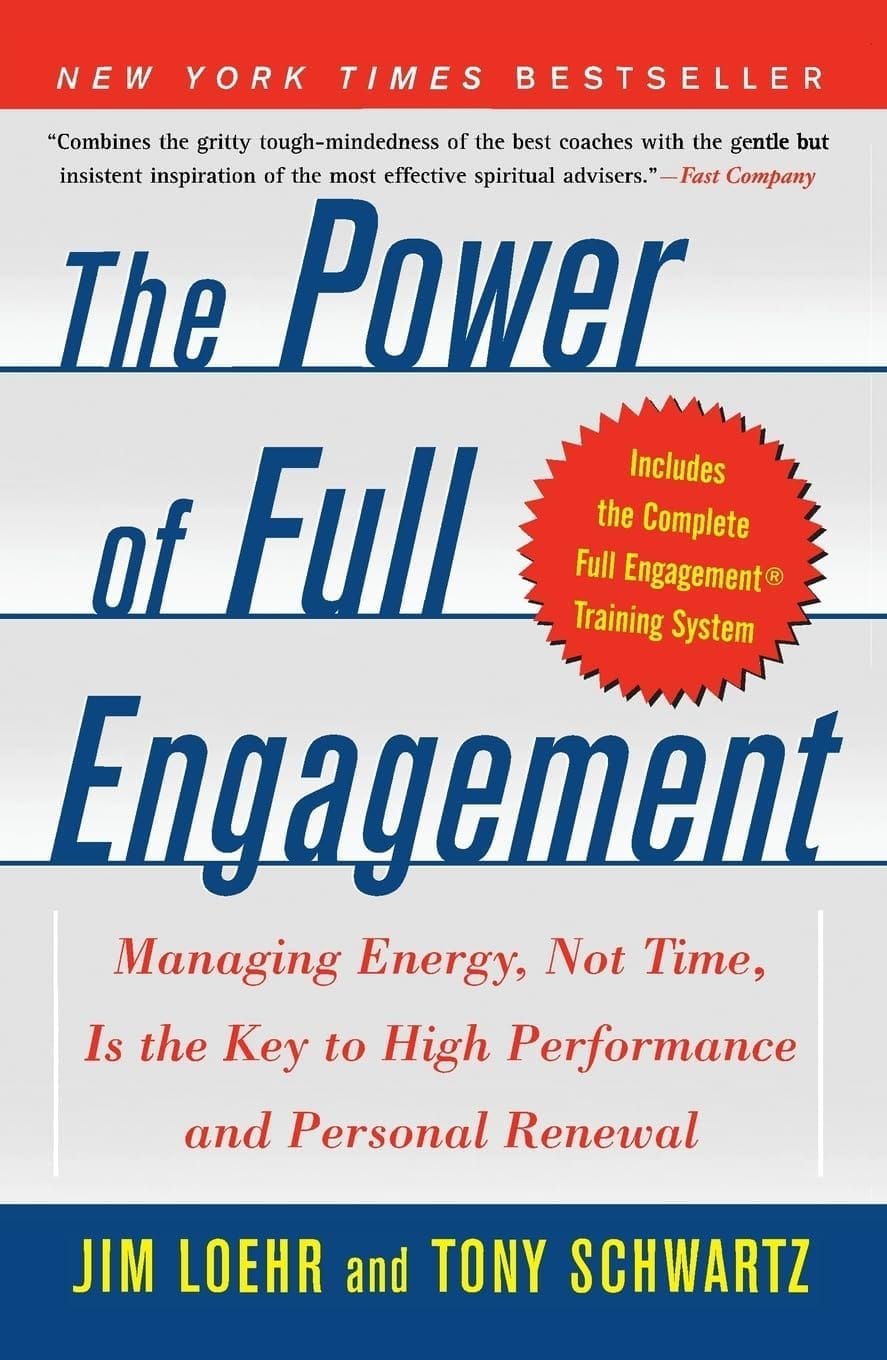
The Power of Full Engagement
Success isn’t just about managing time — it’s about managing your physical, emotional, mental, and spiritual energy effectively.
Richest Man In Babylon
Simple, timeless financial principles about saving, investing, discipline, and building long-term wealth.

The Strangest Secret
You become what you think about most. Learn how your thoughts shape your success, habits, and future.
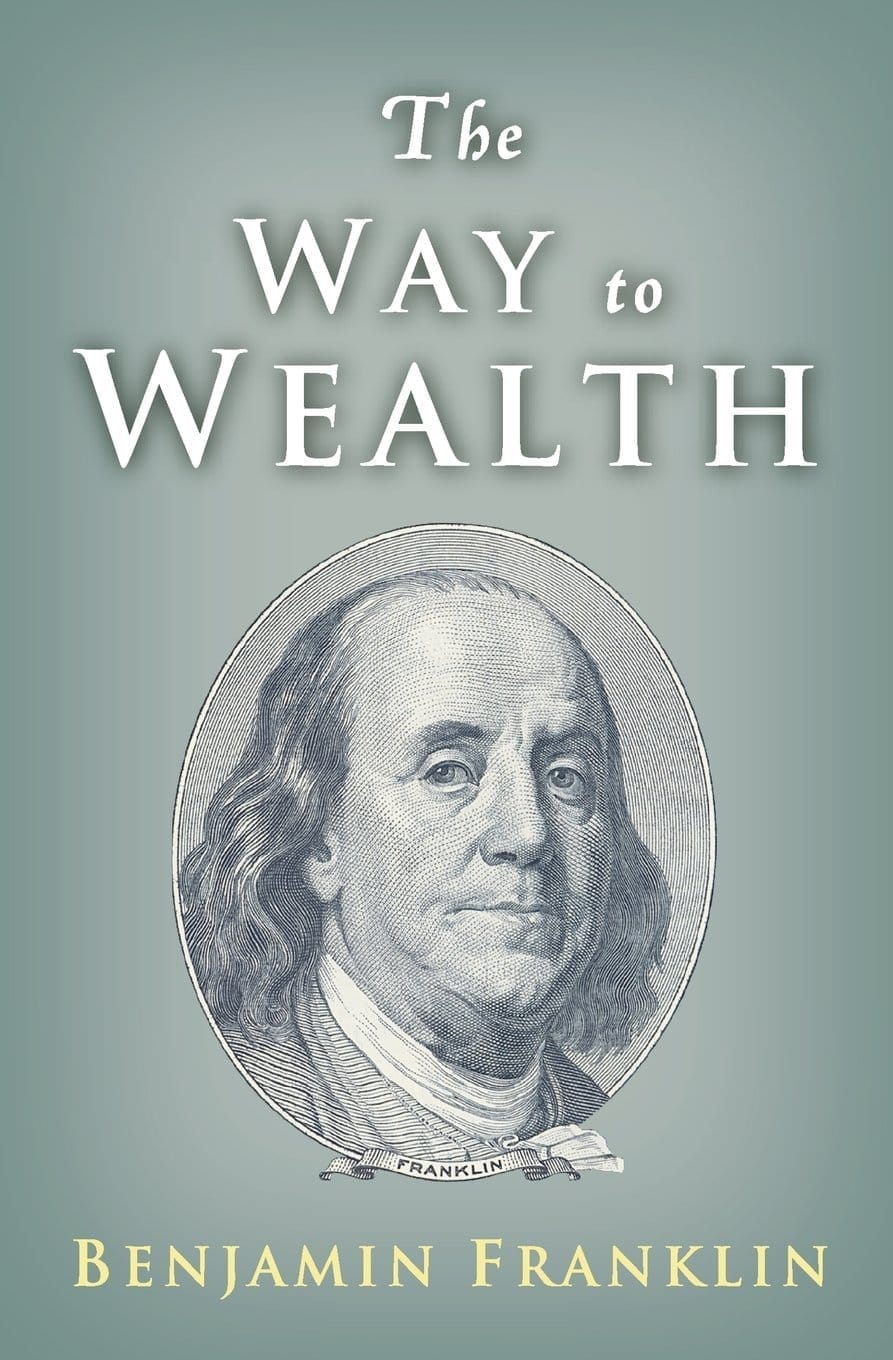
The Way to Wealth
Classic lessons on hard work, discipline, frugality, and wise financial stewardship that remain relevant centuries later.

7 Spiritual Laws of Success
Discover spiritual principles that blend purpose, abundance, alignment, and inner peace with external success.

A Message to Garcia
A timeless lesson on initiative, responsibility, reliability, and becoming the kind of person who gets things done without excuses.
Great by Choice
Learn how exceptional companies succeed even in uncertainty through discipline, preparation, and consistent execution.
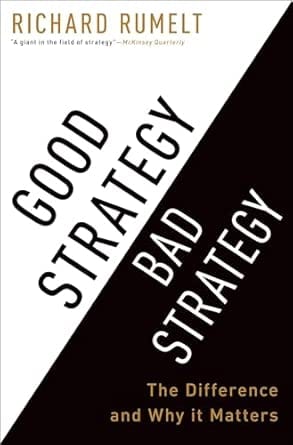
Good Strategy / Bad Strategy
Discover the difference between vague goals and real strategy — and learn how to focus your efforts where they matter most.
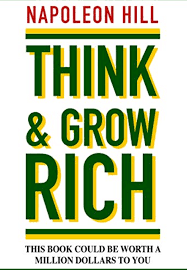
Think and Grow Rich
One of the most influential success books ever written — teaching the power of desire, faith, persistence, and focused action.
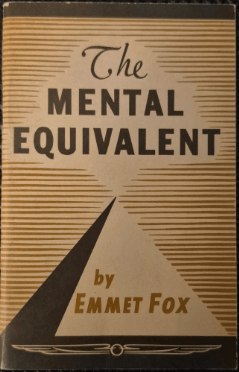
The Mental Equivalent
Learn how to create the mental and emotional conditions necessary to attract the life and outcomes you desire.
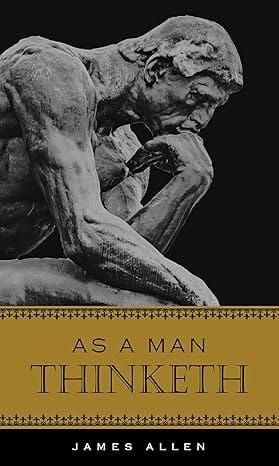
As a Man Thinketh
Your thoughts shape your character, habits, circumstances, and destiny. Master your mind and you transform your life.

The Game of Life
and How to Play It
A practical guide to spiritual laws, affirmations, faith, and aligning your thoughts and words with the life you want to create.

Dollar Success Club
A full system that shows you, step-by-step, how to start a real online business—even if you’re working full-time, even if you’ve never done this before.