
Front-Ends vs. Back-Ends: Why Bother?
In the context of a business, front-end and back-end offers refer to two parts of the customer journey that work together to attract customers, generate revenue, and foster long-term relationships.
What Is the Front-End?
The front-end is the initial product, service, or offer that brings customers into your business. It’s often low-cost, easy to purchase,
and designed to attract new customers quickly.
Role/Benefit of the Front-End:
Customer Acquisition: Helps introduce your business to new customers.
Low Barrier to Entry: Offers something affordable or appealing to get people to engage.
Lead Generation: Captures customer information for future marketing.
Building Trust: Provides value upfront, which builds trust and opens the door for future sales.
Examples of Front-End Offers for Local Businesses:
Egg Business: Sell a discounted dozen eggs or offer a “buy one, get one free” deal.
Hair Salon: Provide a first-time customer discount on a haircut.
Car Wash: Offer a free basic car wash with any additional service.
Clothing Boutique: Run a “50% off first purchase” promotion.
What Is the Back-End?
The back-end consists of follow-up offers or services that provide
more value and generate higher profits. These are usually targeted
at existing customers who have already engaged with your front-end offer.
Role/Benefit of the Back-End:
Higher Profit Margins: Back-end products are typically more expensive, increasing profitability.
Customer Retention: Encourages repeat purchases and builds customer loyalty.
Upselling Opportunities: Offers premium or additional services/products to enhance the customer’s experience.
Long-Term Value: Builds the customer’s lifetime value (CLV).
Examples of Back-End Offers
for Local Businesses:
Egg Business: Sell bulk egg trays, organic eggs, or egg subscription delivery services.
Hair Salon: Offer hair coloring, premium treatments, or membership packages for regular customers.
Car Wash: Sell monthly or annual membership packages for unlimited washes.
Clothing Boutique: Offer styling consultations, exclusive designer collections, or loyalty program discounts.
How to Create Front-End and Back-End Offers in Your Local Business:
1. Identify Your Front-End Product or Service:
Choose something affordable, appealing, and easy to sell.
Ensure it solves a specific problem or fulfills an immediate need.
2. Design a Back-End Strategy:
Think about what additional value you can provide after the initial sale.
Examples: Premium upgrades, subscription services, bundles, or exclusive access.
3. Build a Funnel Between the Front-End and Back-End:
Use your front-end product to capture customer information (e.g., name, email, phone number).
Follow up with personalized offers for back-end products/services.
Example: After selling discounted eggs, send a WhatsApp message offering bulk egg trays or farm subscriptions.
4. Use Data to Optimize Your Offers:
Track which front-end offers are converting customers and which back-end offers are generating the most profit.
Experiment with different price points, bundles, and promotions to see what works best.
How to Know It's Working:
Metrics to Track:
Conversion Rates: How many people who purchase your front-end product also buy your back-end offers?
Customer Retention: Are customers coming back repeatedly?
Profitability: Is your back-end generating significant profit compared to your front-end?
Customer Lifetime Value (CLV): Are you increasing the value of each customer over time?
Lead Growth: Are your front-end offers consistently bringing in new customers?
Signs of Success:
· Your front-end consistently attracts new customers.
· Your back-end is generating significant revenue and profit.
· You’re seeing repeat business and loyal customers.
How Front-End and Back-End Work Together
Example: Egg Business
Front-End: Offer a special on a dozen eggs at a discounted price.
Back-End: Follow up with a subscription service for weekly egg delivery.
Example: Hair Salon
Front-End: Provide a first-time haircut discount.
Back-End: Offer regular customers a premium package for haircuts, coloring, and treatments.
What If It’s Not Working?
Reassess the Front-End Offer: Is it appealing enough to attract customers?
Review Pricing: Ensure the front-end is low-risk and affordable while the back-end is valuable and priced for profit.
Enhance Follow-Up: Are you effectively reaching out to customers to introduce your back-end products?
Customer Feedback: Ask customers what they want more of and what’s missing from your current offers.
By designing thoughtful front-end and back-end strategies, local businesses can create a seamless journey for customers, generate higher profits, and build long-term relationships. Focus on solving specific steps in the customer journey, and use data to continuously refine your approach.
Joined Dollar Success Club?
This is a community for people who want to:
• Start an online business
• Build multiple income streams
• Learn marketing and sales
• Turn ideas into profitable systems
Join the community here:
https://www.successclub.co.za/dollar
What You Miss By Not Joining Dollar Success Club...
Free practical action-based workbooks designed to help you apply powerful success principles immediately.
Topics include:
Mindset, Wealth, Discipline, Spirituality, Productivity, Purpose, Relationships, and so much more...
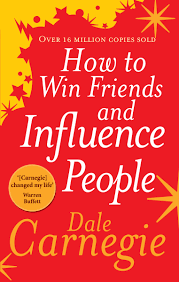
How to Win Friends and Influence People
Learn the timeless people skills that open doors, build influence, strengthen relationships, and help you succeed in business and life without manipulation or force.

Five Steps to Successful Selling
Master the foundations of persuasion, confidence, and ethical selling so you can close more deals, grow your income, and serve customers more effectively.

Acres of Diamonds
Discover how the opportunities you’ve been searching for may already exist right where you are — hidden in your skills, experiences, and environment.

Ask and It Is Given
Learn how your thoughts, emotions, and expectations shape your reality — and how to deliberately attract better outcomes into your life.

Awaken the Giant Within
Take control of your mindset, emotions, finances, and habits so you can unlock the power and potential already inside you.

Book of Proverbs
Timeless wisdom on discipline, money, relationships, leadership, and decision-making — practical success principles that still apply today.

I Moved Your Cheese
A simple but powerful lesson on challenging paradigms, overcoming fear, and rethinking the status quo in an ever-changing world.

Peaks and Valleys
Learn how to navigate life’s highs and lows wisely — and how difficult seasons can become stepping stones to greater success.

Secrets of the Millionaire Mind
Discover the hidden money beliefs shaping your financial life — and how to reprogram your mindset for wealth and abundance.

Switch
Understand why change is difficult — and learn practical strategies to successfully change habits, behaviors, and results.

The Compound Effect
Small daily actions may seem insignificant, but over time they create extraordinary results in wealth, health, and success.

The Four Agreements
Four simple but life-changing principles to help you experience greater peace, freedom, confidence, and healthier relationships.
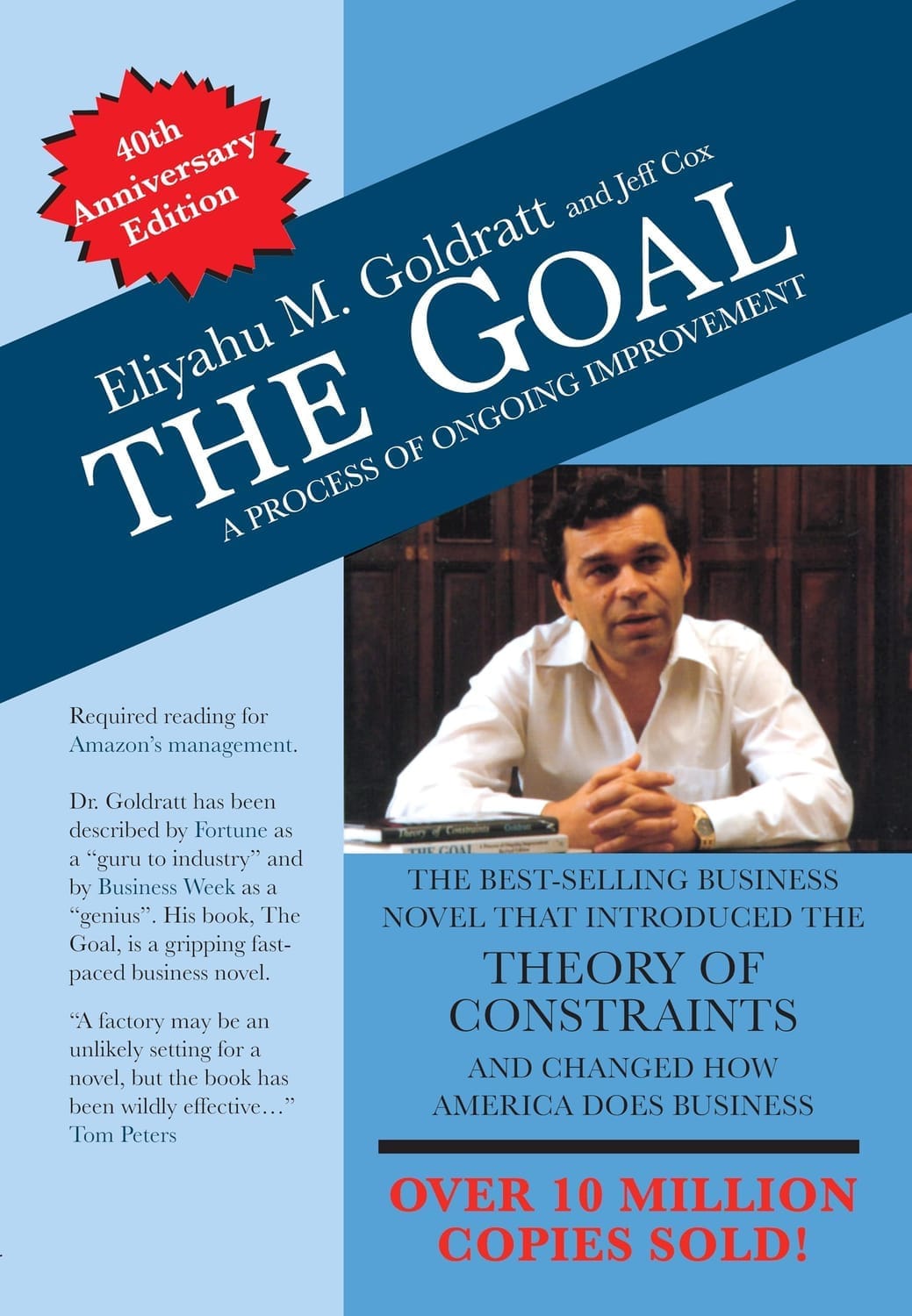
The Goal
A powerful business novel that teaches you how to identify bottlenecks, improve productivity, and focus on what truly drives results.

The Millionaire Booklet
A practical wake-up call about money, ambition, and the mindset required to escape financial struggle and pursue wealth seriously.

The One Thing
Learn how focusing on the most important task can dramatically improve your productivity, results, and quality of life.
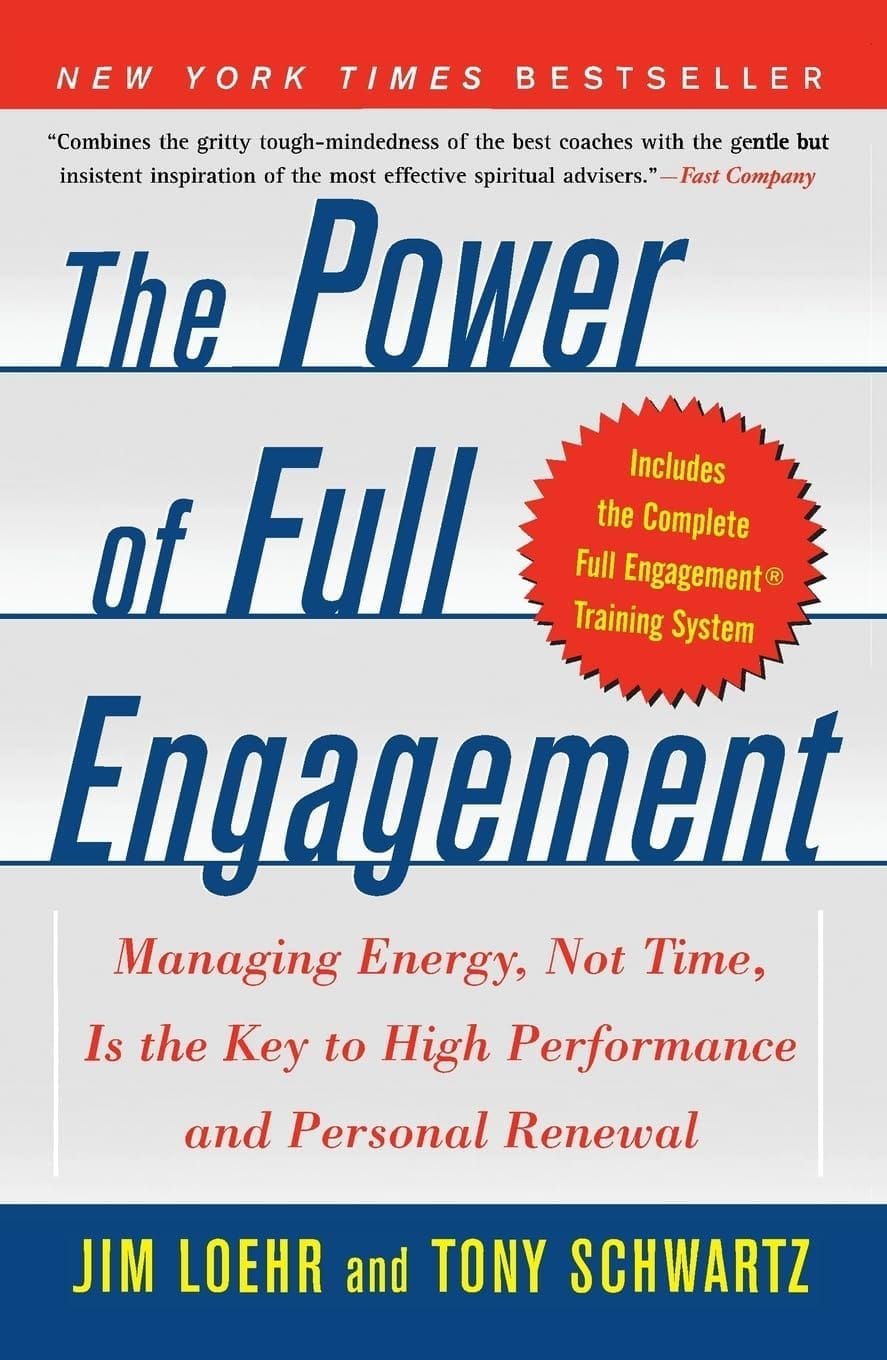
The Power of Full Engagement
Success isn’t just about managing time — it’s about managing your physical, emotional, mental, and spiritual energy effectively.
Richest Man In Babylon
Simple, timeless financial principles about saving, investing, discipline, and building long-term wealth.

The Strangest Secret
You become what you think about most. Learn how your thoughts shape your success, habits, and future.

The Way to Wealth
Classic lessons on hard work, discipline, frugality, and wise financial stewardship that remain relevant centuries later.

7 Spiritual Laws of Success
Discover spiritual principles that blend purpose, abundance, alignment, and inner peace with external success.

A Message to Garcia
A timeless lesson on initiative, responsibility, reliability, and becoming the kind of person who gets things done without excuses.
Great by Choice
Learn how exceptional companies succeed even in uncertainty through discipline, preparation, and consistent execution.
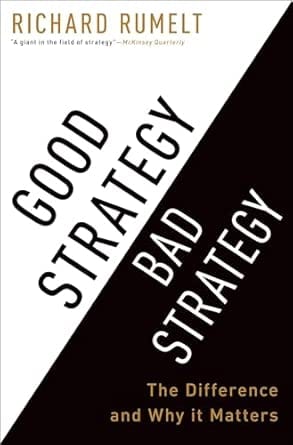
Good Strategy / Bad Strategy
Discover the difference between vague goals and real strategy — and learn how to focus your efforts where they matter most.

Think and Grow Rich
One of the most influential success books ever written — teaching the power of desire, faith, persistence, and focused action.

The Mental Equivalent
Learn how to create the mental and emotional conditions necessary to attract the life and outcomes you desire.

As a Man Thinketh
Your thoughts shape your character, habits, circumstances, and destiny. Master your mind and you transform your life.

The Game of Life
and How to Play It
A practical guide to spiritual laws, affirmations, faith, and aligning your thoughts and words with the life you want to create.

Dollar Success Club
A full system that shows you, step-by-step, how to start a real online business—even if you’re working full-time, even if you’ve never done this before.