6 Frames for Thinking about Information, written by Edward de Bono
Information is said to be the currency of the 21st century. But, in an era where there are more than 2 billion blogs and websites giving, sharing and selling information, how do you sift through all the noise to get the truly valuable information you need? With so many pages of ‘data currency’ there’s bound to be some fake notes and counterfeit currency. How can you truly get the best value from all the information you consume daily?
To determine the usefulness of information, you must consider several different elements: accuracy, relevance, interest, value, bias, etc. Edward de Bono shares six frames for thinking about information. He says, “The aim of all thinking is clarity. But clarity is no good if it is at the expense of comprehensiveness. To be very clear about a tiny part of a situation is no good at all – even dangerous. There is a need to obtain clarity and comprehensiveness at the same time.”
Edward de Bono’s 6 frames
for thinking about information are:
The Triangle Frame, which represents Purpose
The Circle Frame, which represents Accuracy
The Square Frame, which represents your Point of View
The Heart Frame, which represents Interest
The Diamond Frame, which represents Value
The Slab Frame, which represents the Outcome
The Triangle Frame
The triangle frame answers three very important questions:
What is the purpose of this information search?
Why do we need this information?
Where should we look for this information?
The triangle frame gives direction to your use of information, and helps you to formulate the right questions to ask so that you obtain the right kind information for your purpose. Edward de Bono distinguishes between two types of questions, shooting questions and fishing questions.
In a shooting question there is a definite answer or target. You know what you are aiming at. In a fishing question, you only have a general idea of the information you may obtain. Fishing questions are like dropping a baited hook into the water. You don’t know what kind of fish, if any at all, will take the bait.
To get the most value from information, you need to be very clear about the purpose of information. Why do you need this information? What will you do with it?
The Circle Frame:
If you intend to act on the information, it is absolutely important that the information be of the highest quality, accuracy and integrity. Inaccurate information could be misleading and lead you to making the wrong decisions – very costly decisions at that. What if your GPS in your car fed you incorrect information? What if you were late for an important meeting and your GPS directed you to the gym instead of the client’s office?
As a parent, how would you feel if your youngest daughter told you she was going to the library to study with friends, only to find out that she had been to an X-rated party?
Comparing different sources of information, according to de Bono,
is a very effective manner of checking for accuracy. Discrepancies in the information do not invalidate the usefulness of the information entirely, but you might want to seek a third opinion if you are doubtful about the accuracy of the information.
Sometimes, it is necessary to take action on inaccurate information.
In these cases, de Bono suggests you satisfy yourself about the reasonable accuracy of the information you have at hand. You may have to check whether the source of the information is trustworthy, and whether you can base important decisions on his/her word.
The Square Frame:
Humans are emotional creatures, and therefore hold opposing views about the same subject. This doesn’t make either view inherently wrong, or inherently right... it does suggest to you, the receiver of the information, that you consider each of these views, and then make up your own mind. Each side will try to persuade you to adopt their view.
Of course, you know their view isn’t neutral. It is biased, therefore it might not be as accurate as you would like. When only one side of the story is presented, this information is inaccurate. At the same time, de Bono says it’s possible to present one side of the story very accurately. This doesn’t mean that the whole story is accurate, it just means that the view being presented is accurately presented. This means, however, that the information is incomplete.
De Bono asks you to differentiate between facts and opinions. Facts can stand for themselves. As boring and uninteresting as they might be, they are still accurate.
Again, it is important to look at information in different ways, from multiple viewpoints, and still make up your own mind after you have considered the degree of neutrality or bias contained within this information.
The Heart Frame:
There are many variations of interest that can result from a piece of content. It could range from general interest to special interest. Finding out something new is interesting because it expands your knowledge base. Finding out something that is contrary to your current view is interesting because it forces you to consider a subject from a different perspective. Research results are interesting because they are assumed to be authoritative. But how different are the research results from you your current beliefs? Do they confirm or challenge your current knowledge? What will you do now? Do you abandon your long-held beliefs and trust the research or do you disprove or challenge the research findings? Lot’s to think about, don’t you think?
The Diamond Frame:
What is the value of the information you’ve just taken in? Are you better off because of it? Has it answered your questions and fulfilled your needs? It is always useful to be interested in what is going on in the world around you. This knowledge allows you to be a better conversationalist. It gives you the ability to meaningfully contribute to conversations instead of being constantly in the dark.
There is confirmation value which increases the confidence with which you hold a particular point of view and gives you additional points to strengthen your resolve on a particular subject. There is also disagreement value which challenges you to examine the strength and weaknesses of your arguments. There are different types and different levels of value that you can receive from a piece of content. De Bono lists 6 different types of value medals that are useful to learn about. You can learn about each directly from the book.
The Slab Frame:
The slab frame is the outcome of your interaction with a piece
of information. Are you now ready to take action based on the information you’ve just taken in? Has the information raised even more questions that need to be clarified before you can move forward? How has the new information helped you or hindered you? What is the next step from now?
Information is all around us and it affects us in different ways.
The 6 frames of thinking about information will help you to carefully scrutinise the information you are subjected to and elicit the most possible value from it. When you view any piece of information from the frames discussed above, you will be in a position to make better decisions and take better actions which will result in a more satisfying and successful life.
Get the book now to dive deep into the topic and claim serious value for yourself.
Joined Dollar Success Club?
This is a community for people who want to:
• Start an online business
• Build multiple income streams
• Learn marketing and sales
• Turn ideas into profitable systems
Join the community here:
https://www.successclub.co.za/dollar
What You Miss By Not Joining Dollar Success Club...
Free practical action-based workbooks designed to help you apply powerful success principles immediately.
Topics include:
Mindset, Wealth, Discipline, Spirituality, Productivity, Purpose, Relationships, and so much more...
How to Win Friends and Influence People
Learn the timeless people skills that open doors, build influence, strengthen relationships, and help you succeed in business and life without manipulation or force.
Five Steps to Successful Selling
Master the foundations of persuasion, confidence, and ethical selling so you can close more deals, grow your income, and serve customers more effectively.
Acres of Diamonds
Discover how the opportunities you’ve been searching for may already exist right where you are — hidden in your skills, experiences, and environment.
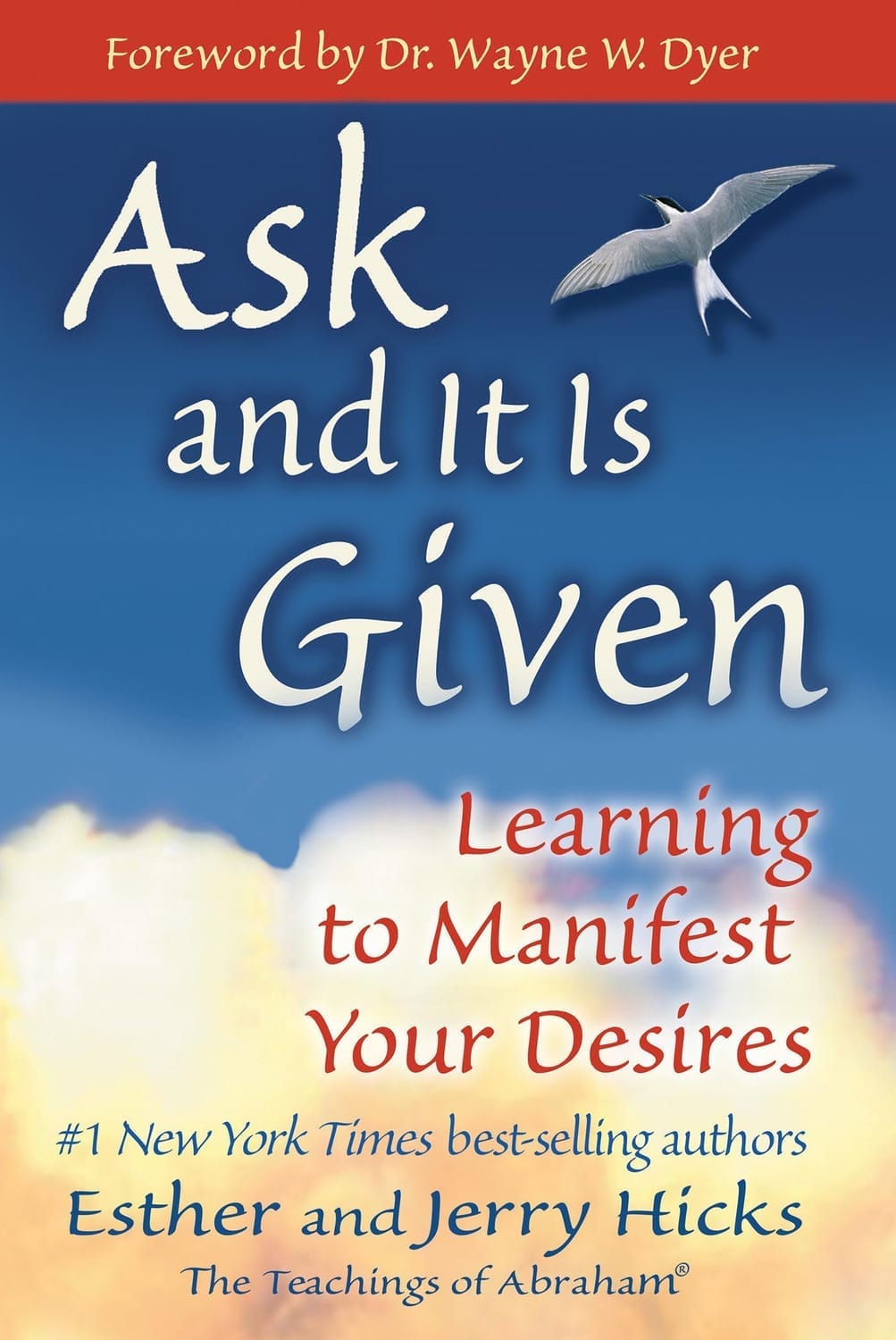
Ask and It Is Given
Learn how your thoughts, emotions, and expectations shape your reality — and how to deliberately attract better outcomes into your life.
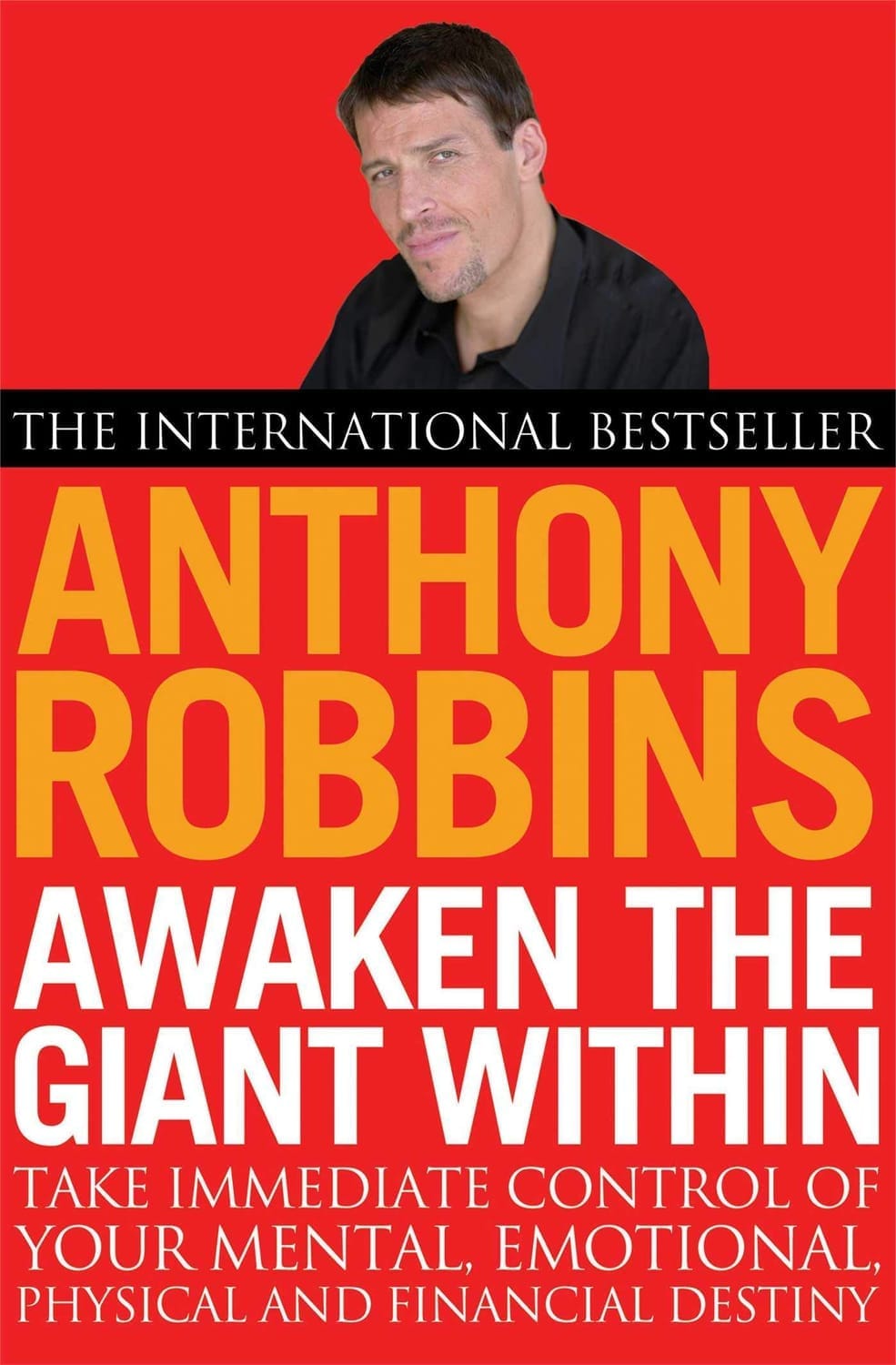
Awaken the Giant Within
Take control of your mindset, emotions, finances, and habits so you can unlock the power and potential already inside you.

Book of Proverbs
Timeless wisdom on discipline, money, relationships, leadership, and decision-making — practical success principles that still apply today.
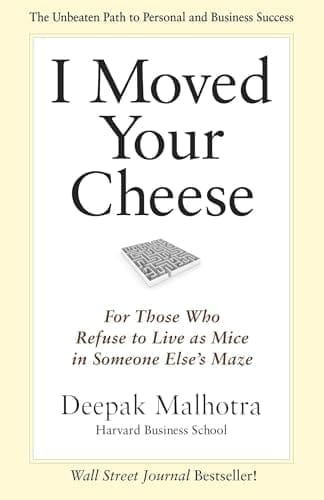
I Moved Your Cheese
A simple but powerful lesson on challenging paradigms, overcoming fear, and rethinking the status quo in an ever-changing world.
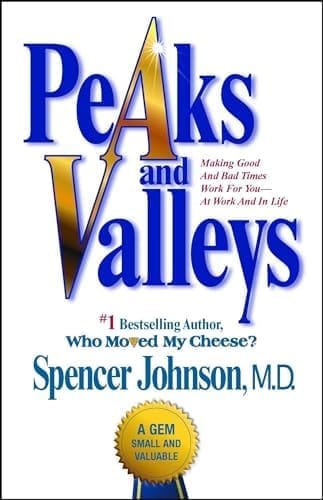
Peaks and Valleys
Learn how to navigate life’s highs and lows wisely — and how difficult seasons can become stepping stones to greater success.
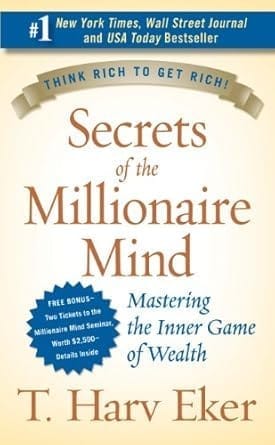
Secrets of the Millionaire Mind
Discover the hidden money beliefs shaping your financial life — and how to reprogram your mindset for wealth and abundance.
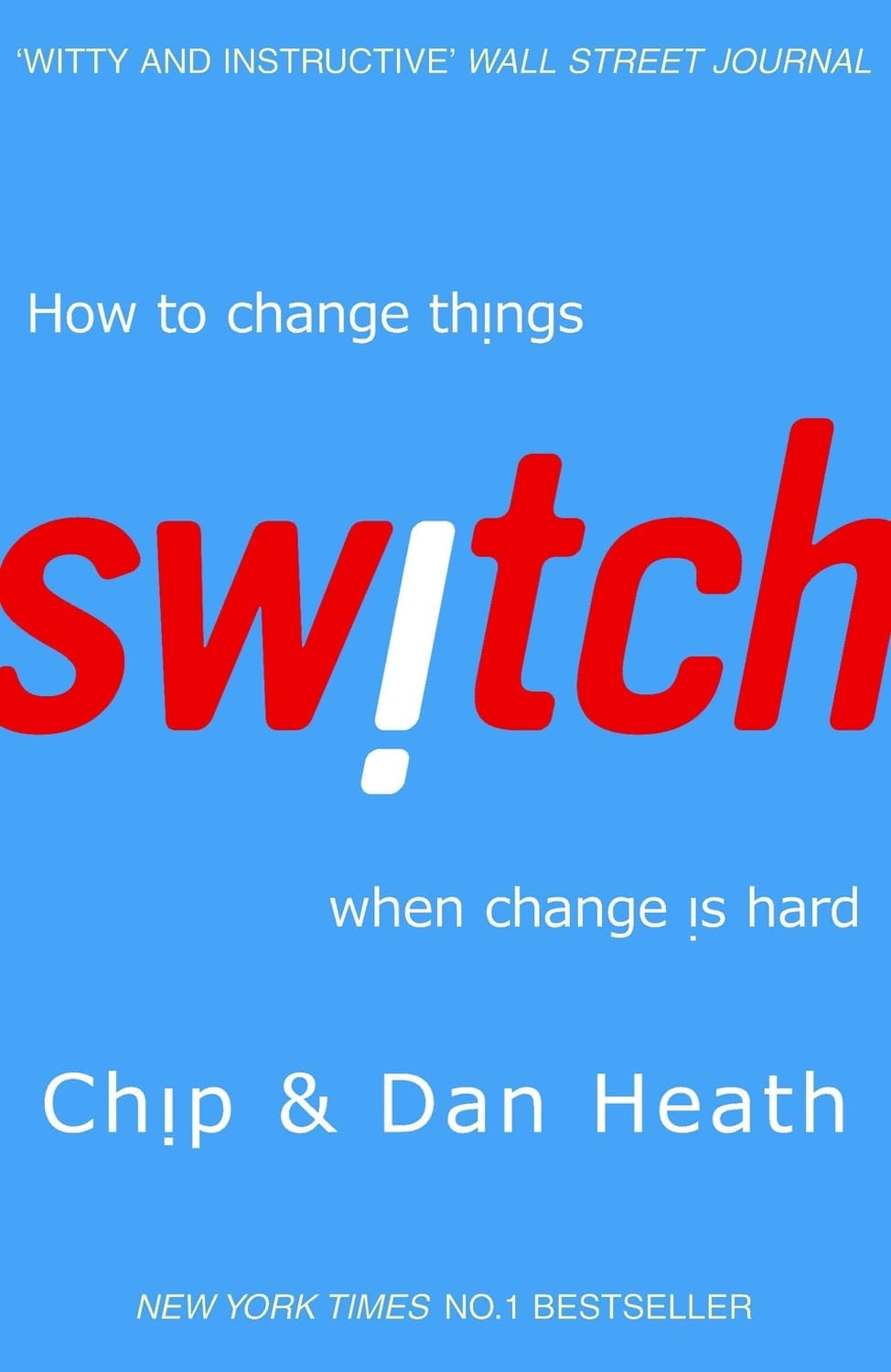
Switch
Understand why change is difficult — and learn practical strategies to successfully change habits, behaviors, and results.
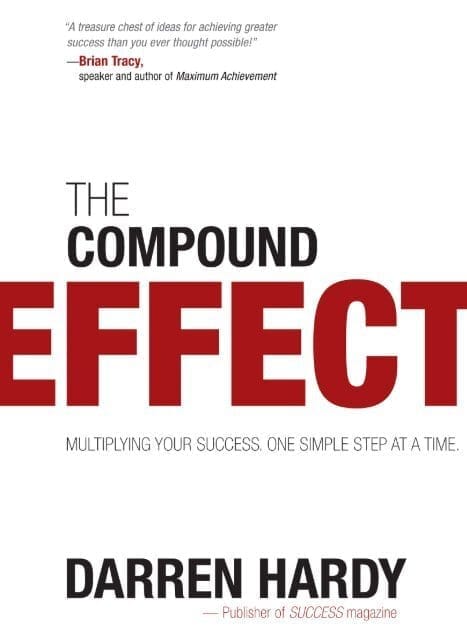
The Compound Effect
Small daily actions may seem insignificant, but over time they create extraordinary results in wealth, health, and success.
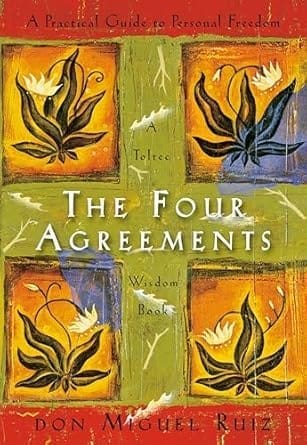
The Four Agreements
Four simple but life-changing principles to help you experience greater peace, freedom, confidence, and healthier relationships.
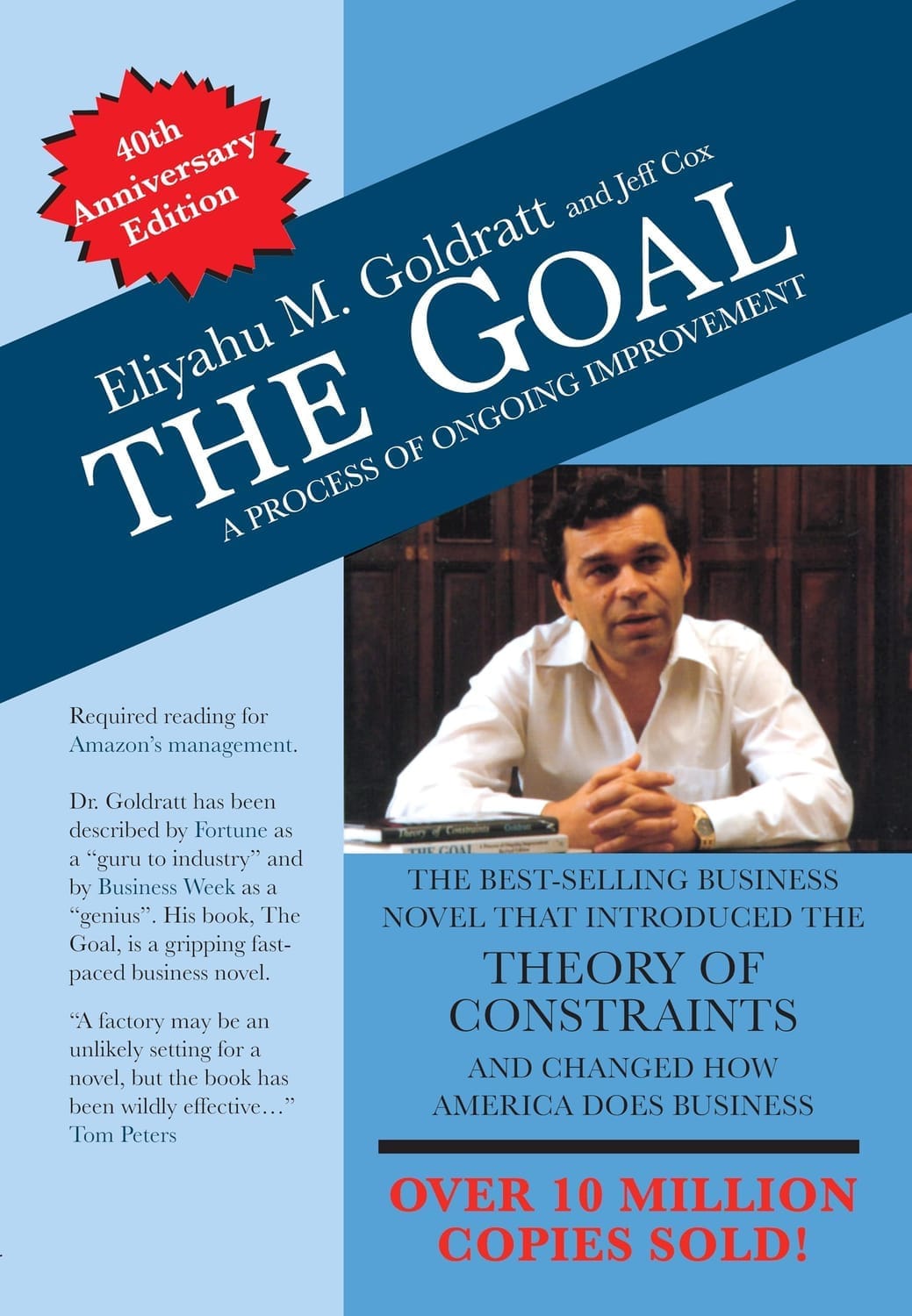
The Goal
A powerful business novel that teaches you how to identify bottlenecks, improve productivity, and focus on what truly drives results.
The Millionaire Booklet
A practical wake-up call about money, ambition, and the mindset required to escape financial struggle and pursue wealth seriously.
The One Thing
Learn how focusing on the most important task can dramatically improve your productivity, results, and quality of life.
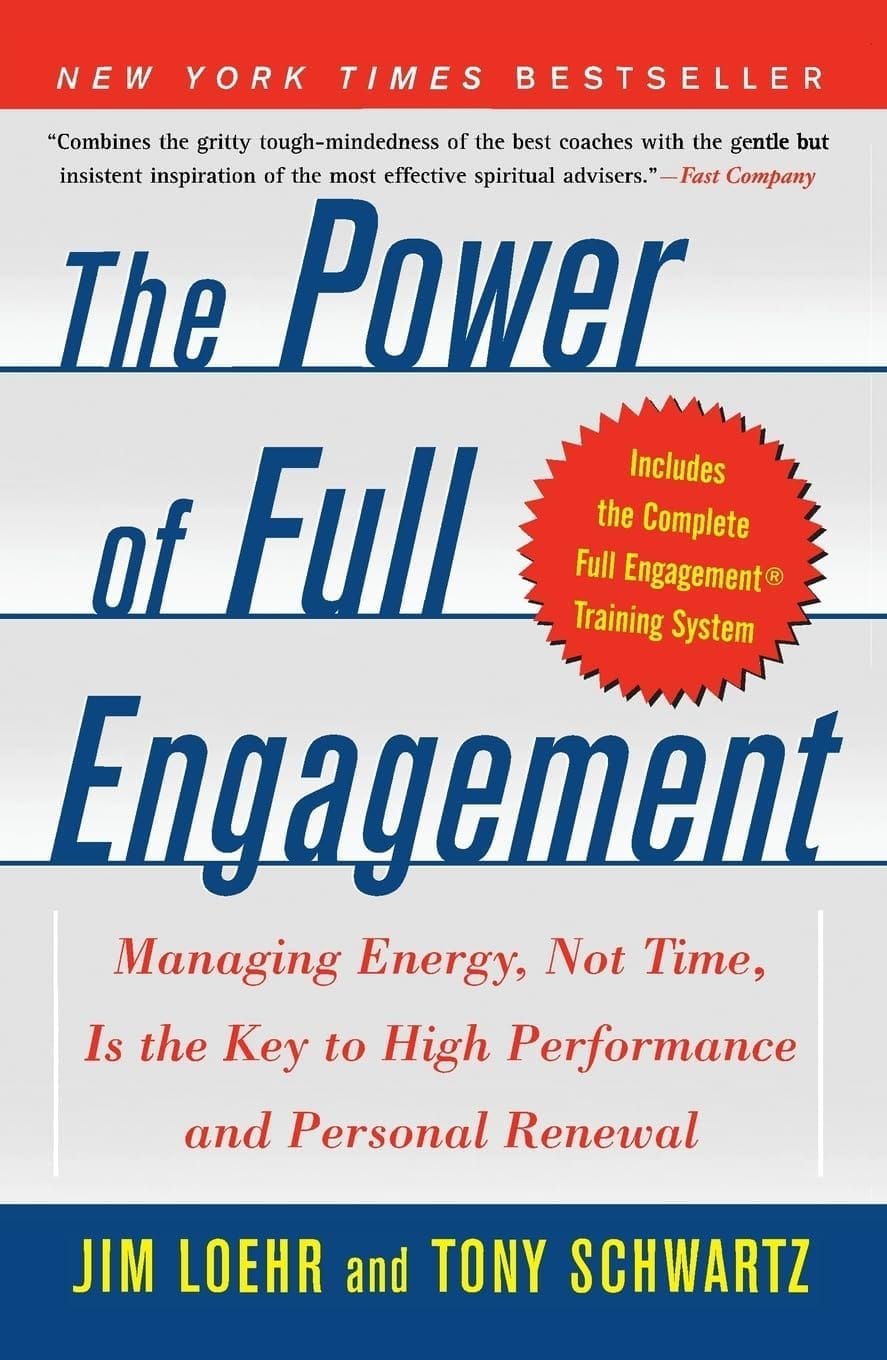
The Power of Full Engagement
Success isn’t just about managing time — it’s about managing your physical, emotional, mental, and spiritual energy effectively.
Richest Man In Babylon
Simple, timeless financial principles about saving, investing, discipline, and building long-term wealth.
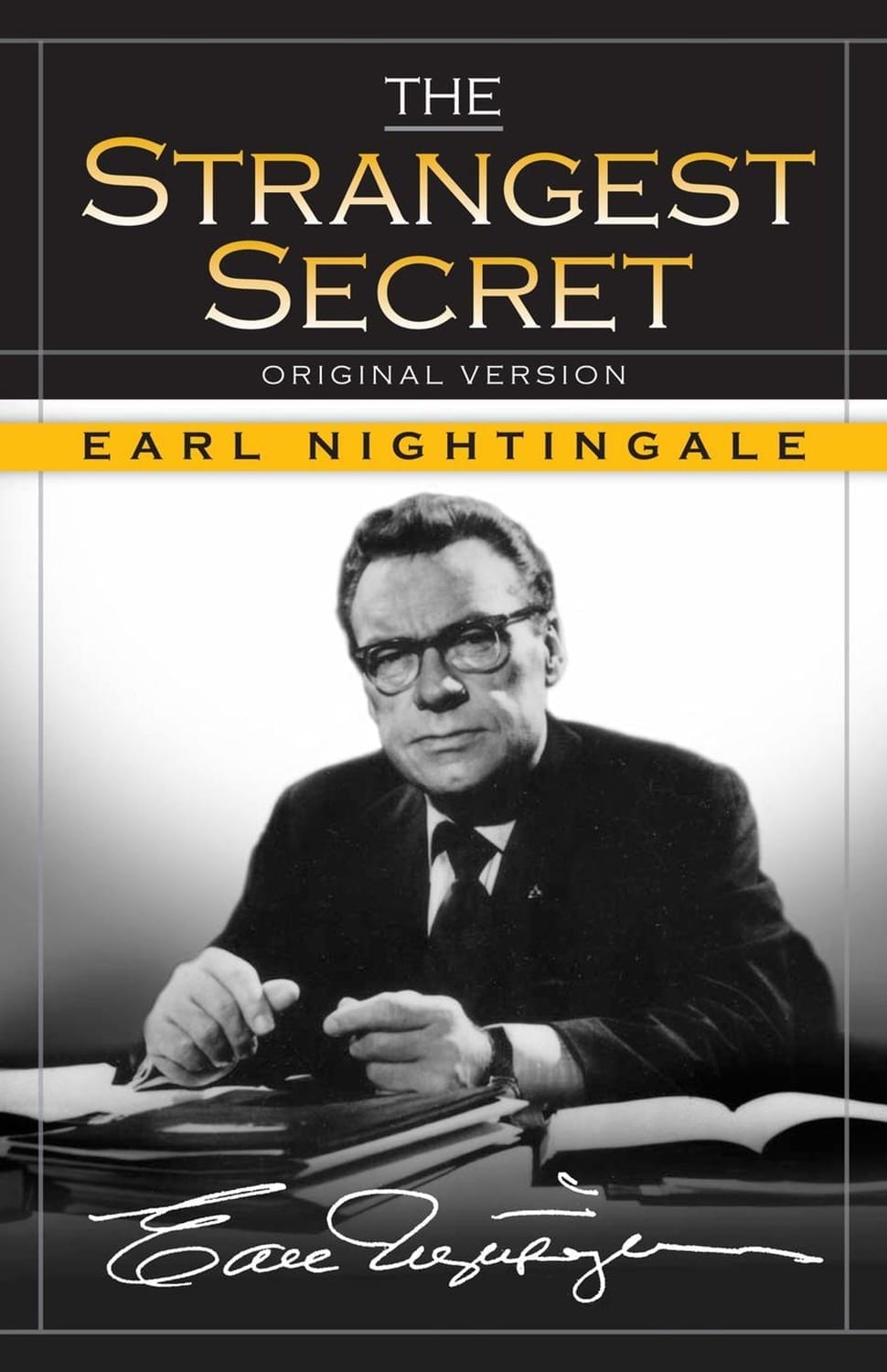
The Strangest Secret
You become what you think about most. Learn how your thoughts shape your success, habits, and future.
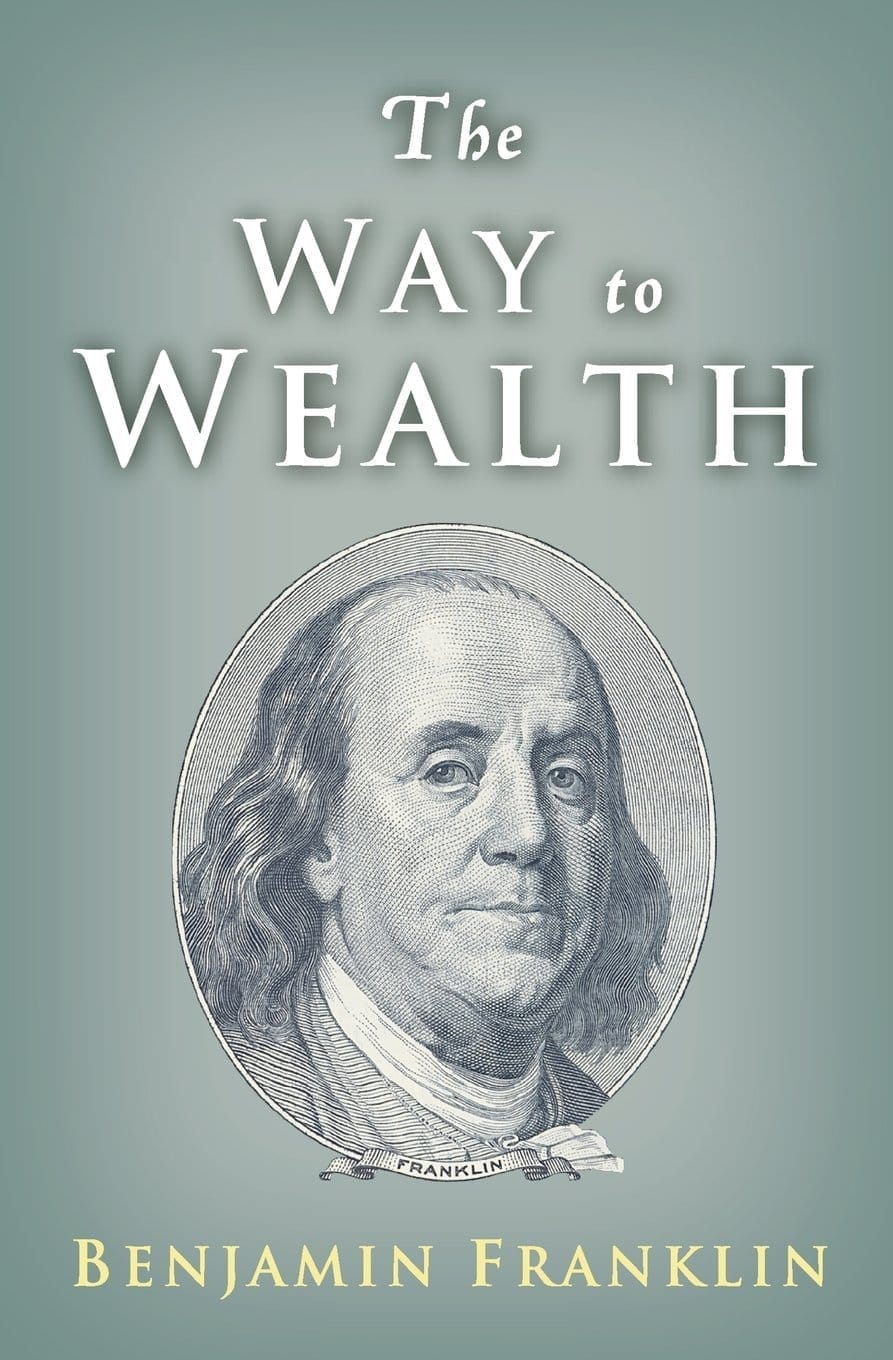
The Way to Wealth
Classic lessons on hard work, discipline, frugality, and wise financial stewardship that remain relevant centuries later.
7 Spiritual Laws of Success
Discover spiritual principles that blend purpose, abundance, alignment, and inner peace with external success.
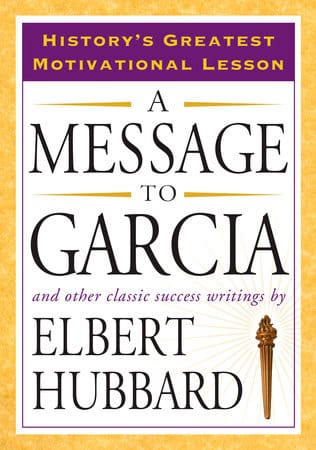
A Message to Garcia
A timeless lesson on initiative, responsibility, reliability, and becoming the kind of person who gets things done without excuses.
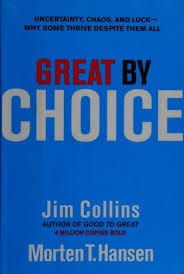
Great by Choice
Learn how exceptional companies succeed even in uncertainty through discipline, preparation, and consistent execution.
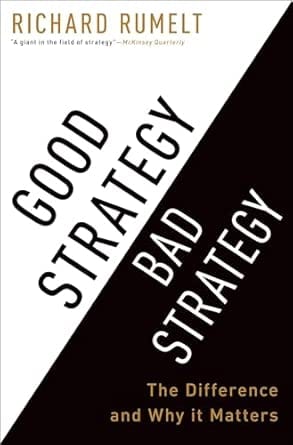
Good Strategy / Bad Strategy
Discover the difference between vague goals and real strategy — and learn how to focus your efforts where they matter most.
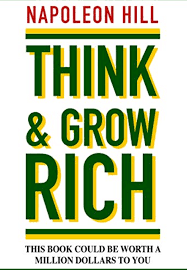
Think and Grow Rich
One of the most influential success books ever written — teaching the power of desire, faith, persistence, and focused action.
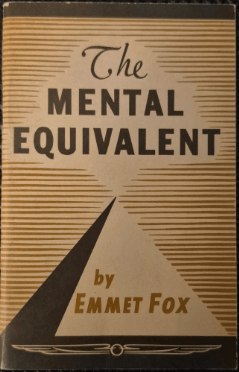
The Mental Equivalent
Learn how to create the mental and emotional conditions necessary to attract the life and outcomes you desire.
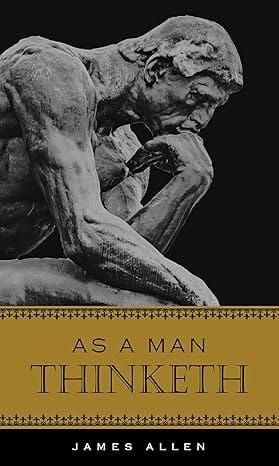
As a Man Thinketh
Your thoughts shape your character, habits, circumstances, and destiny. Master your mind and you transform your life.
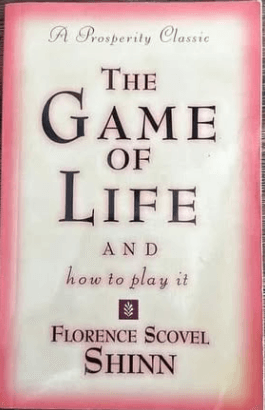
The Game of Life
and How to Play It
A practical guide to spiritual laws, affirmations, faith, and aligning your thoughts and words with the life you want to create.
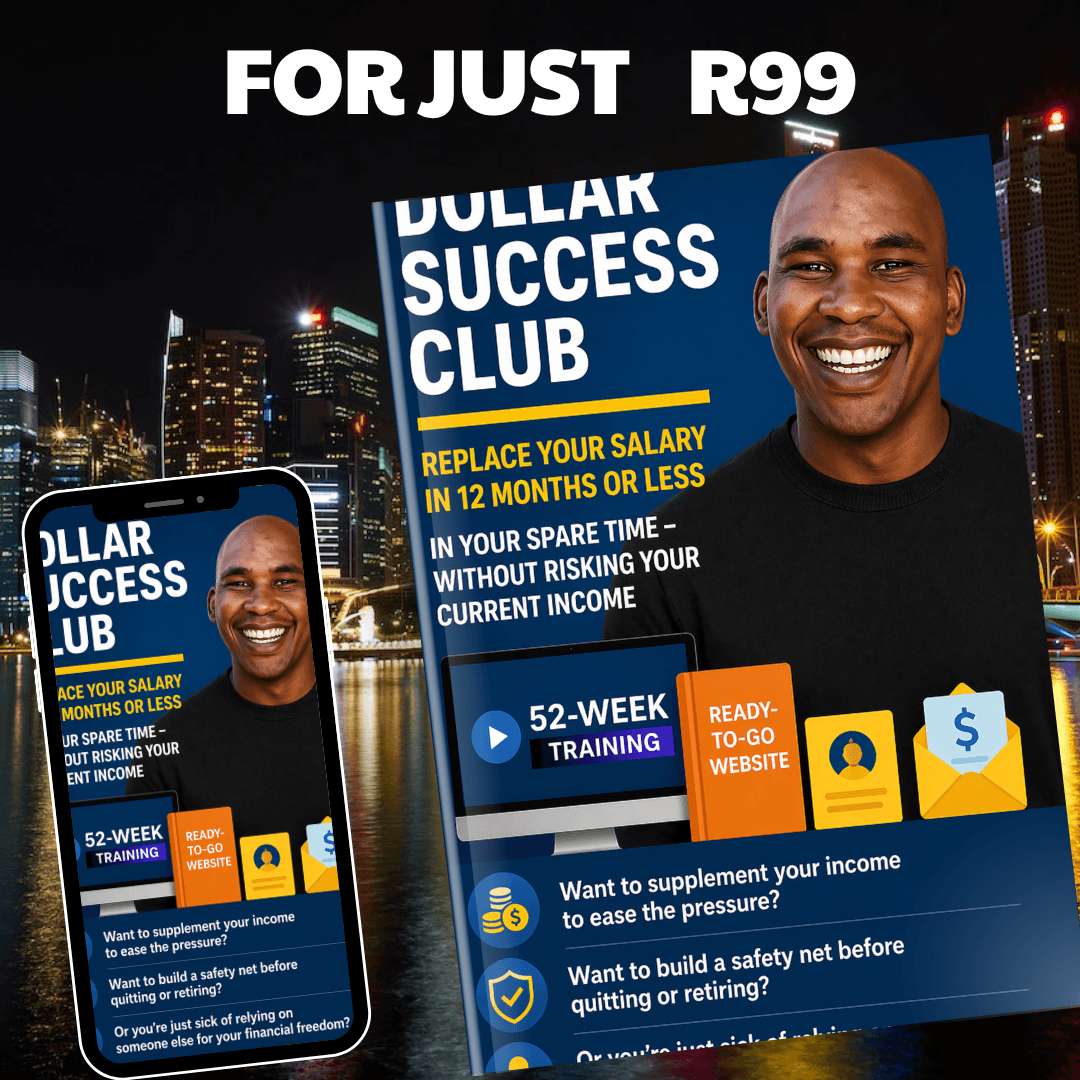
Dollar Success Club
A full system that shows you, step-by-step, how to start a real online business—even if you’re working full-time, even if you’ve never done this before.