
The Customer Journey: From Prospect to Client
The customer journey refers to the steps a customer goes through when interacting with your business, from discovering your product to becoming a loyal customer. It typically consists of five stages:
Awareness: The customer becomes aware of your business or product.
Consideration: The customer evaluates whether your product solves their problem.
Purchase: The customer decides to buy your product or service.
Retention: The customer continues to engage with and use your product.
Advocacy: The customer recommends your business to others.
Should Local Businesses Solve Every Step?
Not necessarily. Local businesses don't need to solve every step of the customer journey. Instead, they should focus on the stages that align with their strengths, resources, and customer needs.
For example:
If you're a new business, focus on awareness and consideration
to attract and educate potential customers.
If you have an established customer base, invest in retention
and advocacy to maximize loyalty and referrals.
How to Choose Which Step to Solve
Understand Your Audience:
Where are your customers in their journey?
What challenges or questions do they face at each stage?
Evaluate Your Strengths:
Which stage aligns with your business's capabilities?
Are you better at creating awareness, closing sales, or building long-term relationships?
Identify Gaps in the Market:
Look for opportunities where competitors are underperforming.
Solve a pain point other businesses are neglecting.
Resource Allocation:
Focus on the stages you can execute effectively
with your current team, time, and budget.
Examples of Choosing a Stage to Focus On
Example 1: Bakery (Awareness & Purchase)
Focus Stage: Awareness and Purchase.
Why: A bakery needs people to know about their products
and make impulse buys.
Strategies:
Offer free samples at community events.
Run limited-time discounts or special promotions.
Example 2: Fitness Studio (Retention & Advocacy)
Focus Stage: Retention and Advocacy.
Why: Fitness studios thrive on repeat customers
and word-of-mouth referrals.
Strategies:
Implement a loyalty program (e.g., free class after 10 sessions).
Create a sense of community with member events.
Encourage testimonials and online reviews.
Example 3: Real Estate Agent (Consideration & Purchase)
Focus Stage: Consideration and Purchase.
Why: Customers need to trust your expertise
before making a big decision.
Strategies:
Offer free consultations or home-buying workshops.
Provide a market insights report tailored to your area.
Example 4: Spaza Shop / Local Grocery Store (Advocacy)
Focus Stage: Advocacy.
Why: Loyal customers who recommend
the store drive consistent sales.
Strategies:
Reward customers for referrals (e.g., gift cards or discounts).
Highlight long-time customers on social media.
How to Address Multiple Stages
Without Overstretching
Prioritize the Customer's Most Pressing Needs:
Identify which stage has the biggest impact on your business's growth.
Use Tools and Automation:
For example, email marketing can nurture customers through the retention stage, while social media ads can focus on awareness.
Collaborate with Other Businesses:
Partner with complementary businesses to fill gaps in the journey. For example, a salon could partner with a spa to enhance the customer experience.
Key Takeaways
Focus on the customer journey stages that deliver
the most value to your business.
Balance your resources by prioritizing key stages
rather than trying to solve everything.
Align your efforts with your customers' needs,
your business strengths, and the market opportunity.
By addressing the right stage of the journey, local businesses can attract, engage, and retain customers more effectively.
Joined Dollar Success Club?
This is a community for people who want to:
• Start an online business
• Build multiple income streams
• Learn marketing and sales
• Turn ideas into profitable systems
Join the community here:
https://www.successclub.co.za/dollar
What You Miss By Not Joining Dollar Success Club...
Free practical action-based workbooks designed to help you apply powerful success principles immediately.
Topics include:
Mindset, Wealth, Discipline, Spirituality, Productivity, Purpose, Relationships, and so much more...
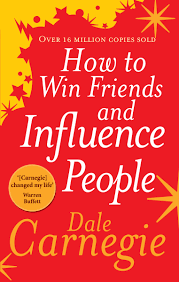
How to Win Friends and Influence People
Learn the timeless people skills that open doors, build influence, strengthen relationships, and help you succeed in business and life without manipulation or force.
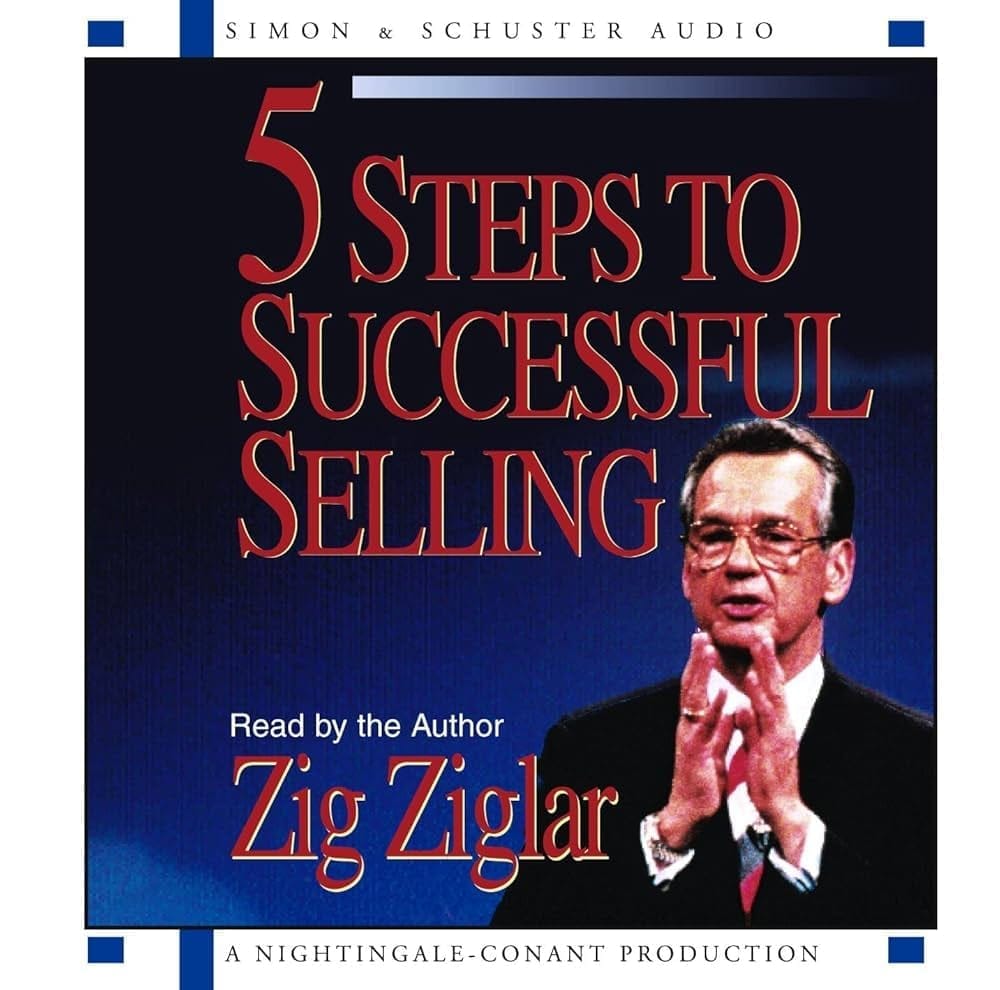
Five Steps to Successful Selling
Master the foundations of persuasion, confidence, and ethical selling so you can close more deals, grow your income, and serve customers more effectively.

Acres of Diamonds
Discover how the opportunities you’ve been searching for may already exist right where you are — hidden in your skills, experiences, and environment.
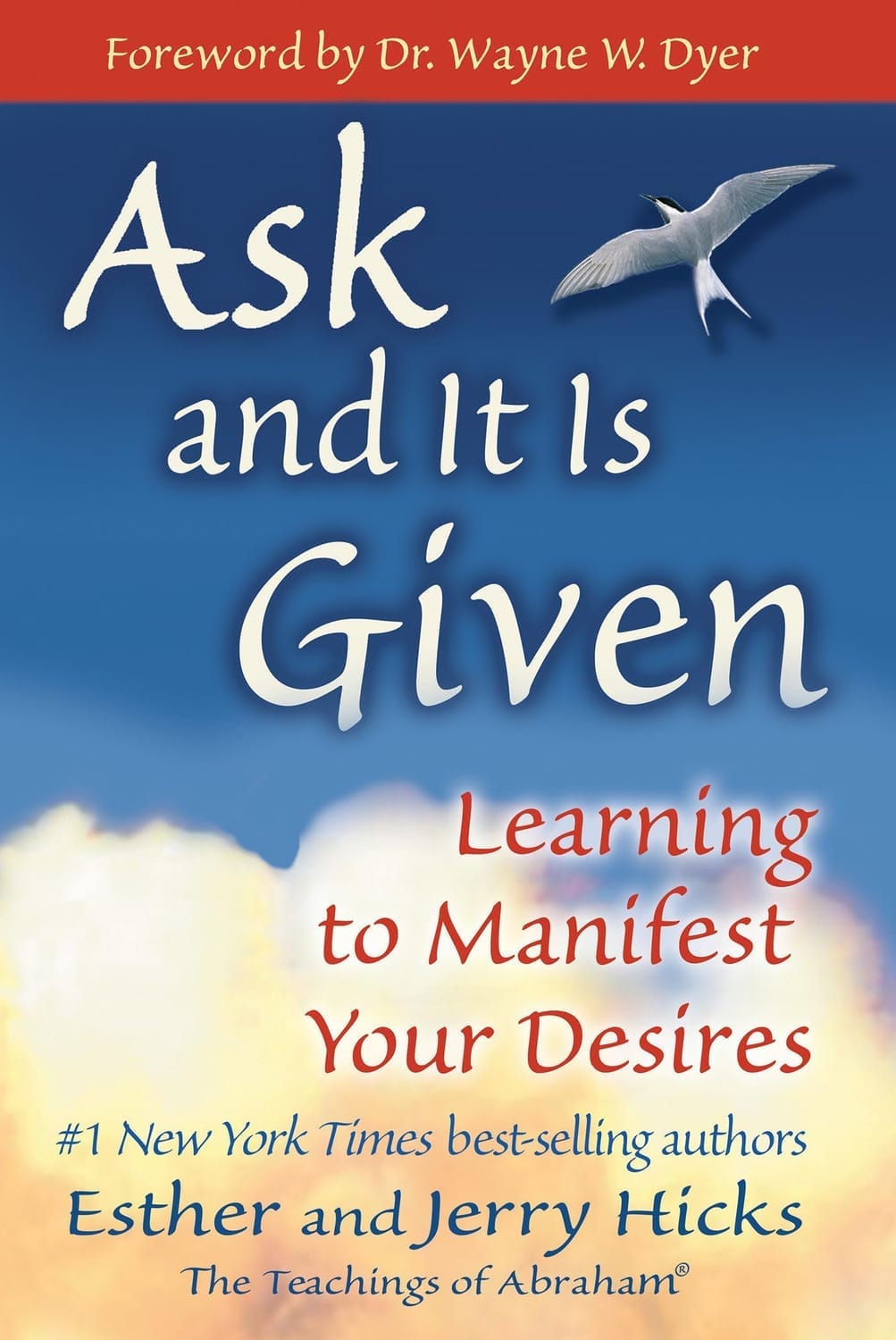
Ask and It Is Given
Learn how your thoughts, emotions, and expectations shape your reality — and how to deliberately attract better outcomes into your life.

Awaken the Giant Within
Take control of your mindset, emotions, finances, and habits so you can unlock the power and potential already inside you.

Book of Proverbs
Timeless wisdom on discipline, money, relationships, leadership, and decision-making — practical success principles that still apply today.

I Moved Your Cheese
A simple but powerful lesson on challenging paradigms, overcoming fear, and rethinking the status quo in an ever-changing world.

Peaks and Valleys
Learn how to navigate life’s highs and lows wisely — and how difficult seasons can become stepping stones to greater success.

Secrets of the Millionaire Mind
Discover the hidden money beliefs shaping your financial life — and how to reprogram your mindset for wealth and abundance.

Switch
Understand why change is difficult — and learn practical strategies to successfully change habits, behaviors, and results.
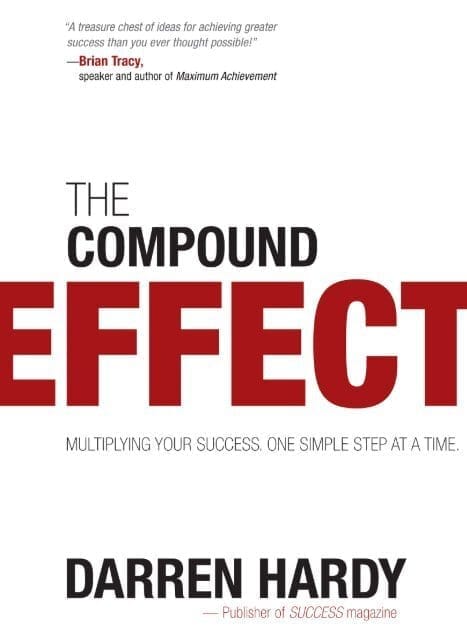
The Compound Effect
Small daily actions may seem insignificant, but over time they create extraordinary results in wealth, health, and success.

The Four Agreements
Four simple but life-changing principles to help you experience greater peace, freedom, confidence, and healthier relationships.
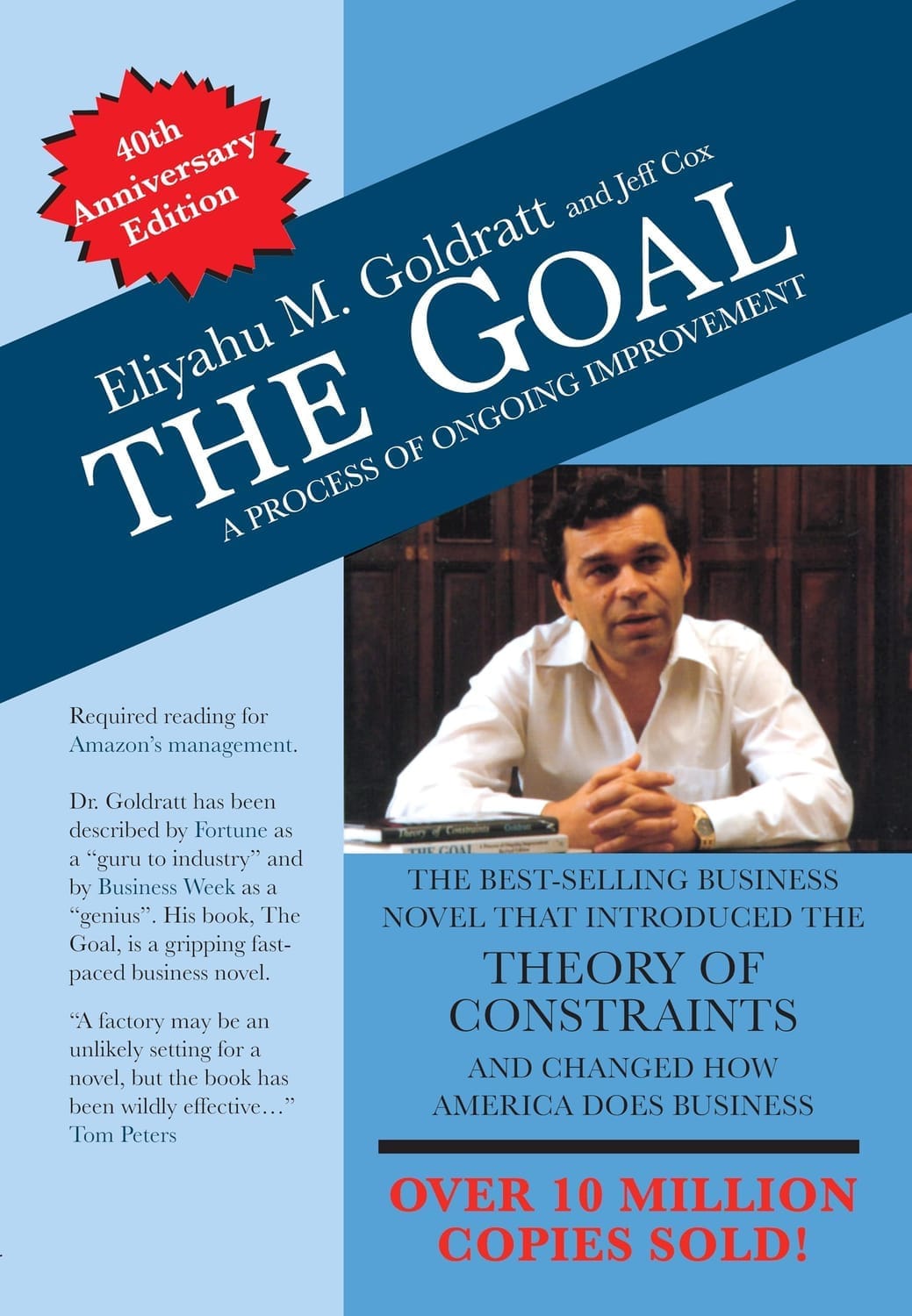
The Goal
A powerful business novel that teaches you how to identify bottlenecks, improve productivity, and focus on what truly drives results.

The Millionaire Booklet
A practical wake-up call about money, ambition, and the mindset required to escape financial struggle and pursue wealth seriously.
The One Thing
Learn how focusing on the most important task can dramatically improve your productivity, results, and quality of life.
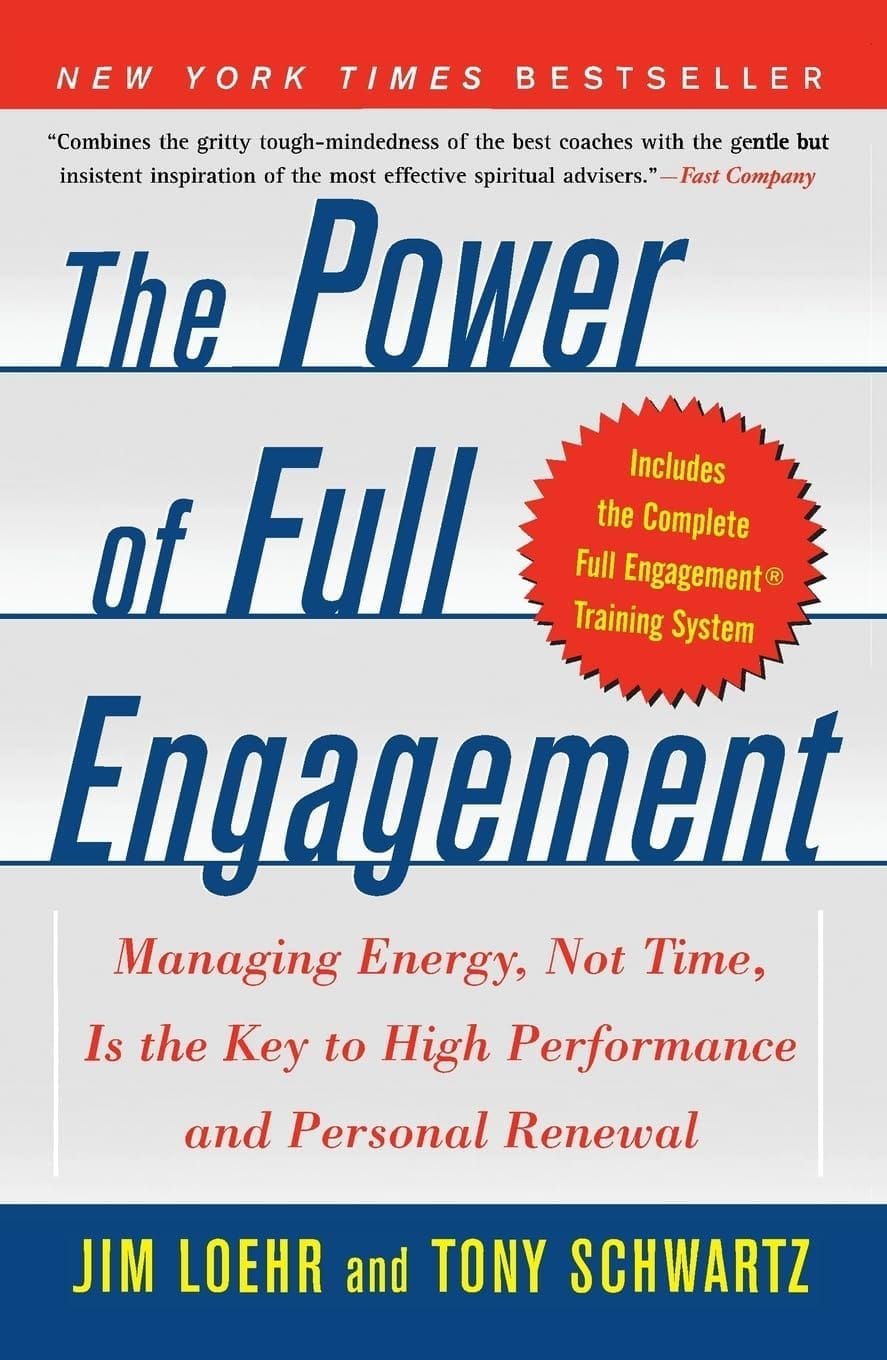
The Power of Full Engagement
Success isn’t just about managing time — it’s about managing your physical, emotional, mental, and spiritual energy effectively.
Richest Man In Babylon
Simple, timeless financial principles about saving, investing, discipline, and building long-term wealth.

The Strangest Secret
You become what you think about most. Learn how your thoughts shape your success, habits, and future.

The Way to Wealth
Classic lessons on hard work, discipline, frugality, and wise financial stewardship that remain relevant centuries later.

7 Spiritual Laws of Success
Discover spiritual principles that blend purpose, abundance, alignment, and inner peace with external success.

A Message to Garcia
A timeless lesson on initiative, responsibility, reliability, and becoming the kind of person who gets things done without excuses.
Great by Choice
Learn how exceptional companies succeed even in uncertainty through discipline, preparation, and consistent execution.
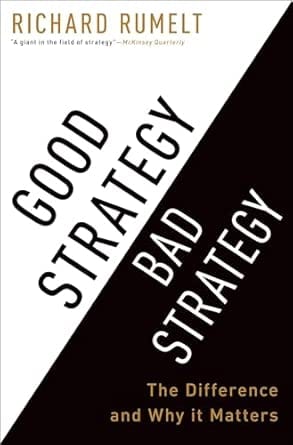
Good Strategy / Bad Strategy
Discover the difference between vague goals and real strategy — and learn how to focus your efforts where they matter most.

Think and Grow Rich
One of the most influential success books ever written — teaching the power of desire, faith, persistence, and focused action.

The Mental Equivalent
Learn how to create the mental and emotional conditions necessary to attract the life and outcomes you desire.

As a Man Thinketh
Your thoughts shape your character, habits, circumstances, and destiny. Master your mind and you transform your life.

The Game of Life
and How to Play It
A practical guide to spiritual laws, affirmations, faith, and aligning your thoughts and words with the life you want to create.

Dollar Success Club
A full system that shows you, step-by-step, how to start a real online business—even if you’re working full-time, even if you’ve never done this before.